
Bristol, Virginia
Want to see how Bristol compares to other top cities in Virginia? Explore all city regulations in Virginia. →
Bristol, VA
Generally Investor Friendly
STR Regulations for Bristol, Virginia
Overview: Are Short-Term Rentals Allowed in Bristol, VA?
Yes. Short-term rentals are permitted in Bristol, Virginia. The City Code Enforcement Office explicitly references “short and long-term rentals” within its enforcement mandate. However, as of the current public record, Bristol has not enacted city-specific short-term rental regulations. In September 2021, City staff recommended developing an STR ordinance due to the growth of platforms like Airbnb and Vrbo; to date, no adopted ordinance is in place. As a result, Bristol STRs operate under Virginia state rules, general zoning, and business licensing/tax frameworks. Investors should monitor Community Development and Planning updates for any future city-specific permitting, zoning, or operational rules.
What do Airbnb hosts actually earn in Bristol?
Bristol hosts earn a median $22,551/year with $161 ADR and 51% occupancy.
Top performers pull in $33,180+ per year.
See the full Bristol market breakdownHow to Start a Short-Term Rental Business in Bristol, VA
Because Bristol does not currently regulate STRs separately, the operational pathway follows state-level guidance and standard city business processes:
- Confirm property zoning compliance with Bristol’s Zoning Ordinance.
- The use “Bed and Breakfast” appears as a special use permit in several districts (R-2, R-3, B-1, B-3). If you intend to operate an STR as a lodging use, verify whether your zoning district allows “Bed and Breakfast” or whether a Special Use Permit is required. If not permitted, consider operating as a standard residential rental (30+ days) or seek zoning relief.
- Obtain a Bristol Business License (Commissioner of the Revenue) prior to collecting transient occupancy taxes and to legally operate the business. Licenses are typically issued annually.
- Register with the Virginia Department of Taxation for state-level tax obligations (sales tax and lodging tax). Airbnb/Vrbo platforms generally collect and remit state sales tax and local lodging taxes when you provide the required registration and tax information; you are still responsible for compliance and accurate filings.
- Comply with the Virginia Uniform Statewide Building Code (USBC) safety standards:
- Provide and maintain smoke detectors, carbon monoxide detectors, and at least one fire extinguisher.
- Ensure emergency egress and conform to life-safety requirements appropriate to the dwelling type.
- Schedule required inspections where applicable (e.g., life safety/fire inspections) as recommended or required by local authorities and the building code.
- Maintain liability insurance appropriate to short-term rental activities (commonly $1,000,000 or more), even if not mandated by the city; this reduces risk exposure and is required by most platforms and insurers.
- Prepare required documentation for licensing and taxation, and be ready to submit floor plans, occupancy information, and safety equipment details when requested.
Required Documents, Permits, Licenses, and Guidelines
In the absence of city-specific STR permits, compliance centers on these state and local requirements:
- State definition of short-term rental (STR): renting a room or space suitable for occupancy for fewer than 30 consecutive days in exchange for charge (Code of Virginia).
- Zoning verification: confirm your property’s district permits the lodging use, or apply for a Special Use Permit where “Bed and Breakfast” is listed (R-2, R-3, B-1, B-3).
- Bristol Business License: annual license from the Commissioner of the Revenue (see contact below).
- Virginia Department of Taxation registration for state sales tax and lodging tax collection/remittance.
- Safety compliance (USBC):
- Smoke detectors; carbon monoxide detectors; fire extinguisher(s).
- Emergency egress compliance; annual inspection may be advisable for liability reduction.
- Liability insurance: short-term rental policy with liability coverage (commonly $1,000,000+), as required by platforms and prudent risk management.
- Documentation:
- Driver’s license; Federal EIN; SSN or ITIN.
- Proof of ownership or lease; property information (address, structure, bedrooms).
- Floor plan (including room uses, occupancy limits, emergency egress routes); parking plan if applicable.
- Safety equipment schedule (detectors, extinguisher locations).
- Proof of fee payments (license, inspection fees).
- Taxes:
- Virginia Sales Tax: 6%.
- Local/Regional Transient Occupancy Tax (TOT): rates vary in Virginia; many jurisdictions apply an additional percentage plus a per-room/night fee. Confirm the rate with the Bristol Commissioner of the Revenue or city finance office (not specified in provided materials).
- Income taxes and property taxes apply at applicable federal, state, and local rates.
Note: If Bristol adopts an STR ordinance in the future, additional permits, inspections, signage rules, occupancy caps, or hosting disclosures may be required. Always verify current requirements.
Specific Regulations: Bristol, Virginia; Virginia
Bristol, Virginia (City-Level):
- No dedicated STR ordinance currently in force; the city has identified a need to regulate STRs and is in a preliminary ordinance development phase (Planning Commission agenda, Sept. 20, 2021).
- Code Enforcement addresses short and long-term rentals as part of its broader property maintenance and public nuisance responsibilities.
- Zoning:
- “Bed and Breakfast” is allowed by Special Use Permit in certain districts (R-2, R-3, B-1, B-3).
- Other zoning districts should be reviewed to confirm whether lodging uses are permitted by right, by special use, or prohibited.
- As a result, current STR operators should default to state-level rules, business licensing, safety compliance, and tax obligations.
Virginia (State-Level):
- Virginia does not have a comprehensive statewide STR statute. STRs are governed primarily by local ordinances and general state law.
- Definition of STR: rental of a room or space for fewer than 30 consecutive days for compensation (Code of Virginia).
- Tax obligations:
- Sales Tax: 6%.
- Local/Regional Transient Occupancy Taxes: rates and structures vary by locality; confirm applicable rate with city authorities.
- Building and life-safety standards are governed by the Virginia Uniform Statewide Building Code.
Implications for investors:
- Bristol’s permissive environment under state law provides operational freedom but requires diligent compliance with zoning, licensing, and safety codes.
- Monitor Bristol Community Development and Planning for formal STR ordinance developments that could introduce permits, inspections, occupancy limits, advertising standards, or local TOT adjustments.
Contact Information
- Code Enforcement / Property Maintenance (general inquiries, zoning/land use compliance):
- Physical Address: 300 Lee Street Suite 112, Bristol, VA 24201
- Phone: (276) 645-7361
- Office Hours: Monday–Friday, 8:00 a.m.–5:00 p.m.
- Property Maintenance Official: Josh Slagle — Email: josh.slagle@bristolva.org
- Community Development and Planning (zoning, permits, future STR ordinance):
- Director: Jay Detrick — Email: jdetrick@bristolva.org — Phone: (276) 645-3784
- City of Bristol, Virginia
- Phone: (276) 645-7300
Source Pages
- City of Bristol Code Enforcement/Property Maintenance:
- Bristol Zoning Ordinance (effective Jan. 1, 2021):
- Bristol Planning Commission Agenda (Sept. 20, 2021) — STR ordinance development:
- Virginia STR Laws (state overview, taxes, licensing approach):
Disclaimer: Regulations evolve. Before operating, confirm current requirements with Code Enforcement, Community Development and Planning, and the Virginia Department of Taxation. If Bristol enacts an STR ordinance, follow the updated permitting, safety, and operational rules.
Next step
Found a property in Bristol?
Paste any address and get estimated revenue, cash-on-cash return, and comparable STR performance in under 5 minutes. 3 free analyses per day.
Free brief
Get the free Bristol STR Investment Brief
Revenue data, top neighborhoods, seasonal trends, and the key regulations for Bristol, Virginia in one email.
Bristol
Market Saturation Score
Photos of Bristol


Overview of Bristol
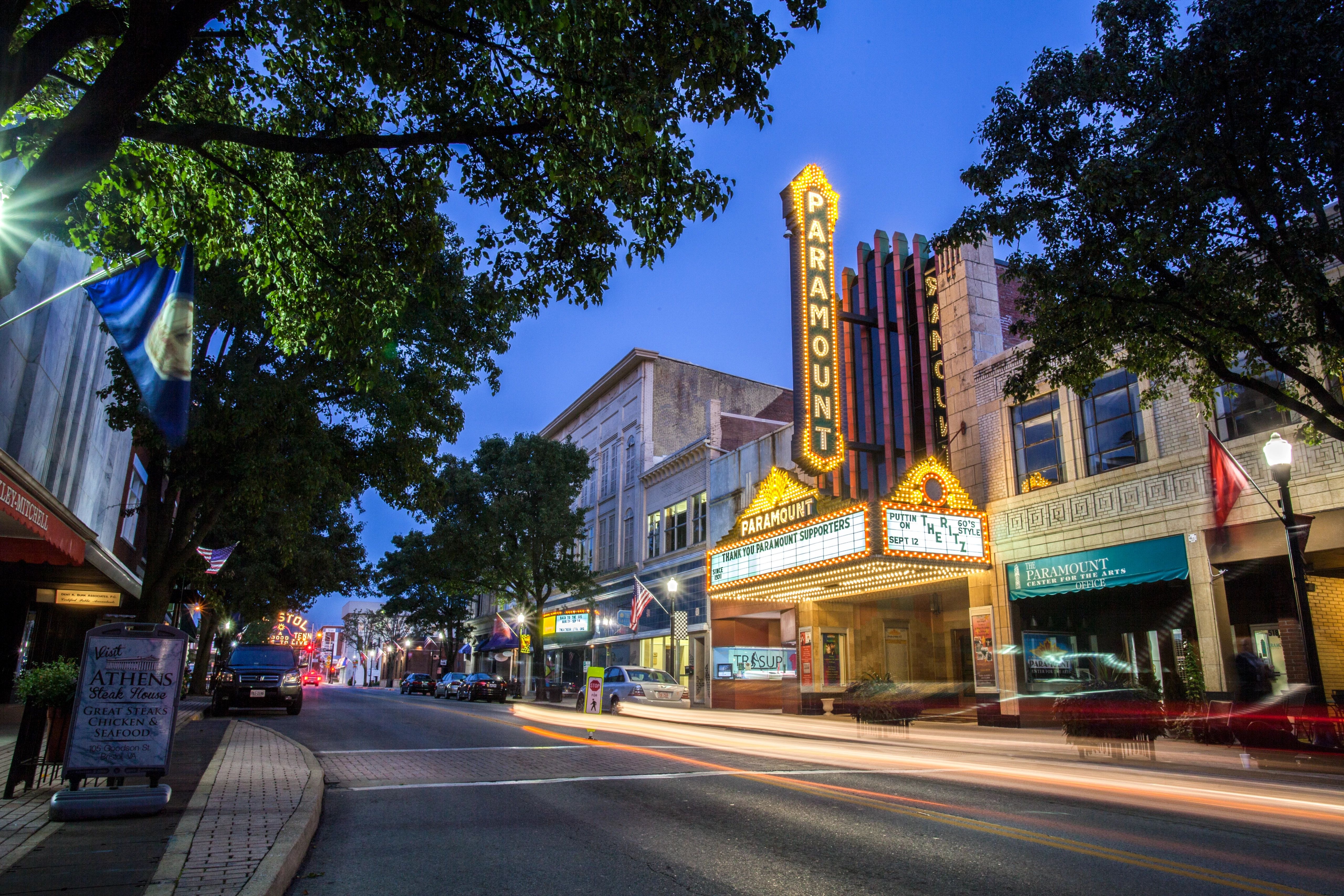
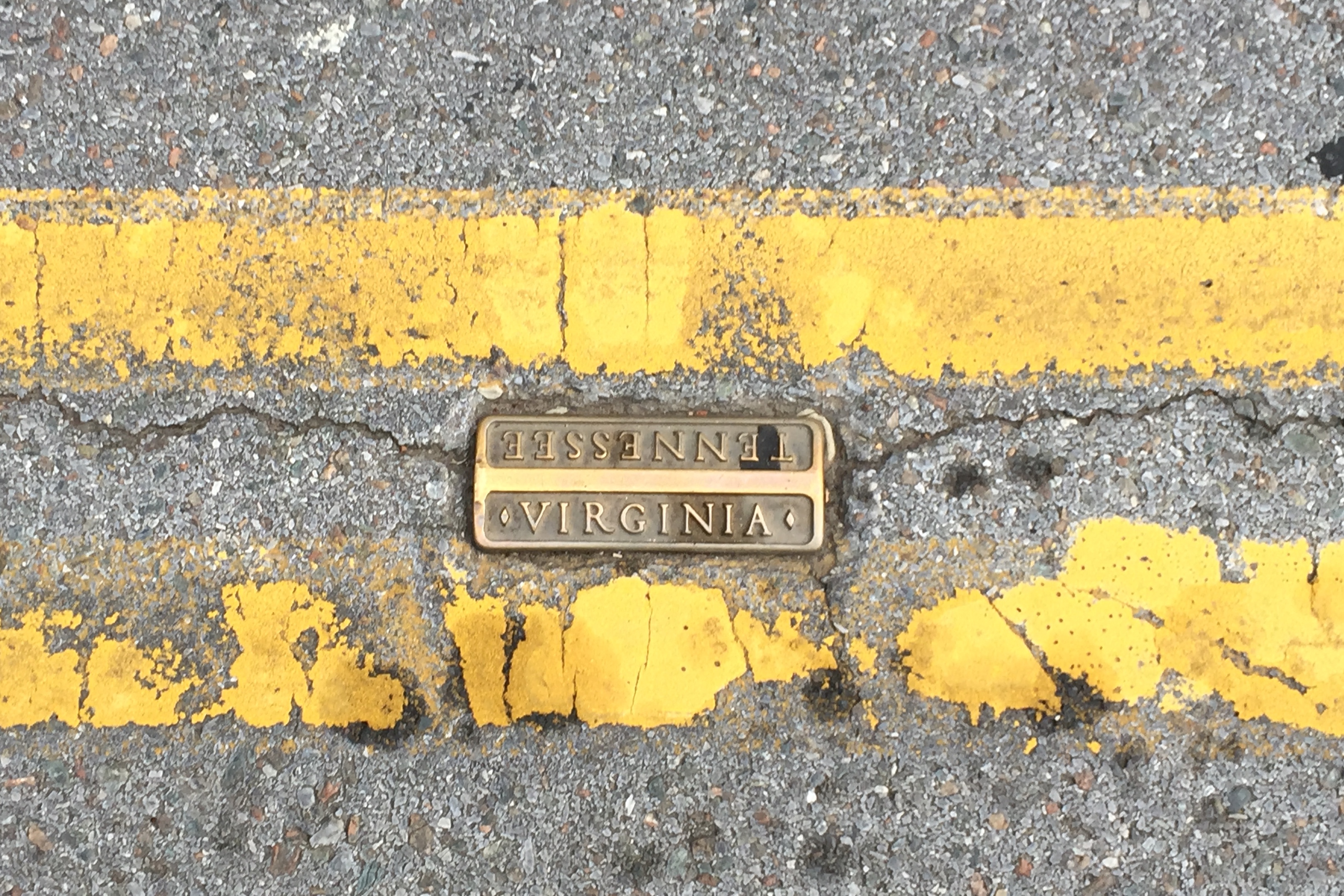
Bristol, Virginia is a small independent city situated in the southwestern corner of the Commonwealth of Virginia, in the Appalachian foothills. The city has a population of approximately 17,000, though it functions as a twin city with Bristol, Tennessee just across the state line, with the combined metropolitan area serving as a regional hub for the surrounding rural counties. Bristol is best known for being the "Birthplace of Country Music," a title stemming from the legendary 1927 Bristol Sessions recordings, and for the unusual distinction of having the Virginia–Tennessee border run directly down the middle of its main commercial street. The city serves as a gateway to outdoor recreation in the southern Appalachians on both sides of the state line. It is roughly a 2.5-hour drive east of Knoxville, Tennessee, and about a 4-hour drive west of Charlotte, North Carolina.
The Birthplace of Country Music Museum anchors the historic downtown on State Street, where the state line is painted across the pavement. Operated in affiliation with the Smithsonian Institution, the museum explores the 1927 Bristol Sessions and the broader story of Appalachian music, making it a significant cultural stop for visitors interested in the roots of country music. It is located in the heart of Bristol, just steps from locally owned restaurants and antique shops.
For outdoor recreation, South Holston Lake is a popular destination about 25 minutes south of Bristol. The reservoir, created by South Holston Dam, offers fishing, boating, and shoreline camping, and it is part of the broader Tennessee Valley Authority system in the region. The surrounding Cherokee National Forest adds hiking opportunities to the mix.
Just across the state line in Bristol, Tennessee, the Bristol Motor Speedway is a half-mile short track that hosts NASCAR Cup Series races, including the famous spring and fall race weekends that draw large crowds and fill local lodging. The speedway is within a 10-minute drive of downtown Bristol, making the city a natural base for race-week visitors.
About 20 minutes east of Bristol, the town of Abingdon offers additional appeal. The Barter Theatre, founded during the Great Depression, hosts year-round theatrical productions in a historic venue, while the Virginia Creeper Trail, a 34-mile rail-trail, draws cyclists for a scenic ride from the high country down to Abingdon.
Bristol makes a compelling base for short-term rental investors thanks to its mix of cultural heritage, event-driven tourism, and outdoor recreation. The NASCAR weekends, country music heritage, and proximity to Appalachian trails and lakes bring visitors in every season, while the twin-city dynamic offers more dining and entertainment options than a city of its size would typically support. Its location along the I-81 corridor also makes it a natural overnight stop for travelers exploring the broader region.
Want to know if a property in Bristol is a good investment?
Enter an address to get instant revenue potential and comps.