
Monroe, Utah
Want to see how Monroe compares to other top cities in Utah? Explore all city regulations in Utah. →
Monroe, UT
Generally Investor Friendly

STR Regulations for Monroe, Utah
Overview: Are Short-Term Rentals Allowed in Monroe, UT?
YES — Short-term rentals are explicitly allowed in Monroe, Utah, subject to municipal licensing and regulatory requirements.
Monroe City has established a clear regulatory framework for short-term rentals. The city charges an annual license fee of $100.00, with payment due by January 31st each year. The city has also amended its land use ordinances to specifically define and regulate short-term rentals as conditional uses within various zoning districts. Monroe defines short-term rentals as accommodations for 29 days or fewer.
What do Airbnb hosts actually earn in Monroe?
Monroe hosts earn a median $15,964/year with $111 ADR and 44% occupancy.
Top performers pull in $22,435+ per year.
See the full Monroe market breakdownHow to Start a Short-Term Rental Business in Monroe, UT
Step 1: Initial Planning and Zoning Verification
- Verify Zoning Eligibility: Contact Monroe City Planning & Zoning to confirm your property is in a zone that permits short-term rentals as a conditional use
- Review Site Requirements: Properties must meet access, parking, and setback requirements typical of residential zoning
- Understand Separation Requirements: If your rental will be on a flag lot configuration, ensure you have the required 30-foot access easement and 90-foot turnaround radius
Step 2: Licensing and Permits
- Obtain Short-Term Rental License: Required annual license ($100 fee, due January 31st)
- Apply for Business License: Standard business license ($25, due March 1st)
- Conditional Use Permit: May be required depending on your zoning district and specific property configuration
Step 3: Infrastructure and Safety Considerations
- Septic System Compliance: If creating a separate rental unit from your primary residence, ensure compliance with health department septic requirements
- Separate Utilities: Properties with divided lots will require separate utility connections
- Fire and Emergency Access: Ensure emergency responders can access your property
- Parking Adequacy: Provide sufficient parking as required by zoning regulations
Step 4: Registration and Ongoing Compliance
- Annual License Renewal: Renew your STR license by January 31st each year
- Business License Renewal: Renew your general business license by March 1st each year
- Code Compliance: Maintain ongoing compliance with all city ordinances and health department regulations
Required Documents, Permits, Licenses, and Guidelines
Licenses Required:
- Short-Term Rental License ($100.00 annually, due January 31st)
- Business License ($25.00 annually, due March 1st)
- Conditional Use Permit (if required by zoning)
- Transfer of License ($3.00 if applicable)
Guidelines and Standards:
- Maximum Rental Period: 29 days (any rental longer than 29 days is considered a long-term rental and is not subject to STR regulations)
- Access Requirements: 30-foot access easement minimum
- Turnaround Requirements: 90-foot turnaround radius for flag lots
- Zoning Compliance: Short-term rentals must be conditionally permitted in your specific zoning district
- Health Department Compliance: All septic and sanitation systems must meet Sevier County Health Department standards
Documents to Prepare:
- Property deed or lease agreement
- Site plan showing access, parking, and property boundaries
- Septic system compliance documentation (if applicable)
- Proof of liability insurance
- Emergency contact information
- Local contact person information for guests
Specific Regulations for Short-Term Rentals
City-Level Regulations (Monroe City):
- Definition: Short-term rentals are defined as accommodations for 29 days or fewer
- Licensing: Annual STR license required ($100)
- Zoning: STRs are conditional uses in multiple zoning districts (Chapters 10-15 as amended)
- Land Use Compliance: Must comply with Monroe City Land Use and Development Code Regulations
- Flag Lot Restrictions: Special access and turnaround requirements apply to properties with limited street frontage
- Separate Lot Requirements: If splitting property for STR operation, separate utility connections are required
County-Level Regulations (Sevier County):
- Health Department Oversight: All septic systems must meet Sevier County Health Department standards
- Environmental Compliance: Properties must comply with county environmental regulations
- Building Permits: All construction or significant modifications require proper building permits
State-Level Regulations (Utah):
- Transient Room Tax: State tax may apply to short-term rental income
- Business Registration: May require state business registration depending on structure
- Health and Safety: Must comply with state health and safety regulations
- Fire Codes: Must meet state fire safety requirements
Key Regulatory Framework and Recent Changes
Monroe City has actively developed its STR regulatory framework:
- August 2020: City Council conducted public hearings to add STR definitions to city code and establish them as conditional uses
- February 2023: Planning Commission reviewed and continues to refine STR policies
- Ongoing Evolution: City continues to monitor and adjust STR regulations as needed
Notable Case Studies from Monroe:
- Airbnb Rental Proposal (2021): Property owner at 345 E 400 S was required to split lot, provide 1,400 square feet with 30-foot road access, and ensure 90-foot turnaround
- RV Park Cabins: Monroe Canyon RV Park received approval for cabin rentals with condition that they be used exclusively for short-term rentals (29 days or less)
Contact Information
Primary Contacts:
Monroe City Hall
- Address: 10 North Main Street, Monroe, UT 84754
- Phone: (435) 527-4621
- Hours: Monday-Thursday 9:00 AM - 5:00 PM, Friday 9:00 AM - 1:00 PM
Monroe City Planning & Zoning
- Phone: (435) 527-4621
- Email: monroecity@msn.com
- Contact: City Planning Commission
Monroe City Recorder
- Phone: (435) 527-4621
- Email: monroecity@msn.com
- Contact: Allison Leavitt, City Recorder
Sevier County Health Department
- Contact for septic and health compliance matters
- Phone: Contact through county offices for current information
Monroe City Mayor
- Contact: Johnny C. Parsons
Important Notes:
- All official city communications are posted on the city website: monroeut.gov
- City meetings are conducted at City Hall, 10 North Main Street
- ADA accommodations available with 24-hour advance notice
- Electronic meeting participation may be available per Utah Code 52-4-207
Links to Source Pages
- Monroe City Official Website
- Monroe City Planning Commission Agenda (February 21, 2023)
- Monroe City STR Policy Discussion
- Monroe City Fee Schedule Resolution 11-04-2024
- Monroe City Planning Commission Minutes (October 19, 2021)
- Monroe City STR Regulatory Discussion
- Utah Public Notice - Monroe City Council Agenda (August 25, 2020)
Investment Recommendation: Monroe, Utah presents a favorable environment for short-term rental investment, with clear regulatory pathways and established licensing procedures. The city has proactively developed STR regulations and continues to refine them, indicating municipal support for the industry within appropriate safeguards. Investors should engage early with Planning & Zoning staff to ensure property-specific compliance and successful licensing.
Next step
Found a property in Monroe?
Paste any address and get estimated revenue, cash-on-cash return, and comparable STR performance in under 5 minutes. 3 free analyses per day.
Free brief
Get the free Monroe STR Investment Brief
Revenue data, top neighborhoods, seasonal trends, and the key regulations for Monroe, Utah in one email.
Monroe
Market Saturation Score
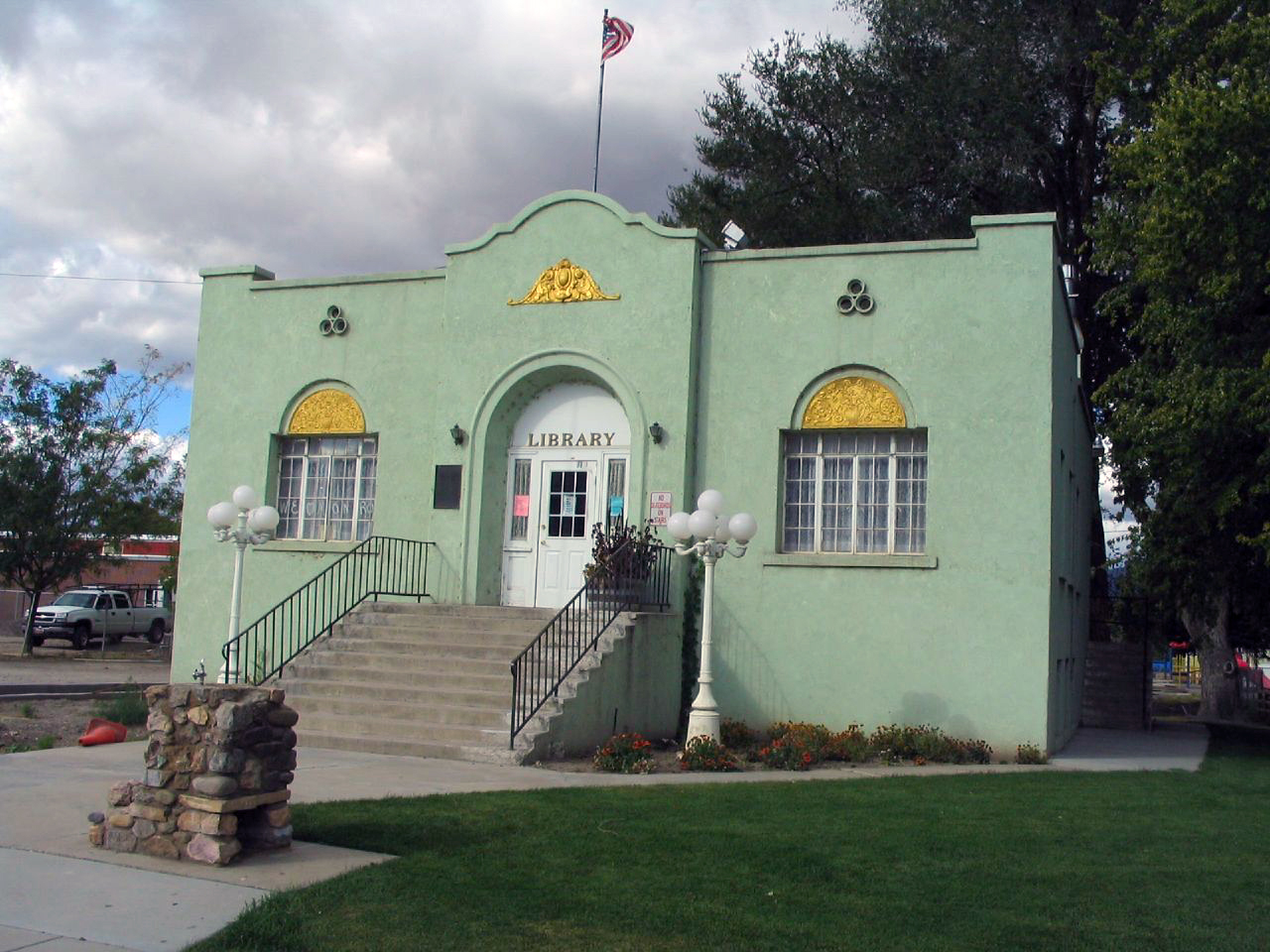
Photos of Monroe


Overview of Monroe
Monroe is a small town in Sevier County, Utah, with a population of roughly 2,200 residents. It sits in the Sevier Valley, a high-desert basin framed by red rock cliffs, sage-covered hills, and irrigated hay and alfalfa fields, giving it the quiet, agricultural character typical of central Utah's rural communities. The town serves as a low-key waystation for travelers moving between some of the state's most celebrated outdoor destinations, and it is best known as a friendly, budget-friendly base for visitors heading south into red rock country. Monroe lies about 160 miles south of Salt Lake City, reached via Interstate 70 and US Highway 89, and is roughly fifteen minutes south of Richfield, the county seat.
One of the marquee draws within easy reach of Monroe is Capitol Reef National Park, located approximately sixty to seventy miles south of town, or just over an hour by car. The park stretches along the Waterpocket Fold, a 100-mile wrinkle in the earth's crust, and offers a quieter, less-crowded alternative to Utah's other "Mighty 5" national parks. Visitors come for the scenic drive through Capitol Gorge, the towering white sandstone cliffs, the historic Fruita district with its working orchards, and hikes such as Hickman Bridge and Cassidy Arch.
To the southwest, Fishlake National Forest covers a broad swath of forested high country roughly forty to fifty miles from Monroe, with the lake itself about an hour's drive away. Fish Lake is one of the largest natural mountain lakes in Utah and is popular for rainbow and lake trout fishing, summer camping, and fall foliage viewing in its surrounding aspen groves. In winter, the forest's higher elevations draw snowmobilers and cross-country skiers, giving the area a year-round appeal.
Closer to town, the Monroe area is also known for its natural hot springs, which have drawn visitors for generations. The warm, mineral-rich pools along the Sevier River corridor offer a relaxed, off-the-beaten-path soak and reflect the geothermal character of the wider Sevier Valley. For travelers needing a broader range of services, Richfield, the nearest larger town, sits about ten miles north and provides grocery stores, chain restaurants, and the kind of small-town amenities that complement a stay in Monroe.
Monroe's appeal as a short-term-rental base comes down to its combination of small-town quiet and central positioning within a remarkable outdoor corridor. Visitors who stay here can spend mornings exploring the cliffs and orchards of Capitol Reef, afternoons fishing or hiking in the Fishlake high country, and evenings soaking in the local hot springs, all while enjoying a slower pace and noticeably lower rates than the gateway towns immediately outside the major parks.
Want to know if a property in Monroe is a good investment?
Enter an address to get instant revenue potential and comps.