
San Augustine, Texas
Want to see how San Augustine compares to other top cities in Texas? Explore all city regulations in Texas. →
San Augustine, TX
Very Investor Friendly
STR Regulations for San Augustine, Texas
Overview: Are Short-Term Rentals Allowed in San Augustine, TX?
Yes. Short-term rentals (rentals of fewer than 30 consecutive days) are allowed in San Augustine, Texas. None of the provided sources identify city- or county-level short-term rental ordinances or permit regimes for San Augustine. As a result, operation is governed by general Texas law and any applicable local taxes.
Important: Always verify whether your property lies within the City of San Augustine limits or within San Augustine County’s unincorporated area. If inside the city, check with City Hall for any local taxes or nuisance-related ordinances that might affect STR operation.
What do Airbnb hosts actually earn in San Augustine?
San Augustine hosts earn a median $21,517/year with $67 ADR and 85% occupancy.
Top performers pull in $26,134+ per year.
See the full San Augustine market breakdown1) How to Start a Short-Term Rental Business in San Augustine
- Confirm your STR is permitted
- Determine whether your property is inside the City of San Augustine or in unincorporated San Augustine County.
- In the absence of a published local STR permit system, STRs are generally permitted under Texas law for stays fewer than 30 days. If inside the city, confirm no local licensing or nuisance regulations apply (none were found in the provided sources).
- Tax registration and compliance
- Register with the Texas Comptroller to collect and remit Hotel Occupancy Tax (HOT).
- If the property is inside the City of San Augustine, register with the City Finance/Tax department to collect and remit local hotel occupancy tax. If located outside city limits in unincorporated county areas, Texas state HOT still applies but there is no county hotel tax.
- Insurance and safety
- Carry liability insurance appropriate for a STR.
- Adhere to life-safety codes (smoke/CO detectors, fire extinguishers, egress, electrical/plumbing/fire safety). Inspection requirements are not specified for San Augustine in the provided sources.
- Preparation and marketing
- Prepare the property for reliable guest turnover (cleaning, maintenance, furnishings).
- List on reputable platforms (e.g., Airbnb, Vrbo).
- Create clear house rules (noise, occupancy, parking, events).
- Compliance maintenance
- Remit state and local hotel occupancy taxes on time.
- Keep records for at least four years.
- Avoid complaints that could trigger nuisance enforcement.
2) Required Documents, Permits, Licenses, and Guidelines
Documents/requirements for San Augustine STRs are governed primarily by Texas law and state/local tax agencies. The provided sources do not show a city-specific STR licensing system.
- City/County
- Permits: No city- or county-specific STR permit program was identified in the provided sources. Confirm directly with the City of San Augustine or San Augustine County in case any local licensing has been adopted after the date of the provided sources.
- Business license: Check with the City of San Augustine to confirm if a general business license is required for STR operators within the city limits.
- Safety compliance: Adhere to applicable building, fire, health, electrical, and plumbing codes for rental housing (no San Augustine–specific inspection program identified).
- State (Texas)
- Hotel Occupancy Tax (HOT) registration: Register with the Texas Comptroller to collect and remit state HOT (6% of the price paid for a room).
- Sales tax: Not generally applicable to room rentals; however, taxes on ancillary items (e.g., parking, pet fees) may require a Sales Tax Permit and remittance. Register for Sales Tax with the Texas Comptroller if you separately sell taxable goods/services.
- Federal
- Income reporting: File federal income taxes and report STR income. Federal 1099-K reporting thresholds may apply depending on your total processing volume.
- If you accept bookings through third-party platforms that issue 1099-Ks, make sure your taxpayer information (name/SSN/EIN) is correctly set up.
- Utilities and municipal services
- Establish service accounts (electric, water, gas, sewer, trash). Confirm trash collection schedules, and ensure occupancy limits, parking, and quiet hours are communicated to guests.
3) Specific Regulations for Short-Term Rentals — City, County, and State
- City of San Augustine
- No city-specific STR ordinance, permit system, or inspection program was identified in the provided sources. Operators should verify with City Hall to confirm no new licensing, safety-inspection, or nuisance regulations have been adopted.
- If inside city limits, local hotel occupancy tax may apply; obtain local registration details from City Finance/Tax Administration.
- San Augustine County
- The provided sources do not identify county-specific STR licensing or hotel occupancy tax. Operators in unincorporated areas must comply with state tax requirements and general property and nuisance laws.
- State of Texas
- Short-term rentals (fewer than 30 days) are generally allowed under state law, with local municipalities empowered to regulate aspects such as registration, inspections, occupancy limits, and nuisance/enforcement mechanisms.
- Hotel Occupancy Tax: 6% state HOT applies to the price paid for a room. Operators must collect it from guests and remit it to the Texas Comptroller.
- Advertising requirements and labeling: In many Texas cities with active STR ordinances, advertisements must include the local permit number and occupancy limits; this does not appear to be required in San Augustine, but it is prudent to display occupancy limits in your listing and to include house rules.
- Enforcement: Municipalities can enforce against nuisances (noise, trash, parking, illegal parties), even in the absence of an STR-specific ordinance.
4) Contact Information (Local Authority)
- City of San Augustine (municipal taxes/fees if any)
- Phone: 936-275-5476
- Address: 304 E. Market St., San Augustine, TX 75972
- Website: www.cityofsa.us
- San Augustine County (county-level questions)
- Phone: 936-275-3352
- Address: 100 W. Columbia St., San Augustine, TX 75972
- Website: www.co.san-augustine.tx.us
5) Key Tax and Registration Resources
- Hotel Occupancy Tax (Texas)
- Texas Comptroller — HOT: comptroller.texas.gov/taxes/hotel/
- Basic HOT overview (Comptroller): comptroller.texas.gov/taxes/hotel/overview.php
- Local Hotel Occupancy Tax
- If inside the City of San Augustine limits, verify whether the City assesses a local hotel/motel tax and obtain remittance forms and procedures from the City Finance/Tax Administration.
6) Source Pages (IMPORTANT)
- Texas Hotel & Lodging Association — STR Update 2018 (Texas context): texaslodging.com/short-term-rental-str-update-2018/
- Texas Comptroller — Hotel Occupancy Tax program page: comptroller.texas.gov/taxes/hotel/
- Texas Comptroller — Hotel Occupancy Tax overview: comptroller.texas.gov/taxes/hotel/overview.php
- City of San Augustine official site: www.cityofsa.us
Notes
- The provided sources do not indicate any city- or county-specific short-term rental ordinances for San Augustine, Texas. Treat this as a permissive market at the local level but confirm tax status and any local business licensing or nuisance provisions with City Hall.
- Hotel occupancy tax is mandatory and must be collected and remitted if you rent a room for fewer than 30 days. Failure to comply can lead to penalties and interest.
- San Augustine County’s unincorporated areas do not appear to levy a county hotel occupancy tax, but many unincorporated areas inside city limits do require local HOT remittance.
- Always maintain accurate guest records, receipts, and tax remittance documentation for at least four years (Comptroller recommendation).
Next step
Found a property in San Augustine?
Paste any address and get estimated revenue, cash-on-cash return, and comparable STR performance in under 5 minutes. 3 free analyses per day.
Free brief
Get the free San Augustine STR Investment Brief
Revenue data, top neighborhoods, seasonal trends, and the key regulations for San Augustine, Texas in one email.
San Augustine
Market Saturation Score
Photos of San Augustine

Overview of San Augustine
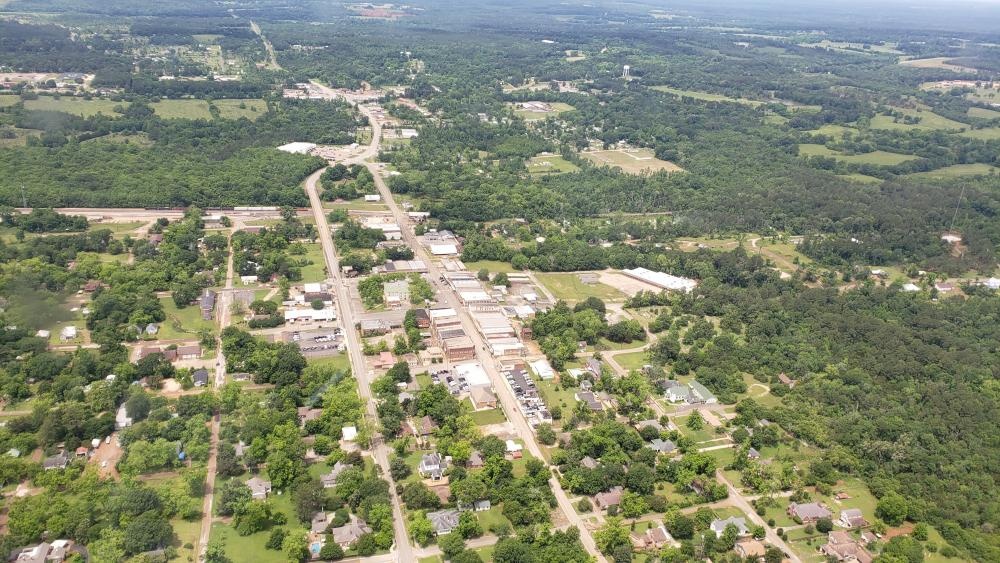
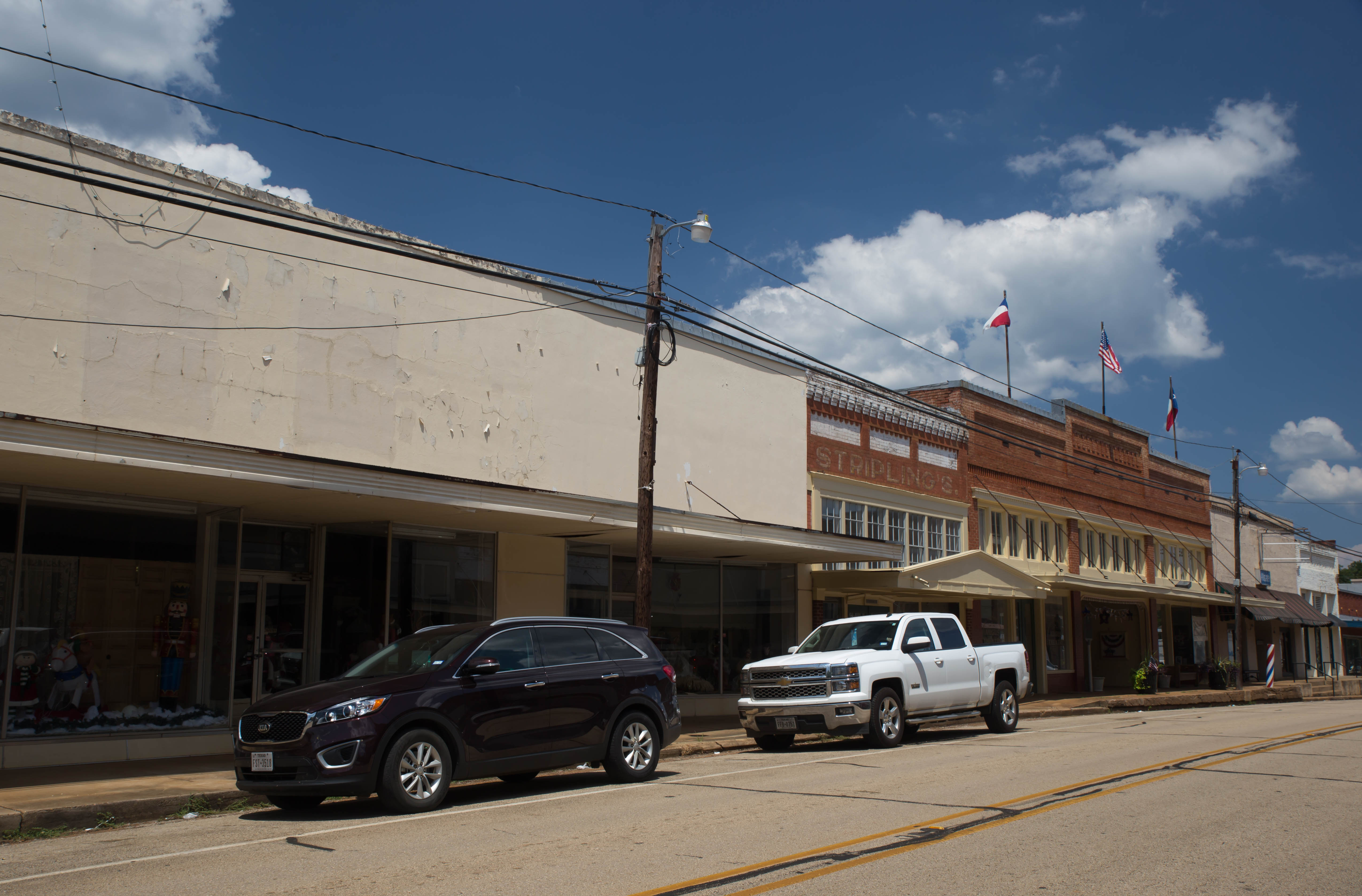
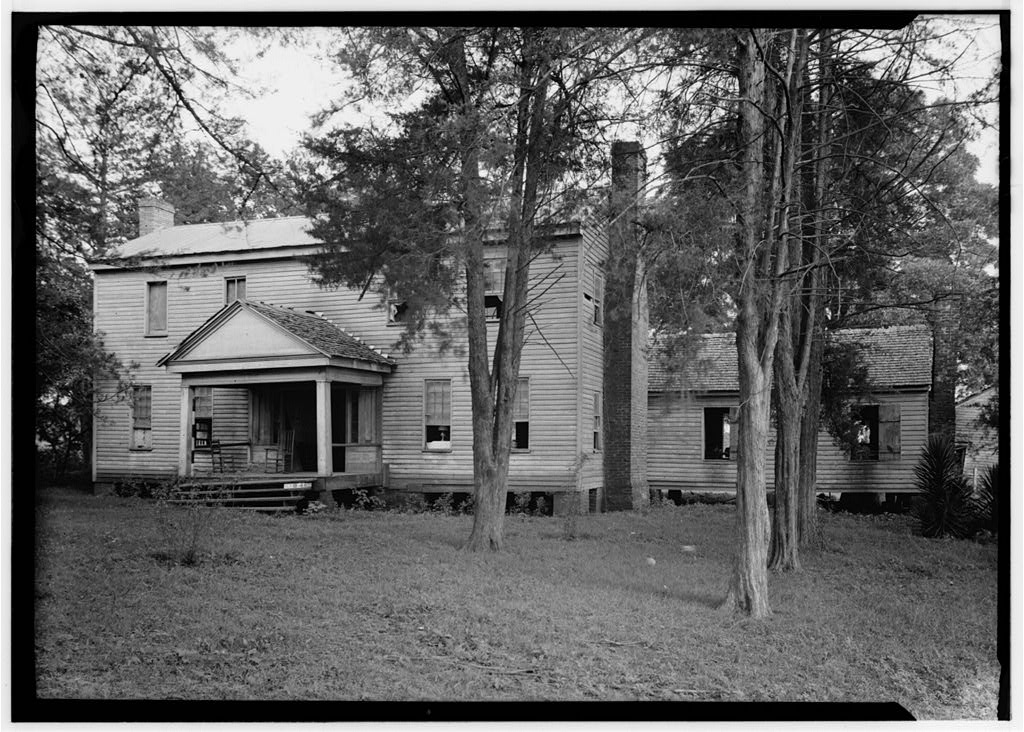
San Augustine is a small historic town nestled in the Piney Woods of East Texas, serving as the county seat of San Augustine County. With a population of approximately 2,000 residents, it carries the unhurried, weathered character of a place where early Texas history still feels close at hand. Often cited as one of the oldest Anglo-American communities in Texas, the town has preserved much of its 19th-century architecture and small-town feel, drawing visitors interested in frontier-era history and the natural beauty of the surrounding forest country. San Augustine sits roughly 150 miles northeast of Houston and about 70 miles southwest of Shreveport, Louisiana, and functions as a quiet gateway to the larger lakes, forests, and historic sites of the East Texas region.
One of the most significant draws in the immediate area is Mission Dolores State Historic Site, located within the town itself. The site preserves the remains of a Spanish mission established in the 18th century to serve the Neches and other local Indigenous peoples, and it includes a small visitor center and interpretive grounds that illuminate the Spanish colonial and mission era in East Texas. It is a free, walkable stop just a few minutes from the town square.
Just a short drive northwest of San Augustine, Sam Rayburn Reservoir offers a much different experience: it is one of the largest lakes in Texas by surface area and is widely regarded as a top bass-fishing destination in the state. The lake, roughly 25 to 30 minutes from town, is ringed by marinas, public parks, and campgrounds, and it draws boaters, anglers, and families throughout the warmer months.
To the north and east, the Sabine National Forest spreads across hundreds of thousands of acres of longleaf pine and hardwood bottomland. The forest, which begins within a half-hour drive of San Augustine, offers hiking, hunting, birding, and a series of small lakes and scenic byways that showcase the Piney Woods at their most expansive.
For travelers, San Augustine works well as a base for short-term rentals because it sits at the intersection of three distinct draws: deep Texas history in the form of preserved mission and frontier-era sites, the outdoor recreation of a major reservoir and a large national forest, and the small-town East Texas atmosphere that visitors often crave as an antidote to the busy Gulf Coast or Hill Country. Its position along the route between Houston and Shreveport, combined with its proximity to the lake and forest, gives it a year-round appeal for history-minded road-trippers, fishermen, and families looking to explore a quieter, more historic corner of the state.
Want to know if a property in San Augustine is a good investment?
Enter an address to get instant revenue potential and comps.