
Fort Davis, Texas
Want to see how Fort Davis compares to other top cities in Texas? Explore all city regulations in Texas. →
Fort Davis, TX
Very Investor Friendly
STR Regulations for Fort Davis, Texas
Overview: Short-term rentals are allowed in Fort Davis, TX. There are no city-specific short-term rental regulations in the current sources provided; operations are governed primarily by Texas state law and Jeff Davis County rules (notably hotel occupancy tax collection and remittance). Fort Davis is a low-regulation market with strong seasonality, and the local setting includes unique considerations such as light pollution controls associated with the McDonald Observatory.
This guide provides a practical, compliance-focused roadmap for investors, with explicit references to city, county, and state obligations and a focus on practical steps to launch and operate legally.
Market Snapshot (for investor planning)
- Regulation level: Low (fewer city-level restrictions; taxes apply)
- Seasonality: Peak demand in March–May and September–November; slower periods in mid-summer and winter
- Target guest profile: History and nature enthusiasts; stargazing; small-town authenticity; couples and small groups
- Operations note: Balancing modern comforts with local character is key to guest satisfaction and reviews
What do Airbnb hosts actually earn in Fort Davis?
Fort Davis hosts earn a median $27,303/year with $176 ADR and 49% occupancy.
Top performers pull in $38,493+ per year.
See the full Fort Davis market breakdownHow to Start a Short-Term Rental Business in Fort Davis, TX
-
Confirm zoning and property suitability
- Ensure your property is in a zoning classification that permits transient lodging. The provided sources do not specify local zoning constraints; however, the low-regulation status and absence of a city-specific STR ordinance suggest typical residential STR activity is feasible. Verify with the City of Fort Davis or Jeff Davis County to confirm no zoning or HOA restrictions limit STR use.
-
Register for tax accounts and set up tax collection
- Texas Hotel Occupancy Tax (state): Register with the Texas Comptroller to collect and remit the 6% state hotel occupancy tax on rentals of fewer than 30 days.
- Jeff Davis County Hotel Occupancy Tax (local): Register with Jeff Davis County to collect and remit the 2% county hotel occupancy tax (in addition to the state tax).
- Timeline: Complete tax registrations before listing your property or start of operations.
-
Build a compliant business foundation
- Open a dedicated bank account and accounting system to track rental income and local tax remittances.
- Set up tax calculation logic in your booking stack (platform or property management system) to automatically collect both taxes at booking.
- Implement internal controls for timely monthly remittance and recordkeeping.
-
Prepare the property
- Safety and comfort essentials: functional smoke alarms, carbon monoxide detectors, fire extinguisher, reliable HVAC, high-speed WiFi, and on-premises parking are expected by guests and can influence bookings.
- Consider light pollution sensitivities associated with the McDonald Observatory if exterior lighting is part of your amenity set (see Regulations section).
- For remote locations, provide fully equipped kitchens, clear check-in instructions, and a guest information binder with local tips.
-
Listing optimization and channel strategy
- Emphasize unique local features: proximity to the Fort Davis National Historic Site, Davis Mountains State Park, and McDonald Observatory; outdoor spaces for stargazing; pet-friendly policies if applicable.
- Tailor messaging to the dominant guest profile: couples/small groups, astronomy enthusiasts, and nature lovers.
- Maintain high responsiveness and strong cleaning standards to secure positive reviews and repeat bookings.
-
Compliance and operations monitoring
- Track booking dates to confirm 30-day threshold for tax applicability.
- Monitor local rule changes; although current sources do not show city-specific STR regulations, such rules may evolve.
- Maintain documentation (invoices, reservation records, tax remittances) to support audits.
Required Documents, Permits, Licenses, and Guidelines
-
State of Texas
- Hotel Occupancy Tax registration with the Texas Comptroller
- Collection and remittance of 6% state hotel occupancy tax for stays under 30 days
- Statewide sales/use tax considerations typically do not apply to charges for lodging; focus on HOT compliance
- Source reference: Texas Hotel & Lodging Association (THLA) STR update (state overview and municipal context)
-
Jeff Davis County
- Hotel Occupancy Tax registration and remittance
- Collection and remittance of 2% county hotel occupancy tax in addition to state taxes
- County contact details may be needed for registration and forms (no website provided in sources)
-
City of Fort Davis
- No specific short-term rental ordinance is identified in the provided sources
- Hosts should verify zoning and any city-level business licensing requirements directly with the City
-
Operating guidelines implied by local context
- Taxes: Total 8% hotel occupancy tax (6% state + 2% county) must be collected and remitted for rentals under 30 days
- Community considerations: As the market is in a small-town setting, maintain quiet hours, waste management, and parking practices that respect neighborhood character
- Light pollution awareness: Fort Davis is home to the McDonald Observatory; local ordinances aimed at reducing light pollution may impact exterior lighting and outdoor amenities. Confirm applicable provisions with city/county authorities
Source references for document and compliance frameworks:
- www.gosummer.com/vacation-rental-management/fort-davis-texas
- bigbendsentinel.com/2020/10/07/short-term-rental-owners-push-back-as-council-workshops-new-ordinance/
- texaslodging.com/short-term-rental-str-update-2018/
Specific Regulations: City, County, and State
-
City of Fort Davis
- No explicit city-level short-term rental ordinance was found in the provided sources
- Confirm zoning and any future city rules (e.g., registration, safety inspections) before launching
- Source reference for absence of city-specific rules: www.gosummer.com/vacation-rental-management/fort-davis-texas
-
Jeff Davis County
- County hotel occupancy tax (2%) applies to STRs renting fewer than 30 days
- Collect and remit county tax in addition to state tax
- Contact Jeff Davis County for registration and reporting guidance (no county website or contact provided in sources)
- Source reference: www.gosummer.com/vacation-rental-management/fort-davis-texas
-
State of Texas
- Hotel Occupancy Tax (6%) applies to STRs renting fewer than 30 days
- Register with the Texas Comptroller and remit monthly
- Regulatory landscape: cities such as Austin and Grapevine have defended or litigated STR-related ordinances; statewide discussions continue, but the current sources provide no Fort Davis–specific state mandates beyond tax collection
- Source reference: texaslodging.com/short-term-rental-str-update-2018/
-
Unique local considerations
- Light pollution control near the McDonald Observatory may restrict exterior lighting or luminance levels; confirm any applicable city/county requirements
- Small-town context: prioritize guest conduct guidelines and quiet enjoyment to preserve neighborhood character
Local Authority Contact Information (for tax and regulations)
-
Texas Comptroller (State Hotel Occupancy Tax)
- Phone: As listed on the Comptroller’s HOT program page
- Website: comptroller.texas.gov/taxes/hotel/
- Notes: Register for state HOT, file, and remit online; obtain monthly reporting guidance and deadlines
-
Jeff Davis County (County Hotel Occupancy Tax)
- Contact: County tax assessor-collector or county administration
- Email/phone: Not provided in sources; verify via county official channels
- Notes: Confirm registration forms, reporting periods, and remittance procedures
-
City of Fort Davis
- Contact: City clerk or planning/zoning department
- Phone/email/website: Not provided in sources
- Notes: Confirm zoning, any business licensing or future STR ordinances, and light pollution ordinance details
Note: Direct contact details for Jeff Davis County and the City of Fort Davis were not provided in the sources. Obtain current information through official county and city channels before launching.
Source Links (for verification and updates)
- www.gosummer.com/vacation-rental-management/fort-davis-texas
- bigbendsentinel.com/2020/10/07/short-term-rental-owners-push-back-as-council-workshops-new-ordinance/
- texaslodging.com/short-term-rental-str-update-2018/
- www.gowithsurge.com/airbnb-management/fort-davis-texas
- www.airroi.com/report/world/united-states/texas/fort-davis
Practical Compliance Checklist
- Confirm zoning permits transient lodging
- Register for state HOT (6%) with Texas Comptroller
- Register for Jeff Davis County HOT (2%)
- Set automated tax collection at booking
- Prepare safety and comfort essentials (smoke/CO alarms, extinguisher, HVAC, WiFi, parking)
- Review light pollution considerations for exterior lighting
- Establish internal records for tax remittance and guest stays
- Monitor city/county policy updates for new STR rules
- Maintain guest communication and clean turnover standards to optimize reviews
By adhering to the above, investors can launch and operate short-term rentals in Fort Davis within current regulatory expectations while aligning operations to market seasonality and local community values. Given the dynamic nature of municipal policies, confirm the latest requirements with the City of Fort Davis and Jeff Davis County before commencing operations.
Next step
Found a property in Fort Davis?
Paste any address and get estimated revenue, cash-on-cash return, and comparable STR performance in under 5 minutes. 3 free analyses per day.
Free brief
Get the free Fort Davis STR Investment Brief
Revenue data, top neighborhoods, seasonal trends, and the key regulations for Fort Davis, Texas in one email.
Fort Davis
Market Saturation Score
Photos of Fort Davis


Overview of Fort Davis
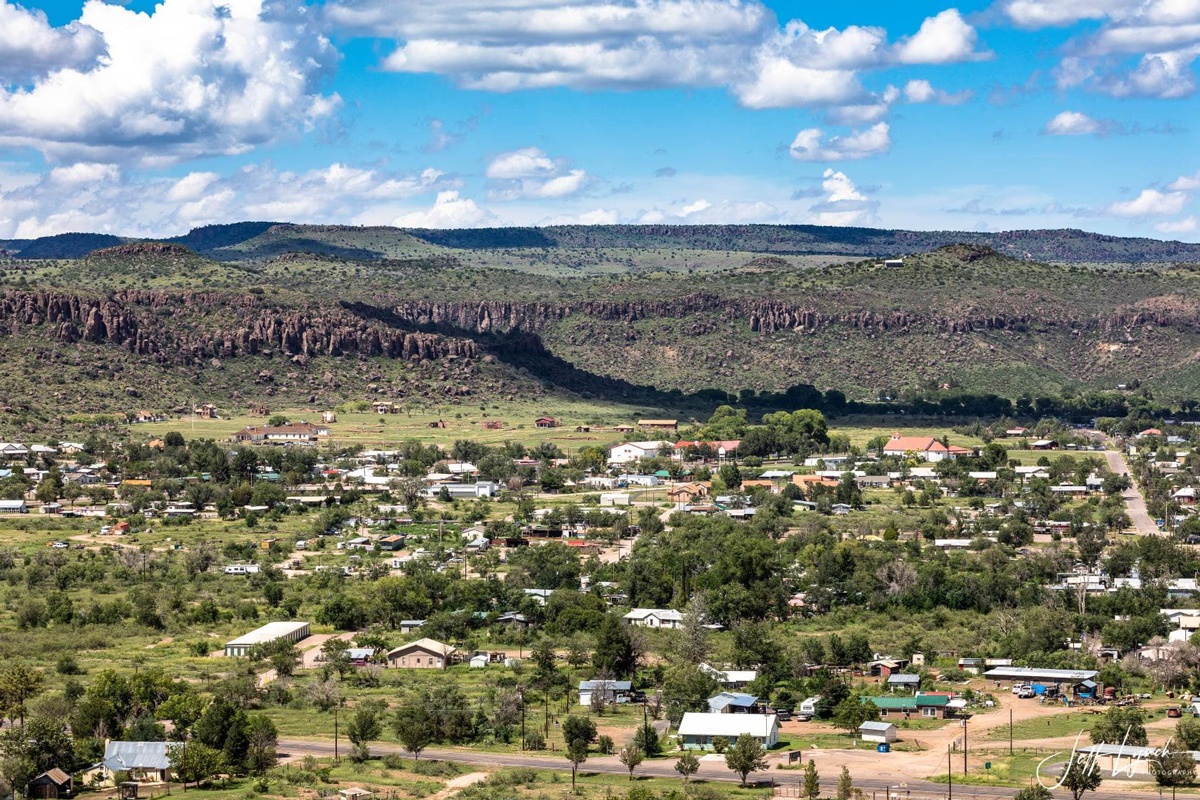
Fort Davis is a small, high-elevation town nestled in the Davis Mountains of West Texas and serves as the seat of Jeff Davis County. With a population of roughly 1,200 residents, it has a quiet, frontier-era character that draws visitors seeking dark skies, cool mountain air, and proximity to some of the most remote landscapes in the state. The town is best known as the home of the McDonald Observatory and as a convenient stopping point for travelers heading to Big Bend National Park. It sits approximately 175 miles southeast of El Paso and roughly 150 miles south of Midland–Odessa, making it feel pleasantly detached from any major metropolitan area.
One of the most celebrated draws in the area is the McDonald Observatory, located on Mount Locke and Mount Fowlkes about 17 miles northwest of town. Operated by the University of Texas at Austin, the observatory offers daytime tours, evening star parties, and telescope viewing through some of the largest research instruments in North America. Its location in one of the darkest night-sky regions of the continental United States makes it a destination for astronomy enthusiasts year-round.
Just minutes from the town center, Fort Davis National Historic Site preserves one of the best examples of a frontier military post in the American Southwest. The fort was active from 1854 to 1891 and played a role in the transportation routes, military campaigns, and interactions with the Apache that shaped the region. Visitors can explore restored officers' quarters, barracks, and a museum, all set against the dramatic backdrop of the Davis Mountains.
Adjacent to the historic site lies Davis Mountains State Park, a 2,700-acre preserve known for its wooded canyons, scenic drives, and a network of hiking trails. The park also contains Indian Lodge, a historic adobe-style hotel built in the 1930s by the Civilian Conservation Corps, which itself is considered a landmark of Texas park architecture. Together, the state park and the surrounding national forest lands offer some of the most extensive high-country hiking and camping opportunities in West Texas.
Further south, Fort Davis serves as a northern gateway to Big Bend National Park, which lies roughly 100 miles away along scenic byways that descend from the mountains into the Chihuahuan Desert. The park, with its namesake gorge along the Rio Grande, dramatic Chisos Mountains, and vast desert vistas, draws travelers who often choose Fort Davis as a base for acclimating to the region's elevation and climate before continuing their journey.
Fort Davis makes a compelling base for short-term rentals because it combines genuine small-town character with three of West Texas's marquee attractions within easy reach. Visitors come for the stars, the frontier history, and the cool mountain air, but stay for the sense of escape that only a high-desert village can provide. With reliable demand from observatory visitors, history buffs, and Big Bound-bound road-trippers, the town offers short-term-rental owners a steady and varied guest base throughout much of the year.
Want to know if a property in Fort Davis is a good investment?
Enter an address to get instant revenue potential and comps.