
Bristol, Tennessee
Want to see how Bristol compares to other top cities in Tennessee? Explore all city regulations in Tennessee. →
Bristol, TN
Generally Investor Friendly
STR Regulations for Bristol, Tennessee
Overview
Short-term rentals ARE allowed in Bristol, TN. However, the regulatory landscape for Airbnb, VRBO, and similar platforms in Bristol, Tennessee operates under a framework that prioritizes existing general regulations rather than city-specific ordinances. As of early 2025, Bristol does not maintain comprehensive, dedicated short-term rental ordinances, which means investors must navigate a combination of state requirements, county regulations, and general municipal rules.
This regulatory approach places greater responsibility on hosts to ensure compliance across multiple jurisdictions and understanding the various tax implications, licensing requirements, and operational standards that apply to short-term rental operations in Bristol.
What do Airbnb hosts actually earn in Bristol?
Bristol hosts earn a median $24,163/year with $155 ADR and 53% occupancy.
Top performers pull in $33,887+ per year.
See the full Bristol market breakdownStarting a Short-Term Rental Business in Bristol, TN
Step-by-Step Process
1. Initial Assessment and Due Diligence
- Verify property zoning allows rental activity under Bristol's general zoning ordinance
- Review HOA bylaws and deed restrictions that may prohibit or restrict STR operations
- Assess property suitability for short-term rental use (safety, parking, access)
- Evaluate market demand based on Bristol's tourism drivers (Birthplace of Country Music, Bristol Motor Speedway, Appalachian outdoor activities)
2. Legal Compliance Framework
- Register for applicable business licenses at city and county levels
- Obtain required insurance coverage meeting Tennessee state minimums
- Establish tax collection and remittance procedures for multiple tax authorities
- Ensure property meets safety code requirements
3. Operational Setup
- Install required safety equipment (smoke detectors, carbon monoxide detectors, fire extinguishers)
- Develop guest policies addressing noise, parking, and occupancy limits
- Create emergency contact procedures for guests and neighbors
- Establish cleaning and maintenance protocols
4. Platform Registration and Marketing
- List property on chosen platforms (Airbnb, VRBO, etc.)
- Develop competitive pricing strategy accounting for Bristol's seasonal demand patterns
- Create comprehensive property descriptions highlighting local attractions
- Implement guest screening procedures
5. Ongoing Compliance Management
- Monitor tax remittance deadlines and requirements
- Maintain safety equipment and property standards
- Respond promptly to guest inquiries and issues
- Stay updated on regulatory changes at city, county, and state levels
Required Documents, Permits, Licenses, and Guidelines
Business Licenses
- Bristol City Business License: Required for renting property more than 30 days total per calendar year; verify specific requirements with Bristol Business Licensing Department
- Sullivan County Business License: Required for business operations within county limits
- Application typically requires identification, proof of property ownership/lease, and payment of applicable fees
Tax Registration and Compliance
- Tennessee Department of Revenue Registration: Required for sales tax collection and remittance
- Business Tax Registration: May be required based on annual gross receipts threshold
- Local Hotel/Motel Tax Registration: Required for transient occupancy tax collection
Safety and Code Compliance
- Property must meet all residential building codes and safety standards
- Installation and maintenance of required safety equipment:
- Smoke alarms in all sleeping areas and common areas
- Carbon monoxide detectors where fuel-burning appliances or attached garages exist
- Fire extinguishers accessible on each floor
- Regular inspection rights may apply for code enforcement
Insurance Requirements
- Liability insurance minimums as established by Tennessee state law
- Property insurance coverage for structure and contents
- Host insurance through rental platforms may provide additional coverage but should not replace comprehensive independent coverage
Specific Regulations for Bristol, TN
City-Level Requirements
Business Licensing: Bristol requires business licensing for rental operations exceeding 30 days annually. Given that most STR operations easily exceed this threshold, investors should plan to obtain both city and county business licenses regardless of actual usage.
Zoning Compliance: STR operations must conform to the property's existing zoning designation. Investors should verify with Bristol Planning and Development Services that the intended use complies with local zoning requirements, parking standards, and occupancy limits.
Noise Ordinance: Bristol maintains noise ordinances that apply to all residential properties. STR hosts must ensure guest behavior complies with established quiet hours and maximum noise levels to avoid violations and neighbor complaints.
County-Level Requirements (Sullivan County)
Business Tax: Sullivan County may impose business tax obligations based on annual gross receipts. The threshold amounts and rates should be verified with the Sullivan County Clerk's office.
Local Sales Tax: Sullivan County imposes local sales tax in addition to state requirements. Current rates should be confirmed with the Tennessee Department of Revenue as rates may change.
State-Level Regulations (Tennessee)
Short-Term Rental Definition: Under Tennessee law, any residential dwelling rented for fewer than 30 consecutive days is considered a short-term rental, triggering specific regulatory requirements.
Sales Tax Obligations: All STR income is subject to Tennessee's 7% state sales tax plus applicable local sales taxes. The gross rental amount including all mandatory fees is taxable.
Insurance Requirements: State law mandates minimum liability insurance coverage for STR operations. While specific minimums may vary, investors should verify current requirements with state authorities.
Marketplace Facilitator Responsibilities: Platforms like Airbnb and VRBO may collect and remit certain taxes on behalf of hosts, but investors remain responsible for compliance and any taxes not handled by platforms.
State-Level Regulations for Tennessee STRs
Safety Standards
Tennessee requires STR properties to maintain functional safety equipment including smoke detectors, carbon monoxide detectors, and accessible fire extinguishers. Properties may be subject to inspection by state or local authorities to ensure compliance.
Tax Framework
State Sales Tax: 7% tax applies to all STR gross receipts including nightly rates, cleaning fees, pet fees, and any other mandatory charges.
Business Tax: Tennessee's business tax applies to STR operations meeting specified gross receipts thresholds. This tax is distinct from income tax and requires separate registration and filing.
Marketplace Facilitator Laws: Platforms operating as marketplace facilitators must collect and remit applicable taxes for bookings made through their systems, though hosts remain responsible for taxes on direct bookings and any amounts not collected by platforms.
Local Tax Variation
Local sales tax rates vary by county and must be calculated based on the property's specific location. Sullivan County's current rate should be verified with state revenue authorities.
Contact Information
Bristol, Tennessee Local Authorities
Bristol City Hall
- Address: 801 Anderson Street, P.O. Box 1189, Bristol, TN 37620
- Phone: (423) 989-5500
- Fax: (423) 989-5506
- Website: www.bristoltn.gov
Bristol Planning and Development Services
- Contact through Bristol City Hall at (423) 989-5500
- Responsible for zoning compliance, business licensing inquiries
Bristol Finance Department
- Contact through Bristol City Hall at (423) 989-5500
- Handles local business tax questions and municipal fee inquiries
Sullivan County Authorities
Sullivan County Clerk
- Address: Sullivan County Courthouse, Blountville, TN
- Phone: Contact through county main line
- Responsible for county business licensing
Sullivan County Finance Department
- Handles county sales tax and business tax inquiries
- Contact through county main office
State-Level Authorities
Tennessee Department of Revenue
- Website: www.tn.gov/revenue.html
- Phone: Contact through main number listed on website
- Responsible for sales tax registration, business tax, and tax compliance
Tennessee Department of Commerce and Insurance
- Handles licensing and safety code enforcement
- Contact through main office for STR-specific requirements
Source References
- Tri-Cities TN Home STR Guide: tri-citiestnhome.com/short-term-rental-tri-cities-tn/
- Bristol, TN Official Website - Rental Rules: www.bristoltn.gov/674/Rental-Rules
- Summer Vacation Rental Management Bristol Guide: www.gosummer.com/vacation-rental-management/bristol-tennessee
Important Disclaimers: This guide reflects information available as of early 2025. STR regulations are subject to change, and investors should verify all requirements with current local, county, and state authorities before making investment decisions. The absence of specific Bristol ordinances does not exempt operators from compliance with applicable general regulations and tax obligations. Professional legal and tax consultation is recommended for comprehensive compliance planning.
Next step
Found a property in Bristol?
Paste any address and get estimated revenue, cash-on-cash return, and comparable STR performance in under 5 minutes. 3 free analyses per day.
Free brief
Get the free Bristol STR Investment Brief
Revenue data, top neighborhoods, seasonal trends, and the key regulations for Bristol, Tennessee in one email.
Bristol
Market Saturation Score
Photos of Bristol


Overview of Bristol
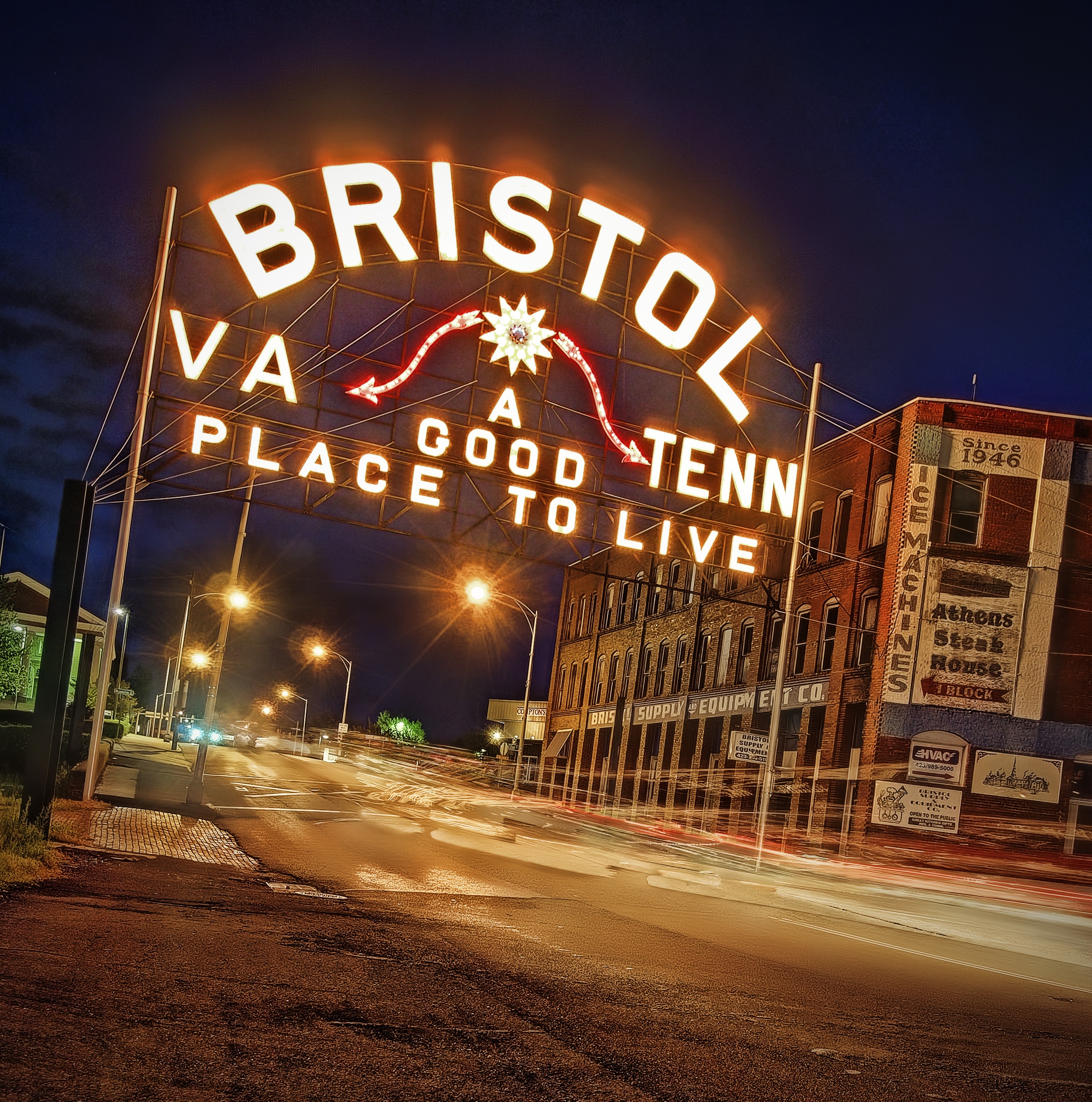
Bristol, Tennessee sits in the northeastern corner of the Volunteer State in Sullivan County, forming a unique twin city with Bristol, Virginia along a single downtown street. With a population of roughly 27,000, the city carries the laid-back pace of a small Appalachian community while serving as a gateway to the outdoor recreation of the Southern Appalachians. Bristol is best known as the "Birthplace of Country Music," a title rooted in the famous 1927 Bristol Sessions recording sessions, and as the home of one of NASCAR's most storied venues. The nearest major city is Knoxville, located approximately 100 miles to the southwest.
Bristol Motor Speedway anchors the local identity every bit as firmly as the music heritage. The half-mile concrete oval, sometimes called "The Last Great Colosseum," packs tens of thousands of fans into its grandstands twice a year for NASCAR Cup Series races, and it lies just minutes from the downtown core. Race weekends transform the entire region, with visitors spilling into surrounding neighborhoods, campgrounds, and rentals for several days at a stretch.
Just steps across the state line on State Street, the Birthplace of Country Music Museum is a Smithsonian-affiliated institution that preserves the legacy of the 1927 Bristol Sessions, the recordings often credited with launching commercial country music. The museum's interactive exhibits, vintage recordings, and live programming draw steady year-round interest from music history enthusiasts, and its location in the shared downtown makes it a natural anchor for visitors exploring on foot.
South Holston Lake spreads across the rolling foothills about 15 miles south of Bristol. The Tennessee Valley Authority reservoir is well known for trout and smallmouth bass fishing, and its wooded shoreline offers boating, paddling, and quiet campgrounds that contrast with the bustle of downtown. The surrounding ridges feed into the broader Cherokee National Forest and the Appalachian Trail, both of which draw day-trippers and longer-stay visitors to the area.
Steele Creek Park wraps around a small lake on the western edge of the city, providing walking trails, a disc golf course, a playground, and a nature center within roughly five minutes of the central business district. The park's mix of open green space and easy access makes it a popular spot for families staying in town, as well as a quiet retreat for visitors who want a low-key afternoon between downtown events and the larger outdoor destinations nearby.
Bristol's combination of music heritage, motorsports spectacle, and immediate access to Appalachian outdoor recreation makes it a versatile base for short-term rentals. Visitors arrive for NASCAR weekends, music heritage tourism, and fishing trips on South Holston, and they stay for the walkable downtown, the friendly small-town feel, and the easy reach of the Blue Ridge Mountains, Cherokee National Forest, and the Appalachian Trail just beyond the city limits.
Want to know if a property in Bristol is a good investment?
Enter an address to get instant revenue potential and comps.