
Holderness, New Hampshire
Want to see how Holderness compares to other top cities in New Hampshire? Explore all city regulations in New Hampshire. →
Holderness, NH
Generally Investor Friendly
STR Regulations for Holderness, New Hampshire
Overview: Are Short-Term Rentals Allowed in Holderness, NH?
Short-term rentals are allowed in Holderness, NH. There are no town-specific short-term rental ordinances or prohibitions identified in the provided materials, which means the baseline rules governing STRs in Holderness are set at the state level and apply uniformly. These include health and safety standards and state tax obligations such as New Hampshire’s 9% Meals and Rooms (Rentals) tax for stays of less than 185 consecutive days. If your property is in a homeowners association (HOA), additional private covenants may apply. Investors should monitor future municipal actions because New Hampshire municipalities have the authority to adopt short-term rental regulations, and several communities did so in 2024.
What do Airbnb hosts actually earn in Holderness?
Holderness hosts earn a median $27,974/year with $243 ADR and 48% occupancy.
Top performers pull in $46,815+ per year.
See the full Holderness market breakdownHow to Start a Short-Term Rental Business in Holderness
- Confirm eligibility and location fit:
- Confirm zoning compliance for your property’s use as a short-term rental. No local STR ban was identified for Holderness, but be prepared for municipal authority changes over time.
- If you have an HOA, review covenants and rules; HOAs may restrict short-term leasing regardless of municipal law.
- Register for state tax administration:
- Register with the New Hampshire Department of Revenue Administration to establish a business tax account for the 9% Meals and Rooms (Rentals) tax due on rentals under 185 consecutive days. This is a state-level requirement for short-term rentals.
- Prepare your property:
- Meet state health and safety standards for lodging. This includes safe electrical, heating, egress, sanitation, and general habitability. The provided materials do not specify local building or fire inspection requirements for Holderness; verify with town officials if local inspections or code compliance reviews apply.
- Consider snow management, lake access safety, and seasonal upkeep strategies given Holderness’s climate and location.
- Design your business and operations:
- Adopt dynamic, seasonally adjusted pricing strategies to align with Holderness’s summer peak and secondary winter activity, as well as autumn foliage demand.
- Plan for turnover logistics, cleaning, maintenance, guest communication, and inventory control. Properties with amenities such as kayaks, bicycles, outdoor seating, and fire pits tend to outperform in Holderness’s nature-forward market.
- Collect and remit taxes:
- Charge guests the 9% Meals and Rooms (Rentals) tax on rentals under 185 consecutive days and remit to the Department of Revenue Administration per state schedules.
- Ongoing compliance and monitoring:
- Stay current with Holderness’s municipal updates. While no STR-specific laws were identified, municipalities across New Hampshire have increased regulation of STRs, and Holderness could introduce rules.
- Maintain detailed records for taxes, bookings, and communications for at least the statutory retention period.
Required Documents, Permits, Licenses, and Guidelines
- State-level obligations:
- Business tax registration with the NH Department of Revenue Administration (for the 9% Meals and Rooms tax).
- Collection and remittance of the Meals and Rooms (Rentals) tax for rentals under 185 consecutive days.
- Health and safety:
- Compliance with applicable state lodging health and safety standards; ensure functional fire alarms, carbon monoxide detectors, safe heating and cooking facilities, clear egress routes, and proper sanitation.
- Local requirements:
- No specific town permits or licenses were identified in the provided materials. Verify with Holderness officials whether local inspections, business registrations, or other authorizations are required.
- HOA/private covenants:
- If the property is in an HOA, obtain any required approvals and adhere to leasing restrictions, quiet hours, parking, occupancy limits, and amenity-use policies.
- Good-practice operational guidelines:
- Develop guest policies (occupancy, quiet hours, parking, pet policies).
- Provide emergency contact information and local guidance (nearby hospitals, weather advisories, lake safety).
- Keep records of bookings, guest screening, tax remittances, and maintenance for at least the required statutory period.
Specific Regulations for Short-Term Rentals (City/County/State)
- Town (Holderness):
- The provided materials indicate Holderness has no specific short-term rental ordinance; the town does not appear among the 15 communities that adopted STR regulations in 2024. Investors must comply with state law and should confirm any local requirements with town officials.
- County (Grafton County):
- No county-specific short-term rental regulations are referenced in the provided materials. County rules, if any, typically relate to public health and safety (e.g., septic systems) rather than STR licensing.
- State (New Hampshire):
- Municipal authority: New Hampshire municipalities have zoning authority and can regulate land uses, including short-term rentals. While Holderness has not enacted STR-specific rules per the provided materials, municipalities across the state—including several tourist regions—have adopted regulations.
- Taxation: State law imposes a 9% Meals and Rooms (Rentals) tax on rentals of fewer than 185 consecutive days. Hosts must register and remit this tax.
- Definitions and local variance: Short-term rental definitions vary across statutes and local ordinances:
- RSA 48-A and related municipal references define “short-term rentals” for local zoning context (commonly less than 30 consecutive days).
- RSA 78-A sets tax applicability at fewer than 185 consecutive days for lodging stays.
- Enforcement and legal challenges: Court rulings in New Hampshire have upheld local ordinances against non-compliant STR operations. Municipalities may restrict or condition STRs through zoning. Non-compliance can lead to cease-and-desist orders or other enforcement actions.
Contact Information (Local Authority in Charge of STRs)
Given no town-specific STR authority or contact is identified in the provided materials, investors should first engage with Holderness’s town offices for confirmation of any local requirements. State-level resources for registration and taxation are provided below.
- Holderness Town Offices (for local zoning/ordinance verification)
- Website: See “Links to Source Pages” (Holderness official site)
- Phone/Email: Not provided in the materials; verify via the town’s official website or NH Municipal Association’s directory
- New Hampshire Department of Revenue Administration (Meals and Rooms/Rentals tax)
- Phone: Not provided in the materials
- Email: Not provided in the materials
- Website: See “Links to Source Pages” below
- NH Municipal Association (planning and zoning reference)
- Phone: (603) 224-7447
- Email: info@nhmunicipal.org
- Website: See “Links to Source Pages” below
Links to Source Pages (as provided)
- www.steadily.com/blog/airbnb-short-term-rental-laws-and-regulations-in-new-hampshire
- www.gosummer.com/vacation-rental-management/holderness-new-hampshire
- www.nhmunicipal.org/town-city-magazine/state-local-land-use-regulations-new-hampshire-2024-update
- www.nhmunicipal.org/sites/default/files/uploads/workshop-materials/short-term_rental_muncipal_regulations.pdf
- Holderness, NH (official site): See NH Municipal Association or directory of NH municipalities
Notes for Investors:
- Holderness’s strong seasonal demand—particularly summer lakes, autumn foliage, and secondary winter activity—makes it attractive for short-term rentals. Properties with lake-oriented amenities and winter readiness typically perform better.
- Because municipalities in New Hampshire can change or introduce STR rules, monitor local meeting minutes and ordinances. State tax and health/safety requirements remain the consistent baseline for compliance.
Next step
Found a property in Holderness?
Paste any address and get estimated revenue, cash-on-cash return, and comparable STR performance in under 5 minutes. 3 free analyses per day.
Free brief
Get the free Holderness STR Investment Brief
Revenue data, top neighborhoods, seasonal trends, and the key regulations for Holderness, New Hampshire in one email.
Holderness
Market Saturation Score
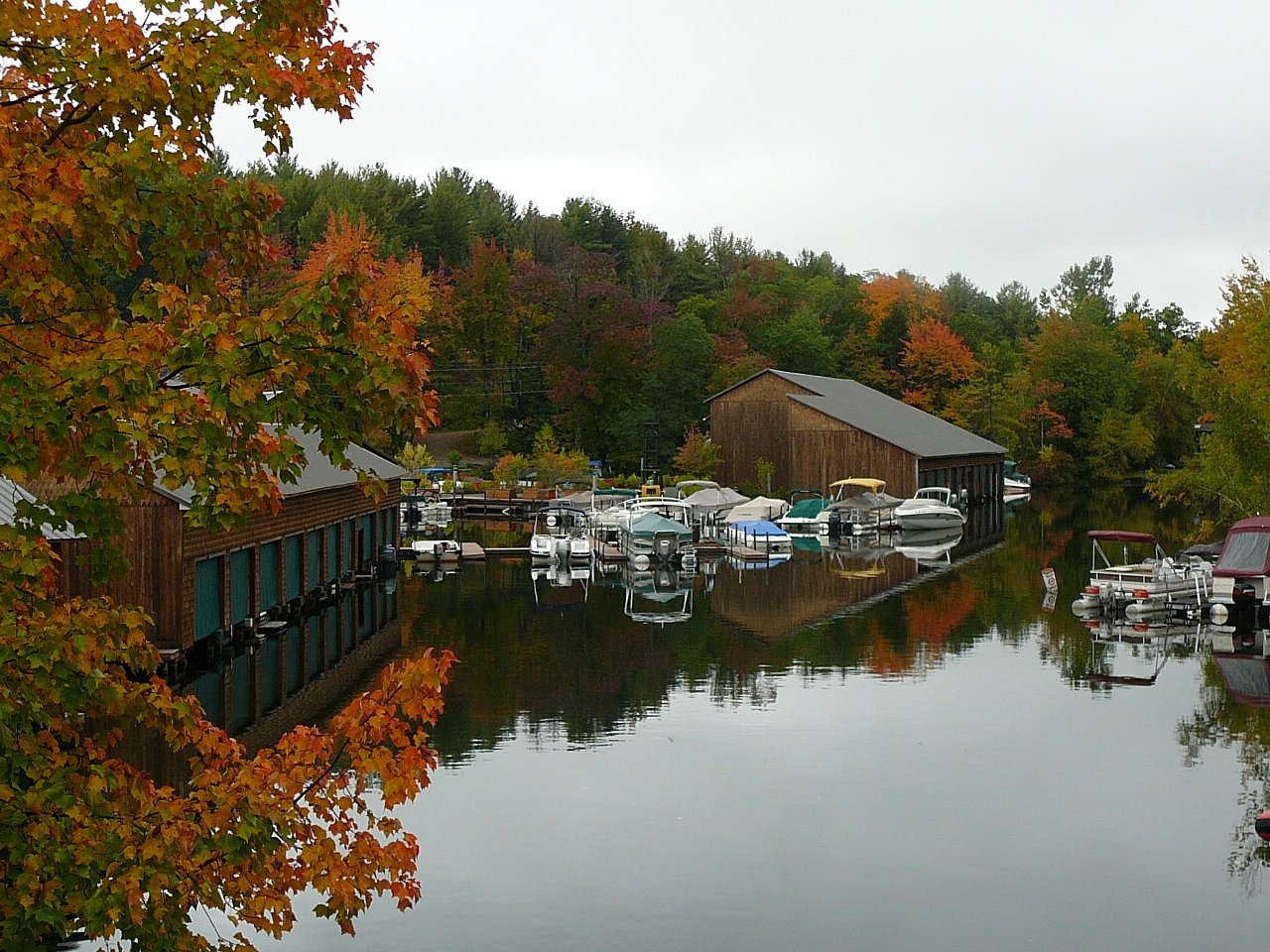
Photos of Holderness


Overview of Holderness
Holderness is a small, low-key town in Grafton County, in the Lakes Region of New Hampshire, with a year-round population of roughly 2,100 residents. Set along the western shore of Squam Lake and ringed by low forested hills, the town has the feel of a quiet New England lake community that swells with visitors each summer. It is best known as the filming location for the 1981 film "On Golden Pond," which was shot on Squam Lake and turned the surrounding waters into a recognizable name for travelers from around the country. Holderness also serves as a useful gateway for visitors exploring the White Mountains, the Lakes Region, and the campus town of Plymouth just to the west. The town sits roughly 100 miles north of Boston and about 60 miles north of Manchester, the nearest major city, with both typically reached in about two hours of driving along Interstate 93.
The centerpiece of the area is Squam Lake, the second-largest lake in New Hampshire, whose clear water, wooded islands, and quiet coves draw boaters, paddlers, and anglers throughout the warmer months. The lake borders Holderness directly, and a handful of public boat launches and small beaches make it easy for visitors to get out on the water without a private dock. Scenic boat tours and kayak rentals operate from various points around the shoreline in season, offering one of the most peaceful lake experiences in the state.
Within the town itself, the Squam Lakes Natural Science Center is a long-running draw, with live animal exhibits featuring native New Hampshire wildlife such as black bears, mountain lions, river otters, and bald eagles, along with easy walking trails through meadows and forest. The center is just a few minutes from the town center and is well suited to families, particularly as a rainy-day option in an otherwise outdoors-focused destination.
A short drive west, about ten to fifteen minutes, brings visitors to Plymouth, home to Plymouth State University and a small but serviceable downtown of cafés, restaurants, and the local museum. Plymouth also acts as a convenient base for stocking up on supplies or grabbing a meal outside the quieter pace of Holderness.
Further afield, the White Mountain National Forest begins roughly forty-five minutes to the north, opening up hiking trails, scenic drives like the Kancamagus Highway, and classic New England mountain villages such as Lincoln, Woodstock, and North Conway. Closer to home, the broader Lakes Region — including Lake Winnipesaukee, the state's largest lake, and the resort town of Meredith — lies about thirty minutes south.
For short-term rental owners, Holderness offers an appealing combination of a recognized name thanks to its film heritage, dependable summer traffic drawn by Squam Lake, and easy year-round access to both the White Mountains and the rest of the Lakes Region. Its rural character, scenic shoreline, and proximity to multiple regional draws make it a natural fit for guests seeking a quieter, nature-focused base in central New Hampshire.
Want to know if a property in Holderness is a good investment?
Enter an address to get instant revenue potential and comps.