
Hillsborough, North Carolina
Want to see how Hillsborough compares to other top cities in North Carolina? Explore all city regulations in North Carolina. →
Hillsborough, NC
Generally Investor Friendly
STR Regulations for Hillsborough, North Carolina
Executive Summary: Are Short-Term Rentals Allowed in Hillsborough, NC?
Short-term rentals are allowed in Hillsborough, North Carolina, but operate under both state-level regulations and county oversight. Based on the available information, Hillsborough is located within Orange County, and the regulatory framework for short-term rentals is primarily governed by North Carolina state law under the Vacation Rental Act, with local oversight through Orange County government. While the documents indicate there has been discussion about STR regulation in the Orange County area (including Chapel Hill, Carrboro, and Hillsborough), no specific city-level ordinances for Hillsborough were found in the provided sources.
Key Takeaway for Investors: Hillsborough investors must comply with North Carolina state-level vacation rental requirements and any applicable Orange County regulations, but there are currently no identified Hillsborough-specific restrictions beyond these broader frameworks.
What do Airbnb hosts actually earn in Hillsborough?
Hillsborough hosts earn a median $26,921/year with $147 ADR and 63% occupancy.
Top performers pull in $36,007+ per year.
See the full Hillsborough market breakdownHow to Start a Short-Term Rental Business in Hillsborough, NC
Step 1: Understand the Legal Framework
Hillsborough operates within a three-tier regulatory system:
- State Level: North Carolina Vacation Rental Act (Chapter 42A)
- County Level: Orange County regulations
- Municipal Level: No specific Hillsborough ordinances identified
Step 2: Business Structure and Preparation
Essential Preparations:
- Establish written vacation rental agreements for all guests
- Set up a trust account in a federally insured institution for rental proceeds
- Obtain appropriate insurance coverage (minimum $500,000-$1M liability recommended)
- Register for tax identification numbers and business accounts
Step 3: Zoning Compliance
Before purchasing or listing property, verify:
- Property zoning allows short-term rental use
- Compliance with residential zoning requirements
- Neighborhood restrictions or HOA limitations
Step 4: Operational Setup
Prepare for ongoing compliance:
- Implement safety measures (smoke detectors, carbon monoxide alarms)
- Establish occupancy limits and parking arrangements
- Create guest guidelines and house rules
- Set up systems for tax collection and remittance
Required Documents, Permits, Licenses, and Guidelines
State-Level Requirements (North Carolina Vacation Rental Act)
Mandatory Documentation:
- Vacation Rental Agreement: Written contract signed by all guests
- Trust Account: Establishment of dedicated account for rental proceeds
- Personal Identification: Valid government-issued ID
- Federal EIN: Employer Identification Number for tax purposes
- Proof of Ownership: Property deed or ownership documentation
- Insurance Documentation: Liability insurance evidence
- Property Information: Detailed property specifications and floor plans
Permits and Licenses
Current Status for Hillsborough:
- No Hillsborough-specific permits identified in provided sources
- No Orange County permits specifically mentioned in available documents
- State level: No state-issued vacation rental licenses required
- Local business license: May be required (verify with Orange County)
Safety and Building Requirements
State-mandated safety equipment:
- Operable smoke detectors (minimum one per floor)
- Carbon monoxide alarms (minimum one per level)
- Fire extinguisher (easily accessible)
- Emergency escape routes from sleeping areas
- 911 address clearly posted (exterior and interior)
Specific Regulations: City, County, and State Level
North Carolina State Regulations (Vacation Rental Act)
Core Requirements:
- Rental Duration: Properties rented for fewer than 90 days
- Written Agreements: Mandatory vacation rental contracts
- Trust Account Management: All rental proceeds deposited in trust accounts
- Property Standards: Compliance with building and housing codes
- Safety Compliance: Smoke detector and carbon monoxide alarm requirements
- Maintenance Obligations: Keep properties in habitable condition
Tax Obligations:
- Occupancy Tax: Collect and remit hotel occupancy tax (typically 6-8% combined rate)
- Sales Tax: State and local sales tax (approximately 7% combined rate)
- Income Tax: Federal and state income tax on rental income
Orange County Level
Current Status:
- No specific Orange County STR ordinances identified in provided sources
- General county oversight under state authority
- Tax collection through county tax administration
Hillsborough Municipal Level
Regulatory Status:
- No specific ordinances found in provided sources
- No identified zoning restrictions beyond standard residential use
- No permit requirements specifically mentioned
- Standard municipal services (trash, utilities, noise ordinances) apply
Operational Requirements and Best Practices
Occupancy and Parking
Recommended Standards (based on NC best practices):
- Occupancy: 2 persons per bedroom + 2 additional persons maximum
- Parking: 1 off-street space per 1-2 bedrooms
- Maximum Guests: 15 persons excluding children under 3
Guest Management
Essential Practices:
- Local Contact: Designated person available for guest issues
- Neighbor Relations: Notice to adjacent property owners
- Quiet Hours: Compliance with noise ordinances
- Trash Management: Proper waste disposal procedures
Marketing and Advertising
Compliance Requirements:
- Accurate Listings: Truthful property descriptions
- Occupancy Disclosure: Maximum guest limits clearly stated
- Contact Information: Easy access to responsible party
- House Rules: Clear expectations for guest behavior
Contact Information for Local Authorities
Orange County Government
Planning and Zoning Department
- Primary Contact: Orange County Planning Department
- Address: 131 W. Margaret Lane, Suite 201, Hillsborough, NC 27278
- Phone: (919) 245-2575
- Website: www.orangecountync.gov
Tax Administration
- Occupancy Tax Questions: Orange County Tax Administration
- Phone: (919) 245-2100
- Website: www.orangecountync.gov/departments/government/tax-administration
State-Level Resources
North Carolina Department of Revenue
- STR Tax Questions: (877) 252-4052
- Website: www.ncdor.gov
North Carolina Real Estate Commission
- Property Management Questions: (919) 875-3700
- Website: www.ncrec.gov
Source Documentation and References
Primary Sources
-
"Regulating Short-Term Rentals" - Rebecca Badgett, Local Government Legal Research Associate
- URL: orangecountync.gov/DocumentCenter/View/6697/Short-Term-Rentals-and-Airbnb-2019-Regulation
- Content: Comprehensive legal framework for STR regulation by local governments
-
"North Carolina Short Term Rental Laws: Your Guide" - The Summer Team
- URL: www.gosummer.com/post/north-carolina-short-term-rental-laws
- Content: State-level regulations, licensing requirements, and tax obligations
-
"February 20 4pm Agenda - Airbnb and Short Term Rentals" - Orange County
- URL: www.orangecountync.gov/DocumentCenter/View/6696/February-20-4pm-Agenda-Airbnb-and-Short-Term-Rentals
- Content: Official agenda for STR discussion in Orange County area
Supporting Resources
- "Chapel Hill Still Has the Authority to Regulate Short-Term Rentals" - The Local Reporter
- URL: thelocalreporter.press/chapel-hill-still-has-the-authority-to-regulate-short-term-rentals/
- Content: Legal authority for local STR regulation in Orange County area
Critical Investment Considerations
Regulatory Risk Assessment
Current Environment:
- Moderate Risk: No specific city restrictions currently identified
- High Growth Area: Orange County shows strong STR growth (47% increase 2017-2018)
- Revenue Potential: Strong tourism and accommodation demand
Recommended Due Diligence
Before Investment:
- Verify Current Zoning: Confirm short-term rental allowance in target neighborhoods
- Check HOA Restrictions: Review any community-specific limitations
- Consult Local Attorney: Ensure compliance with all applicable regulations
- Contact County Officials: Confirm no pending ordinances or restrictions
Market Opportunity
Positive Indicators:
- Strong Airbnb revenue growth in Orange County
- No identified city-level restrictions
- Proximity to Chapel Hill and Research Triangle markets
- Established tourism infrastructure
Important Disclaimer: This guide is based solely on the provided web content and current as of the information available. STR regulations change frequently. Investors must verify current requirements with local authorities and consult qualified legal professionals before making investment decisions.
Next step
Found a property in Hillsborough?
Paste any address and get estimated revenue, cash-on-cash return, and comparable STR performance in under 5 minutes. 3 free analyses per day.
Free brief
Get the free Hillsborough STR Investment Brief
Revenue data, top neighborhoods, seasonal trends, and the key regulations for Hillsborough, North Carolina in one email.
Hillsborough
Market Saturation Score
Photos of Hillsborough


Overview of Hillsborough
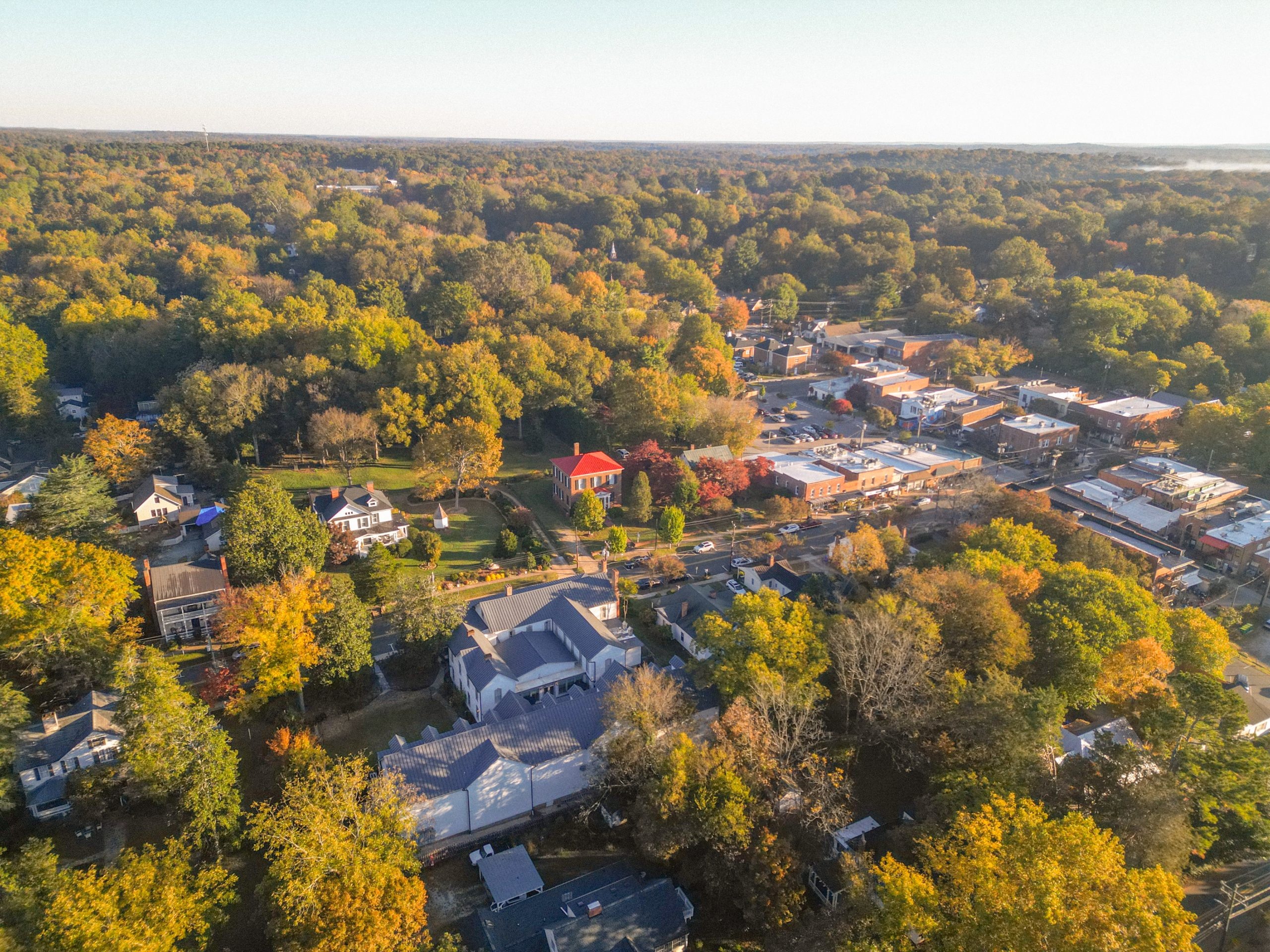
Hillsborough is a small historic town that serves as the county seat of Orange County, North Carolina, with a population of roughly 6,500 residents. It carries the well-preserved character of an eighteenth- and nineteenth-century river town, anchored by brick storefronts, oak-shaded streets, and a string of restored homes and civic buildings. The town is best known for its colonial and Civil War heritage, its position along the Eno River, and its role as a quiet enclave within the Research Triangle region. It sits about ten miles west of Durham and roughly forty miles northwest of Raleigh.
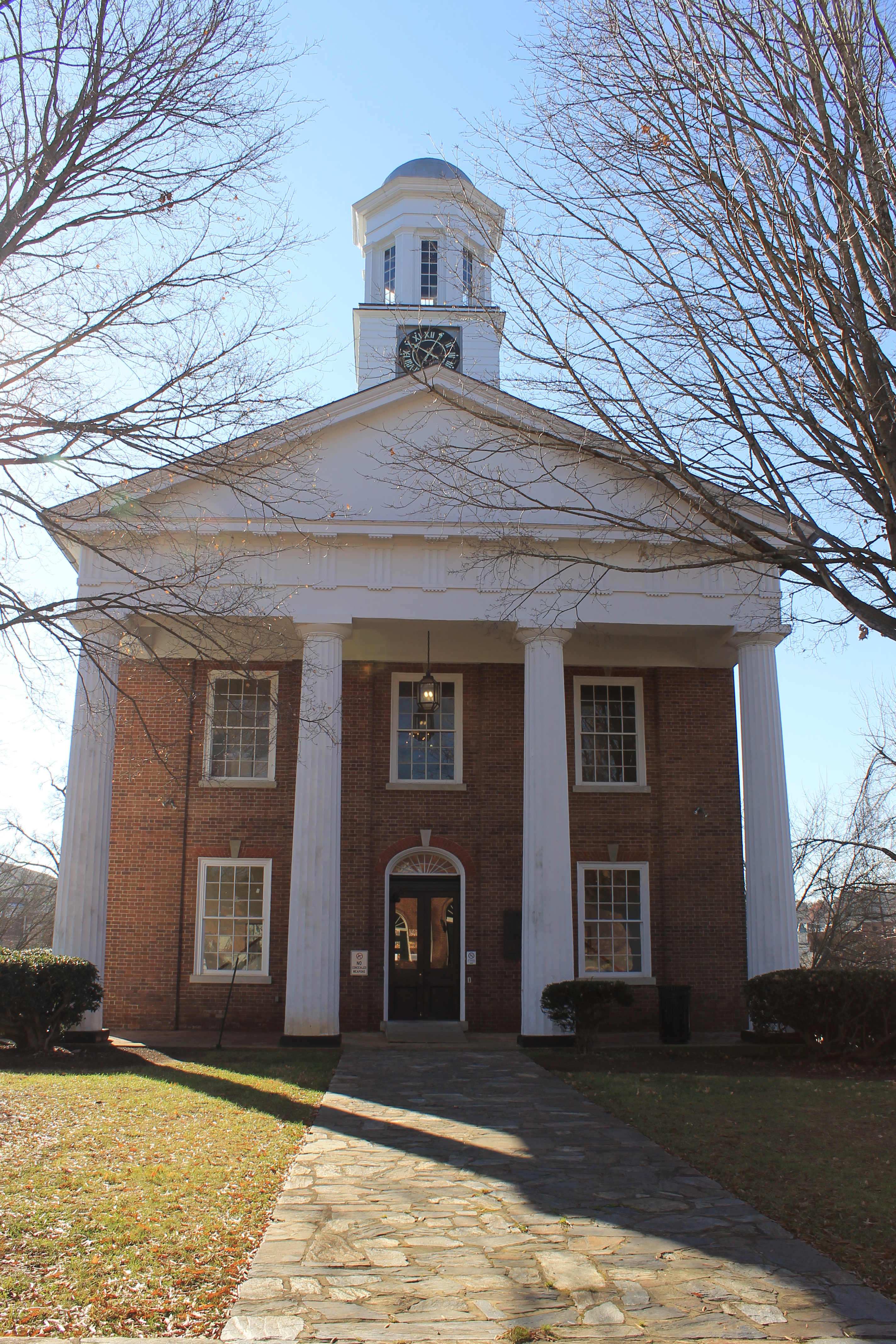
The walkable downtown along Churton Street is itself a destination, lined with independent restaurants, antique shops, and galleries housed in centuries-old brick buildings. A self-guided walking tour passes antebellum homes, the old courthouse, and sites connected to figures from the colonial era and the Civil War. The historic district is listed on the National Register of Historic Places, and the town hosts regular farmers' markets and seasonal festivals that draw visitors from across the Triangle.
Just a few minutes from the town center, Eno River State Park offers more than four thousand acres of wooded trails, rocky bluffs, and shallow swimming holes along the Eno. Hikers can string together long routes that stretch toward Durham, and several access points make the river a popular destination for tubing, picnicking, and bird-watching. Drive time from the historic downtown to the park's main entrances is only about ten to fifteen minutes.
A short drive east of downtown leads to the Burwell School Historic Site, a nineteenth-century school for girls that today operates as a state-run museum with period-furnished rooms and rotating exhibits on antebellum education and women's history. The site sits within a residential neighborhood just off the main commercial corridor. From the center of Hillsborough, the drive is only a few minutes.
Hillsborough's combination of small-town atmosphere, intact historic architecture, and easy access to the Triangle's universities and research campuses makes it a distinctive base for short-term rental guests. Visitors can spend mornings hiking or tubing the Eno, afternoons exploring the colonial-era downtown, and evenings dining along Churton Street before returning to a quiet residential setting. Its proximity to Durham, Chapel Hill, and Raleigh expands the appeal for travelers attending games, graduations, or business events who prefer a more relaxed, character-rich place to stay.
Want to know if a property in Hillsborough is a good investment?
Enter an address to get instant revenue potential and comps.