
Nampa, Idaho
Want to see how Nampa compares to other top cities in Idaho? Explore all city regulations in Idaho. →
Nampa, ID
Generally Investor Friendly
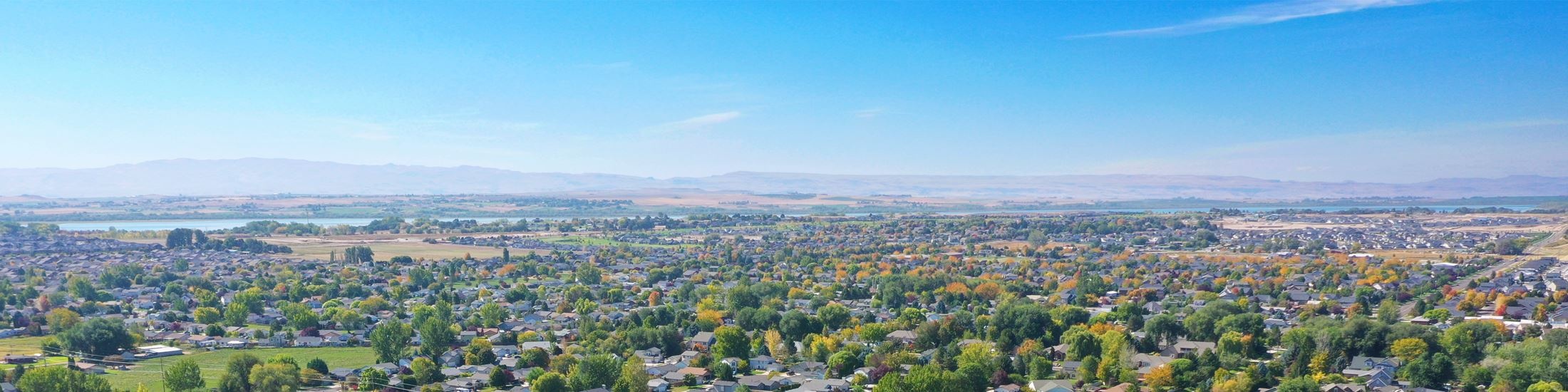
STR Regulations for Nampa, Idaho
Overview: Are Short-Term Rentals Allowed in Nampa, ID?
Yes—short-term rentals are allowed in Nampa, Idaho.
At the state level, Idaho law permits short-term rentals (STRs) in residential zones and does not delegate blanket authority to cities to ban them outright. Nampa, the state’s second-largest city by population, does not currently have city-specific STR laws or licensing regimes in place. As a result, investors can operate STRs, subject to Idaho’s general health, safety, and tax regulations and any applicable county-level rules. Because the regulatory landscape is localized and evolving, always verify current requirements with the City of Nampa and Canyon County before launching or acquiring a property.
What do Airbnb hosts actually earn in Nampa?
Nampa hosts earn a median $28,208/year with $135 ADR and 72% occupancy.
Top performers pull in $37,818+ per year.
See the full Nampa market breakdownHow to Start a Short-Term Rental Business in Nampa
- Confirm zoning and land-use compliance
- Verify that STRs are a permitted use on your parcel. While Idaho allows STRs in residential zones, local zoning may include conditions (e.g., owner-occupied restrictions, occupancy limits, or minimum parking).
- If you are considering non-traditional setups (e.g., accessory dwellings, RVs, yurts, or structures without standard residential occupancy), consult Nampa Planning & Zoning and confirm whether a Conditional Use Permit (CUP) or Temporary Use Permit is required.
- Action: Contact Planning & Zoning at 208-468-5484 and pzal@cityofnampa.us.
- Register for Idaho state taxes and obtain a seller’s permit
- Idaho requires STR operators to collect and remit a 6% state sales tax and a 2% “travel and convention” tax on accommodations rented for fewer than 30 days.
- Register with the Idaho State Tax Commission to obtain a seller’s permit and set up remittance frequency (monthly or quarterly). Platforms like Airbnb or Vrbo may collect and remit some taxes in certain jurisdictions, but you are responsible for compliance.
- Action: Register online with the Idaho State Tax Commission (tax.idaho.gov) and maintain clear records of rents, taxes collected, and remittances.
- Determine if a local business license is needed
- Nampa does not publish an STR-specific license requirement. However, some operators seek a general business license or home occupation permit depending on the activity profile and zoning.
- Action: Contact City Hall at 208-468-4400 to confirm whether a general business license is required for your specific operation.
- Meet health and safety standards
- While Nampa has no STR-specific code, properties must comply with baseline residential safety requirements (e.g., functional smoke detectors, CO alarms where applicable, adequate egress, and adherence to building codes).
- If renting individual rooms in an owner-occupied home, be prepared to provide guest access to sanitary facilities and address any health department requirements if food service is involved.
- Action: Review and implement accepted STR safety standards as outlined in the Idaho state guide (see Sources) and document compliance.
- Secure adequate insurance
- Standard homeowners policies generally exclude commercial short-term rental use. Maintain liability coverage appropriate to your property and operations. While not city-mandated in Nampa, carrying appropriate insurance is standard practice and critical for risk management.
- Action: Obtain a policy or endorsement that covers short-term rental activities (premises liability and property protection).
- Establish local management or designate a local contact
- Even where not required, maintaining an accessible local contact improves response times to issues and neighbor relations.
- Action: If you are out of area, hire a professional property manager or designate a responsible local representative.
- Operational considerations
- Pricing and seasonality: Nampa’s market data shows strong summer demand (peak month June) and softer winter months, with peak occupancy typically in July. Develop dynamic pricing and minimum-stay policies that reflect seasonality (see Market Intelligence section).
- Guest screening and house rules: Align occupancy and conduct policies with zoning and neighborhood rules.
- Data-driven planning: Use current market analytics to benchmark revenue, ADR, and occupancy targets.
Required Documents, Permits, Licenses, and Guidelines
Core documents and certifications
- Proof of ownership or lease authorization for the STR property.
- Idaho seller’s permit and tax registration confirmation (State Tax Commission).
- Business license confirmation (if applicable from City/County).
- Safety compliance records (smoke detectors, CO alarms, fire extinguishers, emergency egress info).
- Insurance declarations evidencing appropriate liability coverage.
- Property details (address, floor plan, number of bedrooms, maximum occupancy).
- Local contact information (for non-local owners).
- Records of rent collected, taxes collected and remitted, guest logs, and housekeeping/maintenance logs.
Permits or authorizations that may apply
- No Nampa STR-specific license identified. Verify whether a general business license or home occupation permit is needed.
- Conditional Use Permit (CUP): For non-standard uses (e.g., temporary residences, certain accessory dwellings) or special cases noted by Planning & Zoning.
- Temporary Use Permit (TUP): Typically for short-duration uses (e.g., seasonal stands, events), not standard STRs. The City’s TUP checklist indicates fees of $50 (up to 1 month) or $75 (1–6 months) and detailed site plan requirements.
- Health permits: Required if providing food; coordinate with Southwest District Health.
- Zoning confirmation: Required to ensure STRs are permitted at the subject property.
Compliance and ongoing obligations
- Tax collection and remittance (6% sales tax + 2% travel and convention tax).
- Neighborhood compatibility: Align occupancy, parking, and conduct rules with local ordinances and HOA/CC&Rs if applicable.
- Recordkeeping: Maintain digital and physical copies of all permits, registrations, safety certifications, tax filings, and insurance documents.
Regulations: Short-Term Rentals in Nampa, Canyon County, and State of Idaho
Idaho (State)
- State law permits STRs in residential zones and places primary regulatory authority with local governments.
- Taxation: 6% state sales tax and 2% travel and convention tax on short-term lodging (rentals under 30 days).
- General building and safety codes apply to all residential properties.
- Idaho’s approach is highly localized; cities and counties implement their own rules while operating within the baseline permission framework.
Canyon County
- The sources provided do not identify county-specific STR licensing or operating rules. Verify with the County for any additional requirements (e.g., general business licensing, health, or zoning overlays).
- Always confirm whether county-level local option taxes apply to lodging in your area and how they are administered.
City of Nampa
- No city-specific STR licensing or operating ordinances were identified in the provided sources. Standard housing, zoning, health, and safety regulations apply.
- If proposing unusual accommodations or land uses, contact Planning & Zoning to determine whether a CUP or TUP is necessary.
- If operating a business that solicits door-to-door or involves transient sales activities, Nampa requires a Solicitor’s License through the City Clerk’s Office. This is not an STR license but may be relevant for certain outreach activities.
Important compliance reminder
- Idaho’s STR rules vary by jurisdiction and change over time. Treat the information here as a baseline. Confirm specific requirements with Nampa Planning & Zoning, the City Clerk’s Office, and the Idaho State Tax Commission before commencing operations.
Contact Information (Nampa and State Authorities)
City of Nampa
- Planning & Zoning Department
- Address: 500 12th Ave S, Nampa, ID 83651
- Phone: 208-468-5484
- Email: pzal@cityofnampa.us
- City Hall (General inquiries, licensing confirmations)
- Phone: 208-468-4400
State of Idaho
- Idaho State Tax Commission (seller’s permit, tax registration and reporting)
- Website: tax.idaho.gov
- Note: Operators are responsible for collecting/remitting 6% sales tax and 2% travel and convention tax on short-term accommodations.
Note on websites
- The sources provided do not list specific City webpage URLs for Nampa STR content. The Nampa planning contact and email listed above are the primary points of contact for zoning, permits, and licensing questions.
Links to Source Pages
- Idaho Airbnb and STR Laws: 2025 Guide (Checkmate Rentals)
- Vacation Rental Management in Nampa, Idaho (Summer)
- City of Nampa: Temporary Use Permit and Checklist (Planning & Zoning)
- Nampa Airbnb Market Analysis 2025 (AirROI)
Optional Market Intelligence for Nampa STRs (AirROI)
Because understanding the market is essential for investment decisions, below are key performance benchmarks from the past 12 months. Treat these as directional; actual results vary by property, management, and seasonality.
- Active listings: 210
- Average daily rate (ADR): $167
- Median annual revenue: $23,550
- Occupancy rate: 49.3%
- Revenue growth YoY: 30.1%
- Peak revenue month: June
- Lowest revenue month: January
Seasonality
- Peak Season (Jun–Aug): avg revenue $3,546/month; occupancy 59.2%; ADR $198
- Shoulder Season: avg revenue $2,405/month; occupancy 50.1%; ADR $159
- Low Season (Jan–Feb, Apr): avg revenue $1,777/month; occupancy 47.2%; ADR $140
Investor takeaways
- Pricing strategy should be dynamic, with higher rates and potential minimum-stay increases during peak months, and targeted promotions or discounts in the low season.
- The market skews toward entire-home listings (88.1%) and houses (70.5%). Properties accommodating 6+ guests represent 56.7% of inventory—families and larger groups are a significant segment.
- A 1-night minimum stay is most common (38.6%), with a balanced mix of moderate cancellation policies (40.3%). Align house rules and policies with market norms while protecting against high-risk bookings.
Notes for Investors
- Zoning first: Confirm STR permissibility on the specific property. If the use is atypical or if you plan to place temporary structures (e.g., RVs, yurts), plan for a CUP or TUP as directed by Planning & Zoning.
- Taxes and compliance: Register with the Idaho State Tax Commission, collect the 6% sales tax and 2% travel and convention tax, and keep meticulous records.
- Health and safety: Implement standard STR safety measures and maintain documentation. If food service is offered, coordinate with the Southwest District Health Department.
- Insurance: Use a short-term rental-specific policy or endorsement. If you will be out of state, hire a professional manager or designate a reliable local contact.
- Regulatory watch: While Nampa currently has no STR-specific rules, this can change. Monitor City and County updates and HOA/CC&Rs.
This guide is an informational baseline and not legal advice. Regulations and tax obligations change; verify all requirements with local authorities and the Idaho State Tax Commission prior to operation.
Next step
Found a property in Nampa?
Paste any address and get estimated revenue, cash-on-cash return, and comparable STR performance in under 5 minutes. 3 free analyses per day.
Free brief
Get the free Nampa STR Investment Brief
Revenue data, top neighborhoods, seasonal trends, and the key regulations for Nampa, Idaho in one email.
Nampa
Market Saturation Score
Photos of Nampa

Overview of Nampa
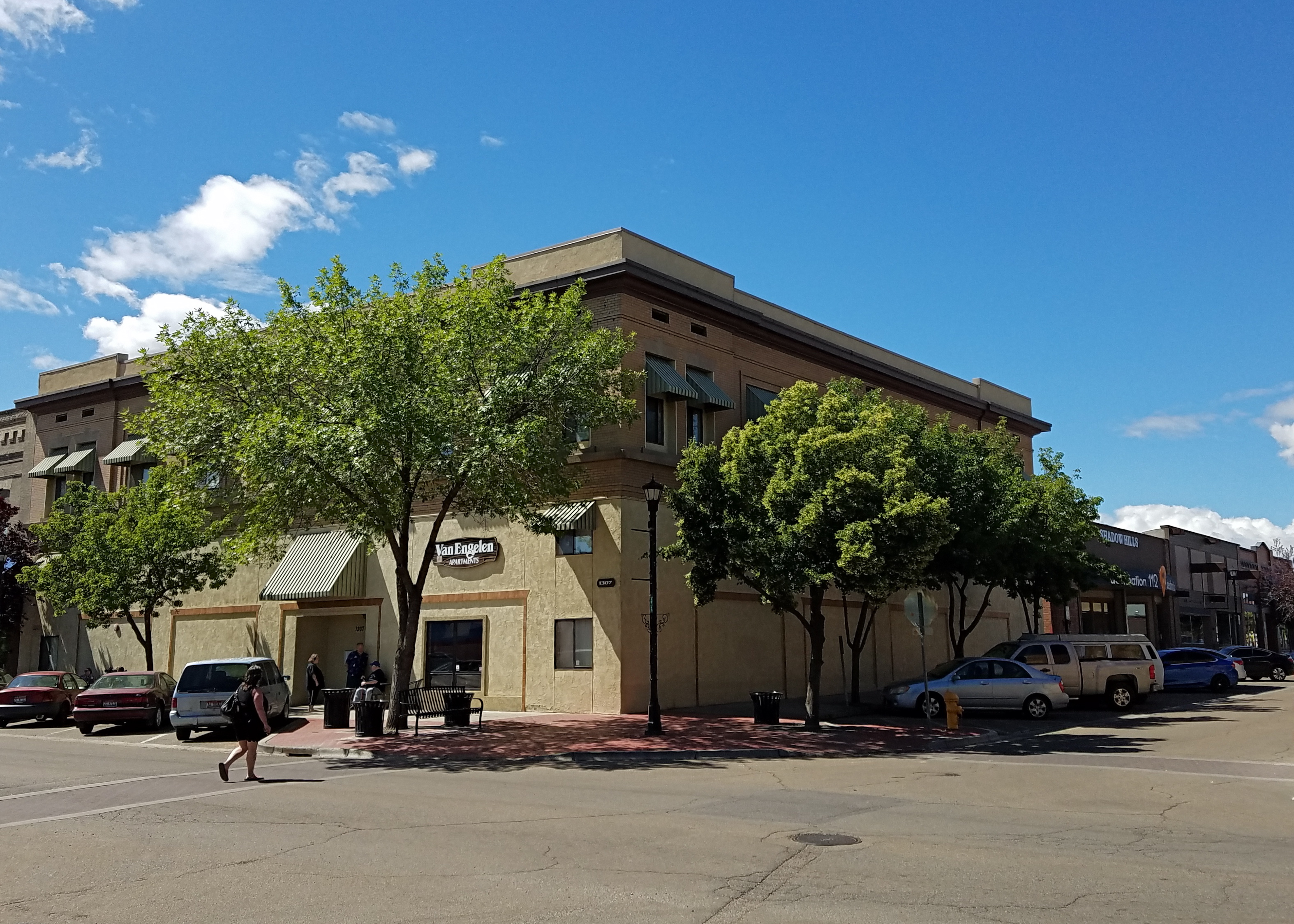
Nampa is the largest city in Canyon County, Idaho, sitting in the southwestern part of the state about twenty miles west of Boise along Interstate 84. With a population of roughly one hundred thousand residents, it carries the feel of a busy mid-sized American city while still retaining the open, agricultural character of the Treasure Valley. Nampa has historically been a hub for the surrounding farming and ranching communities, and that blend of small-town roots and suburban growth gives it a down-to-earth, family-friendly atmosphere. The city is best known as a regional service center for the Boise metro area and as a convenient base for travelers exploring southwestern Idaho's wine country, Snake River recreation, and high-desert landscapes.
A short drive north of downtown, the Warhawk Air Museum offers one of the area's most distinctive stops, with a collection of military aircraft, vehicles, and memorabilia from World War I through more recent conflicts. Housed in a hangar-style facility, it draws aviation enthusiasts and history buffs alike and is roughly a ten-minute drive from the city center. The museum's rotating exhibits and restored warbirds make it a year-round draw for visitors who want something beyond the typical outdoor recreation of the region.
About ten miles southwest of town, Deer Flat National Wildlife Refuge surrounds Lake Lowell, a large reservoir that serves as a haven for migratory birds, waterfowl, and local wildlife. The refuge features driving loops, walking trails, and observation points that are popular with birders, photographers, and anyone wanting a quiet escape into the high-desert landscape. It's a particularly appealing option for short-term rental guests looking to stretch their legs after a day on the road, and the easy twenty-minute drive from Nampa makes it a natural day trip.
Nampa's historic downtown has seen steady revitalization in recent years, with restored brick buildings housing locally owned restaurants, coffee shops, and the occasional boutique or antique store. The area around the Nampa Train Depot and the nearby Idaho Center—a large event venue that hosts concerts, rodeos including the long-running Snake River Stampede, and trade shows—adds a steady stream of visitors throughout the year. For guests willing to venture a bit farther, the wider Boise area, with its riverside greenbelt, Basque Block, and foothills trails, is just a short drive east.
Taken together, Nampa offers short-term rental owners a flexible market: affordable housing stock, easy access to Boise's airport and amenities, a growing calendar of regional events, and quick routes to outdoor destinations like Lake Lowell and the Owyhee Canyonlands beyond. Its mix of everyday livability and proximity to both cultural events and natural attractions makes it an appealing base for travelers passing through the Treasure Valley or staying a while to explore.
Want to know if a property in Nampa is a good investment?
Enter an address to get instant revenue potential and comps.