
Albany, Georgia
Want to see how Albany compares to other top cities in Georgia? Explore all city regulations in Georgia. →
Albany, GA
Challenging To Investors
STR Regulations for Albany, Georgia
Overview: Are Short-Term Rentals Allowed in Albany, GA?
Explicit Answer: Based on the available information, it is unclear whether short-term rentals are explicitly allowed or prohibited in Albany, GA. The provided content does not contain specific regulations for Albany, GA short-term rentals. However, since Albany, GA is in Georgia, and Georgia does not impose statewide prohibitions on short-term rentals, it is likely that short-term rentals are allowed in Albany subject to applicable local zoning and business regulations.
This guide provides a comprehensive analysis based on available state-level information and general regulatory frameworks, with clear identification of information gaps specific to Albany, GA.
What do Airbnb hosts actually earn in Albany?
Albany hosts earn a median $22,089/year with $129 ADR and 63% occupancy.
Top performers pull in $30,130+ per year.
See the full Albany market breakdownHow to Start a Short-Term Rental Business in Albany, GA
Step 1: Research Local Zoning and Business Requirements
Since the provided content does not contain Albany-specific regulations, investors should:
- Contact the Albany City Hall directly to confirm zoning allowances for short-term rentals
- Consult with a local real estate attorney familiar with Dougherty County regulations
- Review the Albany Code of Ordinances at the provided Municode link for specific zoning provisions
Step 2: State-Level Business Registration
Following Georgia state requirements:
- Register with the Georgia Department of Revenue to obtain a Tax Identification Number
- Complete the online business registration through Georgia.gov
- Determine appropriate filing schedule (monthly, quarterly, or annually) based on state assignment
Step 3: Tax Preparation and Compliance
- Understand state tax obligations before commencing operations
- Set up systems for tax collection and remittance
- Verify platform tax handling if using Airbnb, Vrbo, or similar platforms
Required Documents, Permits, Licenses, and Guidelines
State-Level Requirements (Georgia)
Based on the provided content, the following apply statewide:
Business Registration:
- Georgia Tax Identification Number from the Department of Revenue
- Online application through Georgia.gov
Potential Albany-Specific Requirements (information not available in provided content):
- Local business license (common in Georgia cities)
- Short-term rental permit or registration (varies by jurisdiction)
- Zoning compliance verification
- Safety inspections (if required)
Federal Requirements:
- EIN (Employer Identification Number) from IRS
- Appropriate insurance coverage
Guidelines to Verify with Local Authorities:
- Occupancy limits and safety standards
- Parking restrictions
- Noise and nuisance regulations
- Signage requirements
- Guest verification procedures
Specific Regulations: City, County, and State Level
Georgia State-Level Regulations
Tax Obligations:
- State sales tax: 4% on all short-term rental income
- Hotel-motel fee: $5 per night for stays under 30 days
- Extended stay exemption: Stays over 30 nights are exempt from the $5 per-night hotel-motel fee
- Filing deadlines: Online tax filings due on the 20th day of the month following the filing period
No Statewide Licensing Requirements: Georgia does not impose statewide licensing requirements for short-term rentals, leaving regulation to local governments.
Albany, GA Specific Regulations
Status: Unknown - Requires Verification
The provided content does not contain specific regulations for Albany, GA. Investors should verify:
- Zoning compliance - whether short-term rentals are permitted in residential zones
- Business licensing requirements specific to Albany
- Local hotel-motel taxes beyond the state requirements
- Operational restrictions such as:
- Maximum occupancy limits
- Parking requirements
- Noise ordinances
- Safety inspection requirements
- Owner-occupancy requirements
Dougherty County Regulations
Status: Unknown - Requires Verification
County-level regulations may apply in unincorporated areas and could include:
- Zoning restrictions
- Building and safety codes
- Tax assessments
- Fire and health department requirements
Contact Information for Local Authority
Primary Contacts for Albany, GA
Albany City Hall (Contact information not provided in content - requires verification):
- Phone: [To be obtained from city website]
- Email: [To be obtained from city website]
- Website: Albany official government website
Dougherty County Government (Contact information not provided in content):
- Phone: [To be obtained from county website]
- Email: [To be obtained from county website]
- Website: Dougherty County official website
Georgia Department of Revenue
- Phone: [Available through Georgia.gov]
- Website: georgia.gov
- Services: Business tax registration and compliance
Recommended Contact Sequence:
- Albany City Hall - Zoning and business license information
- Albany Planning Department - Zoning verification and permit requirements
- Dougherty County Tax Commissioner - Property tax and local tax information
- Georgia Department of Revenue - State tax registration
Links to Source Pages
State-Level Resources:
- Georgia Department of Revenue Business Registration (source: Hostaway blog)
- Georgia Sales and Use Tax Information (source: Hostaway blog)
Local Government Resources:
- Albany Code of Ordinances (source: Provided link, content not accessible)
Additional Context Sources:
- Georgia CEO Article on STR Regulations (source: Albany CEO)
- Hostaway Georgia STR Guide (source: Hostaway)
- Airbnb Host Guidelines (source: Airbnb)
Critical Information Gaps
Investors must verify the following information before proceeding:
- Albany-specific zoning ordinances - whether short-term rentals are permitted in target neighborhoods
- Local business license requirements - fees, renewal periods, and application processes
- Local hotel-motel tax rates - additional taxes beyond the state requirements
- Operational restrictions - occupancy limits, parking requirements, safety standards
- Permit and inspection requirements - frequency, costs, and compliance standards
- Enforcement mechanisms - penalties for violations and compliance monitoring
Investment Considerations and Risk Factors
Due Diligence Requirements:
- Legal verification of zoning compliance before property purchase
- Financial modeling incorporating all applicable taxes and fees
- Insurance evaluation for adequate coverage
- Market analysis specific to Albany's tourism and business travel patterns
Potential Challenges:
- Regulatory uncertainty due to lack of clear local guidelines
- Changing regulations as Georgia cities continue to develop STR policies
- Compliance complexity managing multiple tax jurisdictions and requirements
Professional Recommendation
Given the significant information gaps regarding Albany-specific regulations, investors should:
- Engage local legal counsel experienced in Georgia property and business law
- Consult with established Albany property managers familiar with local requirements
- Contact city and county officials directly before making investment decisions
- Consider alternative Georgia markets with clearer regulatory frameworks if Albany's requirements prove overly restrictive
This guide is based solely on the provided content and identifies clear areas requiring local verification before proceeding with any short-term rental investment in Albany, GA.
Next step
Found a property in Albany?
Paste any address and get estimated revenue, cash-on-cash return, and comparable STR performance in under 5 minutes. 3 free analyses per day.
Free brief
Get the free Albany STR Investment Brief
Revenue data, top neighborhoods, seasonal trends, and the key regulations for Albany, Georgia in one email.
Albany
Market Saturation Score
Photos of Albany


Overview of Albany
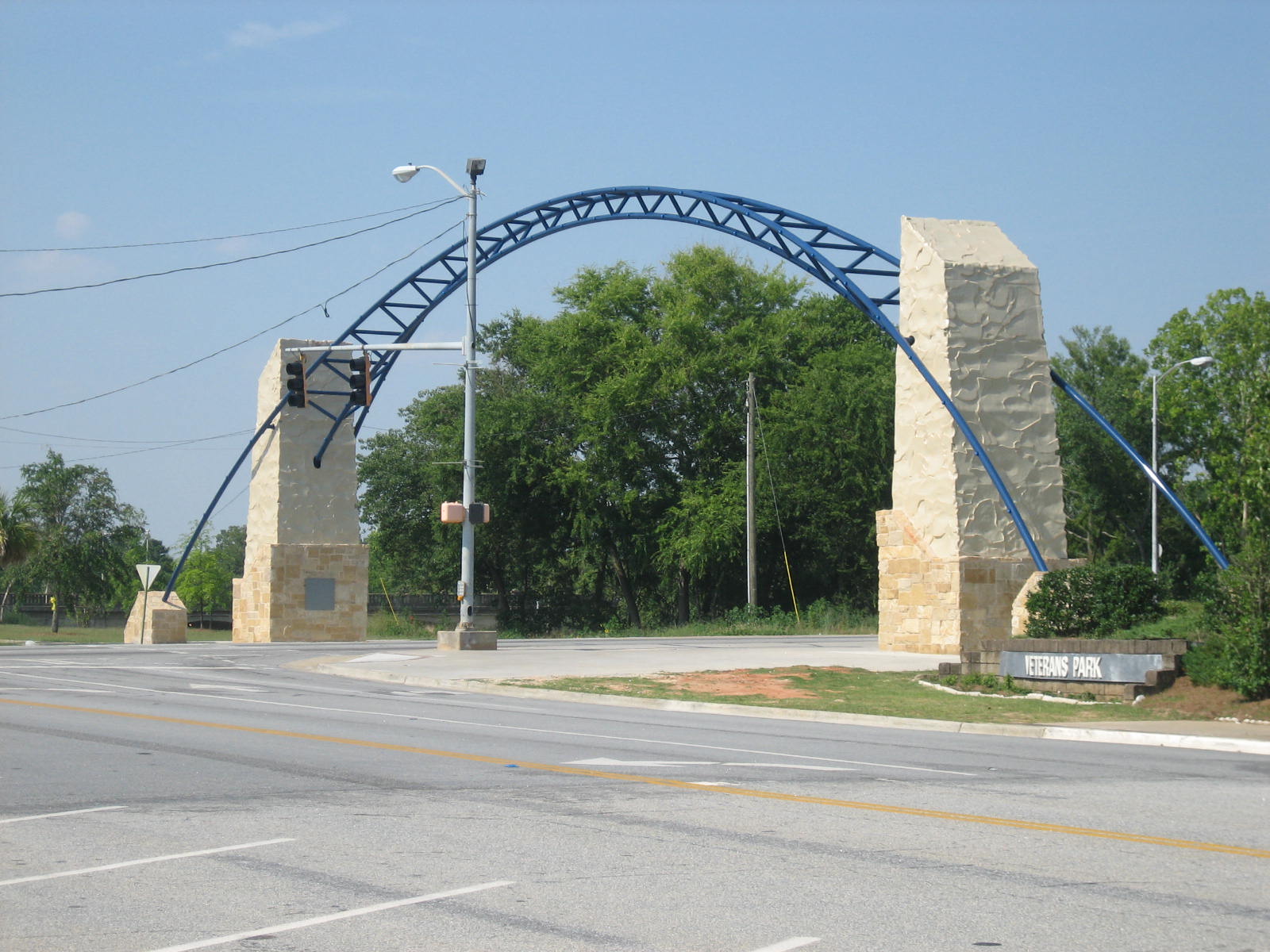
Albany is the county seat of Dougherty County in southwest Georgia, set along the Flint River roughly 170 miles south of Atlanta. The city has a population of about 72,000, making it the largest urban center in its corner of the state and a long-standing hub for agriculture, healthcare, and military activity, thanks in part to Marine Corps Logistics Base Albany just outside town. With its tree-lined streets, historic districts, and a strong musical heritage, Albany carries the feel of a classic Southern city that balances small-town warmth with regional-scale amenities. Travelers often pass through on their way to outdoor destinations and Civil War-era sites scattered across southwest Georgia, and the city itself offers a few notable stops worth lingering over.
Music lovers are drawn to the legacy of one of the city's most famous sons, honored at Ray Charles Plaza along the Flint River in downtown Albany. The plaza features a life-sized rotating statue of the musician and plays his recordings throughout the day, providing a fitting tribute to an artist who remained closely connected to his hometown throughout his life. A short walk from the plaza, the Flint RiverQuarium showcases freshwater species native to the river system and the surrounding swamps, including alligators and river otters, making it a family-friendly stop that ties directly into the region's natural environment.
Outdoor recreation is anchored by Chehaw Park, a roughly 800-acre expanse of woodlands and lake just minutes from downtown. The park is home to Chehaw Zoo, recognized for its work with endangered species, and includes camping, hiking trails, and a mountain-bike course, giving visitors a quiet green counterpoint to the city.
A short drive north of Albany opens the door to some of Georgia's most significant historical and natural sites. Andersonville National Historic Site, the former location of the Civil War prison Camp Sumter, lies about an hour away and includes a museum, the prison site, and a national cemetery. Nearby, the Jimmy Carter National Historical Site in Plains preserves the boyhood home and presidential campaign headquarters of the 39th president, roughly 50 miles north of the city. To the west, Providence Canyon State Park, sometimes called Georgia's "Little Grand Canyon," offers striking eroded gullies and ridge trails within about 45 minutes of Albany.
Together, these attractions give Albany a strong case as a base for short-term rentals, pairing a comfortable Southern city with a wide range of day trips across southwest Georgia.
Want to know if a property in Albany is a good investment?
Enter an address to get instant revenue potential and comps.