
Santa Maria, California
Want to see how Santa Maria compares to other top cities in California? Explore all city regulations in California. →
Santa Maria, CA
Generally Investor Friendly
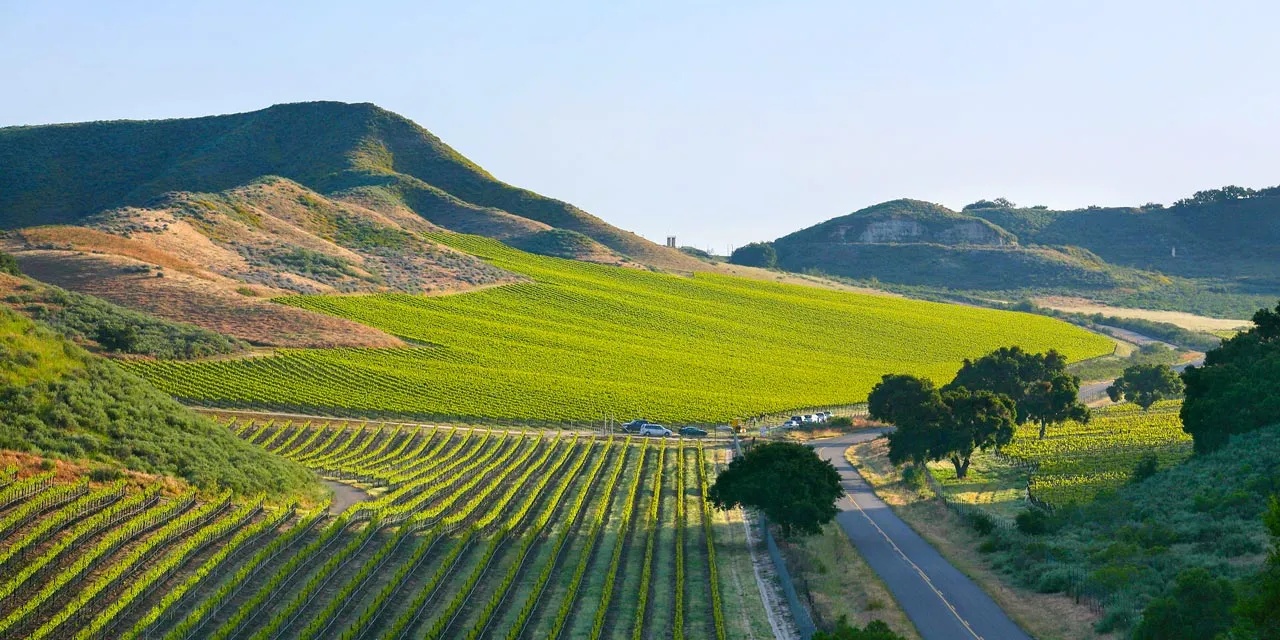
STR Regulations for Santa Maria, California
Executive Overview: Are Short-Term Rentals Allowed in Santa Maria?
Short-term rentals are permitted in Santa Maria, CA, but subject to county regulations since Santa Maria is within Santa Barbara County. The operation of STRs must comply with both Santa Barbara County's Short-Term Rental Ordinance and all applicable state-level requirements. It is important to note that within Santa Barbara County's Inland Area, it is illegal to advertise and/or rent property on a short-term basis (30 consecutive days or less) without first obtaining a proper short-term rental or homestay permit.
What do Airbnb hosts actually earn in Santa Maria?
Santa Maria hosts earn a median $28,508/year with $145 ADR and 68% occupancy.
Top performers pull in $44,932+ per year.
See the full Santa Maria market breakdownHow to Start a Short-Term Rental Business in Santa Maria
Step 1: Determine Property Zoning and Eligibility
Before proceeding with any STR operation in Santa Maria, you must first identify your property's zoning designation using the Santa Barbara County Land Use and Zoning Map. This is critical because zoning determines whether you can operate a short-term rental or homestay:
- Short-term rentals are permitted in most commercial zones
- Homestays are permitted in residential zones and several other zone classifications
Access the zoning map here: Santa Barbara County Land Use and Zoning Map
Step 2: Apply for Planning Permit
Once you've confirmed zoning eligibility, submit a planning permit application through the County Planning & Development Department:
- Visit: Planning and Building Permit Applications and Forms
- Click "How to Submit Online for a Planning Permit"
- Critical: Clearly indicate in your project description whether you are applying for a short-term rental or homestay permit
Step 3: Review and Approval Process
The County will review your application for compliance with local ordinances. Upon approval, you will receive the necessary permits to operate your short-term rental or homestay legally.
Required Documents, Permits, Licenses, and Guidelines
Planning and Zoning Requirements
- Planning Permit Application (submitted online through County Planning & Development)
- Property Zoning Verification (using the County's Land Use and Zoning Map)
- Compliance with County Short-Term Rental Ordinance (available at: Short-Term Rental Ordinance)
Tax and Business Registration Requirements
- Transient Occupancy Registration Certificate - Required within 30 days of commencing business
- Obtained from the Treasurer-Tax Collector's office
- Application form: TOT Application for Certificate Registration
- Business License - Required for all commercial operations
Tax Obligations
- Transient Occupancy Tax (TOT) - 14% tax rate
- Must be collected from guests
- Remitted monthly to the County
- Tourism Business Improvement District (TBID) - For South County properties only
- Assessment based on monthly rental income
- Remitted monthly with TOT collections
Specific Regulations for Short-Term Rentals
Santa Barbara County Regulations
- Inland Area: STRs and homestays are regulated and require permits
- Coastal Zone: Currently unregulated for STRs and homestays, but TOT still applies
- Permit Requirements: Mandatory for all STR operations in the Inland Area
- Definition: Short-term rental involves renting residential property for 30 consecutive days or less
- Homestay Definition: Similar arrangement where property owner or long-term tenant resides on-site during guest's stay
Zoning Restrictions
- Short-term rentals permitted in most commercial zones
- Homestays permitted in residential zones and select other zones
- Specific zone classifications are detailed in the County's Short-Term Rental Ordinance
Operational Requirements
- Must comply with all Transient Occupancy Tax regulations
- TBID assessment required for South County properties
- Monthly remittance of collected taxes to County Treasurer-Tax Collector
Prohibited Activities
- Operating STRs in the Inland Area without proper permits
- Advertising properties without required permits
- Non-compliance with TOT collection and remittance requirements
State-Level Regulations (California)
While Santa Maria follows county regulations for STR operations, California state law provides the general framework:
Key State Requirements
- Transient Occupancy Tax compliance at the local level
- Business registration requirements
- Adherence to local zoning and land use regulations
- Compliance with state health and safety standards
State Resources
For broader California STR law context, refer to state-level resources on short-term rental regulations and tax obligations.
Contact Information for Local Authority
Santa Barbara County Planning & Development Department
For Planning Permits and Zoning Questions:
- Website: Short-Term Rental Ordinance
- Planning Applications: Planning and Building Permit Applications
Santa Barbara County Treasurer-Tax Collector
For TOT Registration and Tax Remittance:
- TOT Information: Transient Occupancy Taxes
- TOT Registration Application: TOT Application for Certificate Registration
City of Santa Maria (General Information)
For City Services and Business Licensing:
- Address: 110 E. Cook Street, Santa Maria, CA 93454
- Phone: (805) 925-0951
- Website: City of Santa Maria
- Planning Division: Planning Policies and Regulations
Zoning and Property Verification
For Property Jurisdiction and Zoning Confirmation:
- Santa Barbara County Land Use and Zoning Map: Interactive GIS Map
Source Links
Santa Barbara County Resources
- Short-Term Rental Ordinance
- Planning and Building Permit Applications
- Transient Occupancy Taxes
- Tourism Business Improvement Districts (TBID)
- TOT Registration Application
- Santa Barbara County Land Use and Zoning Map
City of Santa Maria Resources
Additional Reference Materials
Important Notice: This guide is based on publicly available information as of the date provided. STR regulations frequently change, and investors should verify current requirements with local authorities before making investment decisions. The complexity of multi-jurisdictional regulations (city, county, state) requires careful attention to current legal requirements and ongoing compliance obligations.
Next step
Found a property in Santa Maria?
Paste any address and get estimated revenue, cash-on-cash return, and comparable STR performance in under 5 minutes. 3 free analyses per day.
Free brief
Get the free Santa Maria STR Investment Brief
Revenue data, top neighborhoods, seasonal trends, and the key regulations for Santa Maria, California in one email.
Santa Maria
Market Saturation Score
Photos of Santa Maria
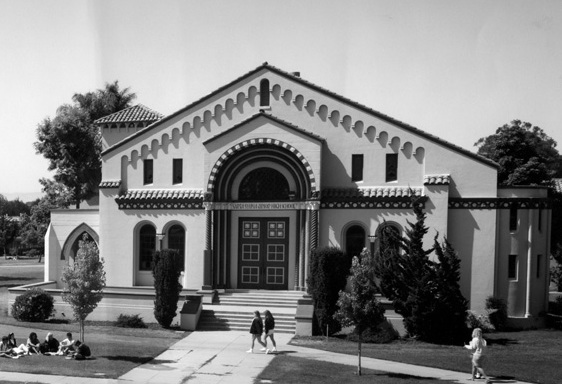


Overview of Santa Maria
Santa Maria is a mid-sized city on the Central Coast of California, located in northern Santa Barbara County. With a population of roughly 110,000 residents, it carries the feel of a working agricultural hub wrapped around a comfortable, low-key suburban core. The city is best known as the namesake of Santa Maria–style barbecue, a regional grilling tradition built on tri-tip steak cooked over red oak, and for the surrounding Santa Maria Valley, one of California's older and more respected cool-climate wine regions. It also sits along a stretch of Highway 101 that places it within easy reach of both the Pacific coast beaches and the inland ranges. Santa Maria is situated about 140 miles northwest of Los Angeles, roughly an hour and a half to two hours by car, and about 65 miles north of Santa Barbara.
Just southwest of the city, the La Purisima Mission State Historic Park in nearby Lompoc offers one of the most thoroughly restored of California's Spanish colonial missions, with about 25 of the original structures still standing on a sprawling property of restored gardens, livestock corrals, and miles of hiking trails. Visitors are about a 25- to 30-minute drive from Santa Maria, and the site provides a quiet counterpoint to the busier coastal attractions, pairing well with a half-day visit that includes a stop in Lompoc's wine tasting rooms.
To the north of Santa Maria, the Los Padres National Forest rises into the backcountry of the San Rafael and Sierra Madre ranges, with hundreds of thousands of acres of pine, oak, and chaparral threaded by streams and dirt roads. Trailheads in the forest's western reaches are often reachable in well under an hour from the city, making it a popular option for hiking, mountain biking, and seasonal camping, particularly along routes that lead toward Hurricane Deck and the Big Sur backcountry.
A short drive west of Santa Maria, the Guadalupe-Nipomo Dunes complex forms one of the largest and least-developed dune systems on the California coast. Interpretive programs are run through the Guadalupe-Nipomo Dunes Center, a small natural-history facility about 20 miles southwest of the city that introduces visitors to the ecology, geology, and paleontology of the area, including its Ice Age fossil discoveries. The dunes themselves, stretching for miles behind the Pacific, are accessible by guided tours and a few public trailheads.
Santa Maria makes a compelling base for short-term rentals precisely because it sits at the intersection of wine country, coast, and forest. Guests can spend mornings on the Santa Maria Valley wine trail, afternoons on the dunes or at the mission, and evenings over a traditional barbecue, all without the higher nightly rates and seasonal congestion of Santa Barbara or Pismo Beach. The combination of an authentic agricultural identity, easy freeway access, and a steady rotation of nearby outdoor and cultural draws gives the city a year-round appeal for travelers exploring the Central Coast.
Want to know if a property in Santa Maria is a good investment?
Enter an address to get instant revenue potential and comps.