
Livermore, California
Want to see how Livermore compares to other top cities in California? Explore all city regulations in California. →
Livermore, CA
Challenging To Investors
STR Regulations for Livermore, California
Overview: Are Short-Term Rentals Allowed in Livermore, CA?
YES – Short-term rentals are explicitly allowed in Livermore, California, but they are strictly regulated through a comprehensive permitting and compliance program.
The City of Livermore has adopted a specific ordinance (Livermore Municipal Code Chapter 5.90) that permits short-term rentals while ensuring compatibility with neighborhoods and collecting all applicable taxes. A short-term rental is defined as the use of a residential dwelling, or portion thereof, for 30 consecutive days or less.
What do Airbnb hosts actually earn in Livermore?
Livermore hosts earn a median $26,597/year with $135 ADR and 76% occupancy.
Top performers pull in $47,814+ per year.
See the full Livermore market breakdownHow to Start a Short-Term Rental Business in Livermore
Step 1: Property Eligibility Assessment
- Ensure your property is in a residential district and is a legal conforming or nonconforming permanent dwelling unit
- If using an Accessory Dwelling Unit (ADU), verify it had a building permit issued prior to January 1, 2020
- Confirm the property has received a Certificate of Occupancy
Step 2: Business License Acquisition
- Obtain a valid City of Livermore business license before applying for STR permit
- Required for all STR operations
Step 3: STR Permit Application
- Submit application through the online STR portal
- Provide all required documentation (detailed below)
- Pay application fee ($231.00 for new permits)
- Submit application in your name as the host
Step 4: Neighborhood Notification
- The City will notify all property owners within 100 feet of your proposed STR
- Be prepared to address any neighborhood concerns during the 15-day objection period
Step 5: Compliance Setup
- Install required safety equipment (smoke detector, carbon monoxide detector, fire extinguisher)
- Prepare informational materials for guests
- Set up Transient Occupancy Tax (TOT) collection system
Required Documents, Permits, Licenses, and Guidelines
Required Permits and Licenses
- City of Livermore Business License (Administrative Services/Finance Department)
- Short-Term Rental Permit (Community Development Department)
- Transient Occupancy Tax Registration (collected through STR portal)
Required Documentation for STR Permit Application
Personal Information
- Name, address, email address, and telephone number of the host
- Name, address, and telephone number of responsible party (local second contact)
- Written documentation showing you are the property owner OR written consent from property owner to operate STR
Compliance Documentation
- Proof of current City business license
- Evidence of property's legal status as permanent dwelling unit
- For ADUs: Building permit issued before January 1, 2020
Disclosure Requirements
- Disclosure of any violations of local, state, or federal rental-related laws
- Current Transient Occupancy Tax payment status
Safety and Operational Requirements
- Functional smoke detector, carbon monoxide detector, and fire extinguisher
- Guest information packet including:
- Diagram of exits and fire extinguisher locations
- Police and fire contact numbers
- Host and responsible party contact information
- City STR ordinance and noise ordinance
- Good Neighbor Guidelines compliance
Specific Regulations for Short-Term Rentals
Location Restrictions
- Allowed: Legal conforming and nonconforming permanent dwelling units within residential districts
- Allowed: Accessory dwelling units with building permits issued before January 1, 2020
- Prohibited: ADUs with permits issued on or after January 1, 2020
- Prohibited: Vehicles, trailers, tents, storage sheds, garages, or any location not approved for permanent dwelling use
Operational Limits
- Single Permit per Host: Each host limited to one STR permit at any time
- Single Rental Only: No more than one renter at a single location at the same time
- Maximum Stay: 30 consecutive days or less
Permit Validity and Renewal
- Valid Period: Until December 31st of the year issued
- Renewal Deadline: December 15th annually
- Expiration: Permits expire if not renewed by December 15th
- Fee Structure: $231.00 (new permit), $168.00 (annual renewal)
Transient Occupancy Tax (TOT)
- Collection Required: Hosts must collect TOT from guests
- Payment Frequency: Quarterly remittance required
- Payment Method: Through STR portal (same portal as permit application/renewal)
- Platform Collection: Third-party platforms (Airbnb, VRBO, etc.) must collect TOT from guests
Advertising Requirements
- Permit Number Required: City-issued permit number must appear in ALL advertisements
- Prohibited Advertising: Cannot advertise STR without valid permit
- Platform Compliance: All advertising platforms must include permit number
Safety and Compliance Standards
- Guest Information: Must provide electronic materials before arrival and hard copies on-site
- Noise Compliance: Must comply with Chapter 9.36 LMC noise standards
- Building Code Compliance: Property must meet all applicable building codes
- Code Violations: Outstanding violations can result in permit denial, suspension, or revocation
Enforcement and Penalties
Violations (LMC 5.90.120)
- Operating without permit
- Location violations
- Noise standard violations
- False application information
- Failure to remit taxes
- Advertising without permit number
- Public nuisance creation
- Criminal activity related to STR operation
Penalties (LMC 5.90.130)
- Administrative citations and fines
- Permit denial for renewal
- Permit suspension (second violation within one year - one-year suspension)
- Permit revocation (third violation within one year or criminal conduct)
- Criminal prosecution
- Civil abatement
Suspension and Revocation Process
- Second Violation: One-year permit suspension
- Third Violation: Permit revocation and three-year ban from new permits
- Criminal Activity: Immediate revocation and three-year ban
County and State Regulations
Alameda County
No additional county-specific STR regulations were found in the provided content. STR operations in Livermore are governed primarily by city municipal code.
California State Regulations
- ADU STR use allowed per state law when ADU permitted before January 1, 2020
- Municipal Code incorporates state requirements for ADU operations
- State building and safety codes apply to all STR properties
Contact Information
Short-Term Rental Program
- Email: str@livermoreca.gov
- Phone: (925) 960-4450
- Department: Community Development Department
Business Licensing
- Business License Information: Available through Administrative Services/Finance Department
- General City Information: (925) 960-4000
- Address: City Hall, 1052 S. Livermore Ave, Livermore, CA 94550
Complaints and Enforcement
- 24/7 Hotline: (925) 369-0657
- Online Reporting: Secure complaint portal available
- Information Required: Location of violation, problem description
Online Resources
- STR Permit Portal: Available for applications, renewals, and TOT payments
- TOT Payment Instructions: Step-by-step guidance available
- Good Neighbor Guidelines: Required guest information
Source Pages
- City of Livermore Short-Term Rental Program
- Livermore Municipal Code Chapter 5.90 - Short-Term Rentals
- Residential Rental Information
- Business License Requirements
Investment Recommendation: Livermore offers a structured and permitting-friendly environment for STR investments, with clear regulations and enforcement mechanisms that protect both operators and the community. The requirement for business licenses, permits, and TOT compliance creates a professional operating environment that benefits serious investors while maintaining neighborhood character.
Next step
Found a property in Livermore?
Paste any address and get estimated revenue, cash-on-cash return, and comparable STR performance in under 5 minutes. 3 free analyses per day.
Free brief
Get the free Livermore STR Investment Brief
Revenue data, top neighborhoods, seasonal trends, and the key regulations for Livermore, California in one email.
Livermore
Market Saturation Score
Photos of Livermore

Overview of Livermore
Livermore sits in the eastern reaches of Alameda County, California, in the heart of the East Bay's Tri-Valley region. With a population of roughly 90,000, it carries a small-city feel while sitting within easy reach of the broader Bay Area's major employment and cultural hubs. The city has a long agricultural heritage, a deep connection to scientific research through the nearby Lawrence Livermore National Laboratory, and a wine-producing tradition that reaches back to the 1800s. It functions as a relaxed gateway to Livermore Valley Wine Country and the wider Tri-Valley area, and lies about 45 miles east of San Francisco, with the drive typically running between 45 minutes and an hour depending on Bay Bridge traffic.
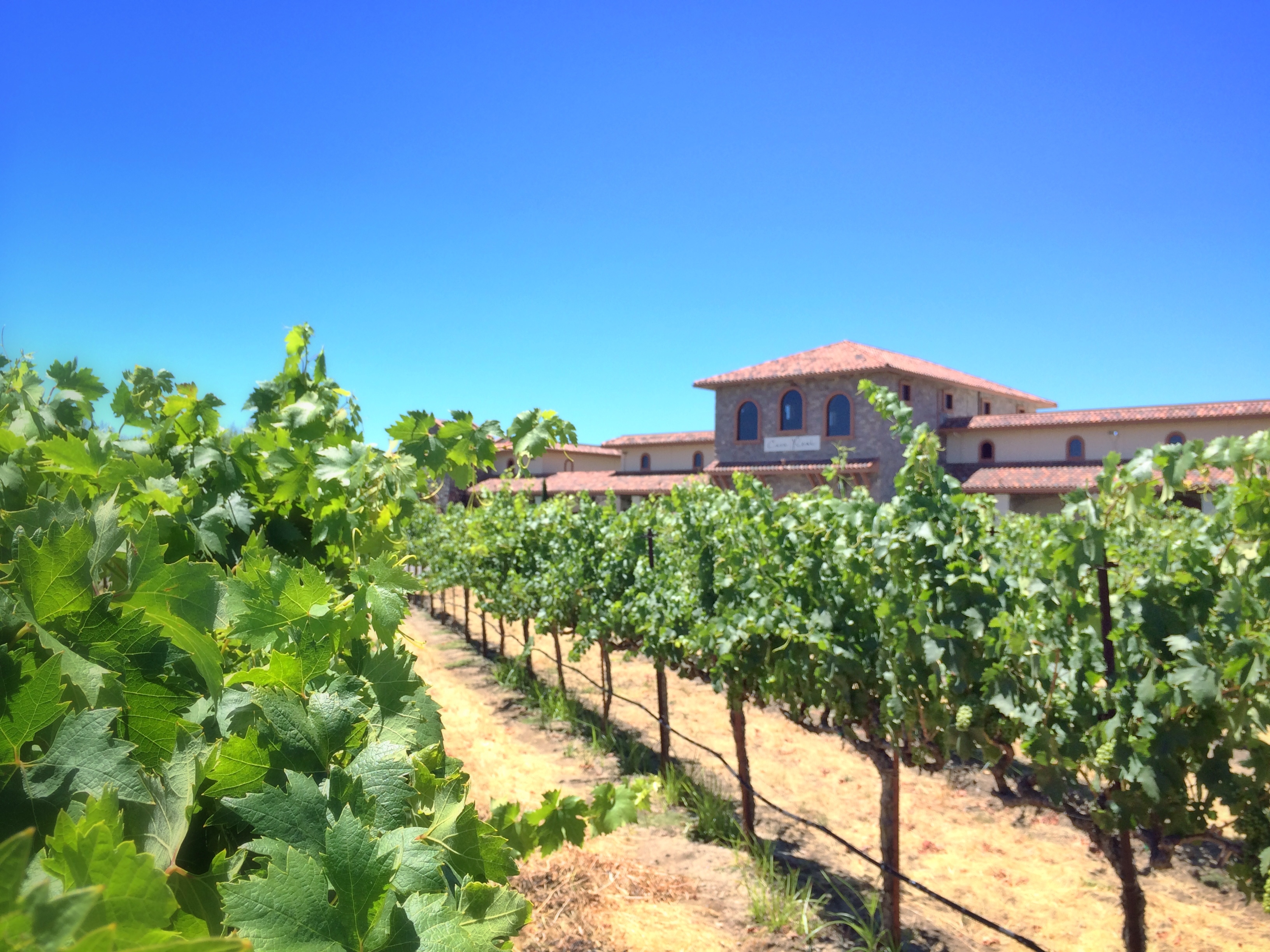
A standout draw is Wente Vineyards, one of the oldest family-owned wineries in California, founded in 1883 and still operated by the Wente family. The estate's tasting room, restaurant, and concert series draw visitors from across the Bay Area, and the property is just minutes from downtown Livermore. Together with a cluster of other tasting rooms along the Livermore Valley's Tesla and Livermore Valley wine trails, it anchors a wine scene that long predates the more famous Napa and Sonoma valleys just to the north.
Just south of the city, Del Valle Regional Park offers a 700-acre reservoir surrounded by oak-covered hills, with swimming beaches, a marina, miles of hiking and equestrian trails, and a campground. Drive time from central Livermore is about 15 minutes, and the park serves as a year-round escape for paddlers, picnickers, and hikers who want quick access to open space without leaving the Tri-Valley.
To the north, Mount Diablo State Park rises to one of the most expansive viewpoints in the Bay Area, with sightlines on clear days reaching to the Sierra Nevada, the Central Valley, and even the Farallon Islands. The summit and its network of trails are about 35 to 40 minutes from Livermore by car, making it a popular day trip for visitors who want a more rugged natural experience paired with their wine tasting or downtown exploring.
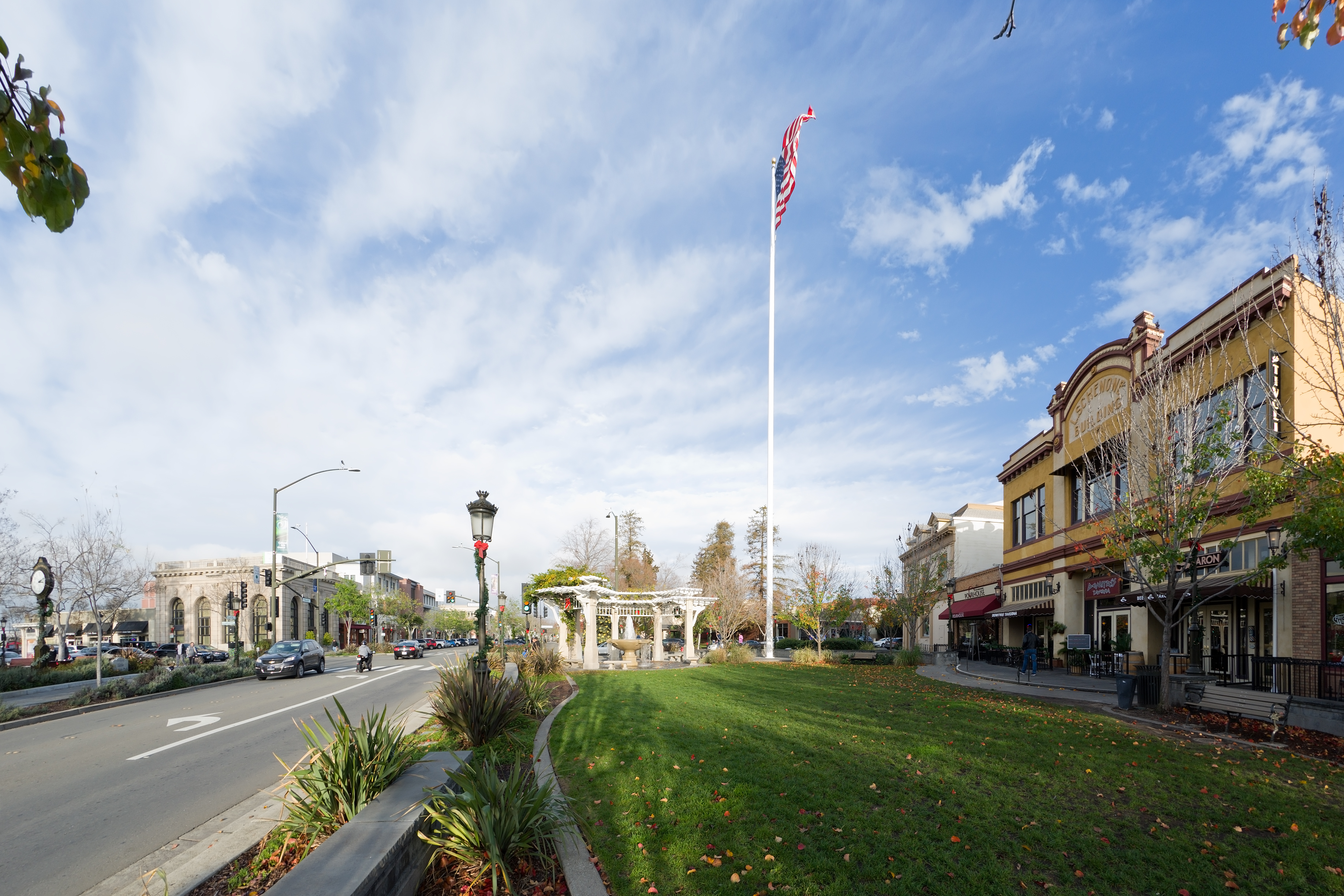
Downtown Livermore rounds out the offering with a walkable, historic main street lined with locally owned restaurants, breweries, and the Bankhead Theater, a regional performing arts venue that hosts national touring acts and community productions. Together, these anchors give the city a layered appeal that extends well beyond its reputation as a quiet East Bay suburb.
Livermore is a compelling base for short-term rentals because it blends the calm of a smaller city with the reach of the entire Bay Area. Guests can spend the morning hiking at Del Valle, the afternoon tasting wine in the Livermore Valley, and the evening catching a show downtown, all without ever needing to cross the Bay Bridge. For travelers who do want San Francisco, Oakland, or Silicon Valley, those destinations remain within an hour's drive, while visitors looking to stay local find enough food, wine, and outdoor space to fill a long weekend. That balance of accessibility and self-contained variety gives the city a strong year-round appeal for both leisure and visiting-family demand.
Want to know if a property in Livermore is a good investment?
Enter an address to get instant revenue potential and comps.