
Inverness, California
Want to see how Inverness compares to other top cities in California? Explore all city regulations in California. →
Inverness, CA
Challenging To Investors
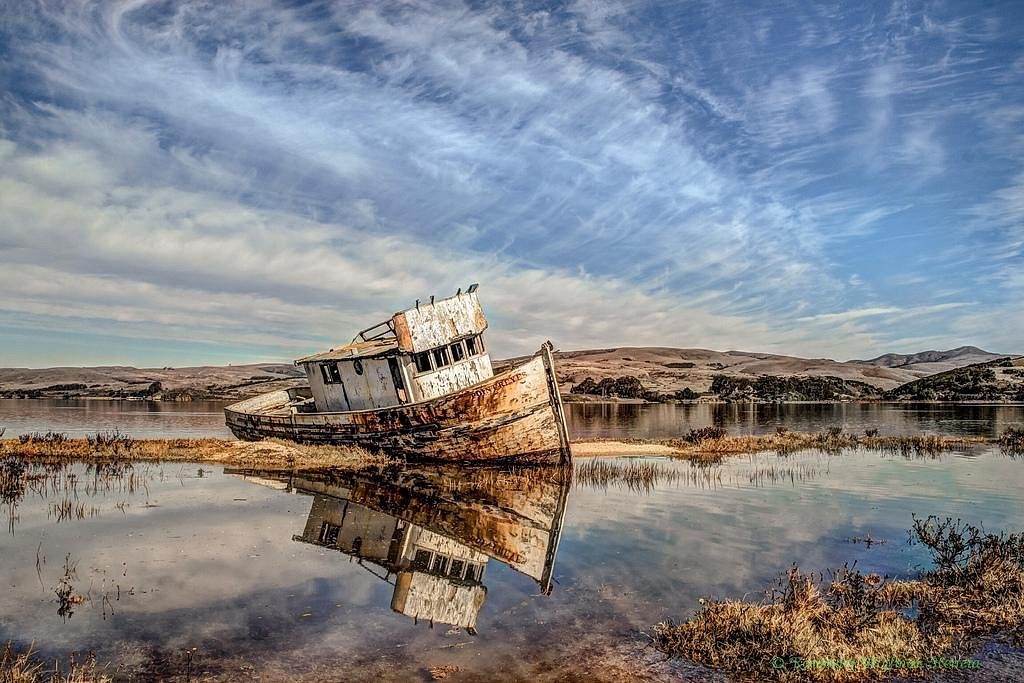
STR Regulations for Inverness, California
Inverness, California Short-Term Rental (STR) Guide
Overview: Are STRs allowed in Inverness?
- Short-term rentals (30 days or fewer) are allowed in Inverness, California (unincorporated Marin County) only within the caps established by Marin County’s updated short‑term rental ordinance. The new rules set a cap of 1,200 STRs in all unincorporated areas of Marin County, with specific caps for 18 coastal communities (including Inverness). A hard cap applies in Inverness; it is listed among the communities subject to individual caps. The cap in Inverness is set at 93 permits. Existing operators must reapply under the new system by July 1, 2025; new applications are being accepted, but no new licenses will be issued until after July 1, 2025, because the county must first see how many existing operators renew. A county-wide moratorium on new STRs in West Marin ended May 23, 2024, and the new ordinance has been approved by the California Coastal Commission.
Source links:
- www.avalara.com/mylodgetax/en/blog/2024/04/marin-county-california-sets-caps-for-short-term-rentals.html
- www.marinij.com/2025/01/05/marin-county-moves-to-implement-short-term-rental-rules/
- www.latimes.com/california/story/2024-05-24/marin-county-clamps-down-on-short-term-rentals
How to start a short-term rental business in this market
- Confirm eligibility and cap status
- Determine whether you are in unincorporated Marin County (Inverness is unincorporated).
- The county-wide cap is 1,200 STRs. Inverness is among the 18 communities with community-specific caps. The cap for Inverness is set at 93 permits.
- Because only one STR permit per person is allowed and renewals are required, you cannot assume a new license will be available in the near term. No new licenses will be granted until after July 1, 2025, pending how many current operators renew.
- Apply for the county STR license (new process now in effect)
- Submit a complete application to the Marin County Community Development Agency (CDA) by July 1, 2025 if you are an existing operator; first-time applicants may submit now, but new licenses won’t be issued until after July 1, 2025.
- If you are new and submitted your application by December 31, you may participate in a waiting-list lottery to determine order for future consideration.
- Complete required inspections and documentation
- Self-certified building safety and fire safety inspections.
- Water documentation:
- If on a private well: bacteriological potability test within the previous 12 months.
- If on a local water provider: bills or documentation of usage; if usage exceeds 250 gallons per day, submit strategies to reduce usage below that threshold within the next year or your license will not be renewed.
- Waste services: bills from an authorized waste collector demonstrating capacity for the rental’s garbage, recyclables, and organics.
- Septic (if applicable): inspection report by a licensed professional within the last 12 months demonstrating proper operation.
- Site plan: schematic showing property lines, all buildings, driveway, and the location/dimensions of on‑site parking spaces.
- Comply with taxes and ongoing obligations
- Obtain a Transient Occupancy Tax (TOT) certificate and collect/remit TOT from guests. Airbnb and Vrbo automatically collect TOT for Marin County bookings on their platforms; hosts are still responsible for compliance and filings.
- Include your STR permit number in all listings and advertisements.
- Operational rules and renewal
- Adhere to rules covering septic systems, parking, noise, trash, safety, and signage.
- Licenses are renewed every two years. Only one license per person is allowed (after a transition period for existing multi-license operators).
- Accessory Dwelling Units (ADUs) built in 2020 or later cannot be used as STRs.
- Multi-family building STR permits are not being issued starting January 1, 2024.
- If your STR is your primary residence at least six months a year, the license fee is $300; otherwise it is $600.
Source links:
- www.marinij.com/2025/01/05/marin-county-moves-to-implement-short-term-rental-rules/
- www.avalara.com/mylodgetax/en/blog/2024/04/marin-county-california-sets-caps-for-short-term-rentals.html
- www.latimes.com/california/story/2024-05-24/marin-county-clamps-down-on-short-term-rentals
Required documents, permits, licenses, and guidelines
- County STR business license (new two‑year license under updated ordinance).
- Local contact person designation (must be available to respond to issues).
- Water documentation:
- Well potability test (bacteriological) within 12 months if on private well; OR
- Water usage proof if served by local water provider, with reduction plan if usage exceeds 250 gallons/day.
- Waste service documentation (bills/contract showing capacity for waste, recyclables, organics).
- Septic inspection report (if served by private septic) by a licensed professional within 12 months.
- Schematic site plan (property lines, buildings, driveway, on‑site parking locations and dimensions).
- Self-certified building safety and fire safety inspections.
- TOT certificate and monthly filings/remittance.
- Inclusion of permit number in all listings/ads.
- Compliance with operational rules (septic, parking, noise, trash, safety, signage).
- License fee: $300 (primary residence at least six months/year); $600 (non-primary residence).
- Prohibitions/limits:
- Only one STR permit per person.
- No new permits for STRs in multi-family buildings (effective Jan 1, 2024).
- ADUs built in 2020 or later cannot be used as STRs.
Source links:
- www.marinij.com/2025/01/05/marin-county-moves-to-implement-short-term-rental-rules/
- www.avalara.com/mylodgetax/en/blog/2024/04/marin-county-california-sets-caps-for-short-term-rentals.html
Specific regulations for STRs (city/county/state)
- City: Inverness is an unincorporated community within Marin County; no separate city STR code applies. County rules govern STRs in Inverness.
- County (Marin County):
- Cap: 1,200 STRs across unincorporated Marin, with specific caps for 18 coastal communities (including Inverness, cap set at 93).
- Licenses renewed every two years; one license per person.
- No new multi-family STR permits (effective Jan 1, 2024).
- ADUs built in 2020 or later cannot be used as STRs.
- Listing/ads must include the STR permit number.
- Hosts must comply with rules on septic, parking, noise, trash, safety, and signage.
- Implementation deadlines: existing operators must apply by July 1, 2025; no new licenses issued until after that date. New applicants who applied by Dec 31 may enter a waiting‑list lottery.
- Former moratorium on new STRs in West Marin ended May 23, 2024.
- State (California):
- Hosts must register for, collect, and remit Transient Occupancy Tax (TOT) where applicable.
- Platforms (Airbnb, Vrbo) that facilitate bookings in unincorporated Marin County automatically collect and remit TOT on behalf of hosts.
Source links:
- www.avalara.com/mylodgetax/en/blog/2024/04/marin-county-california-sets-caps-for-short-term-rentals.html
- www.marinij.com/2025/01/05/marin-county-moves-to-implement-short-term-rental-rules/
- www.latimes.com/california/story/2024-05-24/marin-county-clamps-down-on-short-term-rentals
Contact information (local authority in charge of STRs)
- Marin County Community Development Agency (CDA)
- Responsible for STR license applications and program coordination.
- Program Coordinator: Daisy Sanchez (hired late September to coordinate the STR program).
- STR application portal: the CDA is accepting applications for existing operators and first-time applicants.
- For questions or to confirm current guidance and contacts, refer to Marin County’s STR pages:
- Tax/Compliance note:
- For TOT registration and filings, hosts should coordinate with Marin County tax authorities; platforms (Airbnb, Vrbo) collect TOT automatically for bookings in unincorporated Marin County. Hosts remain responsible for compliance.
Source links:
- www.marinij.com/2025/01/05/marin-county-moves-to-implement-short-term-rental-rules/
- www.marincounty.org/main/short-term-rentals
- www.marincounty.org/main/short-term-rental-ordinance-update
- www.avalara.com/mylodgetax/en/blog/2024/04/marin-county-california-sets-caps-for-short-term-rentals.html
Important notes and source links
- This guide summarizes STR regulations applicable to Inverness (unincorporated Marin County). Regulations are evolving; consult Marin County for the latest forms, deadlines, and interpretations.
- Source links used:
- www.avalara.com/mylodgetax/en/blog/2024/04/marin-county-california-sets-caps-for-short-term-rentals.html
- www.marinij.com/2025/01/05/marin-county-moves-to-implement-short-term-rental-rules/
- www.latimes.com/california/story/2024-05-24/marin-county-clamps-down-on-short-term-rentals
- www.marincounty.org/main/short-term-rentals
- www.marincounty.org/main/short-term-rental-ordinance-update
Disclaimer: This is an informational guide and not legal or tax advice. Always verify current requirements with Marin County and consult qualified professionals for legal and tax compliance.
What do Airbnb hosts actually earn in Inverness?
Inverness hosts earn a median $74,169/year with $404 ADR and 65% occupancy.
Top performers pull in $95,316+ per year.
See the full Inverness market breakdownNext step
Found a property in Inverness?
Paste any address and get estimated revenue, cash-on-cash return, and comparable STR performance in under 5 minutes. 3 free analyses per day.
Free brief
Get the free Inverness STR Investment Brief
Revenue data, top neighborhoods, seasonal trends, and the key regulations for Inverness, California in one email.
Inverness
Market Saturation Score
Photos of Inverness


Overview of Inverness
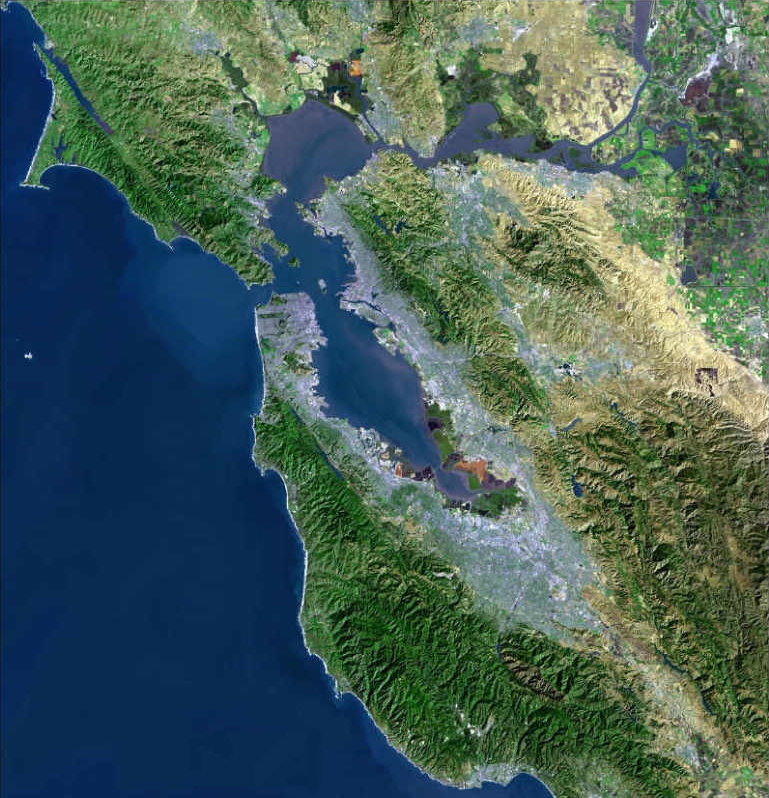
Inverness is a small, unincorporated coastal community in Marin County, California, situated on the western shore of Tomales Bay on the Point Reyes Peninsula. With a population of approximately 1,300, the town has the feel of a quiet, wooded village tucked into a landscape of rolling hills, working ranches, and bayfront shoreline. Inverness is best known as a gateway to Point Reyes National Seashore, one of the most expansive protected coastlines on the U.S. West Coast, and as a destination for kayaking, hiking, and oyster tasting along Tomales Bay. The community sits roughly 40 miles northwest of San Francisco, with typical drive times to the city of around 90 minutes to two hours depending on traffic and route.
Point Reyes National Seashore is the principal draw for visitors to Inverness. Encompassing more than 70,000 acres of headlands, forested ridges, and pastoral land, the seashore offers miles of hiking trails, windswept beaches, historic dairy ranches, and wildlife viewing areas that include a protected tule elk reserve. The Bear Valley Visitor Center, with its network of accessible trails through fern-lined canyons, lies only a few minutes' drive from town, while more remote corners of the park — including the iconic Point Reyes Lighthouse perched on the western cliffs — are roughly 30 to 40 minutes further along the park's winding roads.
Tomales Bay itself is one of the defining features of the area. The long, narrow inlet, separated from the Pacific Ocean by a thin strip of land, is a popular spot for kayaking, paddleboarding, and small-craft sailing. Several oyster farms operate along its shores and draw visitors who come to sample fresh shellfish at picnic tables right over the water. The bay's calm waters and pastoral surroundings give Inverness much of its character, and many visitors reach it by boat or paddle directly from the town's small waterfront.
Just a few miles inland, the small town of Point Reyes Station offers a walkable complement to the rural coast. Its short main street hosts bookshops, bakeries, and the original production site of Cowgirl Creamery, a well-known American cheesemaker. The drive between the two communities takes only about ten minutes and passes through open ranchland along the bay's eastern shore, making it a natural side trip for guests staying in Inverness.
Inverness's combination of seclusion, natural beauty, and proximity to one of California's most beloved national seashores makes it a particularly strong base for short-term rentals. Travelers who stay there tend to be seeking a slower, nature-oriented escape within easy reach of the San Francisco Bay Area, and the community's mix of bayfront access, trailheads, and small-town amenities gives guests both a sense of retreat and plenty of things to do.
Want to know if a property in Inverness is a good investment?
Enter an address to get instant revenue potential and comps.