
Killington, Vermont
Want to see how Killington compares to other top cities in Vermont? Explore all city regulations in Vermont. →
Killington, VT
Generally Investor Friendly
STR Regulations for Killington, Vermont
Overview
Short-term rentals are explicitly allowed in Killington, Vermont, subject to compliance with town registration requirements and specific operational regulations. The Town of Killington has implemented a formal short-term rental registration program that requires property owners to obtain a permit before renting their properties for stays of fewer than 30 consecutive days. This guide provides comprehensive information for investors considering entering the Killington short-term rental market.
What do Airbnb hosts actually earn in Killington?
Killington hosts earn a median $41,202/year with $439 ADR and 43% occupancy.
Top performers pull in $63,178+ per year.
See the full Killington market breakdownStarting a Short-Term Rental Business in Killington
Step 1: Registration Process
The Town of Killington requires all short-term rental operators to register with the Zoning Administrator through the online GovOS system. Each STR unit requires a separate registration application and permit fee.
Key Requirements:
- Complete STR Registration application through the online portal
- Pay annual registration fees (renewed November 1-October 31)
- Renew annually by November 15th (no pro-rated fees available)
- Submit required documentation and insurance proof
Step 2: Determine Capacity and Compliance
- Calculate maximum occupancy based on approved bedrooms (2 occupants per bedroom + 2 additional)
- Verify bedroom count through state permits or town records
- Schedule required inspections if occupancy exceeds 8 guests
- Ensure compliance with zoning district restrictions
Step 3: Operational Setup
- Designate a responsible operator (owner may serve in this capacity)
- Maintain 24/7 phone availability during rental periods
- Arrange appropriate insurance coverage
- Install required safety equipment (Knox Box, alarm systems)
- Establish off-street parking arrangements
Required Documents, Permits, Licenses, and Guidelines
Municipal Requirements
Primary Permits:
- STR Registration Certificate (issued through GovOS system)
- Zoning Compliance verification
- Wastewater and Water Supply Permit (state-level)
- Land Use (Act 250) Permit (if applicable)
Documentation Requirements:
- Proof of insurance specific to short-term rental operations
- Fire Safety inspection report (for properties with >8 guests occupancy)
- Completed "Short Term Rental Safety, Health and Financial Obligations" form
- Acknowledgement of Killington's False Alarm Ordinance
- Property parcel identification number
- Unit number (if applicable)
State-Level Requirements
- Vermont Meals and Rooms Tax Registration (required if renting >14 days annually)
- Division of Fire Safety compliance inspection
- Health Department Lodging License (if operating 3+ units or serving food)
Specific Regulations for Short-Term Rentals
Occupancy Limits
- Maximum occupancy calculation: 2 occupants per approved bedroom + 2 additional occupants
- Maximum overall limit: 16 guests per STR unit
- For condominiums: Occupancy determined by Act 250 permit (the "+2" additional occupants exception does not apply)
Zoning District Restrictions
- STRs with ≤16 guests: Permitted in all zoning districts
- STRs with >16 guests: Not permitted in Forest Reserve and Residential 1 and 3 zoning districts
Operational Requirements
Safety and Accessibility:
- Fire Safety inspection required for occupancies >8 guests
- Alarm systems must include call-in feature and Knox Box installation
- Post "Short Term Rental Safety, Health and Financial Obligations" form in all units
Guest Management:
- Off-street parking mandatory (no on-street parking for guests)
- Designated operator must be phone-available during all rental periods
- Occupancy limits must be strictly enforced
Insurance and Legal:
- Declaration of insurance coverage specific to short-term rental use required
- Acknowledgement of False Alarm Ordinance compliance
- Annual registration renewal mandatory
Fees Structure (2023-2024)
- 1-2 bedroom unit: $150 annually
- 3 bedroom unit: $200 annually
- 4+ bedroom unit: $250 annually
State-Level Regulations (Vermont)
Tax Obligations
- Meals and Rooms Tax: 3% surcharge implemented August 1, 2024
- Registration requirement: Mandatory for rentals exceeding 14 days per calendar year
- Advertising compliance: Tax account numbers must be posted on all online advertisements
Safety Standards
- Division of Fire Safety oversight: Residential Rental Housing Health and Safety Code compliance
- Inspection requirements: Regular safety inspections mandatory
- Liability provisions: Violations constitute prima facie evidence of negligence in civil actions
Food Service Regulations
- Lodging License required: If serving food or operating 3+ units
- Separate taxation: Meals served subject to additional tax requirements
Contact Information for Local Authorities
Primary Contacts
Town of Killington Planning Department
- Address: 2706 River Road, Killington, VT 05751
- Phone: (802) 422-3241 Ext. 3
- Fax: (802) 422-3030
- Email: planner@killingtontown.com
- Alternative STR Email: str@killingtontown.com
- Hours: 9:00 AM to 4:00 PM, Monday through Friday
STR Registration Support (GovOS)
- Phone: 1-888-751-1911
- Email: blt.str.support@govos.com
- Online Portal: killington.munirevs.com/
- Hours: Monday-Friday, 8:00 AM to 5:00 PM
State-Level Contacts
Vermont Division of Fire Safety (Rutland Office)
- Phone: (802) 279-0946 (alternative: 802-786-5867)
- Purpose: Inspection scheduling and safety compliance questions
Vermont Department of Health
- Program: Food and Lodging Establishments
- Purpose: Lodging license requirements
Complaint and Enforcement
STR Complaint Hotline
- Phone: (802) 308-3659
- Availability: 24/7
- Purpose: Non-emergency STR issues (noise, parking, occupancy, trash)
Online Complaint Portal
- Website: lodging.munirevs.com/complaint/?cityid=880
- Features: Audio, video, and document upload capability
Emergency Contact
- Phone: 911
- Purpose: Any emergency situations
Source Pages
- Town of Killington - Short-Term Rental Registration: www.killingtontown.com/short-term-rental
- Killington STR Information Portal: www.killingtontown.com/index.asp?SEC=E2B275E7-9C02-416F-96B9-57A92F367A0E&DE=D2929356-36AF-40FF-BE80-EF9414F56E04
- Killington Online Registration Portal: killington.munirevs.com/
- Vermont Division of Fire Safety - Short-Term Rental Checklist: firesafety.vermont.gov/buildingcode/codesheets
- Airbnb - Killington VT Regulations: www.airbnb.com/help/article/3190
- Killington Vacation Rentals - Registration Guide: killingtonvacationrentals.com/killington-short-term-rental-registration/
- MSK Attorneys - Vermont STR Regulations: www.mskvt.com/vermont-short-term-rental-regulations-property-owners/
Important Note: This guide is based on current regulations as of the date provided. Investors should verify current requirements and fees with local authorities before proceeding, as regulations and fees may change. Consider consulting with local legal counsel to ensure full compliance with all applicable laws and regulations.
Next step
Found a property in Killington?
Paste any address and get estimated revenue, cash-on-cash return, and comparable STR performance in under 5 minutes. 3 free analyses per day.
Free brief
Get the free Killington STR Investment Brief
Revenue data, top neighborhoods, seasonal trends, and the key regulations for Killington, Vermont in one email.
Killington
Market Saturation Score
Photos of Killington

Overview of Killington
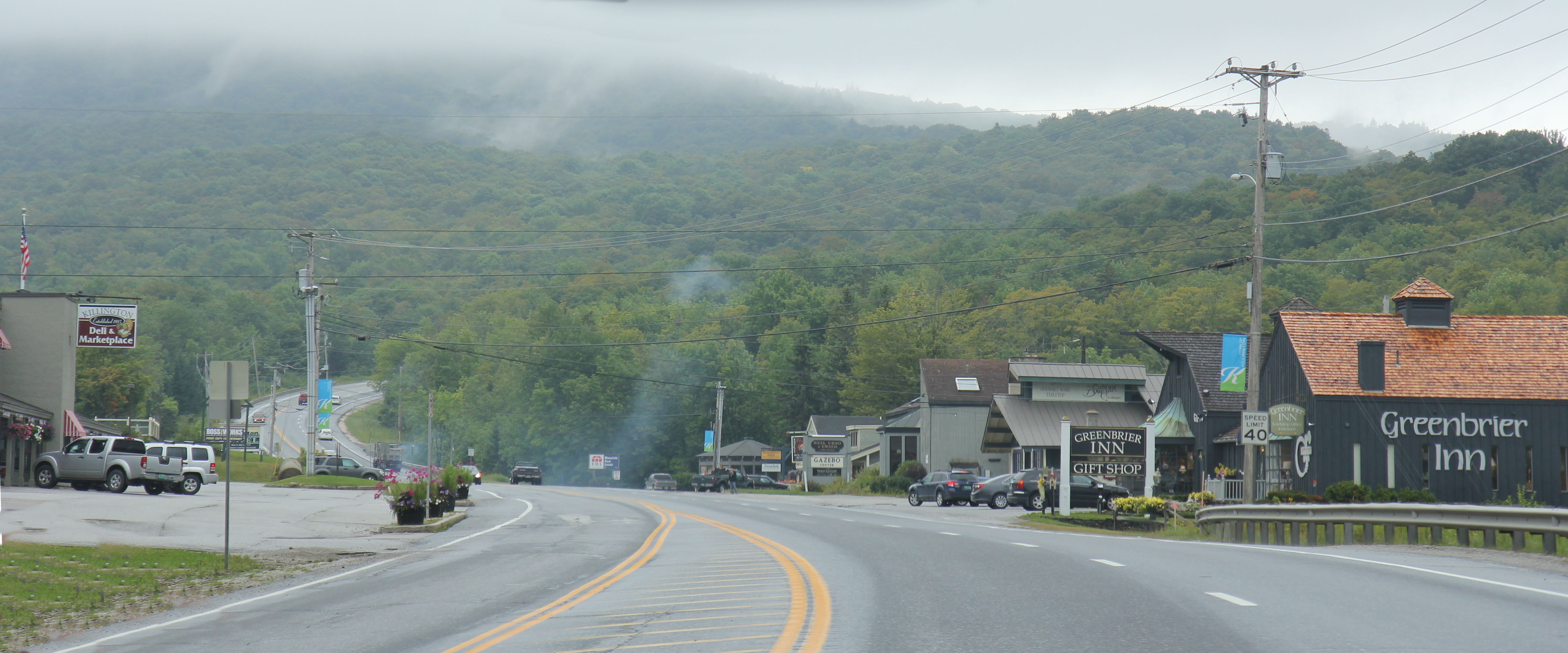
Killington is a small resort town in Rutland County, Vermont, set in the heart of the Green Mountains. Its year-round population is roughly 800, though that figure swells considerably during peak seasons with second-home owners and visitors. The town is best known as the home of the largest ski area in eastern North America, and it serves as a four-season mountain destination for travelers from across the Northeast. It lies approximately 140 miles northwest of Boston and about 220 miles north of New York City, placing it within a long weekend's drive for tens of millions of potential visitors.
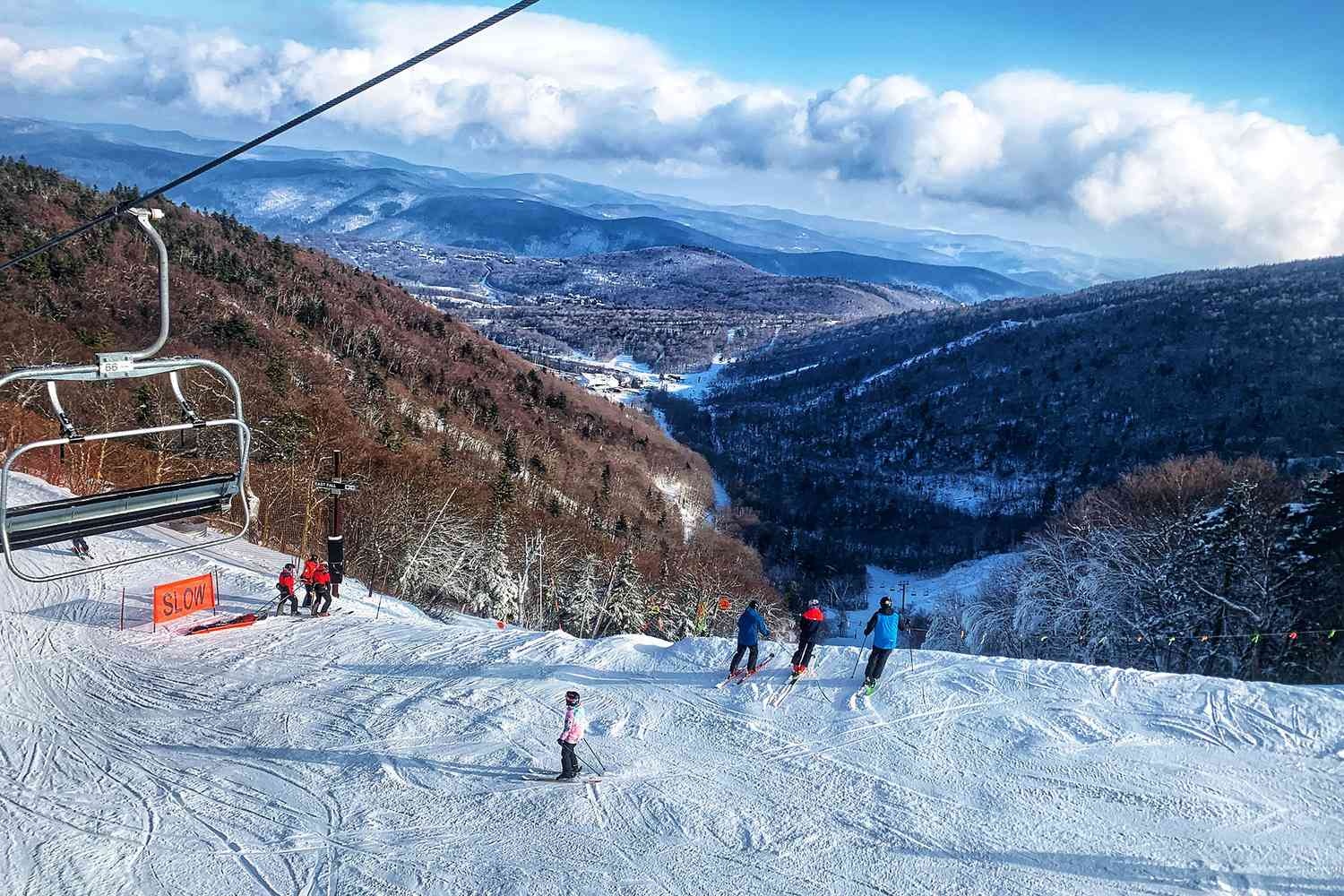
Killington Ski Resort defines the town in winter, with more than 150 trails spread across multiple peaks and the highest skiable elevation in the state. The resort typically operates from late November into May and has helped establish Killington as one of the most recognizable ski brands on the East Coast. In summer, the same mountain converts to a hub for mountain biking, scenic gondola rides, and a calendar of music and events that draws a different but equally enthusiastic crowd.
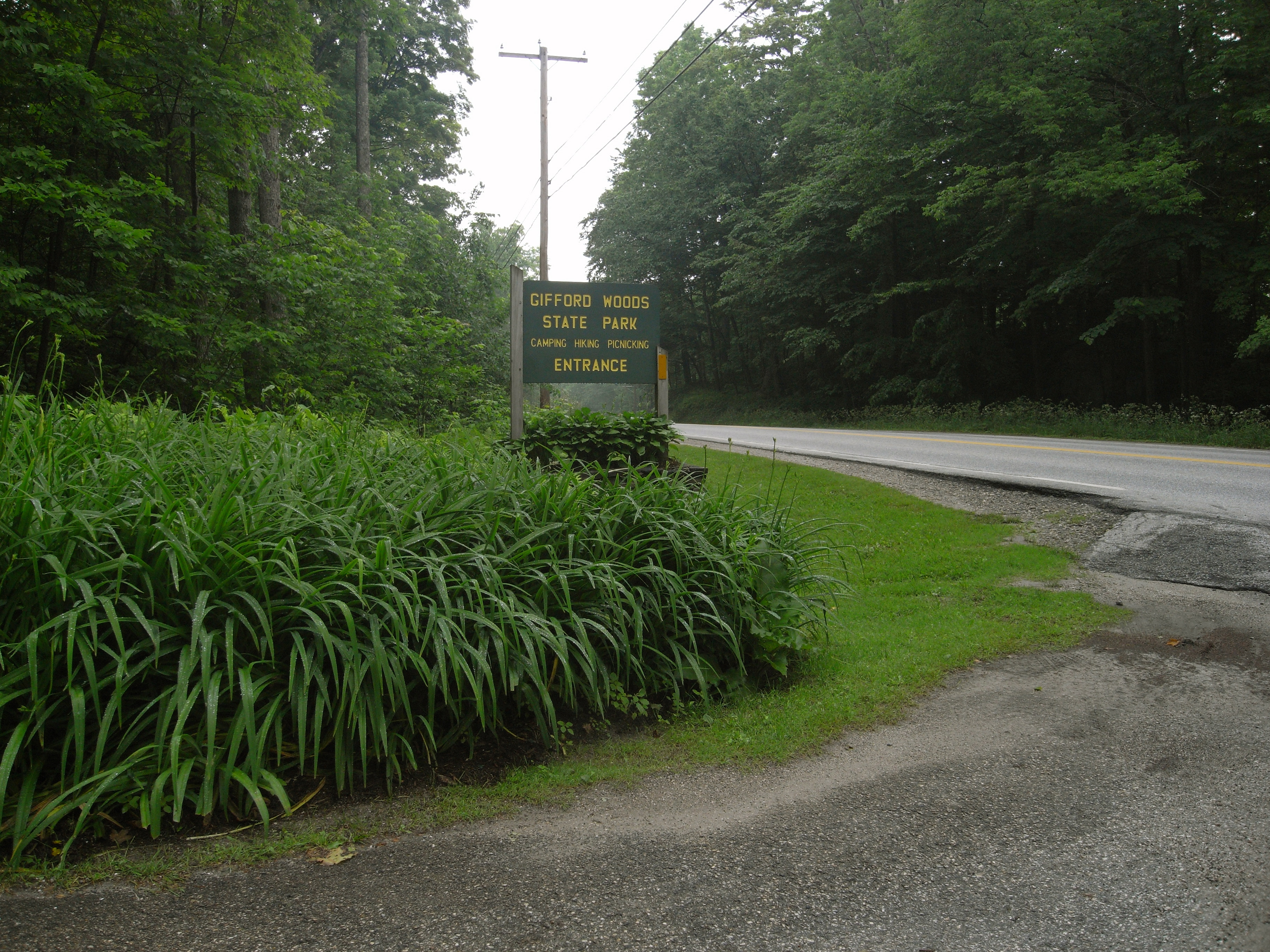
A short drive from the base lodge, Gifford Woods State Park offers a calmer counterpoint to the resort's energy. The park features an old-growth northern hardwood forest, picnic areas, and direct trail connections to the Long Trail, Vermont's section of the broader Appalachian Trail corridor. It is a popular stop for families seeking a more traditional outdoor experience within minutes of the resort.
About 25 minutes south, the village of Woodstock adds a second anchor to the region. Visitors come for the covered bridges, the Marsh–Billings–Rockefeller National Historical Park, and a tidy main street lined with inns, restaurants, and independent shops. Woodstock pairs naturally with a Killington stay, rounding out a mountain vacation with classic New England charm and a noticeably slower pace.
For short-term rental owners, Killington stands out for the strength of its four-season draw. Winter brings reliable snow and a steady flow of skiers, while summer and fall deliver hikers, mountain bikers, and leaf-peepers. Limited on-mountain lodging and a relatively small housing stock help support healthy occupancy and nightly rates, and the steady feeder markets of Boston, New York, and Hartford keep demand consistent throughout the year.
Want to know if a property in Killington is a good investment?
Enter an address to get instant revenue potential and comps.