
Lexington, Virginia
Want to see how Lexington compares to other top cities in Virginia? Explore all city regulations in Virginia. →
Lexington, VA
Challenging To Investors

STR Regulations for Lexington, Virginia
Overview: Are Short-Term Rentals Allowed in Lexington, VA?
YES, short-term rentals are allowed in Lexington, Virginia, but with significant restrictions. Lexington operates under Rockbridge County zoning regulations, which impose strict limitations based on property zoning classification and rental type. The regulatory environment is complex and varies significantly between residential, agricultural, and business zoning districts.
Key Restriction for Investors: Whole-house short-term rentals are prohibited in all residential zoning districts within Rockbridge County/Lexington. This is a critical limitation for investment strategies focused on entire home rentals.
What do Airbnb hosts actually earn in Lexington?
Lexington hosts earn a median $31,427/year with $233 ADR and 48% occupancy.
Top performers pull in $43,327+ per year.
See the full Lexington market breakdownHow to Start a Short-Term Rental Business in Lexington, VA
Starting an STR business in Lexington requires navigating county zoning regulations, obtaining proper permits, and ensuring compliance with multiple regulatory bodies. The process differs substantially based on your property's zoning classification and intended rental type.
Step 1: Zoning Classification Assessment
Critical First Step: Determine your property's zoning classification before proceeding with any plans. Contact the Office of Community Development to confirm zoning classification, as this directly determines what type of STR operations are legally permissible.
Zoning Districts and Permitted STR Types:
Residential Districts (R-1, R-2):
- Whole-house rentals: NOT permitted
- Partial rentals: Only allowed through special exception as Bed & Breakfast Homestay
- Investment Strategy Implication: Traditional whole-home Airbnb operations are prohibited
Agricultural Districts (A-1, A-2, A-T):
- Whole-house rentals: Permitted as Tourist Home
- Partial rentals: Permitted as Bed & Breakfast Homestay, Bed & Breakfast Inn, or Tourist Home
- Enhanced options: Country Inn, Lodge, or Resort available through special exception
Business Districts (B-1, B-2):
- Whole-house rentals: Permitted as Tourist Home
- Partial rentals: Permitted as Bed & Breakfast Homestay, Bed & Breakfast Inn, Country Inn, or Tourist Home
- Note: B-2 district requires special exception permits for all STR types
Step 2: Define Your STR Business Model
Based on zoning restrictions, select from these legally defined STR types:
Bed & Breakfast Homestay:
- Owner-occupied residence
- 1-3 guest rooms maximum
- Breakfast service included
- Supplemental income source (not primary)
- No property signage typically displayed
Bed & Breakfast Inn:
- Private home primarily used for lodging
- Owner may live on-premises
- Property signage displayed
- Direct booking encouraged
- Major income source
Country Inn:
- Property primarily used for lodging
- Restaurant operation on-premises
- Meals served to guests and general public
- Owners may or may not live on-premises
Tourist Home:
- Lodging-only services
- Up to 5 bedrooms permitted
- No meal service required
Step 3: Permit Application Process
For Residential Districts: Apply for Special Exception Use Permit through the Office of Community Development.
For Agricultural and Business Districts: Standard permitted use application process (special exception may still be required for certain operations like Country Inns).
Required Documents, Permits, Licenses, and Guidelines
Mandatory Registrations and Licenses
1. Short-Term Rental Registry Registration
- Required for: All STR operators
- Registration Authority: Commissioner of the Revenue
- Purpose: Official listing in county STR registry
- Timeline: Must be completed before operation begins
2. Rockbridge County Business License
- Required for: STR owners as determined by Commissioner of the Revenue
- Application: Through Commissioner of the Revenue office
- Note: Not all STR operations may require this license; contact office for determination
Permitting Requirements by Zoning District
Residential Districts (R-1, R-2):
- Special Exception Use Permit (required for all STR operations)
- Application through Office of Community Development
- Public hearing process required
- Approval subject to zoning compliance review
Agricultural Districts (A-1, A-2, A-T):
- Standard permitting process for permitted uses
- Special Exception required for Country Inn, Lodge, or Resort operations
- Building permits may be required for structural modifications
Business Districts (B-1, B-2):
- Standard permitting for B-1 district permitted uses
- Special Exception required for all STR types in B-2 district
- Enhanced compliance requirements due to business zoning
Documentation Requirements
- Property deed or lease agreement
- Site plan showing property boundaries and structures
- Floor plans identifying rental areas
- Proof of property insurance
- Owner identification and contact information
- Emergency contact information for property manager (if applicable)
Specific Regulations for Short-Term Rentals
Zoning Compliance by District
Residential Zoning Districts (R-1, R-2):
- Prohibition: Whole-house short-term rentals completely prohibited
- Permitted Use: Non-whole-house rentals only as Bed & Breakfast Homestay through special exception
- Investment Limitation: Traditional entire home Airbnb operations not viable
- Strategy Required: Focus on shared occupancy models or consider alternative zoning
Agricultural Zoning Districts (A-1, A-2, A-T):
- Whole-House Rentals: Permitted as Tourist Home classification
- Partial Rentals: Multiple options available (Homestay, Inn, Tourist Home)
- Enhanced Operations: Country Inn, Lodge, Resort through special exception
- Investment Opportunity: Most flexible zoning for STR operations
Business Zoning Districts (B-1, B-2):
- B-1 District: Permitted uses include Homestay, Inn, Country Inn, Tourist Home
- B-2 District: All STR operations require special exception approval
- Commercial Considerations: Higher regulatory oversight due to business zoning
Operational Restrictions
- Minimum Stay: Less than 30 consecutive days (definition threshold)
- Meal Service: Required for Homestay and Inn classifications; optional for Tourist Home
- Signage: Restricted based on STR type and zoning district
- Occupancy: Limits determined by building codes and zoning regulations
- Parking: Must comply with zoning district parking requirements
Building and Safety Compliance
- All STR properties must meet Virginia Uniform Statewide Building Code requirements
- Life safety systems must be maintained and accessible
- Emergency egress requirements must be satisfied
- Accessibility compliance may be required depending on property modifications
State-Level Regulations (Virginia)
Virginia state law provides the foundational framework for local STR regulations:
State Tax Obligations
- Transient Occupancy Tax: Collected and remitted per state requirements
- Sales Tax: Applicable to STR operations per Virginia law
- Income Tax: STR income subject to federal and state income tax reporting
State Building and Safety Codes
- Virginia Uniform Statewide Building Code applies to all STR properties
- State fire safety regulations for transient lodging
- Americans with Disabilities Act compliance for public accommodations
State Business Licensing
- Virginia business registration may be required depending on operation structure
- State professional licensing not specifically required for STR operations
- Workers' compensation requirements if employees are hired
Contact Information for Local Authorities
Primary Regulatory Agencies
Rockbridge County Office of Community Development
- Address: County Admin. Building, 150 Main St., Lexington, VA 24450
- Phone: 540-464-9662
- Email: cslaydon@rockbridgecountyva.gov
- Role: Zoning compliance, special exception permits, planning coordination
- Hours: Monday-Friday, 8:00 AM - 5:00 PM
Rockbridge County Commissioner of the Revenue
- Address: 150 South Main St., Lexington, VA 24450
- Phone: 540-463-3431
- Role: STR registry registration, business license determination
- Services: Property tax assessment, business licensing
City of Lexington Contacts
Planning and Development Department
- Director: Arne Glaeser
- Email: aglaeser@lexingtonva.gov
- Address: 300 E. Washington St., Lexington, VA 24450
- Phone: 540-462-3704
- Fax: 540-463-5310
- Hours: Monday-Friday, 8:00 AM - 5:00 PM
Lexington City Hall
- Main Phone: 540-462-3700
- Address: 300 E. Washington St., Lexington, VA 24450
- Website: www.lexingtonva.gov
Links to Source Pages
Rockbridge County Short-Term Rental Zoning Regulations (October 20, 2021):
Lexington Planning and Development Department:
Lexington Short-Term Rental Fact Sheet:
Lexington Short-Term Rental Application:
Lexington Zoning Ordinance (March 20, 2025):
Lexington Zoning Map (October 5, 2017):
Lexington Zoning Land Use Matrix (March 20, 2025):
Investment Strategy Implications and Recommendations
Market Viability Assessment
For Traditional Whole-Home Rentals: Limited to agricultural and business zoned properties, significantly constraining investment opportunities in primarily residential areas.
For Shared Occupancy Models: Viable option in residential districts through Bed & Breakfast Homestay classification, but requires owner presence and operational model adjustment.
For Agricultural Properties: Most promising investment category with multiple STR type options and whole-house rental permissions.
Regulatory Compliance Strategy
- Due Diligence Priority: Confirm exact zoning classification before property acquisition
- Legal Structure: Consider business entity formation for STR operations
- Insurance Review: Ensure adequate coverage for chosen STR classification
- Professional Consultation: Engage local planning and legal professionals familiar with Rockbridge County regulations
Market Entry Recommendations
- Focus investment search on agricultural zoned properties for maximum STR flexibility
- Consider transitioning existing residential STRs to compliant models or alternative uses
- Develop relationships with local planning officials early in the process
- Budget additional time and costs for special exception permit processes where required
The regulatory environment in Lexington, VA requires careful navigation, but viable STR opportunities exist, particularly for properties outside residential zoning districts. Success depends on thorough pre-acquisition due diligence and alignment of business models with local zoning restrictions.
Next step
Found a property in Lexington?
Paste any address and get estimated revenue, cash-on-cash return, and comparable STR performance in under 5 minutes. 3 free analyses per day.
Free brief
Get the free Lexington STR Investment Brief
Revenue data, top neighborhoods, seasonal trends, and the key regulations for Lexington, Virginia in one email.
Lexington
Market Saturation Score
Photos of Lexington

Overview of Lexington
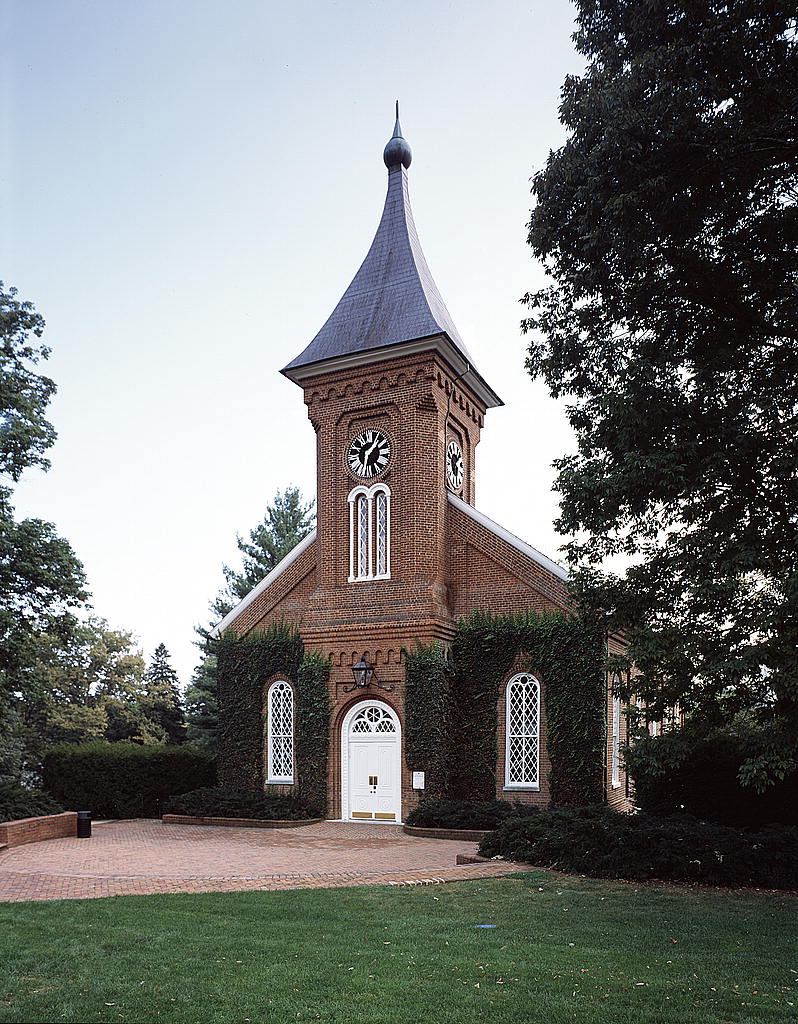
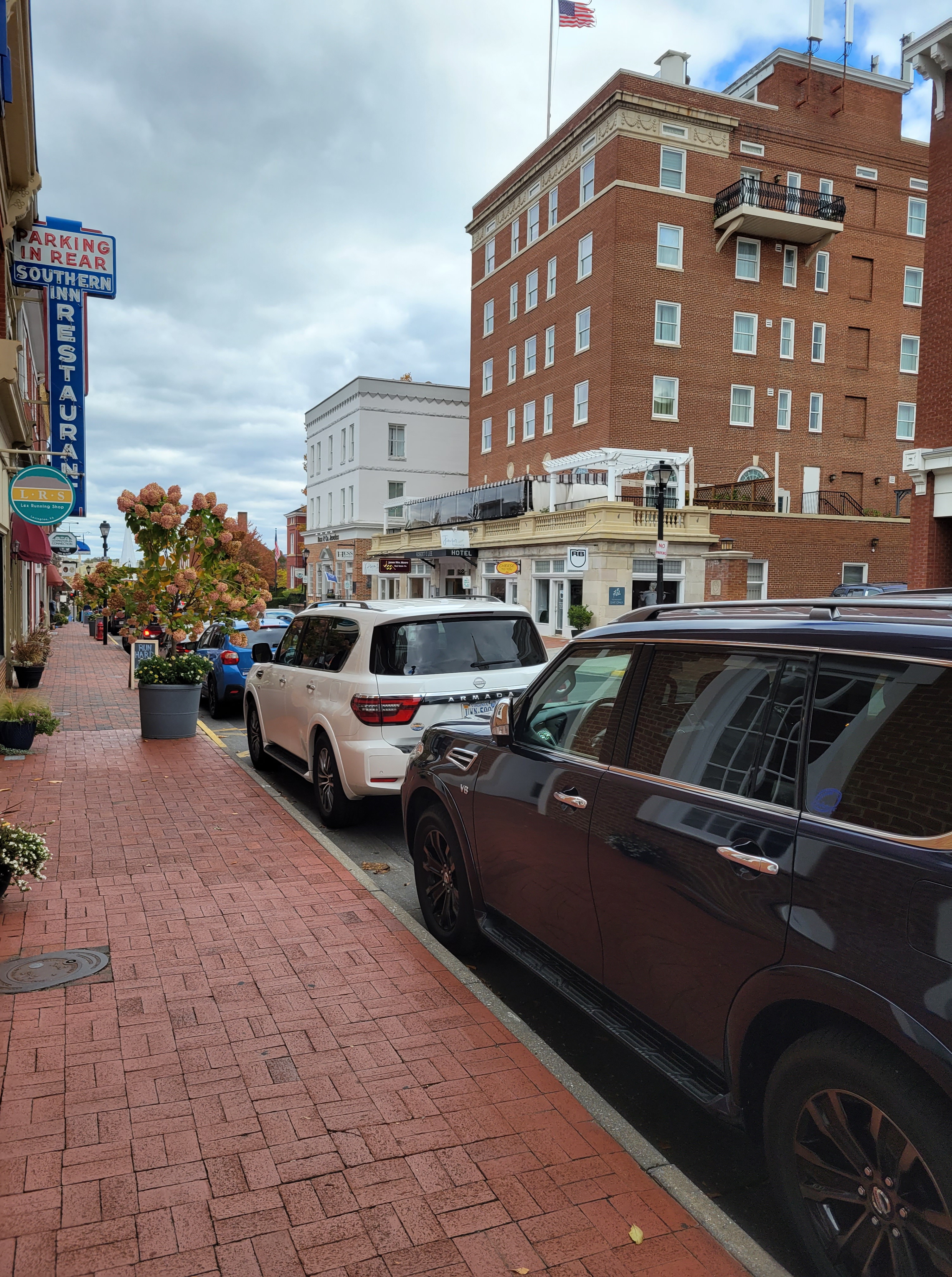
Lexington is a small independent city in west-central Virginia, nestled in the Shenandoah Valley at the southern end of Rockbridge County, where the Maury River winds between the Allegheny and Blue Ridge Mountains. With a population of roughly 7,000, it has the feel of a historic Southern college town, its brick storefronts and leafy streets anchored by two prestigious institutions, Washington and Lee University and the Virginia Military Institute. The city carries a strong Civil War legacy and a quieter Appalachian pace, drawing visitors who come for fall foliage, horse shows, and a glimpse of small-town Virginia. It sits about 55 miles north of Roanoke and roughly 180 miles southwest of Washington, D.C., making it a convenient stopover for travelers exploring the mid-Atlantic.
A short drive south of town, Natural Bridge State Park showcases a 215-foot-tall limestone arch carved by Cedar Creek, once surveyed by a young George Washington and long considered one of the natural wonders of the New World. The park is roughly 15 miles from downtown and adds a same-day excursion option to any stay, with walking trails, a Monacan Indian exhibit, and a sky lift ascending to the rim of the gorge. History-minded visitors often pair the park with the nearby Virginia Safari Park and the small cluster of antique shops along Route 11.
Within the city itself, the Virginia Military Institute campus anchors Lexington's identity, with its distinctive barracks, the VMI Museum, and the Stonewall Jackson House where the Confederate general lived before the war. Across town, Washington and Lee University draws visitors to Lee Chapel, final resting place of Robert E. Lee and a landmark of nineteenth-century campus architecture. Together the two schools give Lexington a year-round calendar of lectures, sporting events, and cadet parades that lend the small downtown a steady rhythm of foot traffic.
Outdoor recreation lies in every direction. The Blue Ridge Parkway reaches Lexington from the east within about 30 minutes, threading travelers toward the Shenandoah National Park skyline roughly 70 miles to the north. Closer in, the Chessie Nature Trail and the surrounding George Washington National Forest offer biking, horseback riding, and trout fishing along the Maury, while Douthat State Park, about 35 miles to the north, adds a 50-acre lake and miles of forested hiking loops.
Lexington works as a short-term-rental base precisely because it pairs walkable small-city amenities with a remarkably broad set of nearby landscapes. Guests can spend mornings browsing galleries on Main Street, afternoons on Civil War-era footpaths, and evenings watching the sun drop behind the Alleghenies, all from a single address. That combination of collegiate energy, layered history, and immediate access to both valley and mountain is a hard one to replicate elsewhere in Virginia.
Want to know if a property in Lexington is a good investment?
Enter an address to get instant revenue potential and comps.