
Clifton Forge, Virginia
Want to see how Clifton Forge compares to other top cities in Virginia? Explore all city regulations in Virginia. →
Clifton Forge, VA
Challenging To Investors
STR Regulations for Clifton Forge, Virginia
Overview: Are Short-Term Rentals Allowed in Clifton Forge, VA?
Yes, short-term rentals are allowed in Clifton Forge, Virginia, but the regulatory landscape is complex and involves multiple jurisdictions. Short-term rentals operate under Virginia state law, with potential county-level zoning restrictions from Alleghany County (where Clifton Forge is located), and local oversight through various departments. The specific allowance depends on zoning classifications and compliance with state and local requirements.
What do Airbnb hosts actually earn in Clifton Forge?
Clifton Forge hosts earn a median $21,974/year with $166 ADR and 55% occupancy.
Top performers pull in $29,203+ per year.
See the full Clifton Forge market breakdownHow to Start a Short-Term Rental Business in Clifton Forge
Step 1: Understand the Legal Framework
Clifton Forge operates within Alleghany County's jurisdiction for zoning purposes, while the Town of Clifton Forge provides municipal services and oversight. Short-term rentals must comply with:
- Virginia State Law: Virginia Code Title 58.1, Chapter 35, Article 3.1 (Short-Term Rental Property)
- County Zoning Regulations: Alleghany County Chapter 66-Zoning (subject to recent amendments)
- Local Requirements: Town building permits, inspections, and code enforcement
Step 2: Verify Zoning Compliance
According to proposed Alleghany County regulations (2021), short-term rental allowances vary by zoning district:
- Agricultural Residential (AR) Zone: Allowed by right
- Residential R-2 Zone: Requires special use permit
- Residential R-1 Zone: Not permitted
Step 3: Property Assessment
Ensure your property meets all residential structure requirements including:
- Building code compliance
- Septic system approval (if applicable)
- All necessary utilities
- Property maintenance standards
Required Documents, Permits, Licenses, and Guidelines
State-Level Requirements (Virginia)
-
Certificate of Registration - Required under Virginia Code § 58.1-3510.5
- Filed with Commissioner of the Revenue
- Must designate anticipated business classification
- Available for new businesses based on anticipated income thresholds
-
Business Classification Requirements
- Standard short-term rental: 80% of gross rental receipts from rentals ≤92 days
- Heavy equipment rental: 60% of gross rental receipts from rentals ≤270 days
Local Requirements
-
Building Permits
- All new construction and upgrades require permits
- Obtain permits through Alleghany County Building Inspector
- Must comply with Virginia Uniform Statewide Building Code
-
Zoning Applications (if applicable)
- Special use permits for R-2 zones
- Zoning applications through Town Planning & Community Development
- Forms available at Town Hall
-
Business License (if operating commercially)
Ongoing Compliance
- Property Maintenance: Town code enforcement oversight
- Tax Registration: State and local tax obligations
- Annual Renewals: Registration and permit renewals as required
Specific Regulations by Jurisdiction
Virginia State Regulations
Virginia Code § 58.1-3510.4 establishes the legal framework:
- Definition: Short-term rental property includes all tangible personal property held for rental by persons engaged in short-term rental business
- Exclusions: Trailers and property requiring DMV, Wildlife Resources, or Department of Aviation licensing
- Taxation: Separate classification for merchants' capital; localities may tax under § 58.1-3509 or impose tax under § 58.1-3510.6
- Business Tests:
- 80% income threshold for standard rentals ≤92 days
- 60% income threshold for heavy equipment rentals ≤270 days
- Certification Process: Application to Commissioner of the Revenue
- Decertification: Loss of certification if business fails to meet income thresholds
Alleghany County Zoning Regulations
Proposed Amendments to Chapter 66-Zoning (under review since 2021):
- Short-Term Rental Definition: Properties rented for less than 30 days
- Zoning Allowances:
- AR Zone: Permitted by right
- R-2 Zone: Special use permit required
- R-1 Zone: Prohibited
- Commercial Use Classification: Subject to zone district regulations
- Owner Application Required: Must submit short-term rental application to zoning office
- Compliance Requirements: Must meet all residential structure codes (building permits, septic, etc.)
Town of Clifton Forge Requirements
Building and Safety:
- Virginia Uniform Statewide Building Code compliance
- Building permits through Alleghany County
- Code enforcement through Town Department
Property Maintenance:
- Town code enforcement official oversight
- Property maintenance violations subject to abatement
- Failure to abate violations results in town-performed remediation with property owner billing
- Unpaid invoices result in property liens
Contact Information for Local Authorities
Town of Clifton Forge
Planning & Community Development Department
- Director: Maria Saxton
- Code Enforcement Officer: Brad Balser
- Phone: (540) 863-2500
- Code Enforcement Direct Line: (540) 863-2509
- Mailing Address: P.O. Box 631, Clifton Forge, VA 24422
- Physical Address: 547 Main Street, Clifton Forge, VA 24422
- Website: cliftonforgeva.gov/town-departments/community-development/
- Office Hours: Monday-Friday, 8:30 AM to 5:00 PM
General Town Contact
- Main Phone: (540) 863-2500
- Website: cliftonforgeva.gov/
Alleghany County
Commissioner of the Revenue
- Contact for STR Registration: Required under Virginia Code § 58.1-3510.5
- Building Inspector: Provides permits and inspections for Town properties
- Website: www.co.alleghany.va.us/
County Planning/Zoning (for special use permits in R-2 zones)
- Zoning Administrator: Based on meeting minutes, appears to be Elizabeth Stull (2021)
State Level
Virginia Department of Taxation
- STR Registration: State-level business registration requirements
- Website: www.tax.virginia.gov/
Source Pages and References
- Virginia Code § 58.1-3510.4: law.lis.virginia.gov/vacode/title58.1/chapter35/section58.1-3510.4/
- Town of Clifton Forge Planning & Community Development: cliftonforgeva.gov/town-departments/community-development/
- Alleghany County Board of Supervisors Meeting Minutes (September 7, 2021): www.co.alleghany.va.us/attachment/2268
- Town of Clifton Forge Official Website: cliftonforgeva.gov/
Important Notes for Investors
Regulatory Status
The Alleghany County short-term rental zoning regulations were under active discussion as of September 2021 but had been sent back to the Planning Commission for further review. Investors should verify current zoning regulations as they may have changed since 2021.
Multi-Jurisdictional Compliance
Clifton Forge investors must navigate:
- State tax and registration requirements
- County zoning and building requirements
- Town code enforcement and property maintenance standards
Pre-Investment Due Diligence
Before purchasing property for short-term rental purposes:
- Zoning Verification: Confirm current zoning allowances with County Planning Department
- Permit History: Review any existing permits or violations
- Tax Implications: Understand state and local tax obligations
- Insurance Requirements: Confirm coverage for short-term rental operations
- Neighbor Relations: Consider community impact and potential opposition
The regulatory environment for short-term rentals in Clifton Forge remains evolving, with significant activity at the county level to establish clearer guidelines. Given the complexity and recent changes in zoning discussions, investors should engage directly with both County and Town authorities before proceeding with any short-term rental investment.
Next step
Found a property in Clifton Forge?
Paste any address and get estimated revenue, cash-on-cash return, and comparable STR performance in under 5 minutes. 3 free analyses per day.
Free brief
Get the free Clifton Forge STR Investment Brief
Revenue data, top neighborhoods, seasonal trends, and the key regulations for Clifton Forge, Virginia in one email.
Clifton Forge
Market Saturation Score
Photos of Clifton Forge

Overview of Clifton Forge
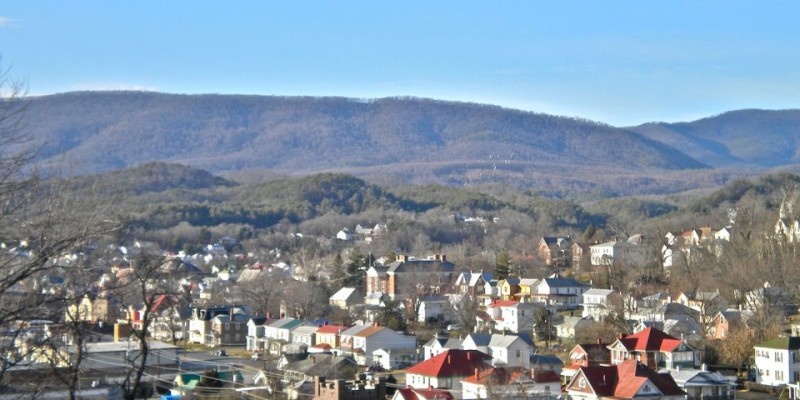
Clifton Forge is a small town of roughly 3,500 residents in Alleghany County in the western part of Virginia, set in the rolling Alleghany Highlands along the Jackson River between the Allegheny and George Washington national forests. Once a major junction point for the Chesapeake and Ohio Railway, the town retains a strong railroad identity and a quiet, blue-collar Appalachian character shaped by its mountain setting. It serves as a natural gateway to the Appalachian Trail, which passes through the area, and to the broader outdoor recreation opportunities of the Alleghany Highlands. Clifton Forge sits about 45 miles north of Roanoke, the nearest sizable city, and roughly 200 miles west of Washington, D.C.
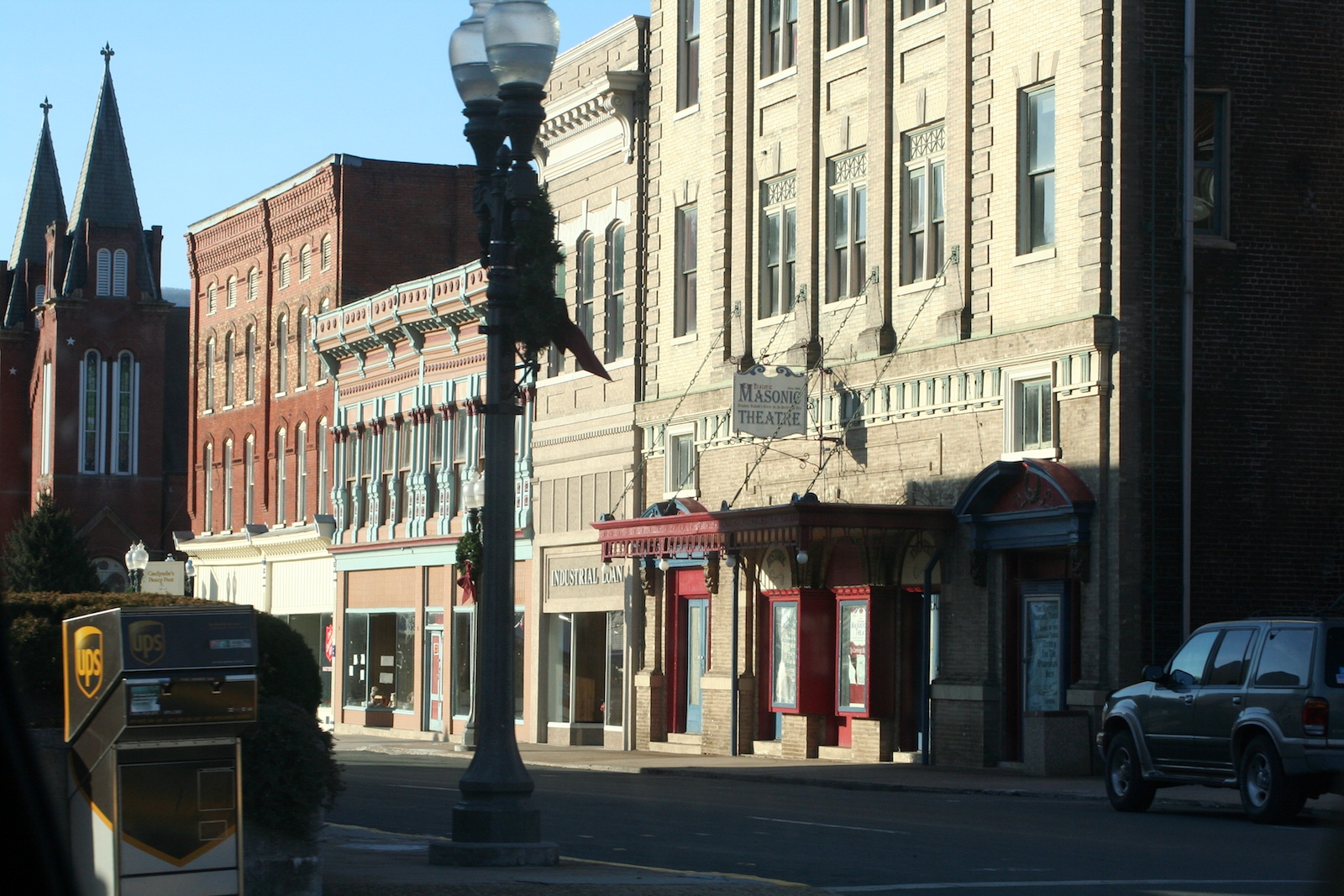
In the heart of downtown, the historic Masonic Theatre is one of the town's most distinctive landmarks. Built in the early twentieth century as a Masonic lodge and performance venue, the building has been preserved as a working theater and community gathering space, hosting live music, film screenings, and local events. Visitors can typically walk to it from anywhere in the small town center, and it offers a glimpse of Clifton Forge's turn-of-the-century architecture.
Just a short stroll away, the C&O Railway Heritage Center celebrates the town's deep railroading roots. The center preserves locomotives, rolling stock, photographs, and artifacts tied to the Chesapeake and Ohio Railway, which once made Clifton Forge a critical hub in the Appalachian coal-and-timber economy. For anyone interested in American rail history, it functions as both a museum and a tangible link to the industry's role in shaping the region.
About fifteen minutes south of Clifton Forge lies Douthat State Park, one of Virginia's original state parks. The park encompasses a 50-acre lake, miles of hiking and biking trails, a swimming beach, and cabins, making it a year-round draw for families, anglers, and trail enthusiasts. Its forested ridges and well-maintained facilities make it a popular complement to a stay in town.
Roughly thirty to forty minutes northeast, Lake Moomaw provides a quieter, more expansive outdoor experience. Surrounded by national forest land, the reservoir offers boating, fishing, and shoreline camping, and it sits close to some of the more remote sections of the Appalachian Trail, including the well-known ascending route to the Dragon's Tooth and McAfee Knob areas farther south.
Clifton Forge appeals to short-term rental owners because it combines small-town affordability with genuine proximity to several marquee outdoor destinations. Travelers drawn to the Appalachian Trail, mountain biking, fall foliage, and quiet historic main streets find the town a comfortable, walkable base, while the drive to Roanoke keeps urban amenities and an airport within easy reach.
Want to know if a property in Clifton Forge is a good investment?
Enter an address to get instant revenue potential and comps.