
Summit, Utah
Want to see how Summit compares to other top cities in Utah? Explore all city regulations in Utah. →
Summit, UT
Challenging To Investors
Local STR Agent
Local STR Agent
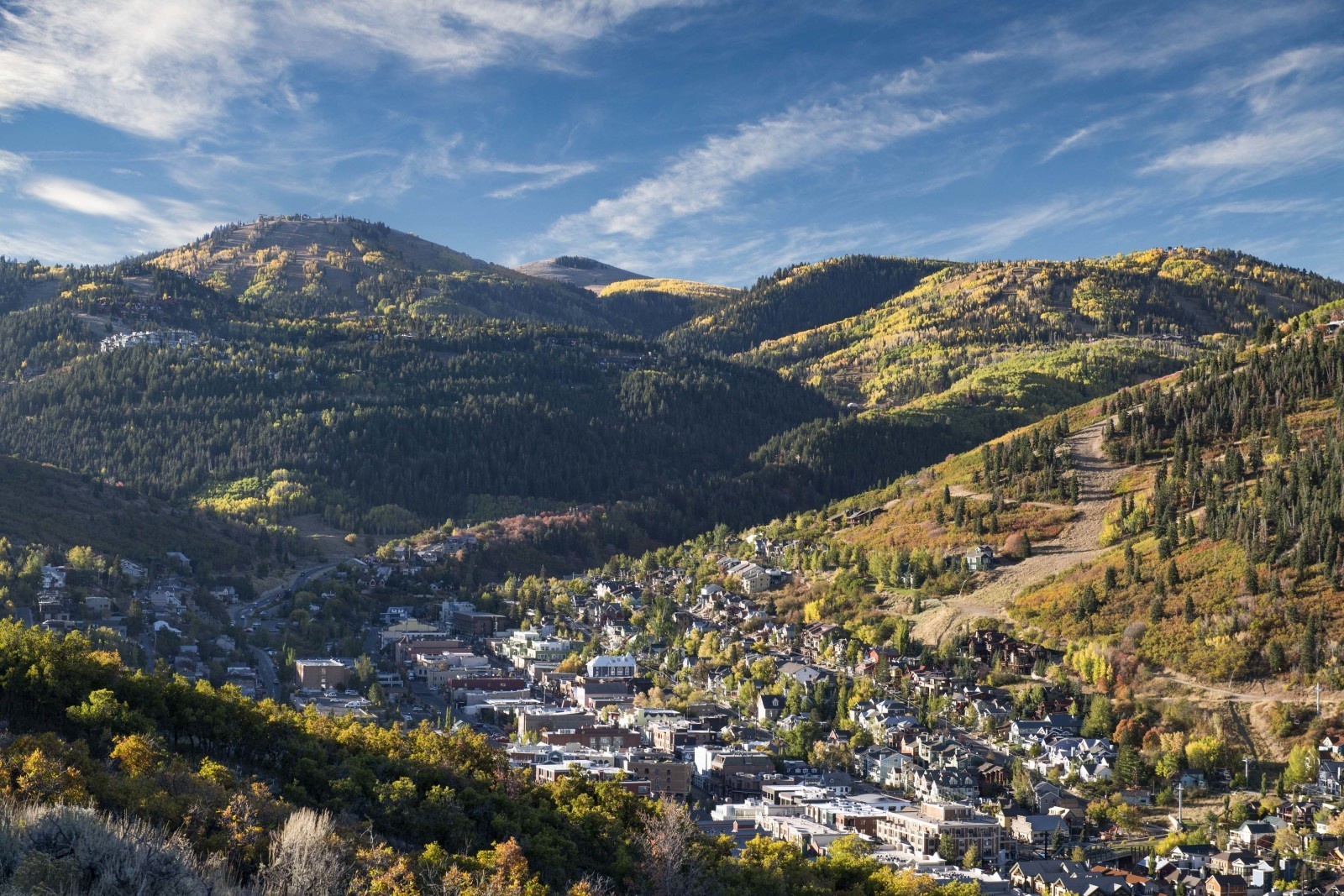
STR Regulations for Summit, Utah
Overview
Short-term rentals (STRs) are allowed in Summit County, Utah, but are subject to business licensing requirements and specific regulatory standards. Summit County has approximately 1,200 licensed short-term rentals out of an estimated 5,000-6,000 total STRs operating in the county, indicating significant unlicensed activity. The county is actively updating its STR regulations before the end of 2025, with an emphasis on enhanced enforcement and data collection to inform future policy changes.
Notably, short-term rentals are effectively banned in accessory dwelling units (ADUs) within Summit County. Additionally, Park City (within Summit County) has more restrictive zoning requirements, allowing STRs only in designated zones that permit nightly rentals, with most residential zones prohibiting such use.
What do Airbnb hosts actually earn in Summit?
Summit hosts earn a median $33,217/year with $358 ADR and 45% occupancy.
Top performers pull in $53,874+ per year.
See the full Summit market breakdownHow to Start a Short-Term Rental Business in Summit County
Starting an STR business in Summit County involves several critical steps:
-
Verify zoning compliance - Confirm your property is located within a zoning district that allows nightly rentals, as licenses are only issued for properties in areas "allowing rentals for the period of which the license is applied for" (Summit County Code Section 3-1D-6).
-
Obtain a nightly rental license - Apply through the Summit County Clerk's office, which is transitioning to new software technology (Azora) for organizing and enforcing STR business licenses.
-
Designate a managing agent - Appoint a managing agent or agency available 24/7 who will be liable for properly managing the nightly rental (Section 3-1D-2).
-
Arrange property management services - Ensure adequate property management including snow removal, yard maintenance, structural upkeep, trash pickup, and housekeeping (Section 3-1D-4).
-
Register for taxes - Obtain a sales tax collection and accounting number and comply with all state and local tax requirements.
-
Address safety concerns - Consider including smoke alarms, carbon monoxide alarms, fire extinguishers and emergency plans, as required for small hotels in similar jurisdictions.
Required Documents, Permits, Licenses, and Guidelines
Required Documents:
- Proof of ownership or lease agreement
- Contact information for the property owner
- Sales tax collection and accounting number
- Designation of a managing agent or agency with 24/7 availability
- Floor plan of the rental unit
- Parking plan showing compliance with off-street parking requirements
- Proof of adequate property management services
Required Permits and Licenses:
- Nightly Rental License - Required for all STRs in Summit County
- Sales Tax Registration - Through Utah State Tax Commission
- Local Business License - May be required by specific municipalities within the county
Guidelines and Standards:
- Occupancy and Noise Control - Owners must regulate occupancy levels and noise created by guests (Section 3-1D-5)
- Parking Requirements - On-street parking must not obstruct traffic, circulation, or public safety
- Property Maintenance - Adequate property management services must be arranged
- No Signage - Signs identifying a residence as a short-term rental are forbidden
- Safety Standards - Consider compliance with fire safety and emergency access standards
Specific Regulations for Short-Term Rentals in Summit County and Utah
Summit County Regulations (Current):
Definition: Summit County defines a "nightly rental" as any premises where any portion is rented for transient lodging purposes for a period less than 30 consecutive days (Section 3-1D-1).
License Requirements:
- License required for both the managing agent and owner, who are deemed responsible parties
- License issued only if unit is in a zoning area allowing rentals
- Must designate a managing agent available 24/7
- Must arrange for adequate property management services
Operational Standards:
- Owner responsible for regulating occupancy and noise
- Off-street parking requirements
- No signs identifying the property as a short-term rental
- License revocation grounds include unreasonable noise, occupancy overload, parking violations, illegal conduct, and failure to collect/deposit sales tax
Tax Obligations:
- Nightly rentals must pay sales tax to Summit County
- County has a 3% transient room tax on rent for all public accommodations (Section 3-3A-5)
Accessory Dwelling Units:
- STRs are effectively banned in ADUs within Summit County
Summit County Regulations (Proposed Updates):
The county is considering several regulatory enhancements, including:
- Wildfire Risk Management - Additional requirements for STRs in high wildfire risk neighborhoods
- Overlay Zones - Creating zones where STRs would be consistent with neighborhood character
- Occupancy Limits - Limiting numbers of overnight guests
- Annual Day Limits - Restricting the number of days per year a residence may be used as a STR
- Tiered Licensing - Different license types based on zone, days per year, and owner-occupancy
- Local Contact Requirements - Requiring owner/agent to live within a specified distance
- Safety Standards - Compliance with building and fire codes
- ADA Requirements - Accessibility standards for certain rentals
- Enhanced Penalties - Significant fines for non-compliance
State of Utah Regulations:
Utah has limited statewide STR regulations, primarily focusing on tax collection and free speech protections:
Prohibited Regulations:
- Utah Code §10-8-85.4 and §17-50-338 prohibit counties and municipalities from enacting or enforcing ordinances that prohibit an individual from listing a short-term rental on a website or from punishing someone solely for listing on a website
- These protections do not apply to internal accessory dwelling units if the county/municipality has recorded a notice for the ADU
Tax Requirements:
- Operators must register with the Utah State Tax Commission
- Must collect and remit state sales tax (approximately 4.85%)
- Must collect and remit state transient room tax (approximately 0.32%) plus local TRT (typically 3-5%)
- Total effective tax rate ranges from 11-15% depending on location
- Airbnb and Vrbo may collect some taxes automatically, but hosts remain liable for unremitted amounts
Enforcement:
Summit County is actively enhancing enforcement with:
- New code enforcement officer responding to STR complaints
- Technology integration (Azora software) for tracking and enforcing STR business licenses
- Potential use of online listings on Airbnb or VRBO as evidence of STR operation, allowing taxation of STR customers like hotel guests
Contact Information for Local Authority in Charge of STRs
Summit County Clerk's Office
- Phone: (435) 336-3254
- Email: publiccomments@summitcounty.org
- Physical Address: 60 North Main, P.O. Box 128, Coalville, UT 84017
Additional Resources:
- Public Comment: Email publiccomments@summitcounty.org by 12:00 p.m. on meeting days for your comments to be included in the record
- County Council: Council meets regularly with meeting access information available on the county website
Source Links
- Summit County May Update Short-Term Rental Rules (KPCW, July 1, 2025)
- Summit Park Homeowners Association Short-Term Rental Guidelines
- Summit County Staff Report: Regulation of Short-Term Rentals (May 11, 2022)
- Utah Code §10-8-85.4: Ordinances Regarding Short-Term Rentals
- Utah Code §17-50-338: Ordinances Regarding Short-Term Rentals
- Park City Municipal Code 4.5.3: Regulations of Nightly Rentals
- Short-Term Rental Regulations in Utah: Airbnb Laws Throughout the Beehive State
This guide provides an overview of Summit County's STR regulations based on current available information. As regulations are actively being updated, investors should consult directly with Summit County officials for the most current requirements before initiating or continuing STR operations.
Next step
Found a property in Summit?
Paste any address and get estimated revenue, cash-on-cash return, and comparable STR performance in under 5 minutes. 3 free analyses per day.
Free brief
Get the free Summit STR Investment Brief
Revenue data, top neighborhoods, seasonal trends, and the key regulations for Summit, Utah in one email.
Summit
Market Saturation Score
Photos of Summit
Overview of Summit
Summit is an unincorporated community and census-designated place (CDP) in east-central Iron County, Utah, United States. The population was 160 at the 2010 census.
Want to know if a property in Summit is a good investment?
Enter an address to get instant revenue potential and comps.