
Park City, Utah
Want to see how Park City compares to other top cities in Utah? Explore all city regulations in Utah. →
Park City, UT
Challenging To Investors
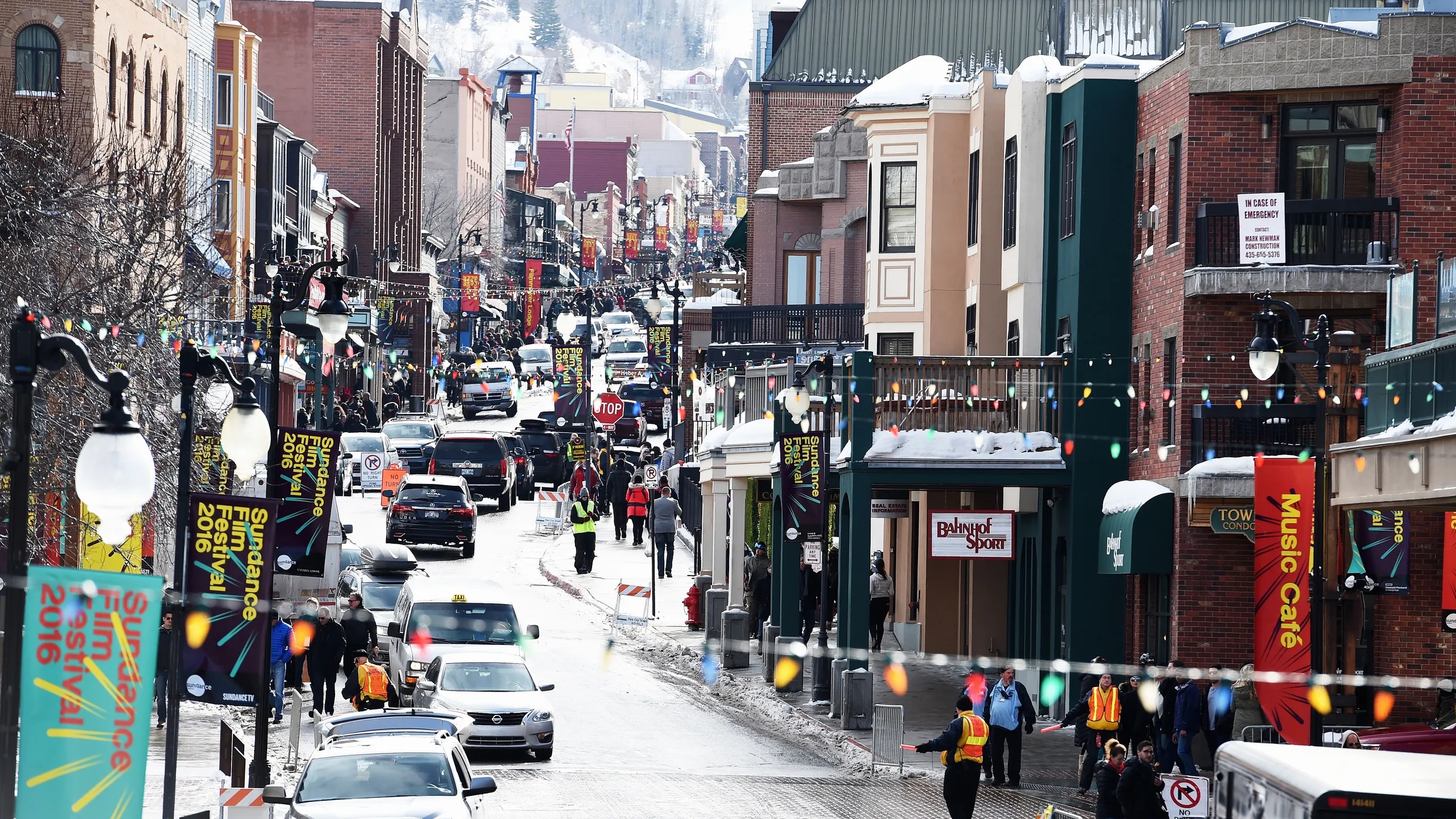
STR Regulations for Park City, Utah
Overview: Are Short-Term Rentals Allowed in Park City, UT?
Yes, short-term rentals are allowed in Park City, Utah, but only in specific zoning districts and with proper licensing. Park City operates under a zoning-restricted framework where nightly rentals are permitted only in designated zones, requiring investors to conduct thorough due diligence before purchasing or converting properties for STR use.
Unlike some Utah municipalities with blanket restrictions, Park City allows STRs in certain neighborhoods while prohibiting them in others. The city's approach is highly localized, with distinct regulations for Park City Municipal (zip code 84060) versus unincorporated Summit County (zip code 84098). Success in this market requires understanding both the legal pathways and the geographic limitations.
What do Airbnb hosts actually earn in Park City?
Park City hosts earn a median $42,320/year with $516 ADR and 47% occupancy.
Top performers pull in $69,931+ per year.
See the full Park City market breakdownHow to Start a Short-Term Rental Business in Park City
Starting an STR business in Park City involves navigating a three-step licensing process while ensuring zoning compliance. The market rewards careful preparation, as properties in allowed zones typically command premium rates, but operating without proper authorization results in significant penalties.
Step 1: Verify Zoning Eligibility
Before making any property commitments, confirm that STRs are permitted in the specific zone. Park City's interactive zoning map provides definitive guidance on where nightly rentals are allowed. Properties in areas like Old Town and Canyons Village frequently permit STRs, while neighborhoods like Prospector strictly prohibit them. This verification prevents costly mistakes and ensures your investment strategy aligns with local regulations.
Step 2: Complete the Nightly Rental Licensing Process
Park City requires a comprehensive three-step licensing process:
Submit Application: Email your Nightly Rental License application to nightly_rental@parkcity.org. Upon processing, you'll receive an activity number to schedule your Building Department inspection by calling 435-615-5105.
Pass Inspection: Complete the Building Department inspection and submit your passed Nightly Rental Inspection Report via email to nightly_rental@parkcity.org.
Complete Payment: After submitting the inspection report, you'll receive payment instructions. Payments can be made by phone with a credit card or by check to PCMC-Finance Department, 445 Marsac Ave, Box 1480, Park City, Utah 84060.
Processing typically takes 15-30 days, so plan accordingly, especially for seasonal launches.
Step 3: Register for State and Local Requirements
Even though platforms like Airbnb and VRBO handle some tax reporting, you still need proper registration:
- State Sales Tax ID: Register with the Utah State Tax Commission at www.tax.utah.gov or call (801) 297-2200
- DBA Registration: Visit the Utah Department of Commerce at commerce.utah.gov to register your business name
Required Documents, Permits, Licenses, and Guidelines
Operating legally in Park City requires multiple authorizations and ongoing compliance documentation.
Primary Licenses and Permits
Nightly Rental License: The foundational requirement for any STR operation, issued by Park City's Finance Department after successful inspection and zoning verification.
State Sales Tax ID: Required for tax collection and reporting, even if platforms remit taxes on your behalf.
Business Registration (DBA): Required if operating under a business name different from your personal name.
Essential Documentation Package
Maintain comprehensive documentation including:
- Property ownership proof (deed or tax statement)
- Detailed property specifications (address, floor plans, bedroom/bathroom count)
- Owner identification and contact information
- Local contact person details (mandatory 24/7 availability)
- Insurance documentation adequate for commercial STR operations
- Tax identification numbers (EIN or SSN)
- Safety compliance certifications
- Operating procedures and house rules
Safety and Operational Standards
Park City enforces specific building and safety standards outlined in Municipal Code Title 11. Properties must maintain working smoke detectors, carbon monoxide alarms, fire extinguishers, emergency exit plans, and compliance with building codes. These standards are verified during initial inspection and may be rechecked during renewal processes.
Specific Regulations: City, County, and State Level
Park City Municipal Regulations (84060)
Park City Municipal operates under the most restrictive framework in the region. Nightly rentals must comply with sections 4-2-1 and 4-5-3 of the Municipal Code, which govern general licensing and specific nightly rental regulations.
Zoning Restrictions: STRs are permitted only in specific zoning districts. Old Town and Canyons Village represent primary opportunity zones, while Prospector strictly prohibits nightly rentals.
Management Requirements: Properties must have a responsible party (owner or property manager) available by phone 24/7 to address emergencies, neighbor complaints, and regulatory issues.
Operational Standards: Owners bear responsibility for violations including noise ordinance breaches, occupancy violations, illegal conduct, and any activities violating local laws. This liability extends to housekeeping standards, trash removal, and parking management.
Inspection Requirements: All properties must pass Building Department inspection before receiving licensing approval.
Summit County Regulations (84098)
Unincorporated Summit County, including the Snyderville Basin, operates under different regulations than Park City Municipal. The county allows STRs but regulates them through separate county-level licensing with different operational requirements.
Primary Allowed Areas: The Canyons Village and Kimball Junction areas (Redstone and Newpark) represent the main Summit County locations where STRs are permitted.
County Licensing: Requires separate county license with detailed parking and guest limit plans, plus designated local management.
ADU Restrictions: Accessory Dwelling Units are not permitted for STR use in Summit County.
State of Utah Requirements
Utah maintains minimal statewide STR regulation, focusing primarily on taxation while granting municipalities broad authority to regulate local operations.
Tax Framework: Utah requires collection of transient room tax and sales tax on accommodations rented for fewer than 30 consecutive days. State sales tax averages 4.85%, with local transient room taxes adding 3-4% for total rates often reaching 8% or higher.
Local Authority: Utah enables extensive local control, allowing cities and counties to establish comprehensive STR regulations without state preemption.
Registration Requirements: Operators must register with the Utah State Tax Commission for state tax collection and with local authorities for municipal taxes.
Contact Information for Local STR Authorities
Park City Municipal Contacts
Nightly Rental Licensing
- Email: nightly_rental@parkcity.org
- Phone: 435-615-5231
Building Department
- Phone: 435-615-5105 (for inspection scheduling)
Finance Department (Licensing Payments)
- Address: PCMC-Finance Department, 445 Marsac Ave, Box 1480, Park City, Utah 84060
- Main Line: 435-615-5000
Planning Department
- Website: www.parkcity.org/departments/planning
- (For zoning verification and Land Management Code questions)
State of Utah Contacts
Utah State Tax Commission
- Website: www.tax.utah.gov
- Phone: (801) 297-2200
- (For sales tax registration and transient room tax compliance)
Utah Department of Commerce
- Website: commerce.utah.gov
- (For business registration and DBA filings)
Summit County Contacts
Contact information for Summit County STR regulation is managed through the county's planning and licensing departments. Investors should contact Summit County directly for unincorporated area requirements.
Links to Source Pages
- Park City Nightly Rental License Application
- Park City Interactive Zoning Map
- Park City Planning Department
- Utah State Tax Commission
- Utah Department of Commerce
- Park City Municipal Code - Nightly Rental Regulations
Important Note for Investors: This regulatory landscape requires careful due diligence before property acquisition. Even if zoning permits STRs, individual HOAs may impose additional restrictions that override municipal permissions. Always verify both zoning compliance and HOA rules before purchasing Park City area properties for short-term rental investment.
Next step
Found a property in Park City?
Paste any address and get estimated revenue, cash-on-cash return, and comparable STR performance in under 5 minutes. 3 free analyses per day.
Free brief
Get the free Park City STR Investment Brief
Revenue data, top neighborhoods, seasonal trends, and the key regulations for Park City, Utah in one email.
Park City
Market Saturation Score
Photos of Park City


Overview of Park City
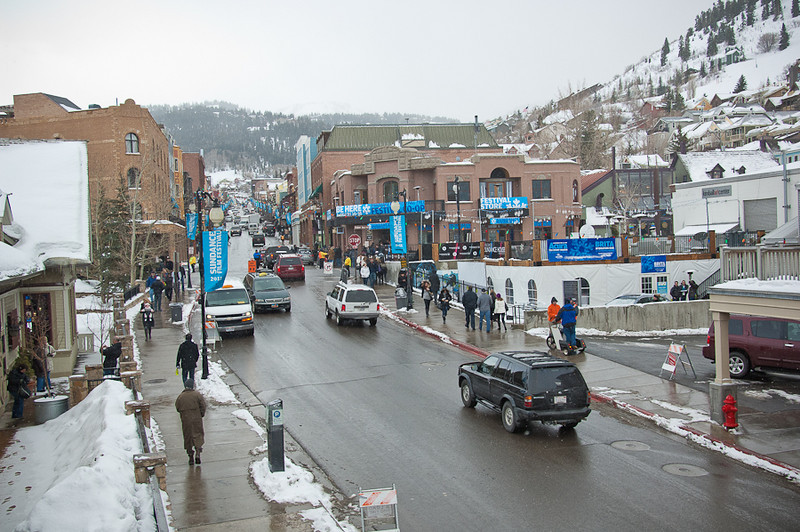
Park City sits in the mountains of Summit County, Utah, with a year-round population of roughly eight thousand residents that swells dramatically during peak ski and festival seasons. Once a silver-mining boomtown in the late nineteenth century, it has reinvented itself as one of the most celebrated resort communities in the American West, drawing visitors with two world-class ski areas, a well-preserved historic Main Street, and an enduring connection to independent film. The town lies approximately thirty miles southeast of Salt Lake City, making it a convenient gateway to the Wasatch Range for travelers flying into the Wasatch Front's main airport.
Park City Mountain Resort anchors the town's identity as a winter sports destination, covering several thousand acres of skiable terrain across two interlinked mountains and operating as one of the largest ski resorts in North America. Its slopes also host screenings and events tied to the Sundance Film Festival each January, blending outdoor recreation with a cultural draw that brings celebrities, filmmakers, and curious travelers to town.
Just a short drive north, Deer Valley Resort offers a more refined, skiers-only experience with meticulously groomed runs, upscale lodging, and a reputation for polished service that has earned it decades of top rankings from ski publications. In summer, the same mountain opens to hikers and mountain bikers, with a network of lift-served trails winding through wildflower meadows and aspen groves at elevations above eight thousand feet.
A short drive from downtown, the Utah Olympic Park preserves the legacy of the 2002 Winter Olympics with bobsled, luge, and skeleton tracks that visitors can tour, plus training facilities where aspiring athletes still practice year-round. The venue's soaring ski jumps and a small museum make it a worthwhile stop for families and anyone interested in the region's role in American winter-sports history.
Park City's walkable Main Street, recognized as a National Historic District, remains the social heart of the resort. Restored nineteenth-century mining-era buildings now house independent galleries, family-owned restaurants, and après-ski taverns, and the street hosts the local farmers' market, art walks, and open-air concerts during the warmer months. Nearby Wasatch Mountain State Park and the waters of Jordanelle State Park round out the warmer-season offerings with camping, boating, and lake-side trails within a short drive of town.
The combination of dramatic mountain setting, deep ski heritage, world-class cultural events, and easy access from Salt Lake City makes Park City a year-round base for short-term rentals. Demand peaks in winter, but summer festivals, fall foliage, and shoulder-season escapes keep the calendar active across all four seasons.
Want to know if a property in Park City is a good investment?
Enter an address to get instant revenue potential and comps.