
Logan, Utah
Want to see how Logan compares to other top cities in Utah? Explore all city regulations in Utah. →
Logan, UT
Challenging To Investors
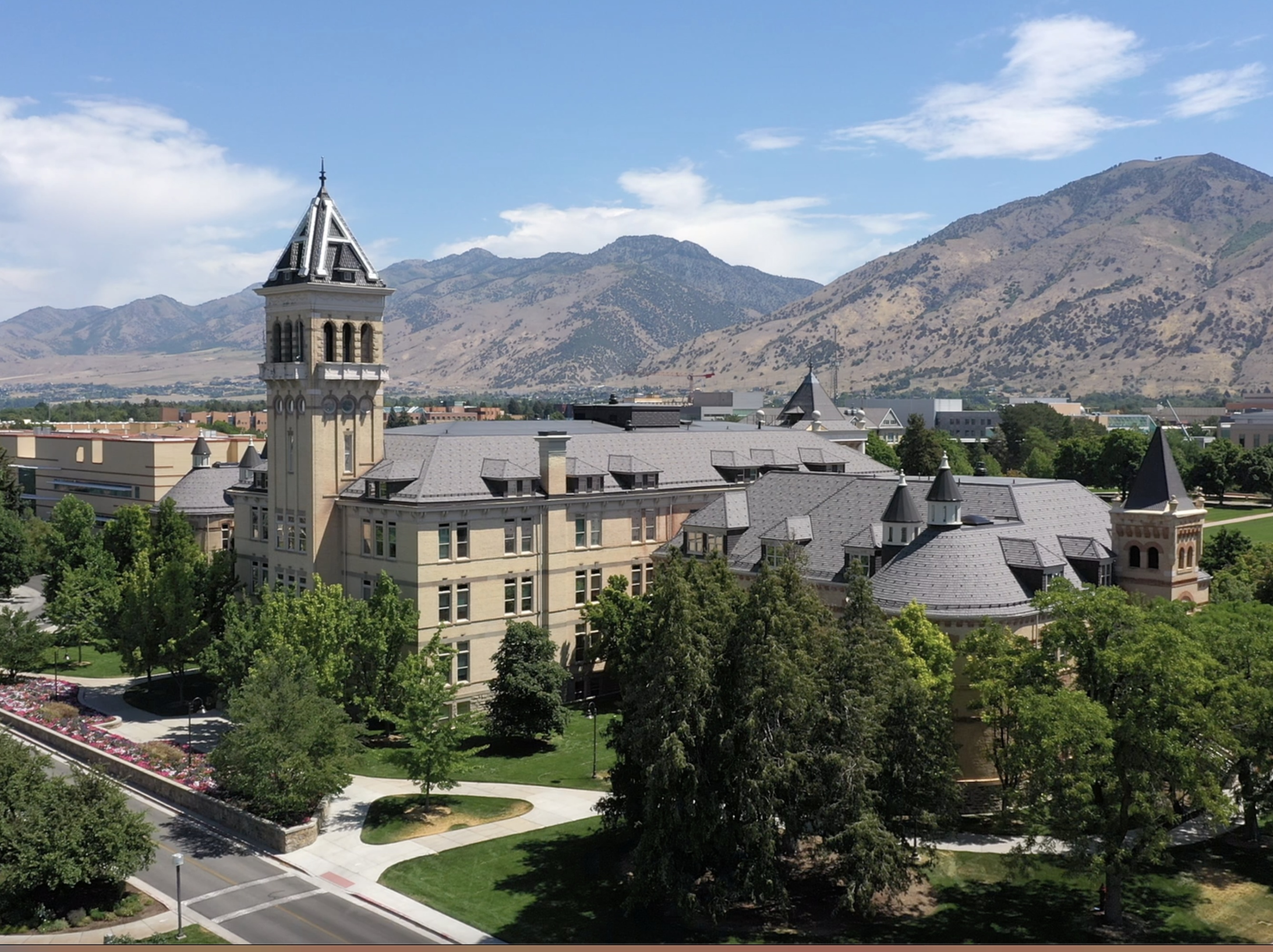
STR Regulations for Logan, Utah
Overview: Are Short-Term Rentals Allowed in Logan, UT?
Yes, short-term rentals are allowed in Logan, Utah, but with significant restrictions and requirements. STRs are defined as temporary lodging accommodations in residential dwellings for rental periods of less than 30 continuous days. The city has implemented a comprehensive regulatory framework that allows STRs in both commercial zones (as permitted uses) and residential zones (as conditionally permitted uses), but with strict limitations on density, proximity, and operational requirements.
What do Airbnb hosts actually earn in Logan?
Logan hosts earn a median $27,206/year with $138 ADR and 67% occupancy.
Top performers pull in $36,465+ per year.
See the full Logan market breakdownHow to Start a Short-Term Rental Business in Logan, UT
Starting an STR business in Logan requires navigating a multi-step regulatory process that typically takes 8-10 weeks to complete. The process involves obtaining multiple approvals before you can legally operate.
Step 1: Zoning Assessment and Conditional Use Permit (CUP)
All proposed STRs in residential zones require a Conditional Use Permit (CUP) before any other applications will be accepted. The CUP process involves:
- Pre-Application Consultation: Contact the Planning Division to discuss your property's suitability for STR use
- Application Submission: Complete the CUP application with required documentation
- Planning Commission Review: The Planning Commission reviews applications for compliance with zoning requirements, proximity restrictions, and site-specific requirements
- Approval Timeline: Approximately 6 weeks from submission to decision
Commercial Zones: STRs are permitted uses in all commercial zones except Commercial Services, Industrial Park, and Airport zones. No CUP is required in these zones.
Step 2: Building Compliance and Inspection
Before licensing, properties must meet building safety standards:
-
Building Inspection: Schedule and pass a building inspection covering:
- Egress windows in all bedrooms (2021 IRC R310 compliance)
- Smoke and carbon monoxide detectors
- Fire extinguisher installation (2-A:10-B:C type)
- Safe access routes to sleeping areas
- Handrails where required
-
Potential Building Permits: Any renovations or improvements required to meet safety standards will require separate building permits
Step 3: Business License Application
A separate business license is required for each property operating as an STR. The licensing process evaluates:
- Compliance with issued CUP conditions
- Meeting of building requirements
- Provision of local contact information
- Tax registration compliance
Processing Time: 2-3 weeks typically, dependent on resolving any outstanding issues.
Required Documents, Permits, Licenses, and Guidelines
Conditional Use Permit (CUP) Requirements
Required Documents:
- Completed CUP application
- Site plan depicting property lines, structures, entrances, and off-street parking locations
- Complete floorplan showing all bedrooms and areas intended for STR use
- Written management plan demonstrating minimal neighborhood impact, complaint resolution procedures, and occupancy management
Business License Requirements
Required Documents:
- Completed STR License Application
- Site plan with property boundaries and parking details
- Complete floorplan of the property
- Tax account number or third-party transaction history report
- Building department inspection approval
- Affidavit of ownership (for owner-occupied STRs)
- Two documents verifying owner occupancy (driver's license, property tax statement, utility bill, or mortgage statement)
Noticing Requirements
Post-Licensing Obligations:
- Within 10 days of license issuance, provide contact information, CUP copy, and license copy to all properties within 300 feet
- Mail notice to all property owners within 300 feet as identified in Cache County records
- Submit Declaration of Notification to Logan City Business Licensing within 14 days
Ongoing Compliance Documentation
Required Postings in STR:
- STR license copy
- Owner/agent contact information
- Fire and emergency exit plan with fire extinguisher locations
- Maximum occupancy limit
- Maximum number of vehicles allowed and parking stall locations
Specific Regulations for Short-Term Rentals
Zoning and Location Restrictions
Residential Zones:
- STRs are conditionally permitted in all residential zones
- Requires CUP approval before business license application
- Subject to proximity restrictions and density limits
Commercial Zones:
- Permitted uses in commercial zones (except Commercial Services, Industrial Park, Airport)
- No CUP required
- Fewer operational restrictions but subject to parking and safety requirements
Proximity and Density Restrictions
Proximity Requirements:
- 750-foot separation between licensed STRs in residential zones (measured property line to property line)
- Owner-occupied STRs are exempt from proximity restrictions
- Only 1 STR permitted per residential structure (1 per duplex, triplex, etc.)
Citywide Density Cap:
- Total permitted STRs limited to 2 per 1,000 population (approximately 108 total licenses citywide)
Operational Standards
Occupancy Limits:
- Maximum occupancy: 2 occupants per bedroom plus 2 additional occupants
Rental Tenure Restrictions:
- Maximum rental period: 30 days or less
- Same individual/group cannot rent for more than 2 consecutive contracts within any 6-month period
Parking Requirements
Off-Street Parking Mandate:
- All STR parking must be located on the same lot as the STR
- No on-street parking permitted
- 1 parking stall required per 2 bedrooms
- Minimum stall size: 9' x 18'
Parking Location Restrictions:
- Parking only permitted outside of front setbacks
- Single-family zones: Front setback 25', corner lot 20'
- Multi-family zones: Front setback 15' (MR-9) or 10' (MR-12, 20 & 30)
- Existing driveways may be utilized if sufficient space exists
Owner-Occupied STR Requirements
Additional Requirements:
- No proximity restrictions apply
- CUP and business license are nontransferable - any ownership change requires new permits
- ** affidavit of ownership** required with business license application
- Two documents verifying owner occupancy required at application
Safety and Building Standards
Mandatory Safety Features:
- Egress windows compliant with 2021 IRC R310 in all bedrooms
- Smoke and carbon monoxide detectors throughout property
- Fire extinguisher (2-A:10-B:C type) readily accessible
- Safe, unobstructed access to all sleeping areas and main entry
- Handrails where required by building code
Appearance Standards:
- Residential appearance and character must be maintained
- Signage limited to one 2-square-foot sign affixed to building front
Nuisance and Enforcement Standards
Local Contact Requirements:
- Designated local contact required (owner or agent)
- Must be available 24 hours/day to respond to STR issues
- Response time requirement: Must respond within 60 minutes of complaint receipt
Quiet Hours:
- Mandatory quiet hours: 10 PM to 8 AM
Violation Consequences:
- More than 3 violations within calendar year may result in license and CUP revocation
- STRs subject to all Logan City nuisance ordinances
- Failure to address complaints promptly constitutes ordinance violation
Tax Obligations
Transient Room Tax:
- Must collect and remit transient room tax
- Evidence of remittance required for license renewals
- Registration with Utah State Tax Commission required
Contact Information for Local Authority
Planning Division (CUP Applications)
- Russ Holley: 435-716-9023, russ.holley@loganutah.gov
- Aimee Egbert: 435-716-9036, aimee.egbert@loganutah.gov
- Application Portal: bit.ly/lcplanapps
Business Licensing Division (STR Business License)
- Daniela Tucker: 435-716-9230
- Marie Drollette: 435-716-9008
- Email: businesslicense@loganutah.gov
- Application Portal: bit.ly/lcblapps
Building Department (Inspections and Permits)
- Cristina Brough, Permit Tech: 435-716-9030, cristina.brough@loganutah.gov
- Ben Anderson, Building Official: 435-716-9032, ben.anderson@loganutah.gov
Community Development Department (General Information)
- Phone: 435-716-9006
- General Contact: businesslicense@loganutah.gov
- Website: www.loganutah.gov
Source Links and References
Official City Documents
- Logan City STR Main Page: www.loganutah.gov/government/departments/community_development/short_term_rental.php
- STR Factsheet (October 2024): cms9files.revize.com/loganut/departments/comdev/STR/STR%20Factsheet%2010.23.24.2.pdf
- Municipal Code: codelibrary.amlegal.com/codes/loganut/latest/overview
Application Portals
- Planning Applications: bit.ly/lcplanapps
- Business License Applications: bit.ly/lcblapps
- Report a Problem/Concern: www.loganutah.gov/residents/report_a_problem/index.php
News and Updates
- Recent STR Regulation Changes (Oct 2024): www.hjnews.com/news/government/logan-city-council-compromises-on-short-term-rental-restrictions/article_9077459a-8105-11ef-bbdc-cb2db7aa05cc.html
Important Notes for Investors:
- STR business licenses expire annually on June 30
- Licenses are nontransferable
- Evidence of transient room tax remittance required for renewals
- Building permits may be required for safety improvements
- The 2 per 1,000 population cap means early application is essential
- Violations can result in immediate license revocation
- Owner-occupied STRs have significant regulatory advantages but require ongoing occupancy verification
This guide reflects regulations as of October 2024. Given the evolving nature of STR regulations, investors should verify current requirements with Logan City before making investment decisions.
Next step
Found a property in Logan?
Paste any address and get estimated revenue, cash-on-cash return, and comparable STR performance in under 5 minutes. 3 free analyses per day.
Free brief
Get the free Logan STR Investment Brief
Revenue data, top neighborhoods, seasonal trends, and the key regulations for Logan, Utah in one email.
Logan
Market Saturation Score
Photos of Logan


Overview of Logan
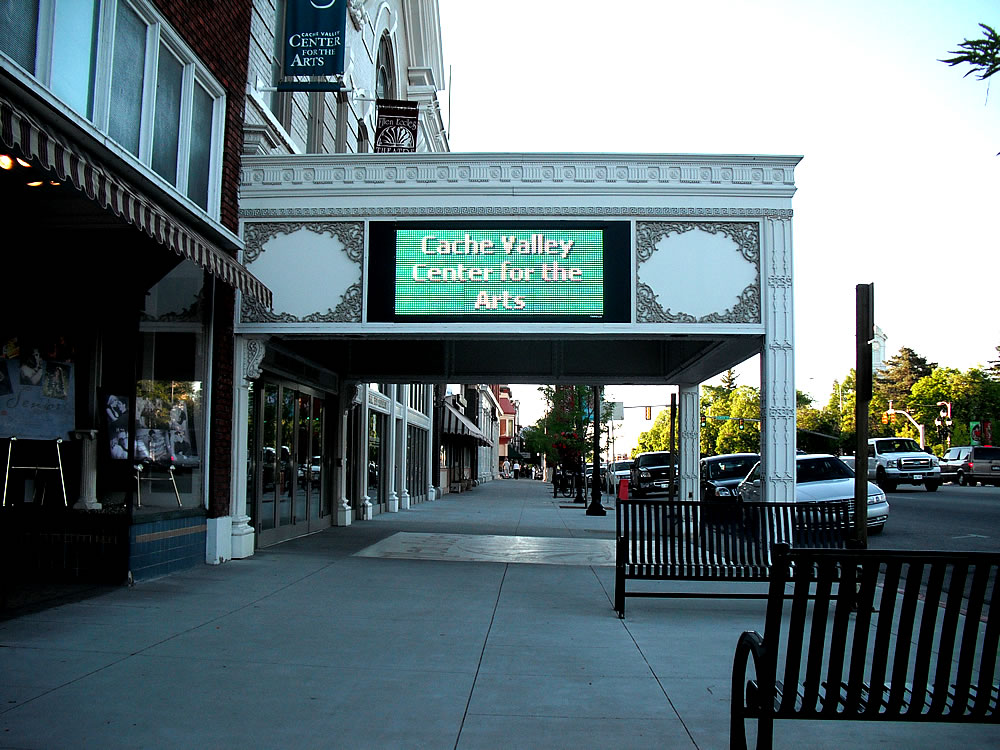
Logan is a city of roughly 52,000 residents situated in Cache County in the northern reaches of Utah, set within a wide agricultural valley framed by the Bear River Range to the east and the Wellsville Mountains to the west. The county seat and home to Utah State University, Logan has the feel of a lively college town paired with easy access to some of the most striking mountain scenery in the Intermountain West. About 80 miles north of Salt Lake City, it functions as the natural gateway to Logan Canyon, the Bear Lake region, and a long list of year-round outdoor pursuits.
Logan Canyon cuts through the Bear River Range just east of town and is one of the main reasons visitors come to the area. Within a fifteen- to thirty-minute drive from downtown, travelers can find trailheads for popular hikes like the Wind Cave and the Crimson Trail, as well as campgrounds, fishing spots along the Logan River, and a scenic byway that climbs toward the Idaho border and onward to Bear Lake.
Bear Lake, sometimes called the "Caribbean of the Rockies" for its vivid turquoise water, sits about 45 miles northeast of Logan along the Utah-Idaho line. The lake draws visitors for boating, swimming, and rainbow trout fishing in summer, while the surrounding state parks offer lakefront camping and cabins within an hour's drive of the city.
Beaver Mountain Ski Area, a family-owned resort tucked into Logan Canyon roughly 27 miles east of downtown, delivers a small-mountain atmosphere with several hundred acres of skiable terrain. Its deep snow, short lift lines, and proximity to town make it a favorite for families and out-of-state skiers looking for an uncrowded alternative to the bigger Wasatch resorts.
The American West Heritage Center, located a few miles south of Logan in Wellsville, offers a different kind of draw. Through living-history demonstrations, pioneer-era buildings, and seasonal events, the center brings the agricultural and frontier heritage of Cache Valley to life, giving visitors a relaxed cultural stop that pairs naturally with the area's outdoor highlights.
Logan's appeal as a short-term rental base rests on the way it bundles a genuine small-city atmosphere, a major university, and immediate mountain access into a single location. Guests can spend a morning on a Logan Canyon trail, an afternoon on Bear Lake, and an evening at a downtown restaurant or Aggie sporting event, all without long drives or complicated logistics. That combination of accessibility, scenery, and four-season activity continues to make the city a steady draw for travelers exploring northern Utah.
Want to know if a property in Logan is a good investment?
Enter an address to get instant revenue potential and comps.