
Eagle Mountain, Utah
Want to see how Eagle Mountain compares to other top cities in Utah? Explore all city regulations in Utah. →
Eagle Mountain, UT
Generally Investor Friendly
STR Regulations for Eagle Mountain, Utah
Overview: Short-Term Rental Status in Eagle Mountain, Utah
Short-term rentals ARE explicitly allowed in Eagle Mountain, Utah. The city has established a regulatory framework that permits short-term rentals while implementing specific compliance requirements. Eagle Mountain defines short-term rentals as accommodations offered for periods of less than 30 consecutive days, and operators must comply with both city-level licensing requirements and state-level tax obligations.
The city's approach balances allowing STR investment opportunities while ensuring proper oversight through licensing, tax collection, and safety standards. Investors should note that while short-term rentals are permitted, they operate under a distinct regulatory framework separate from traditional long-term rental licensing requirements.
What do Airbnb hosts actually earn in Eagle Mountain?
Eagle Mountain hosts earn a median $22,948/year with $97 ADR and 81% occupancy.
Top performers pull in $35,677+ per year.
See the full Eagle Mountain market breakdownHow to Start a Short-Term Rental Business in Eagle Mountain, Utah
Step 1: Understand Zoning Compliance
Before purchasing or converting property, verify that your intended STR use complies with local zoning regulations. Eagle Mountain's zoning laws may restrict STR operations in certain residential zones or require special permits for commercial STR activities.
Step 2: Obtain Required Licensing
While the city does not require traditional landlord licensing for STR operators (as they are exempt from the rental dwelling business licensing requirements), you may need to obtain appropriate business licenses depending on your operation structure. Contact the City Recorder's Office at 801-789-6611 to determine specific licensing requirements for your business model.
Step 3: Set Up Tax Collection and Remittance Systems
Implement systems to collect the 1% transient room tax from guests and establish procedures for monthly remittance to the Utah State Tax Commission. This tax is in addition to any other applicable taxes and must be remitted regardless of whether you collect it from guests.
Step 4: Establish Record-Keeping Procedures
Maintain detailed financial records following generally accepted accounting principles for a minimum of three years. Records must document gross revenues from STR operations and be available for review by Eagle Mountain City or the Utah State Tax Commission during normal business hours.
Step 5: Implement Safety and Compliance Measures
Ensure your property meets all applicable health and safety standards, including fire safety measures and maximum occupancy limits. Consider implementing noise monitoring systems and guest screening procedures to maintain neighborhood compatibility.
Step 6: Develop Guest Communication Protocols
Create clear communication channels for guests and establish procedures for addressing complaints or issues that may arise during their stay.
Required Documents, Permits, Licenses, and Guidelines
City-Level Requirements
Business Registration:
- Business license application (if operating as a commercial entity)
- Property information documentation
- Contact information for local management representative
Zoning Documentation:
- Zoning compliance verification
- Plot plan or site plan (if required by zoning)
- Conditional use permit (if required for STR operation in your zone)
Insurance and Safety:
- General liability insurance documentation
- Property insurance showing STR coverage
- Fire safety compliance certificates
- Emergency contact information posting requirements
State-Level Requirements
Tax Registration:
- Utah State Tax Commission registration for transient room tax collection
- Monthly remittance procedures and reporting forms
- Federal EIN (Employer Identification Number) for tax purposes
Record-Keeping Standards:
- Three-year record retention for all STR-related financial transactions
- Guest registration records (maintaining privacy compliance)
- Maintenance and safety inspection logs
Specific Regulations for Short-Term Rentals
Eagle Mountain City Regulations
Transient Room Tax Requirements:
- Tax Rate: 1% of gross rental revenues
- Collection: STR operators must collect tax from guests
- Remittance: Monthly payments to Utah State Tax Commission
- Deadline: Tax due monthly, specific deadlines established by state
- Additional Obligations: Tax is in addition to any other applicable taxes or fees
Record-Keeping Requirements:
- Maintain records per generally accepted accounting principles
- Retain records for minimum three years from service date
- Records must disclose and verify gross revenues from STR operations
- Available for inspection by Eagle Mountain City or Utah State Tax Commission during normal operating hours
Compliance and Enforcement:
- Penalties: 10% monetary penalty on unpaid amounts
- Interest: 12% per annum on unpaid balances
- Business License: Violations can result in business license revocation
- Personal Liability: Operators personally liable for unpaid taxes, including attorney fees and collection costs
Operational Restrictions:
- Maximum occupancy limits (as determined by local fire safety codes)
- Noise ordinances apply to all STR properties
- Zoning restrictions may limit STR operation in certain areas
- Local management contact requirement (recommended by state guidelines)
Utah State-Level Regulations
State Housing Plan Recommendations:
- Local management contact requirement
- Maximum occupancy limits enforcement
- Basic fire and safety measures implementation
- Homeowner-held licenses or permits
- Transient Room Tax compliance
- Good landlord education programs (for traditional rentals)
County-Level Considerations
Note: The provided materials do not contain specific Utah County regulations for short-term rentals. Operators should consult with Utah County government for any additional requirements.
Contact Information for Local Authority
Eagle Mountain City Contact Information
Primary Contact:
- Phone: 801-789-6611
- Address: Eagle Mountain City Recorder's Office, 1650 East Stagecoach Run, Eagle Mountain, Utah 84005
- Website: [City Website Information Needed]
- Email: [Contact Information Not Provided in Sources]
Planning and Zoning:
- Phone: 801-789-6611
- Contact: Community Development Department
- Services: Zoning compliance verification, permit applications
Utility Billing and Code Enforcement:
- Phone: 801-789-6611
- Services: Property compliance, utility billing for STR properties
Utah State Tax Commission Contact Information
Transient Room Tax Division:
- Phone: 801-297-2200
- Website: tax.utah.gov
- Address: Utah State Tax Commission, 210 North 1950 West, Salt Lake City, UT 84134
- Services: Tax registration, remittance procedures, compliance questions
Important Notes for Investors
Licensing Exemptions
Eagle Mountain specifically exempts owners of temporary rentals (AirBnBs, VRBOs) from the city's rental dwelling business licensing requirements. This creates a separate regulatory track for STR operators compared to traditional long-term rental property owners.
Tax Collection Responsibilities
Unlike some jurisdictions where platforms collect taxes, STR operators in Eagle Mountain are personally responsible for collecting and remitting the 1% transient room tax. This requires careful record-keeping and timely monthly payments.
Zoning Considerations
While STRs are permitted, zoning restrictions may affect your ability to operate in certain areas. Investors should verify zoning compliance before purchasing property for STR use.
Enforcement Approach
The city has established a graduated enforcement approach with monetary penalties and potential business license revocation for non-compliance. Operators should prioritize compliance to avoid costly enforcement actions.
Source Documents and References
-
Eagle Mountain City Council Meeting Minutes - April 5, 2022
- Document: "ORDINANCE - An Ordinance of Eagle Mountain City, Utah, Enacting Eagle Mountain Municipal Code Chapter 5.30 Rental Dwelling Business Licensing"
- URL: d2kbkoa27fdvtw.cloudfront.net/emcity/8225c89709bd182b34b26a82ebbc66be0.pdf
- Relevance: Establishes licensing framework and exemptions for STR operators
-
Eagle Mountain Municipal Code Chapter 3.40 - Transient Room Tax
- URL: www.codepublishing.com/UT/EagleMountain/html/EagleMountain03/EagleMountain0340.html
- Relevance: Primary regulatory framework for STR tax collection and compliance
-
Utah Housing Strategic Plan - Phase II Draft
- URL: www.utah.gov/pmn/files/1334743.pdf
- Relevance: State-level guidelines and recommendations for STR regulation
Note: One additional source (www.gosummer.com/vacation-rental-management/eagle-mountain-utah) was reviewed but appears to be commercial marketing material rather than regulatory guidance.
This guide provides a comprehensive framework for understanding and complying with Eagle Mountain's short-term rental regulations. Investors should verify current requirements with city officials and consider consulting with local legal counsel familiar with Utah real estate and municipal law before establishing STR operations.
Next step
Found a property in Eagle Mountain?
Paste any address and get estimated revenue, cash-on-cash return, and comparable STR performance in under 5 minutes. 3 free analyses per day.
Free brief
Get the free Eagle Mountain STR Investment Brief
Revenue data, top neighborhoods, seasonal trends, and the key regulations for Eagle Mountain, Utah in one email.
Eagle Mountain
Market Saturation Score
Photos of Eagle Mountain


Overview of Eagle Mountain
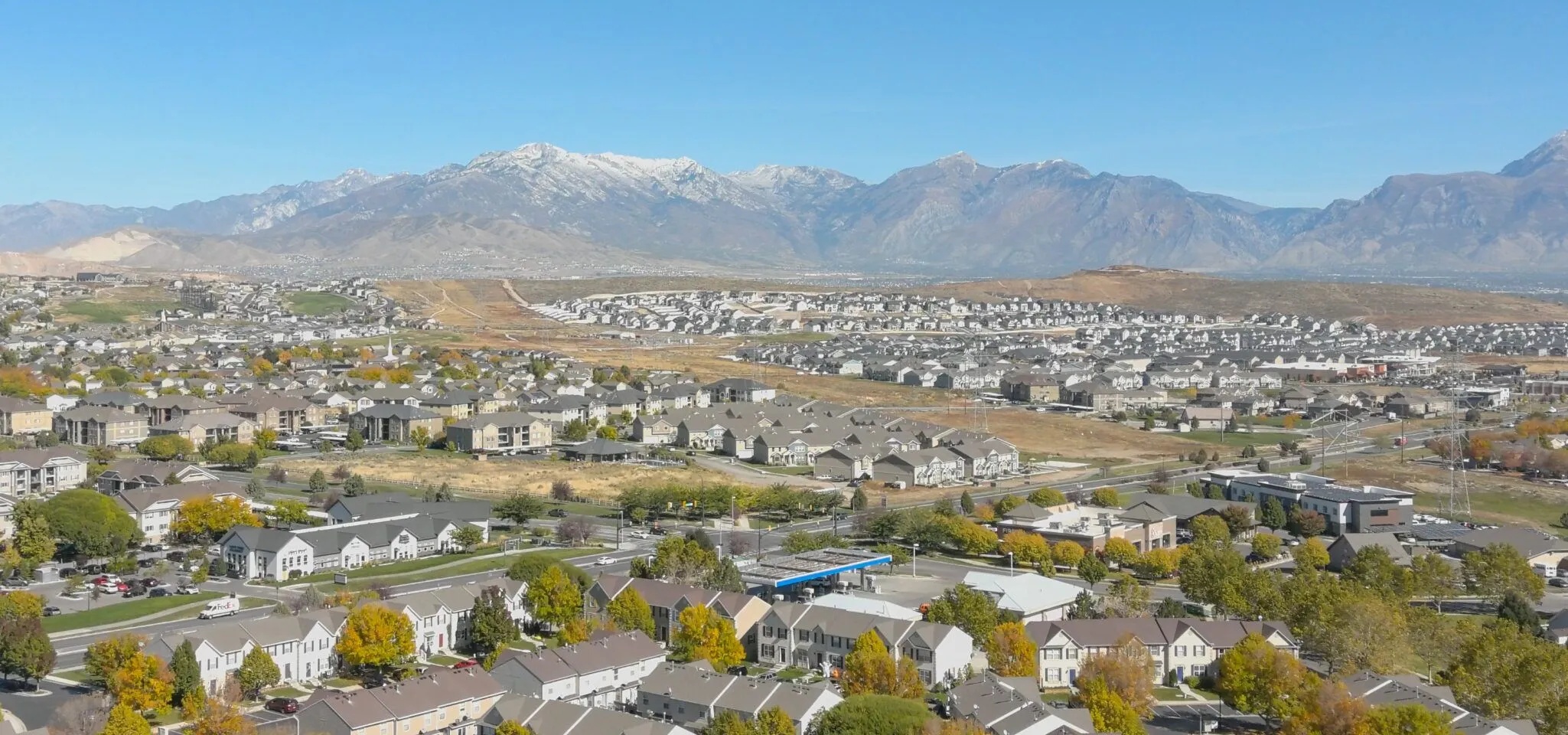
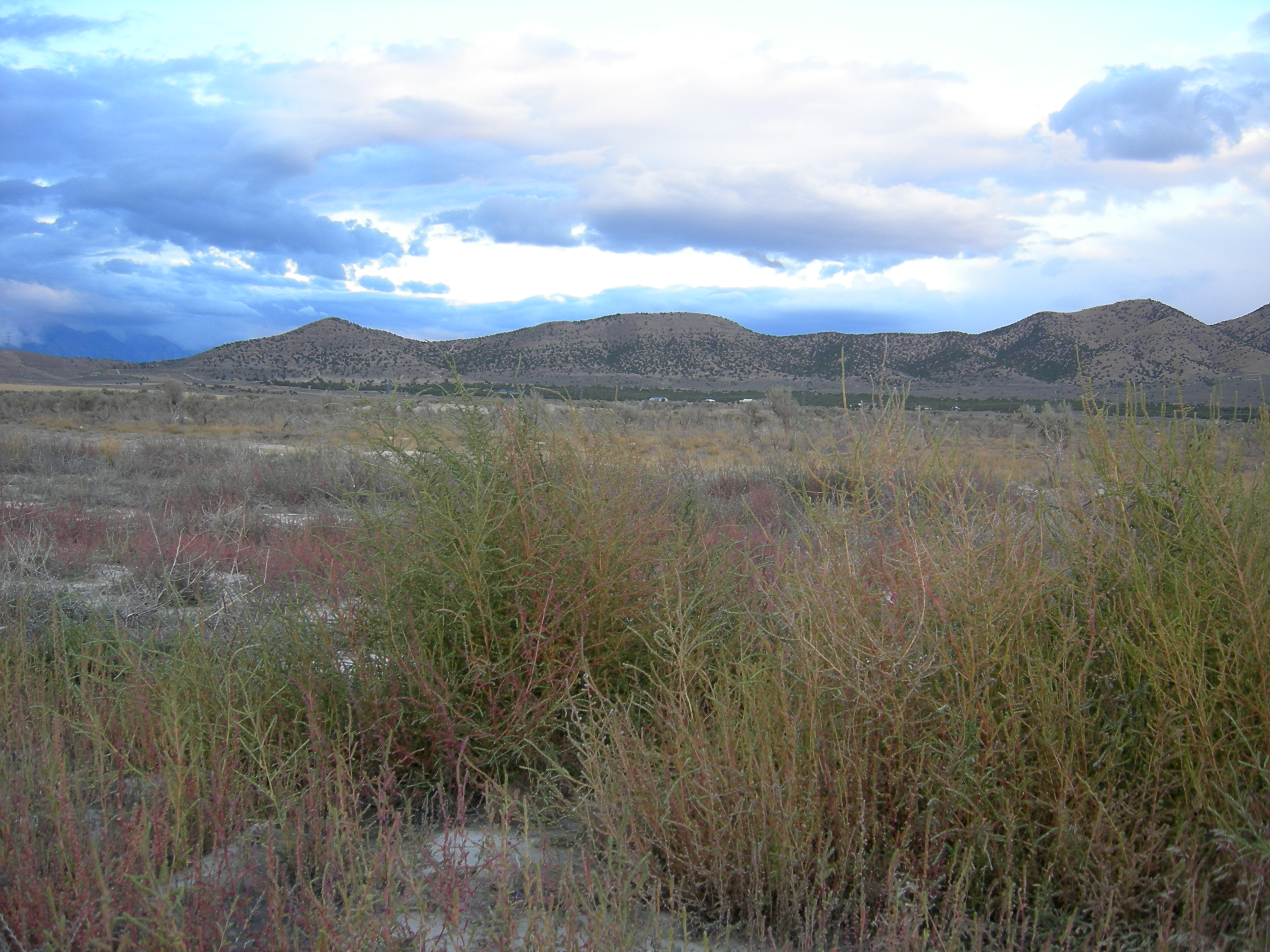
Eagle Mountain is a relatively young, fast-growing city in Utah County, Utah, set at the northern edge of the Cedar Valley where the Wasatch Front meets the southern shore of Utah Lake. With a population of roughly 50,000 residents, it is one of the newer master-planned communities in the state, characterized by wide streets, generous parks, and a young, family-oriented population. The city sits about 35 miles south of Salt Lake City and roughly 25 minutes north of Provo, making it a commuter community for the greater Provo–Salt Lake metro area while also serving as a convenient southern gateway to Utah Lake and the recreational opportunities of the central Wasatch Range.
Just a few minutes north of Eagle Mountain lies Utah Lake, one of the largest natural freshwater lakes in the western United States. The lake's western and southern shoreline is easily accessible from the city and offers boating, fishing, sandy beaches, and quiet sunsets that draw visitors year-round. The closest official recreation access point is Utah Lake State Park, located in nearby Provo.
About 30 minutes northeast, in the steep walls of American Fork Canyon, Timpanogos Cave National Monument draws visitors with a trio of limestone caverns reached by a scenic, switchbacking mountain trail. The monument's high-elevation setting, seasonal wildflower displays, and ranger-led cave tours make it a popular half-day or full-day excursion for travelers staying in the southern Salt Lake Valley.
A short drive north to Lehi brings visitors to Thanksgiving Point, a sprawling 50-plus-acre family destination known for its dinosaur museum, expansive botanical gardens, and seasonal events. It functions as one of the region's most popular attractions for families, and its location near the I-15 corridor makes it a convenient stop for short-term-rental guests traveling between Salt Lake City and the Provo area.
For outdoor enthusiasts, Mount Timpanogos looms just a short drive away and anchors the surrounding recreation scene. The mountain's well-known hiking trails, alpine lakes, and the scenic Alpine Loop Road offer access to some of the most popular wilderness experiences in northern Utah, easily within day-trip range of Eagle Mountain.
Eagle Mountain appeals to short-term-rental investors because it combines affordable entry costs with proximity to some of Utah's most visited attractions. Its location at the meeting point of the Wasatch Front, Utah Lake, and the open Cedar Valley gives guests a quieter, more spacious base than the busier resort towns to the north, while still keeping Salt Lake City, Provo, and the central Wasatch's outdoor amenities within easy reach.
Want to know if a property in Eagle Mountain is a good investment?
Enter an address to get instant revenue potential and comps.