
Blanding, Utah
Want to see how Blanding compares to other top cities in Utah? Explore all city regulations in Utah. →
Blanding, UT
Very Investor Friendly
STR Regulations for Blanding, Utah
Overview: Are Short-Term Rentals Allowed in Blanding, UT?
Yes, short-term rentals are allowed in Blanding, Utah. Based on the available information from local government records and vacation rental management companies actively operating in the area, Blanding permits short-term rental operations. However, the city has taken a relatively hands-off approach to regulation compared to other Utah tourism-driven communities.
The city council discussed potential regulations in 2017 but ultimately chose not to implement specific short-term rental ordinances, citing the absence of resident complaints and the limited number of properties (approximately 10 at that time). This creates an operational environment that is more permissive than neighboring communities like Moab, which has implemented comprehensive regulations.
What do Airbnb hosts actually earn in Blanding?
Blanding hosts earn a median $27,701/year with $125 ADR and 68% occupancy.
Top performers pull in $34,559+ per year.
See the full Blanding market breakdownHow to Start a Short-Term Rental Business in Blanding
Market Considerations
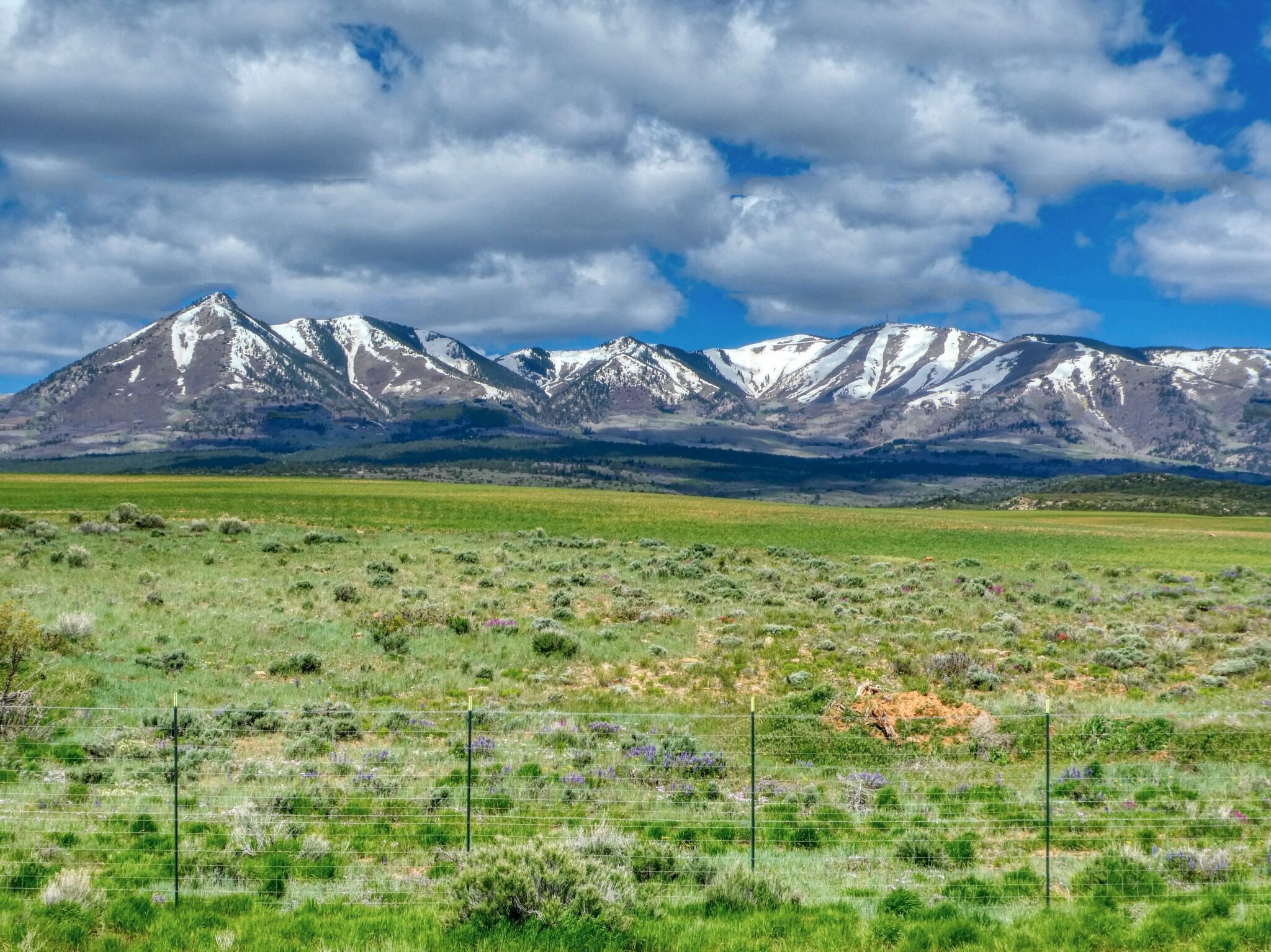
Blanding presents a unique market opportunity as a "hidden gem" in Utah's canyon country. The city serves as a gateway to several major attractions:
- Proximity to National Parks: Bears Ears, Canyonlands, and Monument Valley are all accessible
- Cultural Tourism: Rich Native American history with nearby ancient ruins and petroglyphs
- Outdoor Activities: Hiking, camping, and other adventure tourism opportunities
- Seasonal Patterns: Peak season runs from late spring through summer months when tourism to nearby national parks is highest
Operational Strategy
Given Blanding's remote location and seasonal tourist patterns:
- Target Peak Season: Focus marketing and operations on late spring through summer when occupancy rates and pricing potential are highest
- Winter Strategy: While winter sees reduced outdoor tourism, properties can still attract visitors interested in winter sports or peaceful retreats
- Amenities Focus: Properties should emphasize outdoor amenities like fire pits, BBQ grills, and patio seating, plus adventure-friendly features like bike storage and trail maps
- Modern Comforts: High-speed Wi-Fi, fully equipped kitchens, and comfortable bedding are essential given the remote location
- Local Character: Incorporating local art or cultural elements can create unique guest experiences
Required Documents, Permits, Licenses, and Guidelines
Business License Requirement
A business license is required for all short-term rental properties in Blanding. The licensing process includes:
- Application Submission: Submit business license application to Blanding City
- Inspection: Property must undergo inspection and approval from the city's planning commission
- Approval Process: The planning commission reviews and approves applications
Tax Obligations
Transient Room Tax Collection Required: Hosts must collect and remit taxes according to state requirements:
- Tax Rate: 4.25% transient room tax
- Remittance Authority: Payments must be remitted to the Utah State Tax Commission
- Filing Frequency: Quarterly remittance schedule
- Compliance: Hosts are responsible for proper tax collection and timely filing
Zoning Compliance
Zoning verification is essential before establishing a short-term rental:
- Zoning Review: Verify that your property is located in a zone where short-term rentals are permitted
- Residential Areas: Blanding has zoning laws that may restrict short-term rental operations in residential areas
- Documentation: Obtain written confirmation from the city's zoning department regarding allowable uses
- Enforcement: Zoning violations can result in operational shutdowns and legal consequences
Specific Regulations: City, County, and State Level
Blanding City-Level Regulations
Minimal Regulatory Framework: As of the most recent available information (2017), Blanding maintains a limited regulatory approach:
- No Specific STR Ordinance: The city council elected not to implement dedicated short-term rental regulations
- Business License Requirement: General business licensing applies to short-term rental operations
- Planning Commission Oversight: Inspections and approvals required through the planning commission process
- No Occupancy Limits: No specific restrictions on maximum guests or parking requirements like those implemented in Moab
San Juan County Level
Limited County-Level Restrictions: No specific county-wide short-term rental regulations were identified in the available sources. County regulations typically focus on general land use and building codes.
Utah State-Level Regulations
State Law HB253 Limitations: Utah state law creates significant limitations for local enforcement:
- Free Speech Protection: Local governments cannot prevent operators from listing properties on platforms like Airbnb and VRBO
- Website Surveillance Prohibited: Governments cannot use rental websites to identify and prosecute unlicensed short-term rentals
- Complaint-Based Enforcement: Regulators must rely on resident complaints to locate illegal vacation rental properties
- Business License Requirements: Short-term rentals must be licensed as businesses and pay equivalent taxes to traditional lodging
- Local Authority Limits: State law significantly restricts local governments' ability to regulate short-term rentals
Contact Information for Local Authority
Primary City Contacts
Blanding City Hall
- Physical Address: 50 W 100 S, Blanding, UT 84511
- Phone: (435) 678-2791
- Website: www.blanding-ut.gov
- Contact Email: predd@blanding-ut.gov (City Recorder)
- Key Personnel:
- City Manager: Jeremy Redd
- Community Development: Bret Hosler (for planning/zoning matters)
Planning Commission Contact
- Planning Commission: Contact through City Hall for inspection appointments and planning commission approval processes
- Meeting Schedule: Planning commission meetings are typically held monthly; contact city hall for current schedule
Utah State Tax Commission
- Transient Room Tax Questions: Contact Utah State Tax Commission for tax remittance guidance and quarterly filing requirements
- Online Resources: www.tax.utah.gov
San Juan County Government
- County Services: For county-level matters that may affect short-term rental operations
- Economic Development: Elaine Gizler, Economic Development Director (mentioned in state tourism reports)
Links to Source Pages
Official Government Sources
- Blanding City Council Meeting Minutes (May 30, 2017): www.utah.gov/pmn/sitemap/notice/401773.html
- Utah State Tax Commission: www.tax.utah.gov
Industry and Regulatory Resources
- Utah STR Regulations Overview: www.strprofitmap.com/regulations/UT
- Blanding STR Information: www.strprofitmap.com/regulations/UT (Blanding section)
Local Business Examples
- Cedar Canyon Vacation Rentals: www.cedarcanyoncondosvacationrentals.com/policies
- Summer Vacation Rental Management: www.gosummer.com/vacation-rental-management/blanding-utah
State Legislative Context
- Utah HB253 (2017): le.utah.gov/~2017/bills/static/hb0253.html
Important Considerations and Recommendations
Due Diligence Requirements
Regulatory Monitoring: Given the evolving nature of short-term rental regulation in Utah, investors should:
- Regular Contact with City Hall: Confirm current requirements and any pending regulation changes
- Legal Consultation: Consider consulting with local real estate attorneys familiar with Blanding regulations
- Zoning Verification: Obtain written confirmation of allowable uses for your specific property
- Insurance Review: Ensure adequate liability coverage for short-term rental operations
Market Competitive Positioning
Blanding's Competitive Advantage: The city's permissive regulatory environment compared to neighboring communities like Moab (which has implemented occupancy limits and parking restrictions) creates opportunities for operators who can:
- Offer Superior Amenities: Capitalize on the lack of restrictive regulations to provide premium guest experiences
- Competitive Pricing: Benefit from lower compliance costs compared to heavily regulated markets
- Market Responsiveness: Quickly adjust operations without regulatory approval delays
Risk Mitigation
Operational Safeguards: Despite minimal regulations, implement best practices:
- Neighbor Relations: Maintain positive relationships with surrounding property owners to prevent complaints that could trigger regulatory responses
- Professional Management: Consider professional management to ensure consistent guest quality and property maintenance
- Tax Compliance: Establish systematic processes for tax collection and remittance to avoid penalties
- Insurance Adequacy: Maintain comprehensive coverage appropriate for commercial short-term rental operations
This regulatory environment in Blanding, while currently permissive, requires vigilant monitoring as tourism continues to grow and neighboring communities implement more restrictive measures. The combination of business license requirements, tax obligations, and zoning compliance, combined with the city's demonstrated preference for minimal intervention, creates an operational framework that favors responsible operators while maintaining flexibility for market adaptation.
Next step
Found a property in Blanding?
Paste any address and get estimated revenue, cash-on-cash return, and comparable STR performance in under 5 minutes. 3 free analyses per day.
Free brief
Get the free Blanding STR Investment Brief
Revenue data, top neighborhoods, seasonal trends, and the key regulations for Blanding, Utah in one email.
Blanding
Market Saturation Score
Photos of Blanding


Overview of Blanding
Blanding is a small city in San Juan County in southeastern Utah, with a population of roughly 3,500 residents. It sits in the high desert of the Colorado Plateau and serves as a gateway community for exploring the greater Four Corners region, including nearby Bears Ears National Monument, several of Utah's national parks, and Ancestral Puebloan archaeological sites. The town has a quiet, utilitarian feel, catering largely to travelers, outdoor enthusiasts, and visitors exploring the surrounding public lands. Blanding lies approximately 340 miles southeast of Salt Lake City and about 80 miles south of Moab, placing it within easy striking distance of some of the most iconic landscapes in the American Southwest.
Edge of the Cedars State Park Museum sits within the city limits of Blanding and is a major local draw. The museum is built around an Ancestral Puebloan village site and features a partly excavated cliff dwelling along with an extensive collection of pottery, tools, and other artifacts from the region's early inhabitants. The on-site ruins are visible through viewing windows, and a short trail winds through the village remains. Visitors can spend a half-day here learning about the cultural history of the Colorado Plateau before venturing further afield.
Natural Bridges National Monument lies about 40 miles west of Blanding, accessible via a scenic drive through the surrounding canyons. The monument protects three massive natural sandstone bridges — Sipapu, Kachina, and Owachomo — carved by flowing water over millions of years. A nine-mile loop drive connects viewpoints and short trails leading down to each bridge, and the park is also a designated International Dark Sky Park, making it a popular stop for night-sky photography.
Mesa Verde National Park in neighboring Colorado is roughly 75 miles to the east and is one of the most significant archaeological preserves in North America. The park contains hundreds of Ancestral Puebloan cliff dwellings, including Cliff Palace and Balcony House, built into the sandstone alcoves of Mesa Verde between roughly 1190 and 1300 CE. Ranger-led tours allow visitors to enter several of the dwellings, while the Mesa Top Loop offers self-guided exploration of pit houses and surface ruins.
Blanding's appeal as a base for short-term rentals lies in its central position relative to a remarkable concentration of natural and cultural landmarks. Travelers can spend one day exploring cliff dwellings at Mesa Verde, another hiking among the natural bridges or the canyons of Bears Ears, and a third photographing the iconic mittens of Monument Valley or driving the unpaved Moki Dugway — all while returning each evening to a small town with reliable lodging, restaurants, and a slower pace than the busier gateway cities of Moab or Cortez.
Want to know if a property in Blanding is a good investment?
Enter an address to get instant revenue potential and comps.