
Woodville, Texas
Want to see how Woodville compares to other top cities in Texas? Explore all city regulations in Texas. →
Woodville, TX
Generally Investor Friendly
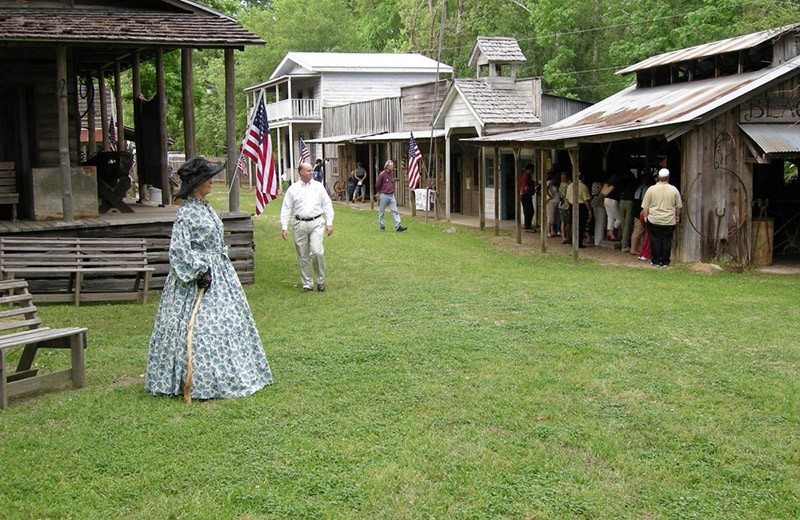
STR Regulations for Woodville, Texas
Important note on sources and availability of local rules: The provided web content does not include city- or county‑specific short‑term rental ordinances for Woodville, TX or Tyler County. In the absence of verified local documents, this guide draws on Texas state‑level requirements and widely applicable practices in Texas municipalities and counties. You are strongly encouraged to confirm city/county rules and contacts directly before investing or operating.
Overview: Are Short‑Term Rentals Allowed in Woodville, TX?
- Short‑term rentals are generally allowed in Texas, and there is no statewide prohibition on operating an STR in a residential property. However, local zoning, deed restrictions, homeowners association rules, and fire/health standards can still apply.
- Tyler County and Woodville do not publish a dedicated short‑term rental ordinance in the provided material. That means no known city‑specific permit, registration, or fee is required based on what is available here. You must still comply with state laws (safety, taxes) and any general building, zoning, and health requirements that attach to any residential rental activity.
- Practical implication: Treat Woodville as permissive at the state level but “unknown” at the local level. Before purchasing or listing a property, confirm whether any city/county zoning restrictions, HOA covenants, or health/fire inspections apply to your site.
What do Airbnb hosts actually earn in Woodville?
Woodville hosts earn a median $16,453/year with $142 ADR and 39% occupancy.
Top performers pull in $22,595+ per year.
See the full Woodville market breakdownHow to Start a Short‑Term Rental Business in This Market
-
Confirm jurisdiction and property eligibility
- Determine whether the property lies inside Woodville city limits or in unincorporated Tyler County. Zoning and permitting can differ by jurisdiction.
- Verify that the property is legally a residential dwelling (e.g., single‑family home, cabin, or permitted guest house) and not prohibited by deed restrictions or HOA covenants. If the property is a new or accessory structure, ensure it is zoned and permitted for residential use and/or lodging.
-
Pre‑opening compliance
- Safety: Provide working smoke detectors in every sleeping room and common areas; at least one carbon monoxide alarm in properties with fuel-burning appliances or attached garages; secure and clearly marked egress (at least two exit routes per sleeping area where applicable); functioning fire extinguisher; address/route signage if the property is in a rural area or fire district response area.
- Utility and life‑safety: Confirm potable water, approved sewage disposal (sewer or permitted septic), adequate electrical systems, and safe heating/cooling. If the property is in a floodplain, expect elevation/floodproofing requirements for insurable structures.
- Occupancy: Align sleeping capacity and room count with safe egress and local fire/life safety standards. If operating a “bed‑and‑breakfast,” Texas Health and Safety Code Chapter 243 may require an inspection for three or more guest rooms (see State Regulations below).
- Taxes: Register for state hotel occupancy tax and, if applicable, any local hotel taxes. Set up processes to collect and remit taxes on every booking.
-
Licensing and tax setup
- Obtain a Texas Sales Tax Permit (required to collect/remit hotel occupancy tax and any applicable sales tax if taxable amenities are offered).
- Register with the Texas Comptroller to collect/remit state hotel occupancy tax.
- Confirm whether Woodville or Tyler County imposes any local hotel taxes. If so, register and remit locally; if not, remit only to the state.
- If the property is in a Homeowners Association, ensure STRs are permitted and comply with any rental limitations or approval requirements.
-
Zoning and use validation
- Confirm that short‑term rental use is allowed as a principal or accessory use in the zoning district for your site. If there is no published STR ordinance, treat it like any residential rental—still verify no zoning, covenants, or fire/health restrictions apply.
-
Launch and operations
- Obtain a resale certificate (if required for utilities) or arrange utilities in the operator’s name.
- Publish clear house rules, quiet hours, parking instructions, occupancy limits, and emergency contact information.
- Implement taxes and fees in your booking system (state 6.25% hotel tax; local hotel tax if applicable). Retain records for at least four years.
-
Ongoing compliance
- File hotel occupancy tax returns monthly/quarterly, and sales tax returns if you charge taxable amenities (often monthly).
- Respond promptly to any code, health, or fire official inquiries.
- Keep your listing compliant with platform policies (e.g., registration if the platform requires it).
Required Documents, Permits, Licenses, and Guidelines
Because no city‑specific STR rules are provided for Woodville/Tyler County, base your pre‑opening and operational compliance on the following state‑level and widely applicable requirements:
-
Texas Sales Tax Permit (Texas Comptroller)
- Purpose: Required to collect/remit hotel occupancy tax and applicable sales tax for taxable items/services (e.g., some amenities, pet fees, or ancillary charges if taxable under Texas law).
- Application: Online via the Texas Comptroller or by phone; usually issued immediately online.
-
Hotel Occupancy Tax (H.O.T.) Registration and Remittance
- State rate: 6% hotel occupancy tax + 0.25% state sports/community tax in limited jurisdictions (total 6.25% in those areas).
- Requirement: Host is responsible for collecting H.O.T. on total charges (nightly rate, cleaning fees, pet fees, etc.) and remitting to the Texas Comptroller. If your property is within a municipality that levies a local hotel tax, you must collect and remit the local portion as well.
- Filing frequency: Usually monthly or quarterly depending on expected liability; see Comptroller instructions.
-
Local Hotel Taxes
- Some Texas municipalities/counties levy a local hotel tax in addition to the state tax. The provided material does not include a verified rate or registration process for Tyler County or Woodville. You must verify any local hotel tax with the appropriate local authority before opening (see Contacts section).
-
Building, Zoning, and Use Compliance
- Confirm the structure’s legal status (existing single‑family home, permitted accessory dwelling, etc.). If you plan to add a new structure (e.g., cabin/ADU) that will be used as an STR, confirm that it is allowed as residential lodging under zoning and that the necessary building permits and inspections are completed.
- Certificate of Occupancy (CO): Required when a building’s use changes (e.g., vacant home to lodging use) or when a new unit is built. If the property is already legally residential and you are renting as a dwelling, a CO may not be needed—but verify with the building department if the use will change to lodging/transient occupancy.
-
Fire/Life‑Safety (Texas Health and Safety Code § 921)
- For “Bed and Breakfasts”: if you provide lodging for three or more guest rooms, you must meet life‑safety standards (e.g., smoke detectors, escape plans, egress, and fire extinguishers) and may require inspection by the local fire marshal or health department.
- For non‑B&B STRs, adopt similar best‑practice safety measures even where not mandated; they materially reduce risk and improve guest safety.
-
Health and Wastewater
- If using septic, ensure the system is permitted and functioning. Coordinate with the county health department or authorized agent for any inspections or approvals required for transient use.
-
Insurance and Liability
- Obtain short‑term rental insurance that covers property damage, guest injuries, and liability. Standard homeowner policies typically exclude short‑term rentals.
-
HOA/Deed Restrictions
- Verify that short‑term rentals are permitted and that you are not violating covenants that restrict transient rentals or occupancy durations.
-
Platform Compliance
- If listing on Airbnb/VRBO, follow their local registration or tax collection policies where applicable. Some platforms will collect/remit state/local taxes directly if you provide the correct registration details.
Specific Regulations for Short‑Term Rentals (City/County/State)
-
City of Woodville
- No city‑specific short‑term rental ordinance appears in the provided content. As a result, there are no verified city permits, registration fees, or operational limits (e.g., caps on nights per year, owner‑occupancy requirements). Treat any such rules as unknown until confirmed with the city.
-
Tyler County
- No county‑specific short‑term rental ordinance appears in the provided content. Proceed assuming standard Texas rules apply: comply with building, health, and fire safety; address floodplain and septic requirements as applicable; and collect/remit state hotel occupancy tax (and any local tax if one is later confirmed).
-
State of Texas (Key STR‑Relevant Rules)
- Hotel Occupancy Tax: 6% state H.O.T. plus 0.25% in limited jurisdictions (often collectively 6.25%). Register, collect, and remit through the Texas Comptroller.
- Bed and Breakfast (B&B) Fire/Life‑Safety: Health and Safety Code Chapter 243 requires that a B&B with three or more guest rooms meet specified life‑safety standards and pass inspections. This is the closest statewide provision that can affect STRs structured as B&Bs.
- Municipal Taxing Authority: Cities may levy a local hotel occupancy tax. Because Woodville’s local tax status is not provided here, you must confirm with the city or county whether any local rate applies to STRs.
- Zoning and Local Control: Texas leaves land‑use decisions (including whether STRs are allowed as a principal or accessory use) to local governments. While no Woodville/Tyler County STR ordinance appears here, confirm zoning use and any use‑specific conditions before listing.
-
General Best‑Practice Requirements (highly recommended)
- Provide functioning smoke and CO alarms; clear emergency egress; fire extinguisher; visible address and directional signage for emergency responders; well‑maintained walkways and handrails; safe heating/cooling; and occupancy that matches safe sleeping capacity.
Contacts (Phone, Email, Website)
Because reliable emails were not present in the provided content, only phone and website information is included. Confirm email addresses directly on the relevant official sites.
-
City of Woodville
- City Hall: (409) 584‑7531
- City Secretary/Clerk: (409) 584‑7531
- Website: woodvilletx.us/
- Notes: Ask for zoning confirmation, any city hotel tax status, and whether a Certificate of Occupancy or transient lodging permit is required.
-
Tyler County (County Seat: Woodville)
- County Judge’s Office: (409) 283‑2281
- County Clerk: (409) 283‑2281
- County Tax Assessor‑Collector (verify HOT authority): (409) 283‑2281
- Website: www.co.tyler.tx.us/
- Notes: Confirm whether Tyler County assesses any local hotel occupancy tax and, if needed, obtain remittance instructions.
-
Texas Comptroller — Tax Help
- Phone: (800) 252‑5555
- Website (sales tax/H.O.T.): comptroller.texas.gov/taxes/
- Notes: Register for Sales Tax Permit and Hotel Occupancy Tax; obtain filing guidance and rates.
-
Tyler County Appraisal District (Property Taxes, Situs Verification)
- Phone: (409) 584‑9515
- Website: www.txcad.org/
- Notes: Verify legal description, situs, and account details for the STR property.
-
Tyler County Health Department / Environmental (Septic/Water)
- Phone: (409) 283‑8144
- Website: www.co.tyler.tx.us/healthdepartment
- Notes: Confirm septic capacity for transient occupancy and any inspection requirements.
-
Tyler County Emergency Management / Fire Marshal (Life‑Safety)
- Office Phone: (409) 283‑2172
- Website: www.co.tyler.tx.us/emergencymanagement
- Notes: Discuss rural addressing/signage, response access, and any B&B/STR life‑safety expectations.
-
Tyler County Library (Master Post Office for Public Records)
- Phone: (409) 584‑6211
- Website: www.co.tyler.tx.us/library
- Notes: Useful for public record research (deeds, plats) and ordinance/MUTC discovery if not online.
Links to Source Pages (If Available)
- City of Woodville official website: woodvilletx.us/
- Tyler County official website: www.co.tyler.tx.us/
- Texas Comptroller (Sales Tax & Hotel Occupancy Tax): comptroller.texas.gov/taxes/
- Tyler County Appraisal District (property records): www.txcad.org/
- Tyler County Health Department: www.co.tyler.tx.us/healthdepartment
- Tyler County Emergency Management (Fire Marshal): www.co.tyler.tx.us/emergencymanagement
Note on completeness: None of the provided links contain a dedicated Woodville or Tyler County short‑term rental ordinance page; confirm directly with the City Secretary or County Judge’s office whether such an ordinance exists.
Practical checklist for Woodville/Tyler County STRs (state‑level baseline)
- Confirm zoning and use allowance for transient lodging (city or county).
- Confirm whether any local hotel tax applies; if not, collect and remit the 6% state H.O.T. (and any applicable 0.25% state surcharge).
- Obtain a Texas Sales Tax Permit; register for H.O.T. through the Comptroller.
- Ensure building/zoning status and obtain any required CO if converting to lodging use.
- Implement fire/life‑safety (smoke/CO alarms, extinguishers, egress) and consider a fire‑
Next step
Found a property in Woodville?
Paste any address and get estimated revenue, cash-on-cash return, and comparable STR performance in under 5 minutes. 3 free analyses per day.
Free brief
Get the free Woodville STR Investment Brief
Revenue data, top neighborhoods, seasonal trends, and the key regulations for Woodville, Texas in one email.
Woodville
Market Saturation Score
Photos of Woodville

Overview of Woodville
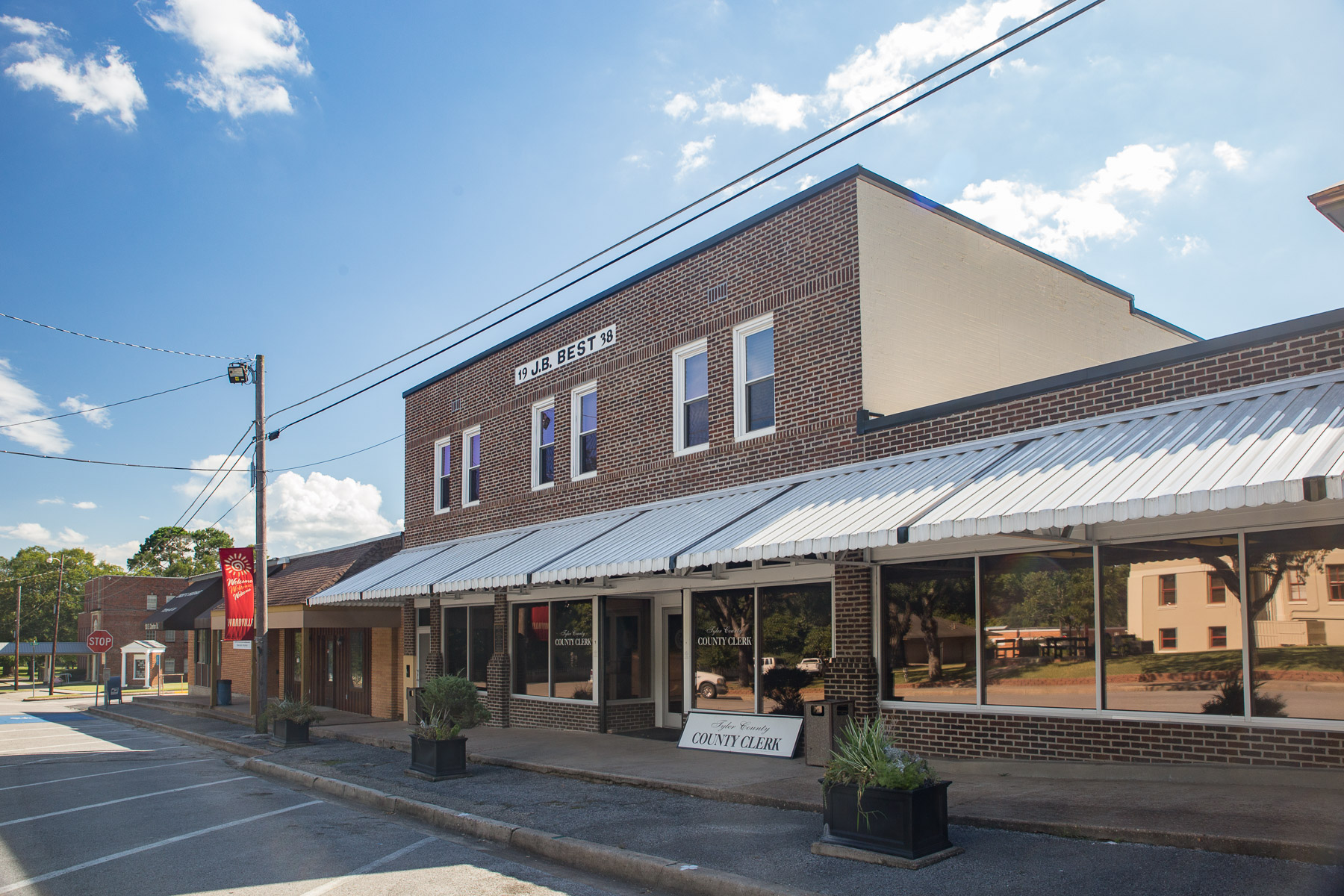
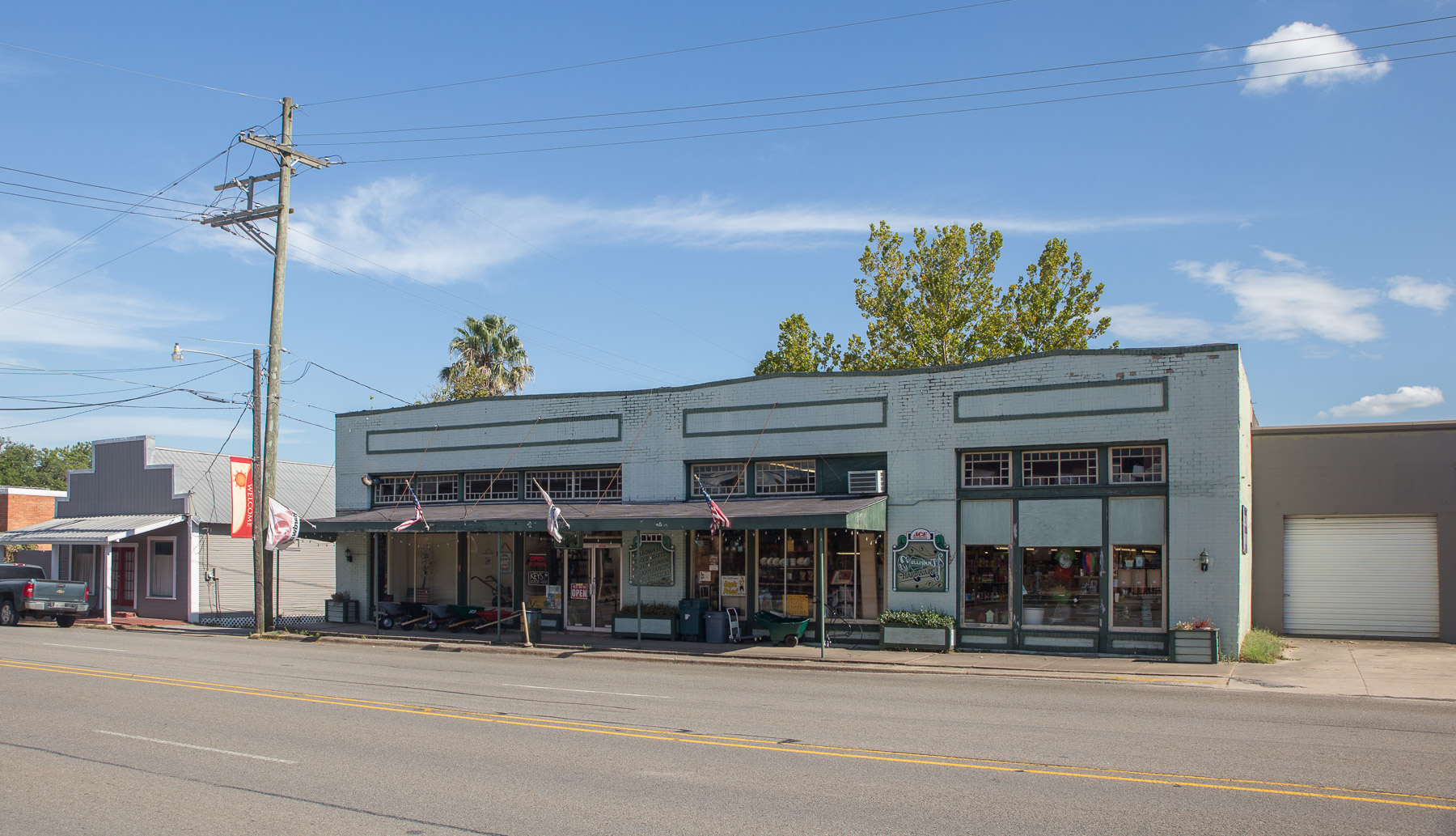
Woodville sits in the rolling piney woods of East Texas as the seat of Tyler County, a small community of roughly 2,500 residents where live oaks shade historic streets and a quiet courthouse square anchors daily life. The town carries the unhurried pace of rural Southeast Texas, with locally owned shops, hometown diners, and a strong sense of place tied to the forests and rivers that surround it. Woodville is best known as a gateway to the Big Thicket National Preserve, one of the country's most biologically diverse natural areas, and it lies approximately 90 miles northeast of Houston, the nearest major city.
The Big Thicket National Preserve is the headline draw, often described as the biological crossroads of North America because of the unusual overlap of eastern, western, and Gulf Coast ecosystems within a relatively compact area. Visitors come for hiking, birding, and paddling through cypress sloughs and longleaf pine uplands, and several of the preserve's trailheads and units lie within a short drive of town, with some accessible in roughly 15 to 30 minutes from Woodville. The preserve's visitor center is a natural first stop for guests who want ranger-led guidance on which unit to explore that day.
About 20 miles southeast of Woodville, Martin Dies Jr. State Park sits along the Neches River and offers a classic East Texas outdoor escape with pine-shaded campsites, canoeing and kayaking, fishing for bass and catfish, and easy nature walks through bottomland forest. The park serves as a softer, more family-friendly complement to the wilder Big Thicket and is roughly a 30-minute drive from town, making it well suited to guests traveling with children or anyone wanting a relaxed afternoon on the water.
A bit farther north, Sam Rayburn Reservoir stretches across the Angelina National Forest and is one of the largest lakes in Texas, popular for bass fishing, houseboating, and swimming along its sandy shoreline parks. From Woodville, the drive runs roughly 45 minutes to an hour, putting it within easy reach for a day trip or a longer detour for guests who want to spend time on the water.
Woodville makes a compelling base for short-term rentals because it offers something increasingly rare: genuine small-town character combined with direct access to one of the South's most distinctive natural areas. Travelers who choose to stay here can spend mornings wandering quiet streets beneath the live oaks, afternoons hiking sloughs and pine ridges in the Big Thicket, and evenings returning to a comfortable rental that feels a world apart from the busy Houston metroplex just under two hours away.
Want to know if a property in Woodville is a good investment?
Enter an address to get instant revenue potential and comps.