
Flower Mound, Texas
Want to see how Flower Mound compares to other top cities in Texas? Explore all city regulations in Texas. →
Flower Mound, TX
Generally Investor Friendly

STR Regulations for Flower Mound, Texas
Overview and Explicit Allowance Status
Short-term rentals (STRs) are allowed in Flower Mound, Texas. However, they must be registered with the Town of Flower Mound, and the Town’s Hotel Occupancy Tax (HOT) must be collected and remitted. The Town partners with a third‑party platform (GovOS) to manage STR registration, monthly reporting, and payments. Flower Mound’s requirements focus on registration and tax compliance; there are no additional city‑issued STR permits or occupancy/safety standards enumerated in the Town’s published STR program as of the latest guidance.
In practical terms: no registration and remittance via GovOS means you are not compliant, regardless of HOA or other neighborhood rules. In parallel, Texas state law imposes a 6% state HOT on STRs, and you should consult the Texas Comptroller for state registration, reporting, and payment protocols.
What do Airbnb hosts actually earn in Flower Mound?
Flower Mound hosts earn a median $52,154/year with $287 ADR and 67% occupancy.
Top performers pull in $63,898+ per year.
See the full Flower Mound market breakdownHow to Start a Short-Term Rental Business in Flower Mound
- Secure legal authority to operate: confirm your property is zoned for residential use and verify HOA/CC&Rs allow STRs or understand how to obtain any required approvals.
- Register your STR with the Town through the GovOS portal (flower-mound.munirevs.com). The registration process became available November 20, 2023.
- Set up monthly reporting and HOT remittance in your GovOS profile for the Town’s 7% HOT.
- Ensure you understand and comply with Texas state HOT (6%) obligations; register and file with the Texas Comptroller as required.
- Establish operational controls for record‑keeping, nightly rates, guest screening, occupancy limits (if any), parking, and noise to avoid nuisance issues.
- Track reporting deadlines and maintain evidence of filings and payments for audit purposes.
Required Documents, Permits, Licenses, and Guidelines
- Town registration: complete and maintain your profile in the GovOS portal; no additional Town‑issued STR permit is specified.
- Town Hotel Occupancy Tax: collect 7% on room rentals; pay monthly via GovOS.
- State HOT: collect and remit the Texas state 6% HOT to the Texas Comptroller.
- Documentation: maintain complete and detailed records of all receipts, exemptions, and remittances; make them available upon Town request or audit.
- HOA/CC&Rs: review and adhere to any HOA restrictions. If your HOA lacks explicit STR prohibitions, Texas case law (Tarr v. Timberwood Park Owners Association, 2018) indicates a “residential‑only” covenant does not automatically bar short‑term rentals; HOAs must expressly address “short‑term rentals,” “vacation home,” or minimum lease durations to prohibit them.
- Safety/housing codes: comply with applicable housing and safety codes (e.g., fire, building, life‑safety). The Town’s STR page does not enumerate specific inspection or safety permit requirements.
Specific Regulations for Short-Term Rentals
- Town registration via GovOS is mandatory for STRs operating in Flower Mound.
- Town HOT rate is 7% of the consideration paid for room occupancies; remitted monthly via GovOS.
- Reporting and payment deadlines:
- Monthly tax form and payment due by the 15th of the month following the tax month.
- If the 15th falls on a weekend or holiday, the next business day applies.
- Late penalty: 15% of the tax due if not paid by the 25th of that following month.
- Interest: 10% per year accrues starting 30 days after the tax due date.
- Collection fee: 1% deduction allowed if the tax is paid and received by the 15th of the following month.
- Records: keep complete records supporting all reported amounts and claimed exemptions; the Town may audit at any time.
- State‑level requirement: Texas imposes a 6% HOT on short‑term rentals; register and report directly to the Texas Comptroller.
- HOA constraints: If your HOA wants to prohibit STRs, it must amend covenants to explicitly address “leasing,” “short‑term rentals,” “vacation home,” and minimum lease terms; otherwise, Tarr v. Timberwood Park indicates a general “residential use” restriction does not bar STRs.
- Enforcement risk: operating without registration, failing to file, or missing tax deadlines creates exposure to penalties, interest, and potential enforcement actions.
Timeline Highlights
- November 20, 2023: STR registration opens via GovOS.
- December 1, 2023: Tax collection begins through GovOS.
- December 15, 2023: First reporting/payment deadline (for November activity).
Contact Information and Useful Links
- Town of Flower Mound (General):
- Phone: 972‑874‑6000
- Address: 2121 Cross Timbers Road, Flower Mound, TX 75028
- STR Program – Flower Mound:
- Email: STR@flowermound.gov
- GovOS Platform Support:
- Email: blt.str.support@govos.com
- Phone: 888‑751‑1911
- Texas Comptroller (State HOT):
- Website: comptroller.texas.gov/taxes/hotel-occupancy
- Phone: Not specified in provided sources
Source Pages
- Short‑Term Rentals – Town of Flower Mound (key requirements, deadlines, contacts, penalties): www.flowermound.gov/2518/Short-Term-Rentals
- Flower Mound STR Registration Portal (GovOS): flower-mound.munirevs.com/
- Town Memo: HOA Authority to Prohibit Short‑Term Rentals (May 28, 2020; Tarr v. Timberwood Park discussion): www.flowermound.gov/DocumentCenter/View/28905/HOA-Regulation-of-Short-Term-Rentals
- Texas Comptroller – Hotel Occupancy Tax (state-level guidance): comptroller.texas.gov/taxes/hotel-occupancy
Notes for STR Investors
- Flower Mound’s current approach is administrative: register and remit the 7% Town HOT monthly through GovOS, maintain thorough records, and be mindful of penalties for late filing.
- At the state level, you must also handle the 6% Texas HOT and any local obligations in other jurisdictions if you own or operate properties outside Flower Mound.
- If your property is in an HOA, verify whether the CC&Rs explicitly restrict short‑term rentals. If they do not, you may still be able to operate; however, owners have succeeded in adding explicit prohibitions, so the covenant landscape can change and should be monitored.
Next step
Found a property in Flower Mound?
Paste any address and get estimated revenue, cash-on-cash return, and comparable STR performance in under 5 minutes. 3 free analyses per day.
Free brief
Get the free Flower Mound STR Investment Brief
Revenue data, top neighborhoods, seasonal trends, and the key regulations for Flower Mound, Texas in one email.
Flower Mound
Market Saturation Score
Photos of Flower Mound
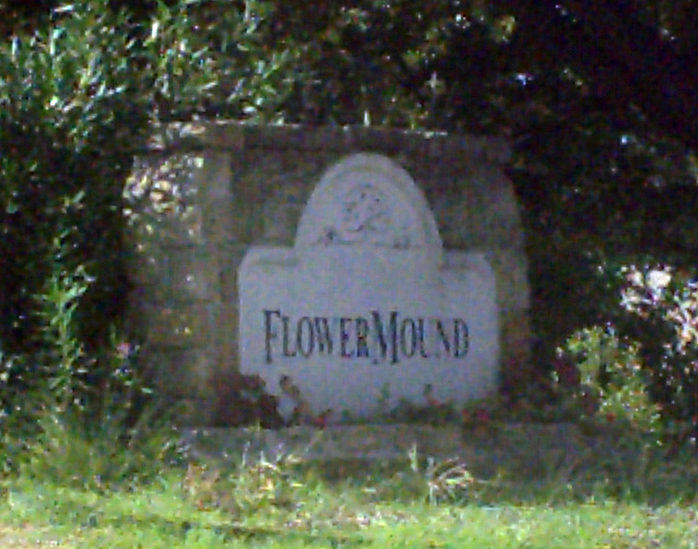
Overview of Flower Mound
Flower Mound is a residential town in Denton County, Texas, situated in the northern reaches of the Dallas–Fort Worth metroplex. With a population of roughly 75,000 to 80,000, it has earned a reputation as one of the more affluent and family-friendly suburbs in North Texas, frequently appearing on "best places to live" lists. The town is named for a prominent hill on the southern prairie that, according to local legend, was once blanketed in wildflowers. Its character leans toward well-kept neighborhoods, mature parks, and a community-oriented atmosphere rather than dense urban energy. It sits approximately 30 miles northwest of Dallas and just a short drive from the DFW International Airport, making it a practical base for travelers exploring the broader region.
A short drive south brings visitors to the Grapevine area, a region defined by its namesake lake and its well-preserved historic downtown. Grapevine Lake, just a few miles from Flower Mound, is one of the most popular reservoirs in the metroplex, drawing visitors for boating, sailing, kayaking, fishing, and lakeside picnicking. The surrounding parks and marinas, including Meadowmere Park and various public boat ramps, make it a year-round outdoor draw for both residents and out-of-town guests who want a break from suburban surroundings.
Just south of the lake, the historic downtown of Grapevine offers a more old-fashioned Texas experience, with restored 19th-century buildings, the Grapevine Vintage Railroad, independent boutiques, and a calendar of seasonal festivals including GrapeFest, the largest wine festival in the Southwest. The area around Main Street is walkable and atmospheric, giving short-term rental guests an easy evening out without venturing into Dallas or Fort Worth proper.
To the west of Flower Mound lies Lewisville Lake, another large reservoir popular for sailing, windsurfing, and lakeside camping. Operated by the U.S. Army Corps of Engineers, the lake's surrounding parks offer swimming beaches, trails, and boat ramps that draw a steady stream of regional visitors on weekends and throughout the summer.
Flower Mound itself also has its share of green space, including the town's namesake Flower Mound, a 12.5-acre community park built around the very hill that gives the town its identity. Trails climb the mound for elevated views of the surrounding prairie, and the park connects to a broader network of neighborhood paths.
For short-term rental owners, Flower Mound offers a compelling combination of suburban calm, easy airport access, and proximity to some of the metroplex's most popular outdoor and historic destinations. Guests can spend their days on the lake, wandering a historic downtown, or hopping into Dallas or Fort Worth for major events, then return to a quieter, greener setting at the end of the day.
Want to know if a property in Flower Mound is a good investment?
Enter an address to get instant revenue potential and comps.