
Farwell, Texas
Want to see how Farwell compares to other top cities in Texas? Explore all city regulations in Texas. →
Farwell, TX
Generally Investor Friendly
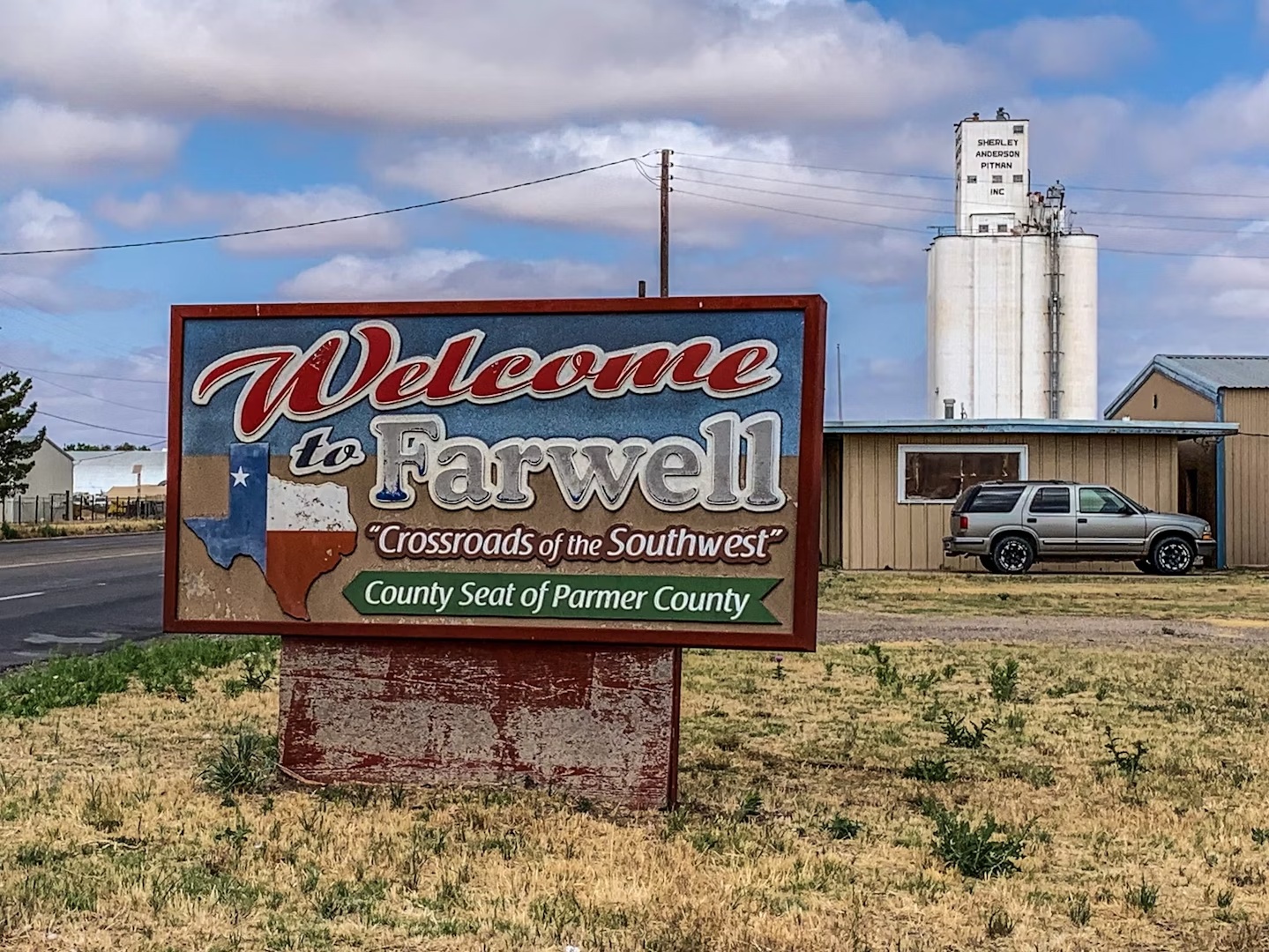
STR Regulations for Farwell, Texas
Note on data scope: the provided sources do not contain city- or county-specific STR ordinances, permits, licenses, or contact details for Farwell, TX. As a result, the guidance below uses Texas state-level rules and references available local government resources; investors should confirm local requirements directly with the City of Farwell and Parmer County before commencing operations.
Are short‑term rentals allowed in Farwell, TX?
Yes, short‑term rentals are allowed statewide in Texas. State law (SB 451, 2019) prohibits municipalities from enacting blanket bans on short‑term rentals, though cities may regulate aspects such as zoning, safety, parking, signage, noise, and nuisance standards, and require registration/permits where they choose to do so. Cities may also enforce local hotel occupancy taxes. If Farwell adopts local STR ordinances, investors must comply with them. Until then, operate under Texas state law and the applicable tax framework below.
What do Airbnb hosts actually earn in Farwell?
Farwell hosts earn a median $19,127/year with $118 ADR and 62% occupancy.
Top performers pull in $24,899+ per year.
See the full Farwell market breakdownHow to start a short‑term rental business in this market
- Entity and tax registration
- Form a legal business entity (e.g., LLC) to separate liability and enable tax elections.
- Register for Texas state taxes: Sales and Use Tax (if applicable) and Employer Identification Number (EIN) through the IRS. Hotel Occupancy Tax (state + local) must be collected and remitted.
- Compliance architecture
- Confirm zoning: ensure the property can legally be used for short-term lodging (e.g., not restricted by covenants or HOA rules).
- Safety and amenity standards: follow Texas Health and Human Services (HHS) minimum standards for lodgings, including life safety equipment (smoke detectors, carbon monoxide alarms, fire extinguishers where applicable), posted emergency egress info, and safe occupancy levels.
- Insurance: obtain short‑term rental or dwelling‑fire coverage appropriate for transient guest use.
- Launch readiness
- Guest vetting and screening; clear house rules for occupancy, quiet hours, parties, smoking, pets, parking, and events.
- Guest communications: reservation confirmations with arrival instructions, Wi‑Fi, and emergency contacts.
- Tax setup: configure your hosting channel/provider and/or accounting software to collect the state 6% Hotel Occupancy Tax plus any local taxes that apply; set up remittance cadence.
- Property operations
- Turnover and cleaning protocols; ensure compliance with local waste and recycling rules.
- On-call support: post 24/7 contact information to address guest issues promptly and meet any local nuisance or quiet‑hour rules.
- Marketing and channels
- List on reputable platforms; ensure listing copy reflects occupancy limits, house rules, and tax collection policy as required.
If local ordinances exist (e.g., registration, parking limits, signage, safety inspections), incorporate those steps and documentation before first guest check‑in.
Required documents, permits, licenses, and guidelines
- State and tax
- Sales Tax Permit (Texas Comptroller) if you are required to collect/remit sales tax for taxable goods or services provided.
- Hotel Occupancy Tax registrations/remittances for state and applicable local jurisdictions.
- EIN; business bank account; accounting records of gross rental receipts, exemptions, and remitted taxes.
- Safety and health
- Life safety features: functional smoke detectors (and CO alarms where applicable), posted emergency egress information, and any equipment required by HHS lodging standards.
- Safety policy: emergency contact info displayed inside the unit; 24/7 responsiveness plan.
- Local (if any)
- City of Farwell: confirm whether a short‑term rental registration/permit is required, and obtain it if applicable.
- County (Parmer County): verify if county lodging permits or inspections apply.
- Insurance and documentation
- STR liability/property insurance appropriate for transient use.
- Lease/house rules; guest agreements; party/event policies; maximum occupancy limits; parking rules.
Because city‑specific permit details were not available in the provided sources, investors must verify registration, inspection, or licensing requirements directly with the City of Farwell before operating.
Specific regulations for short‑term rentals: Farwell (city), Parmer County (county), and Texas (state)
- Texas (state)
- Short‑term rentals cannot be banned outright. Cities may regulate aspects like zoning, safety, parking, signage, noise, and require registration/permits if they choose to do so.
- Hotel Occupancy Tax (HOT): State HOT is 6% of the room rate. Local HOTs may also apply and can increase total tax. Platforms may collect/remit on your behalf; confirm arrangements and remain liable for accurate reporting.
- Health and safety: Follow Texas HHS minimum standards for lodging establishments, including life‑safety equipment, posted safety information, and occupancy practices consistent with safety codes.
- Municipal home‑rule authority: Cities retain authority to enforce zoning and local standards if adopted; operate within those rules when in effect.
- Parmer County (county)
- The provided sources do not detail county‑level STR ordinances. If county permits or inspections apply to lodging, obtain them prior to operation. County HOTs may apply; check with the Parmer County Tax Assessor‑Collector for current rates and reporting requirements.
- City of Farwell (city)
- No city‑specific STR ordinances were identified in the provided sources. Check with the City Secretary/Mayor’s office for registration, zoning compliance, signage limits, parking caps, safety inspections, or quiet‑hour enforcement requirements if any are adopted.
Tax example (illustrative):
- If the state HOT is 6% and the local HOT is 7% (an example rate), the total HOT is 13% of the room rate. For a $100 nightly rate, taxes would be $13 per night ($6 state + $7 local). Confirm the actual local rates with the local tax authority prior to launch.
Contact information (phone, email, website where available)
- Texas Comptroller (state sales/HOT): 1‑800‑252‑5555 | Website: comptroller.texas.gov
- Texas Health and Human Services (Lodging Standards): Main line 1‑855‑937‑2372 | Website: www.hhs.texas.gov
- Parmer County Tax Assessor‑Collector
- Website: www.parmercounty.net/Departments/Tax-Assessor-Collector
- Phone: Not listed in the provided sources
- Email: Not listed in the provided sources
- City of Farwell
- Phone: Not listed in the provided sources
- Email: Not listed in the provided sources
- Website: Not listed in the provided sources
Because contact details for Farwell and Parmer County were not provided in the sources, investors should verify city/county contacts through official government websites or the county clerk/tax office directly.
Links to source pages
- indianroommates.sulekha.com/rentals_1-bedrooms_for_rent_in_farwell-tx
- propertycashin.com/investing-guides/commercial-real-estate-market-farwell-tx/
- www.facebook.com/groups/317120193059935/posts/1233896464715632/
Key market metrics from these sources (for context):
- Median gross rent (Farwell): Not specified in the source (blank/placeholder)
- Median home value (Farwell): Not specified in the source (blank/placeholder)
- Rental unit occupancy rate (Farwell): Not specified in the source (blank/placeholder)
- Home ownership rate (Farwell): Not specified in the source (blank/placeholder)
Note: Many market data fields were placeholders or incomplete in the provided content.
Practical next steps for investors:
- Verify Farwell’s current ordinances (registration, parking, signage, inspections).
- Confirm local HOT rates with Parmer County and any applicable city HOT.
- Register with the Texas Comptroller for HOT (and sales tax, if needed).
- Align property to HHS lodging safety standards and publish emergency/egress information.
- Obtain STR-appropriate insurance, publish clear house rules, and set up accurate tax collection/remittance workflows.
Next step
Found a property in Farwell?
Paste any address and get estimated revenue, cash-on-cash return, and comparable STR performance in under 5 minutes. 3 free analyses per day.
Free brief
Get the free Farwell STR Investment Brief
Revenue data, top neighborhoods, seasonal trends, and the key regulations for Farwell, Texas in one email.
Farwell
Market Saturation Score
Photos of Farwell


Overview of Farwell
Farwell is a small rural community serving as the county seat of Parmer County in the Texas Panhandle, set in the high plains of the Llano Estacado near the New Mexico state line. With a population of roughly 1,300 to 1,400 residents, Farwell has the unhurried feel of a tight-knit agricultural town surrounded by farmland, cattle country, and wide-open sky. The community has historical ties to the legendary XIT Ranch, once one of the largest cattle operations in the world, and many visitors pass through on their way between the larger Panhandle hubs. The nearest major city is Lubbock, Texas, located roughly 110 miles to the south-southeast, while Amarillo sits about 100 miles to the north along the interstate corridor.
Just across the state line to the northwest, the city of Clovis, New Mexico offers dining, lodging, and the regional air and rail connections that Farwell itself lacks, making it the practical urban anchor for travelers staying in the area. A short drive east of Clovis brings visitors to the Blackwater Draw Museum and Archaeological Site, where the first recognized stone tools of the Clovis culture were uncovered in the 1930s, giving the wider region a striking prehistoric dimension. The museum and nearby遗址 area sit within about twenty miles of Farwell and offer a welcome stop for history-minded guests exploring the otherwise open plains.
The surrounding landscape itself is a quiet draw. The Llano Estacado stretching out in every direction is a tabletop expanse of mesquite and grassland that has long attracted photographers, birders, and travelers seeking the unobstructed horizons and vivid sunsets of the high plains. Travelers with more time can also explore the Panhandle's larger reservoirs, such as Lake Meredith and the Palo Duro Canyon area to the east, both of which offer hiking, fishing, and scenic driving within a couple of hours of town. The result is a setting where days can be filled with archaeology, ranch history, and outdoor exploration before returning to the calm of a small border town.
For short-term rental owners, Farwell offers an interesting mix of small-town character and regional accessibility. Guests who want a peaceful rural base close to the cultural and natural attractions of the southern Panhandle, while still within easy reach of Clovis for supplies and services, will find the location genuinely useful. The combination of historical depth, wide-open landscapes, and proximity to both Lubbock and Amarillo gives Farwell a quiet but versatile appeal that suits travelers looking to slow down while still exploring one of Texas's most distinctive regions.
Want to know if a property in Farwell is a good investment?
Enter an address to get instant revenue potential and comps.