
Denver City, Texas
Want to see how Denver City compares to other top cities in Texas? Explore all city regulations in Texas. →
Denver City, TX
Irrelevant
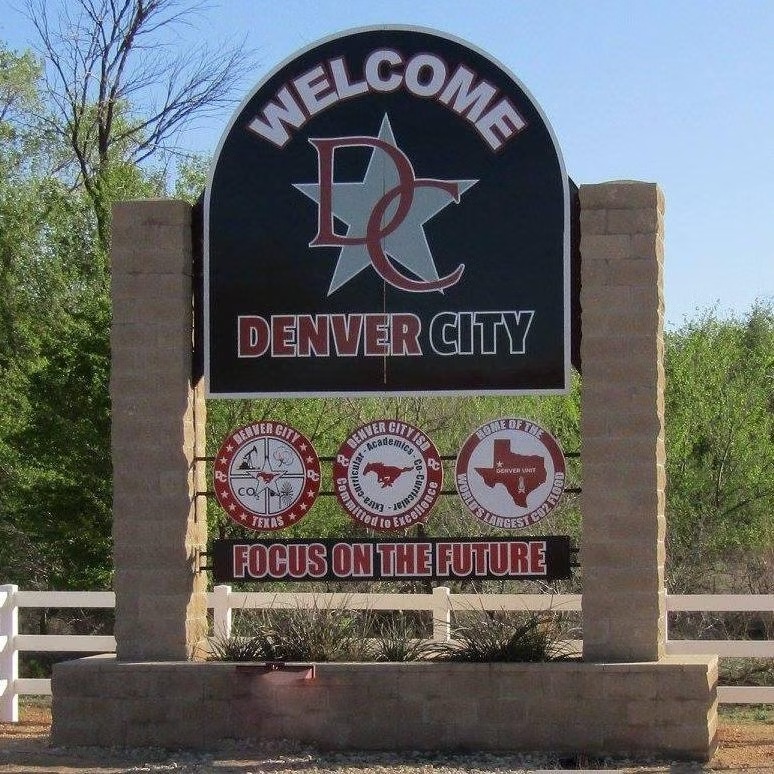
STR Regulations for Denver City, Texas
Comprehensive Guide to Short-Term Rental (STR) Regulations in Denver, CO
Overview: Are Short-Term Rentals Allowed in Denver?
Yes, short-term rentals are allowed in Denver, Colorado, but with significant restrictions. The city has a highly regulated environment for STRs. The most critical rule is that only a host's primary residence can be operated as a short-term rental. This is a strict "primary residence only" policy. Renting out a property that is not your primary home is prohibited.
The city has implemented a robust licensing and enforcement system to ensure compliance with these rules. Regulations have been in place since 2016 and have been significantly strengthened, particularly with fines for both hosts and listing platforms.
Key Points at a Glance:
- Allowed: Yes, but only for primary residences.
- Prohibited: Operating an STR from a non-primary residence.
- Minimum Rental Term: Rentals of 1-29 days require a license. Properties rented for 30+ days at a time do not need a license.
- Insurance Requirement: Mandatory liability insurance coverage of at least $1,000,000.
- Taxes: Subject to a 10.75% Lodger's Tax and an annual $48 Occupational Privilege Tax.
What do Airbnb hosts actually earn in Denver City?
Denver City hosts earn a median $14,323/year with $167 ADR and 27% occupancy.
Top performers pull in $14,323+ per year.
See the full Denver City market breakdownHow to Start a Short-Term Rental Business in Denver
Starting an STR in Denver requires careful compliance with a multi-step process centered around licensing and legal approval.
- Verify Primary Residence Status: Confirm that the property you intend to rent is your legal primary residence. This is the most fundamental requirement and must be provable.
- Secure Legal Authorization: If you are a renter, you must obtain written approval from the property owner or landlord to use the property as an STR.
- Apply for the Required Licenses:
- Primary License: Submit an application for a Short-Term Rental (STR) license through the Denver Department of Excise and Licenses. Note: The city also mentions a separate "Lodging Facility License" for certain properties, which may require additional construction upgrades (exit signage, fire alarm system, accessibility routes) and potentially a zoning change.
- Business Registration: Register for an account to collect and remit the city’s Lodger's Tax.
- Obtain Required Insurance: Purchase a short-term rental insurance policy with a minimum of $1,000,000 in liability coverage. This is non-negotiable and must be maintained at all times.
- Install Mandatory Safety Equipment: Install and maintain a functioning smoke detector, a carbon monoxide detector, and a fire extinguisher.
- List and Operate Legally:
- Clearly display your STR license number on all online listings.
- Use the same contact information provided on your license application for all correspondence.
- Collect and remit all applicable taxes (Lodger's Tax and Occupational Privilege Tax).
- Keep your license and contact information current with the Department of Excise and Licenses. Any changes must be reported within 30 days.
- Maintain the property to standards that prevent safety hazards and minimize neighborhood impacts.
Required Documents, Permits, Licenses, and Guidelines
| Requirement | Details | Cost (where specified) | | :--- | :--- | :--- | | Short-Term Rental (STR) License | The primary license to operate an STR for rentals of 1-29 days. | Application Fee: $150 | | STR License Annual Renewal | The license must be renewed each year. | Renewal Fee: $100 | | Lodger's Tax Account | Required to collect and remit the 10.75% Lodger's Tax on all bookings. | No fee | | Occupational Privilege Tax | An annual tax for the privilege of conducting business in Denver. | $48 per year | | $1,000,000 Liability Insurance | Mandatory insurance coverage to protect guests and the public. | Varies by insurer | | Proof of Primary Residence | Documentation proving the property is your legal primary residence. | Varies | | Owner/Landlord Authorization | Written approval if the applicant is a renter. | N/A | | Lodging Facility License (Conditional) | May be required for some properties, involving building upgrades. | Varies |
Specific Regulations for Short-Term Rentals in Denver
The city has a detailed set of rules to govern STR operations:
- Primary Residence Requirement: This is the cornerstone of Denver's policy. The property must be the host's primary residence, meaning it must be the address on their driver's license or state ID. A person can only have one primary residence.
- License Display and Maintenance:
- The STR license number must be displayed clearly on all listings across any platform (e.g., Airbnb, Vrbo).
- License holders must keep their contact information current with the Department of Excise and Licenses and report any changes within 30 days.
- Enforcement and Fines:
- For Hosts: Individual owners of problem or unlicensed rentals can be fined up to $1,000 per day.
- For Listing Platforms: Since 2021, platforms like Airbnb and Vrbo can be fined up to $1,000 per transaction for listing unlicensed properties. This has been highly effective in driving compliance, with a dramatic drop in warnings from 1,244 in late 2020 to just 5 in 2021-2022.
- Safety and Liability Requirements: As noted, functioning smoke and CO detectors, a fire extinguisher, and comprehensive liability insurance ($1M minimum) are mandatory.
- Definition of a STR: A short-term rental can include a single bedroom, an entire home, or multiple bedrooms. However, if multiple rooms are offered, they must be rented to the same party under a single contract. You cannot rent separate rooms to different occupants simultaneously.
- Taxation: Hosts are responsible for collecting and remitting the 10.75% Lodger's Tax and paying the $48 annual Occupational Privilege Tax.
Contact Information for the Local Authority
For questions and support regarding STRs in Denver, contact the governing authority:
-
Denver Department of Excise and Licenses
- Email: EXLApplications@denvergov.org
- Phone: 720-865-2740
- Website: Short-Term Rental FAQ
-
For broader zoning and land use questions:
- Denver City Council
- Phone: 720-337-2000
- Website: Denver City Council
- Denver City Council
-
For county and state-level laws:
- Denver Board of County Commissioners
- Website: Board of County Commissioners
- State of Colorado Official Website: www.colorado.gov
- Denver Board of County Commissioners
Source Links
The analysis is based on the following provided sources:
- Safely.com - Article on Denver STR Laws: https://safely.com/articles/denver-short-term-rental-law/
- Truvi.com - Overview of Airbnb Regulations: https://truvi.com/blog/airbnb-regulations-by-city/
- Denver STR Advisory Committee (STRAC) Update (Aug 2022): https://www.denvergov.org/files/assets/public/v/1/business-licensing/documents/strac-update-aug2022.pdf (PDF)
Next step
Found a property in Denver City?
Paste any address and get estimated revenue, cash-on-cash return, and comparable STR performance in under 5 minutes. 3 free analyses per day.
Free brief
Get the free Denver City STR Investment Brief
Revenue data, top neighborhoods, seasonal trends, and the key regulations for Denver City, Texas in one email.
Denver City
Market Saturation Score
Photos of Denver City
Overview of Denver City
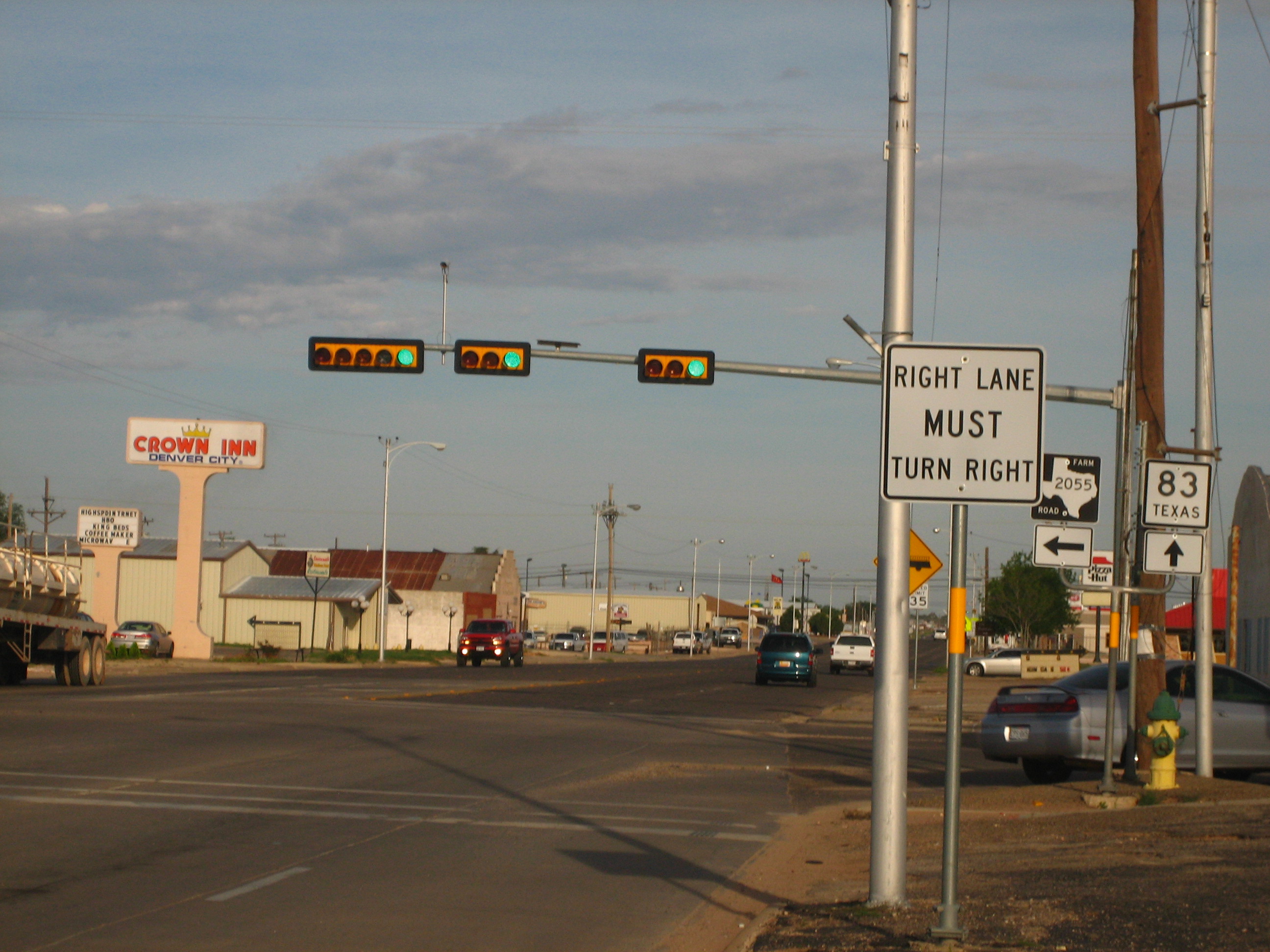
Denver City is a small community in Yoakum County on the high plains of West Texas, situated in the heart of the Permian Basin, one of the most productive oil- and natural-gas-producing regions in the United States. The town has a population of roughly 4,500 and functions primarily as a service and supply hub for the surrounding energy industry, giving it a pragmatic, working-class character rather than a tourism-oriented one. Wide skies, flat agricultural land, and dispersed oilfield infrastructure define the surrounding landscape of the Llano Estacado. Denver City sits about 70 to 75 miles southwest of Lubbock, the nearest major city, and lies just a short drive south of the New Mexico state line.
The Llano Estacado, sometimes called the Staked Plains, forms the geographic backbone of the region around Denver City. This enormous plateau extends across the Texas Panhandle and into eastern New Mexico, and the surrounding countryside offers the kind of big-sky scenery, prairie light, and quiet rural roads that attract travelers drawn to the open landscapes of the southern Great Plains. Sunsets tend to be wide and dramatic, and the area is popular with photographers, road-trippers, and hunters who pass through during the winter pheasant and quail seasons.
For visitors wanting a broader range of amenities, the city of Lubbock is the closest major regional center, roughly an hour and a half to the northeast. Lubbock is home to Texas Tech University as well as cultural institutions such as the Buddy Holly Center, which honors the rock-and-roll pioneer who grew up there, and the National Ranching Heritage Center, which preserves the ranching history of the surrounding plains. Together these offer a useful day-trip complement to a stay in Denver City.
Denver City's location on the Texas–New Mexico border places it within easy reach of towns like Lovington and Hobbs in southeastern New Mexico, and the broader Permian Basin energy corridor that straddles the state line. Travelers continuing west or south can reach the Guadalupe Mountains and the Carlsbad region of New Mexico in a longer day's drive.
A short-term rental in Denver City is best understood as a niche-market investment rather than a traditional tourism play. The town draws a steady flow of energy-industry workers, contractors, and traveling professionals who need short-term lodging in a region with limited hotel options, while the surrounding Llano Estacado landscape and proximity to Lubbock add regional appeal for longer stays and for travelers exploring the wider West Texas–eastern New Mexico corridor.
Want to know if a property in Denver City is a good investment?
Enter an address to get instant revenue potential and comps.