
Clinton, Tennessee
Want to see how Clinton compares to other top cities in Tennessee? Explore all city regulations in Tennessee. →
Clinton, TN
Challenging To Investors

STR Regulations for Clinton, Tennessee
Short-Term Rental Investment Guide: Clinton, Tennessee
Overview
Yes, short-term rentals are explicitly allowed in Clinton, TN. The City of Clinton has formally recognized and regulates short-term rental units as "hotels" under its municipal code. Clinton's regulations establish a clear framework for STR operations through hotel/motel tax provisions, which explicitly include short-term rental units in their definition of taxable hotel operations.
What do Airbnb hosts actually earn in Clinton?
Clinton hosts earn a median $28,390/year with $144 ADR and 65% occupancy.
Top performers pull in $33,897+ per year.
See the full Clinton market breakdownHow to Start a Short-Term Rental Business in Clinton, TN
Step 1: Property Compliance and Preparation
- Ensure your property meets all applicable building codes and zoning requirements
- Verify that short-term rental use is permitted in your property's zoning district
- Install required safety features and ensure compliance with adopted building codes
- Consider the Clinton fire district regulations if your property falls within designated boundaries
Step 2: Business Registration
- Obtain a business license from the City Recorder
- Pay the applicable business privilege tax at the maximum rate allowed by state law
- Register as a hotel/motel tax operator
Step 3: Tax Registration and Collection Setup
- Register for hotel/motel tax collection responsibilities
- Implement systems for collecting the 4% transient occupancy tax
- Prepare to remit collected taxes monthly by the 20th of each month
Step 4: Guest Documentation System
- Establish a standard hotel register system to record all guest information
- Ensure guest registration records can be maintained for inspection
Required Documents, Permits, and Licenses
Business Licenses and Taxes
- Business License: Required from the City Recorder upon payment of the appropriate business tax
- Business Privilege Tax: Levied at the maximum rate allowed under Tennessee's Business Tax Act (Title 67, Chapter 4, Part 7)
- Hotel/Motel Tax Registration: Required to collect and remit the 4% transient occupancy tax
Guest Documentation Requirements
- Hotel Register: Standard guest registration system capturing:
- Names of all guests renting or occupying rooms
- Room numbers assigned to guests
- Check-in and check-out dates
Financial Compliance
- Monthly tax return filing system under oath
- Records preservation for three (3) years minimum
- Audit preparation for annual city audits
Specific Regulations for Short-Term Rentals
City-Level Regulations (Clinton)
Tax Framework
- Hotel/Motel Tax Rate: 4% of the consideration charged for occupancy
- Definition: Short-term rental units are explicitly included in the definition of "hotel"
- Tax Base: All consideration charged for occupancy, including all receipts, cash, credits, property, and services
Collection and Remittance Requirements
- Collection: Must add 4% tax to each invoice and collect from transient guests
- Remittance Deadline: 20th day of each month for the preceding month's collections
- Penalty Structure:
- Interest: 12% per annum on delinquent taxes
- Additional penalty: 1% for each month or fraction thereof delinquent
- Criminal penalties: Up to $50 fine for willful refusal to collect or remit
Operational Requirements
- Room Numbering: Each sleeping room must be numbered plainly and conspicuously
- Record Keeping: Maintain standard hotel register with guest names, room assignments, and rental periods
- Inspection Rights: City Recorder has right to inspect records at all reasonable times
- Anti-Advertising Provisions: Cannot advertise that the tax will be assumed, absorbed, or not added to rent
State-Level Regulations (Tennessee)
General Business Framework
- Tennessee's Business Tax Act applies to all STR operations
- STR operators must comply with all applicable state business regulations
- Tennessee Code Annotated Title 67, Chapter 4, Part 7 governs business taxation
Building and Safety Standards
- Properties must comply with locally adopted building codes
- STR properties fall under the same fire code requirements as hotels
- Building inspection requirements may apply depending on property modifications
County-Level Regulations (Anderson County)
The provided content does not contain Anderson County-specific short-term rental regulations. Investors should consult Anderson County directly for any additional county-level requirements.
Contact Information
City of Clinton - Local Authority for STRs
City Recorder (Primary Contact)
- Responsibility: Business licenses, hotel/motel tax collection, business privilege tax
- Address: City of Clinton, City Hall
- Note: Contact information not specified in the provided documents
City Manager's Office
- Responsibility: General municipal operations, permit coordination
- Address: City of Clinton, City Hall
City Attorney's Office
- Responsibility: Legal compliance, ordinance interpretation
- Address: City of Clinton, City Hall
State-Level Contacts
Tennessee Department of Revenue
- Website: revenue.tn.gov
- Responsibility: State business tax guidance, general business regulations
Tennessee Department of Commerce and Insurance
- Website: www.tn.gov/commerce.html
- Responsibility: Building codes, safety standards
Important Compliance Notes
Tax Collection and Remittance
- The 4% tax is a "privilege tax" imposed on transients, but operators are responsible for collection and remittance
- Credit arrangements with guests do not relieve the operator's obligation to remit taxes
- Monthly returns must be filed under oath with the City Recorder
Record Keeping Requirements
- Maintain all tax-related records for at least three years
- Hotel register must be maintained and available for inspection
- Monthly tax return forms must be filed with sufficient copies as required by the City Recorder
Enforcement and Penalties
- The City Recorder conducts annual audits of all hotel operators
- Criminal penalties apply for willful refusal to collect or remit taxes
- Delinquent taxes accrue significant financial penalties
Operational Restrictions
- Properties within the designated fire district face additional construction requirements
- Properties classified as hazardous (Group H) occupancies are prohibited within the fire district
- Standard hotel numbering requirements apply to all sleeping rooms
Recommended Compliance Checklist
- ✅ Verify zoning compliance for STR use
- ✅ Obtain business license and pay privilege tax
- ✅ Register for hotel/motel tax collection
- ✅ Implement guest registration system
- ✅ Establish tax collection and remittance procedures
- ✅ Prepare for monthly tax filing requirements
- ✅ Review applicable building and fire code requirements
- ✅ Maintain required record keeping systems
Sources
- Clinton Municipal Code, Title 5, Chapter 4 - Hotel/Motel Tax (as replaced by Ord. #696, May 2025)
- Clinton Municipal Code, Title 5, Chapter 2 - Privilege Taxes
- Clinton Municipal Code, Title 7 - Fire Protection and Fireworks
- Clinton Municipal Code, Title 12 - Building, Utility, etc. Codes
Note: Clinton's explicit inclusion of "short-term rental units" in the definition of taxable hotels provides clear regulatory guidance. Investors should maintain close compliance with the tax collection and remittance requirements, as the City has established comprehensive enforcement mechanisms for hotel/motel tax compliance.
Next step
Found a property in Clinton?
Paste any address and get estimated revenue, cash-on-cash return, and comparable STR performance in under 5 minutes. 3 free analyses per day.
Free brief
Get the free Clinton STR Investment Brief
Revenue data, top neighborhoods, seasonal trends, and the key regulations for Clinton, Tennessee in one email.
Clinton
Market Saturation Score
Photos of Clinton

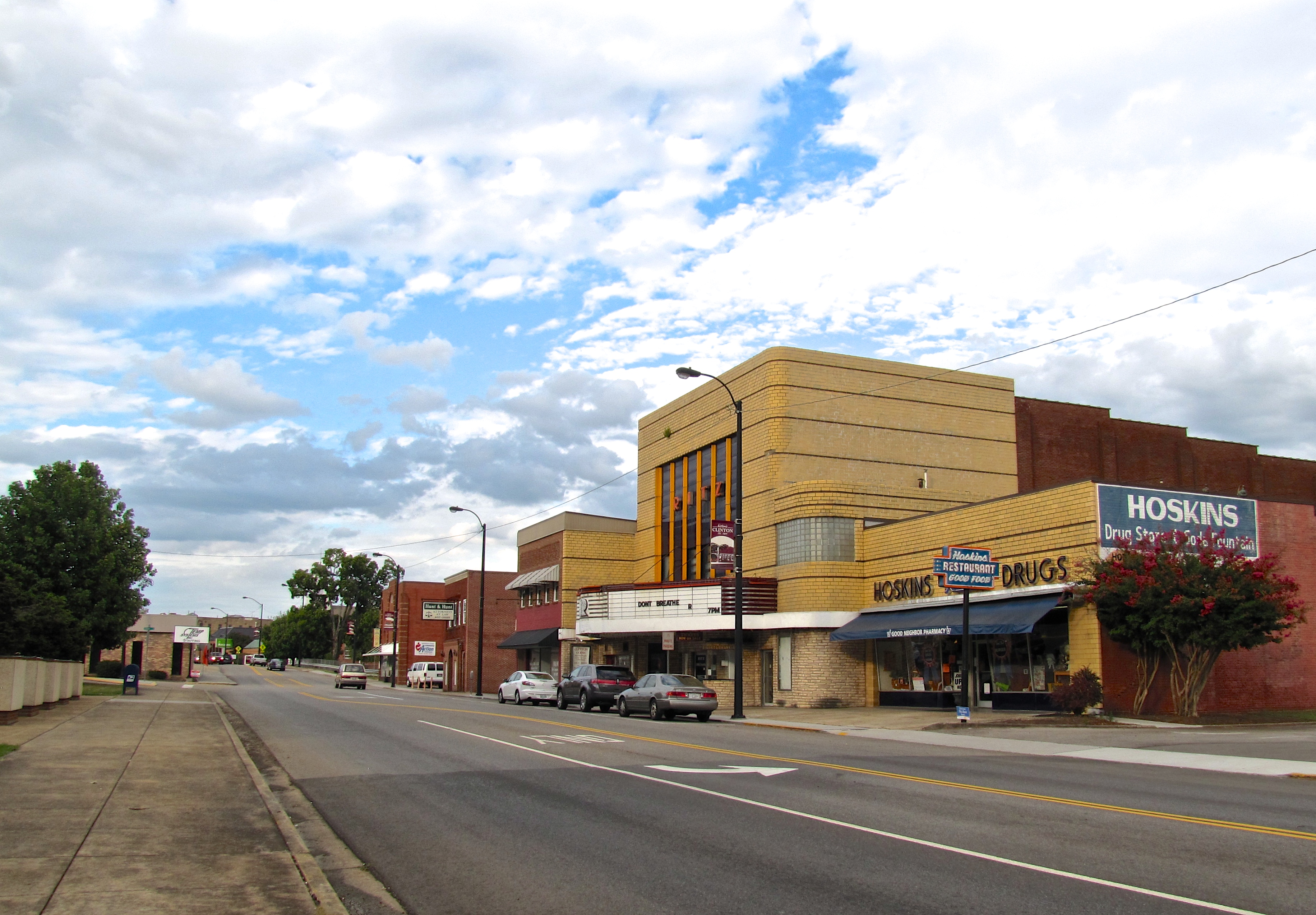

Overview of Clinton
Clinton sits in Anderson County in the rolling foothills of eastern Tennessee, with a population of roughly 10,000 residents. The small city blends a quiet, traditional Southern small-town feel with a growing reputation as a launching point for outdoor adventure on nearby Norris Lake. Long known locally for its place in Civil Rights history, Clinton also serves as a convenient stop between Knoxville — roughly 20 miles to the southeast — and the natural attractions of the Cumberland Mountains and the wider Appalachian region.
About five miles north of downtown Clinton, the Museum of Appalachia offers visitors a sprawling open-air experience that recreates pioneer and early Appalachian life through relocated log cabins, barns, churches, and farm buildings, along with extensive collections of folk artifacts and regional memorabilia. Founded by historian John Rice Irwin, the museum draws visitors interested in the cultural heritage of the southern mountains and hosts seasonal events that bring regional crowds to the area.
Northwest of the city, roughly a 20- to 25-minute drive, Norris Dam State Park wraps around the upper reaches of Norris Lake, a roughly 34,000-acre reservoir built by the Tennessee Valley Authority in the 1930s. The park offers hiking, swimming, picnic areas, and historic CCC-era stone structures, while the lake itself is a major draw for boating, fishing, and waterfront recreation throughout the surrounding Anderson and Campbell county shoreline.
Within Clinton itself, the Green McAdoo Cultural Center occupies the restored site of the former Green McAdoo School, where in 1956 twelve Black students — the Clinton Twelve — became the first to desegregate a state-supported Southern high school. The center, which is on the National Register of Historic Places, preserves the building and exhibits photographs and oral histories, serving as a recognized stop on Tennessee's African American heritage trail.
About 30 miles to the west, Frozen Head State Park adds another layer of outdoor appeal with more than 50 miles of trails, including a section of the Cumberland Trail, plus backcountry camping, waterfalls, and a designated Dark Sky viewing area. The park's varied terrain — from creekside walks to climbs up the park's namesake frozen-looking mountain — gives visitors a more rugged alternative to the lake-based recreation closer to Clinton.
Clinton's blend of small-town charm, deep regional history, and immediate access to some of east Tennessee's most appealing outdoor destinations makes it a natural fit for short-term rentals. Guests can base themselves in a quiet, walkable downtown while remaining within easy reach of museum visits, lake recreation, Civil Rights history, and mountain hiking, all without the crowds and pricing pressure of the larger gateway cities nearby.
Want to know if a property in Clinton is a good investment?
Enter an address to get instant revenue potential and comps.