
Brentwood, Tennessee
Want to see how Brentwood compares to other top cities in Tennessee? Explore all city regulations in Tennessee. →
Brentwood, TN
Unfriendly To Investors

STR Regulations for Brentwood, Tennessee
Executive Overview
Short-term rentals (defined under Tennessee law as a rental period of fewer than 30 continuous days) are not allowed in single-family residential districts within the City of Brentwood. Brentwood’s municipal code prohibits renting single-family homes for less than three months, and the City actively enforces this rule with citations. See Municipal Code Section 78-19(e). In Brentwood, no new permits or licenses are issued to authorize nightly or weekly rentals. Because the City’s restriction predates January 1, 2014, the state’s “legacy” protections for pre-existing short-term rental operations do not apply within Brentwood.
What this means for investors: If you intend to operate a short-stay product (under 30 days), Brentwood is not a viable market. Focus instead on compliant models: traditional long-term single-family rentals and 30–90+ day furnished or corporate leases. County-level short-term rental regulations do not appear in the provided sources. Tennessee state law includes a Short-Term Rental Unit Act with legacy protections and HOA powers; however, Brentwood’s pre-2014 ordinance carves out a local exception that limits those protections within City limits.
Top takeaways:
- Single-family zoning: Minimum lease term is 90+ days; STRs (under 30 days) are prohibited.
- No new STR permits or city licenses exist for short stays in single-family areas.
- Brentwood Exception: Pre-2014 city rules survive Tennessee’s STR Act; legacy protections generally do not apply.
- County-level STR rules: Not identified in the provided sources.
- Path forward: Long-term rentals or 30–90+ day furnished leases (with city/HOA confirmation).
Source anchors: Brentwood STR page, municipal code pointer; MTAS summary of the Tennessee Short-Term Rental Unit Act (including Brentwood Exception).
What do Airbnb hosts actually earn in Brentwood?
Brentwood hosts earn a median $70,743/year with $291 ADR and 75% occupancy.
Top performers pull in $89,563+ per year.
See the full Brentwood market breakdownMarket Entry: How to Launch a Compliant Rental Business in Brentwood
Short-term rentals (under 30 days) are off the table in single-family zones. To operate legally, your strategy must align with Brentwood’s 90-day minimum in single-family districts. Two compliant pathways are commonly used by investors:
- Traditional long-term single-family rentals (6–12 months or longer)
- Target audience: Families, relocation tenants, executives.
- Operating cadence: Standard leasing, property management, lower turnover than short-stay operations.
- Underwriting: Focus on rent comps, vacancy rates, maintenance costs, and lender/investor loan treatment for long-term leases.
- Furnished medium-term rentals (30–90+ days)
- Target audience: Relocating professionals, corporate assignments, medical staff, project teams.
- Operating cadence: Furnished units, month-to-month or multi-month leases, higher rent than unfurnished but lower than nightly STRs.
- Compliance steps: Confirm Brentwood’s 90-day minimum remains acceptable for your unit type and tenancy model; verify HOA restrictions and insurance requirements; ensure lease language avoids transient characteristics.
Step-by-step compliance checklist
- Verify zoning and restrictions
- Review the property’s zoning classification. In single-family residential districts, rentals shorter than 90 days are prohibited. Request parcel-specific confirmation from Planning & Codes prior to listing or purchase.
- HOA governance
- Obtain CC&Rs, bylaws, and any rental amendments. Many HOAs impose minimum lease terms or outright prohibit short rentals; enforceability hinges on documented rules and amendments.
- Insurance and safety
- For long-term leases, standard landlord policies generally suffice. For furnished medium-term leases, confirm coverage needs; Tennessee requires specific safety devices for short-term rental units (see Compliance section), but if you are not operating under 30 days, those STR-specific requirements do not apply. General smoke/CO and building safety always apply.
- Taxes and registration
- If you operate a bona fide long-term lease (≥90 days in single-family zones), Tennessee hotel occupancy tax rules for “transient” stays do not apply. For any scenario that could be construed as transient lodging (even in non-single-family contexts), consult a tax professional and confirm whether a Hotel Occupancy Tax registration with the state is required.
- Operations
- If pursuing medium-term furnished rentals, use lease language that clearly establishes tenancy (not transient occupancy), specify utilities and furnishings, and institute robust screening and maintenance routines.
Sources: Brentwood STR page; MTAS summary (Tennessee Short-Term Rental Unit Act); Cedar overview (Tennessee STR law context).
Required Documents, Permits, Licenses, and Guidelines
City (Brentwood)
- Permits/licenses: No city permits or licenses are issued for single-family short-term rentals. Brentwood enforces a strict 90-day minimum in single-family residential districts.
- Zoning confirmation: Contact Planning & Codes to confirm zoning, permitted uses, and any parcel-specific constraints prior to acquisition or listing.
- Enforceability: City issues citations for violations and vigorously enforces the code.
State (Tennessee) – STR context
- Tennessee Short-Term Rental Unit Act (Public Chapter 972, 2018)
- Legacy protections: A property “being used as a short-term rental unit” before a new local rule may continue operating under the prior rules until sale/transfer, 30 months of continuous non-use, or three violations of generally applicable local laws. However, Brentwood’s pre-2014 ordinance triggers the “Brentwood Exception,” limiting legacy protections locally.
- Permitting: Municipalities may require reasonable permitting for STRs; nothing extinguishes legacy rights except triggers noted above.
- Insurance and safety: Providers must maintain at least $500,000 liability insurance and comply with Tennessee smoke alarm, fire sprinkler, and carbon monoxide alarm requirements. These safety requirements are tied to short-term rental operation.
- HOAs: Condominiums, co-ops, HOAs, lessors, and property owners may prohibit or restrict STR use through governing documents, leases, or covenants.
- Preemption: The Act supersedes conflicting local ordinances.
- Note: Because Brentwood’s rule predates January 1, 2014, the Brentwood Exception in T.C.A. § 13-7-603(b) allows its pre-2014 restriction to apply regardless of current use. This sharply limits new or legacy STR operations in single-family districts.
County (Williamson County)
- No county-specific STR regulations were identified in the provided sources. Investors should verify with county planning/zoning for any unincorporated area rules.
HOA/COA
- Governing documents may impose minimum lease terms, rental caps, or prohibit short rentals altogether. Recent Tennessee cases confirm that explicit minimum-term amendments will be enforced; broad “residential use” clauses are interpreted more narrowly. Always obtain and review HOA records and amendments before purchasing.
Source anchors: Brentwood STR page (enforcement); MTAS summary (statutory structure, Brentwood Exception, safety/insurance); Cedar overview (insurance and safety requirements, HOA powers).
Brentwood exception explained
- T.C.A. § 13-7-603(b) allows Brentwood’s pre-2014 rule limiting rental periods and effectively prohibiting STR use to apply to all properties in the municipality, even those previously operated as STRs. In practice, this means the statewide legacy protections that protect pre-existing STRs often do not shield Brentwood properties from the City’s 90-day minimum rule in single-family zoning.
Specific Regulations: City, County, and State
City of Brentwood (single-family residential districts)
- Prohibited activity: Renting a single-family dwelling for less than 90 days is prohibited; nightly and weekly STRs are not allowed.
- Enforcement: The City actively issues citations to homeowners who continue to rent short-term after notice.
- Code citation: Municipal Code Section 78-19(e) governs occupancy limitations in single-family zoning.
Williamson County
- No county-specific STR regulations were found in the provided materials. Confirm with county authorities if the subject property is outside City limits.
State of Tennessee
- Short-Term Rental Unit Act (T.C.A. §§ 13-7-602 through 13-7-606)
- Definitions include “short-term rental unit” as a residential dwelling rented for fewer than 30 continuous days.
- Legacy protections allow continued operation if the property was “being used as a short-term rental unit” prior to a new local rule, subject to termination triggers.
- Brentwood Exception: The Act explicitly allows Brentwood’s pre-2014 ordinance limiting rental periods and prohibiting STR use to apply City-wide.
- Permitting: Municipalities may adopt reasonable STR permitting; nothing extinguishes legacy rights unless triggers occur.
- Prohibitions for violations: A municipality may prohibit a unit after three or more violations of generally applicable local laws (after appeals are exhausted).
- HOAs: May prohibit or restrict STR use via governing documents; lessors and property owners may impose restrictions via leases or covenants.
- Insurance and safety: At least $500,000 liability insurance and compliance with smoke alarms, sprinklers, and CO alarms under Title 68, Chapter 120.
- Preemption: The Act supersedes conflicting local requirements.
Source anchors: Brentwood STR page; MTAS summary (including Brentwood Exception and safety requirements).
Contact Information (Local Authority in Charge of STRs)
City of Brentwood – Planning & Codes (Short-Term Rentals)
- Acting Interim Director: Todd Petrowski
- Phone: 615-371-2204
- General City Phone: (615) 371-0060
- Address: 5211 Maryland Way, Brentwood, TN 37027
- City STR Page: Planning and Codes > Planning Section > Short-Term Rentals
State resources
- Municipal Technical Advisory Service (MTAS)
- Reference summary: Summary of the Short-Term Rental Unit Act
- Phone: (865) 974-0411
- Email: mtas@tennessee.edu
Source anchors: Brentwood STR page (contact details); MTAS summary (state resource).
Links to Source Pages (for verification)
- City of Brentwood – Short-Term Rentals page: www.brentwoodtn.gov/Departments/Planning-and-Codes/Planning-Section/Short-Term-Rentals
- Brentwood Municipal Code (occupancy in single-family zoning, Section 78-19(e)): tinyurl.com/pu27x2n
- MTAS – Summary of the Short-Term Rental Unit Act: www.mtas.tennessee.edu/reference/summary-short-term-rental-unit-act
- Tennessee Code Annotated (Short-Term Rental Unit Act, T.C.A. §§ 13-7-602 to 13-7-606): unicourt.github.io/cic-code-tn/transforms/tn/octn/r76/gov.tn.tca.title.13.html
- Tennessee Short-Term Rental Unit Act – overview and compliance (Cedar Management Group): www.cedarmanagementgroup.com/tennessee-short-term-rental-unit-act/
- American Bar Association – Recent Tennessee HOA rental restriction cases (context): www.americanbar.org/groups/real_property_trust_estate/resources/probate-property/2024-march-april/keeping-currentproperty/
Investor Notes and Practical Implications
- Strategic focus: Brentwood is not a viable market for nightly or weekly STRs in single-family areas. Pivot to long-term rentals or 30–90+ day furnished/corporate tenancies.
- Due diligence: Confirm zoning and any HOA restrictions before listing. Seek written confirmation from Planning & Codes when needed.
- Legacy status claims: If a seller claims “grandfathered” STR rights, verify with documentation and legal counsel; Brentwood’s Exception often limits such protections.
- Insurance and taxes: If you remain within 90+ day leases for single-family properties, Tennessee’s STR insurance and safety rules do not apply. For any scenario that could be deemed transient lodging, consult insurance and tax advisors about Hotel Occupancy Tax obligations.
This guide reflects only the provided sources. Where county rules are not identified, investors should confirm requirements directly with county authorities.
Next step
Found a property in Brentwood?
Paste any address and get estimated revenue, cash-on-cash return, and comparable STR performance in under 5 minutes. 3 free analyses per day.
Free brief
Get the free Brentwood STR Investment Brief
Revenue data, top neighborhoods, seasonal trends, and the key regulations for Brentwood, Tennessee in one email.
Brentwood
Market Saturation Score
Photos of Brentwood
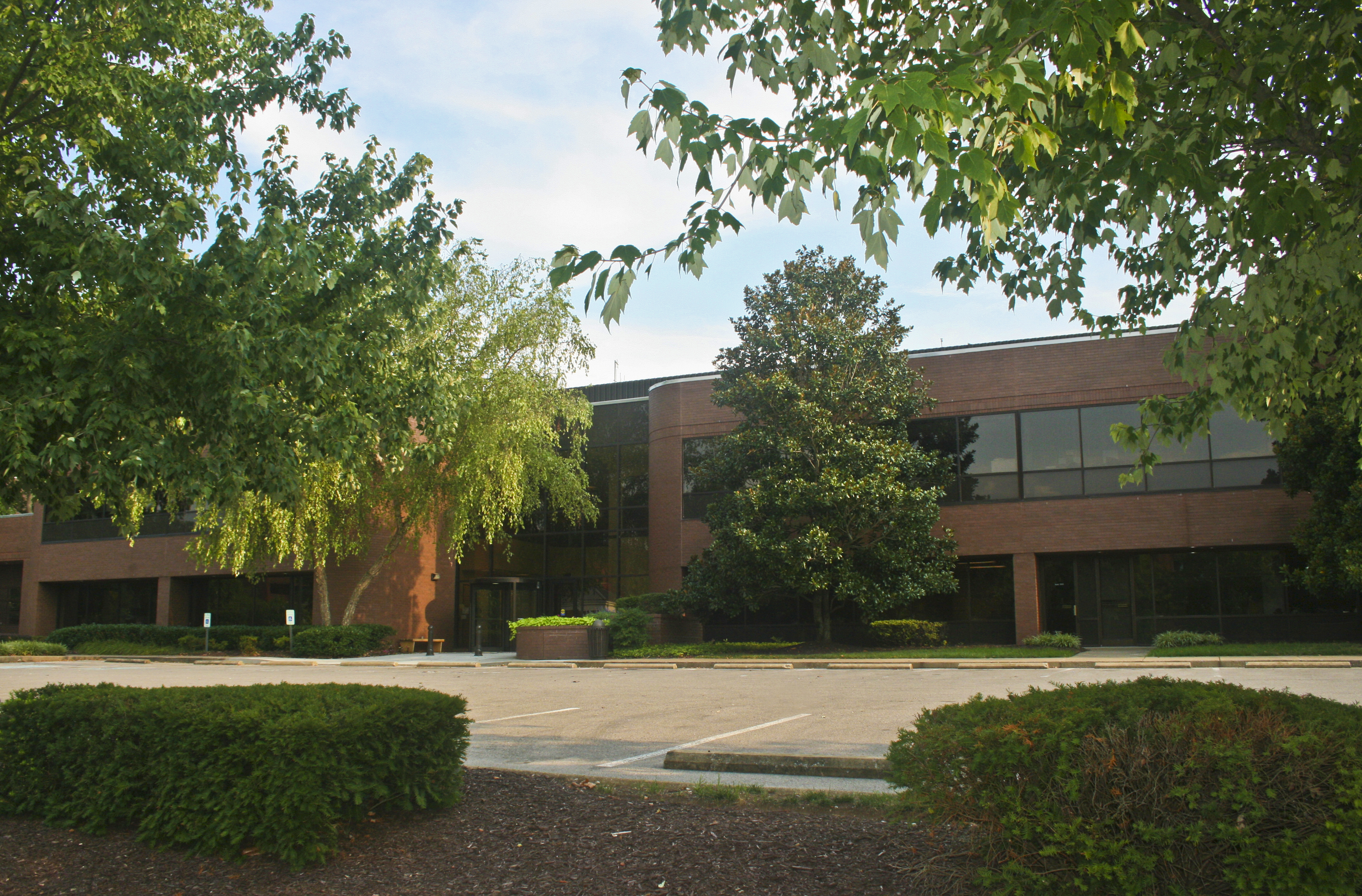
Overview of Brentwood
Brentwood is a city in Williamson County, Tennessee, situated in the southeastern suburbs of the Nashville metropolitan area. With a population of approximately 45,000, it has earned a reputation as one of the most affluent and family-oriented communities in Middle Tennessee, characterized by tree-lined residential streets, well-regarded public schools, and a quiet, polished suburban atmosphere. The city is best known for serving as a refined residential counterpoint to the bustle of Nashville, while also acting as a convenient base for visitors exploring the broader region, including the historic town of Franklin and the rolling countryside of Williamson County. Brentwood lies roughly 10 to 12 miles south of downtown Nashville, with the heart of the city just a short drive down Interstate 65.
One of the most celebrated natural escapes in the area is Radnor Lake State Park, a 1,368-acre protected area located just minutes from the center of Brentwood. The park features a serene lake surrounded by old-growth forest and roughly six miles of hiking trails, making it a favorite destination for birdwatchers, joggers, and visitors hoping to spot deer, otters, and the occasional barred owl. Its proximity to the city makes it an easy morning or afternoon outing for short-term rental guests.
Just a few miles southwest of Brentwood lies the historic town of Franklin, the seat of Williamson County, whose preserved Main Street is lined with Civil War-era buildings, locally owned boutiques, and acclaimed restaurants. Roughly a 10- to 15-minute drive from Brentwood, downtown Franklin offers a charming blend of small-town character and cultural depth, including sites associated with the Battle of Franklin from 1864. Visitors can stroll the brick sidewalks, browse antique shops, and dine in restored 19th-century structures that have become some of the most photographed storefronts in the state.
For those willing to venture a bit farther, downtown Nashville and its full roster of country music landmarks, honky-tonks, and the Ryman Auditorium are easily reached within about 20 to 30 minutes by car, depending on traffic. Travelers can also explore the Natchez Trace Parkway, a scenic byway that traces ancient travel routes through Tennessee and passes near the western edge of the Brentwood area, offering opportunities for cycling, hiking, and roadside pull-offs amid quiet woodlands.
Brentwood itself is largely a residential community without a dense entertainment core, but its appeal as a short-term rental base lies precisely in that calm, polished setting paired with quick access to some of Tennessee's most popular destinations. Guests can spend their mornings on the trails of Radnor Lake, their afternoons browsing Franklin's historic square, and their evenings catching live music in Nashville, all while returning each night to a peaceful, well-kept suburban neighborhood that feels a world away from the city's pace.
Want to know if a property in Brentwood is a good investment?
Enter an address to get instant revenue potential and comps.