
Orangeburg, South Carolina
Want to see how Orangeburg compares to other top cities in South Carolina? Explore all city regulations in South Carolina. →
Orangeburg, SC
Generally Investor Friendly
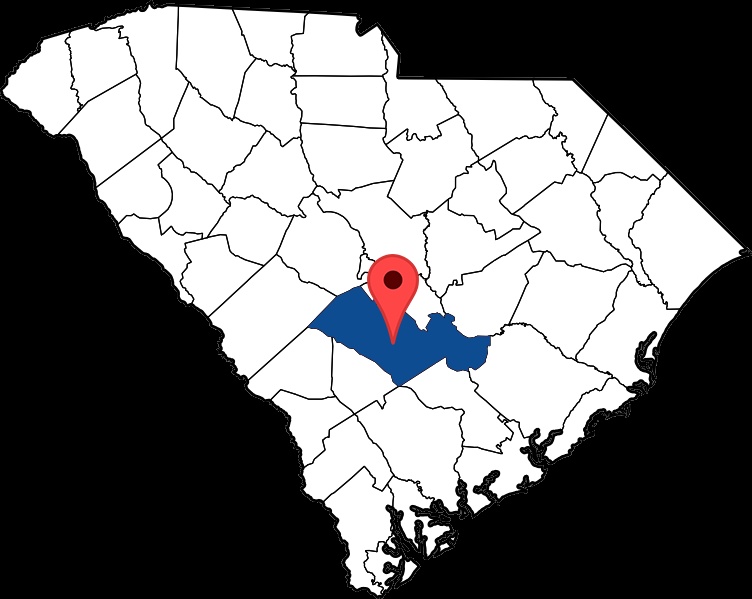
STR Regulations for Orangeburg, South Carolina
Executive Summary: STR Allowability in Orangeburg, SC
Yes, short-term rentals are explicitly allowed in Orangeburg, South Carolina. The market is performing well with an average daily rate of $143, 37% occupancy rate, and monthly revenue of $8,741, indicating a viable and profitable STR market. However, operation requires full compliance with city registration, licensing, zoning, safety, tax, and operational regulations.
What do Airbnb hosts actually earn in Orangeburg?
Orangeburg hosts earn a median $22,601/year with $171 ADR and 47% occupancy.
Top performers pull in $28,991+ per year.
See the full Orangeburg market breakdownHow to Start a Short-Term Rental Business in Orangeburg, SC
Step 1: Pre-Operation Preparation
- Zoning Verification: Confirm your property is zoned for short-term rental operations
- Property Assessment: Ensure the property meets safety, health, and sanitation standards
- Insurance Review: Secure appropriate liability coverage for STR operations
Step 2: Legal Compliance Process
- City Registration: Register all STR properties with the city
- Business License: Obtain a business license from local authorities
- Tax Registration: Set up systems for accommodation tax collection and remittance
Step 3: Operational Setup
- Safety Compliance: Install required safety equipment and ensure regular inspections
- Guest Communication Systems: Establish protocols for guest information and emergency contacts
- Record Keeping: Implement systems for compliance documentation and guest records
Step 4: Marketing and Operations
- Listing Creation: Develop professional listings on major platforms
- House Manual: Create comprehensive guest guides with local information and house rules
- Seasonal Optimization: Prepare for peak periods like Festival of Roses and university events
Required Documents, Permits, Licenses, and Guidelines
Mandatory Documents
- Property Registration Certificate: City-issued registration for each STR property
- Business License: Valid business license from local authorities
- Tax Registration: Accommodation tax collection authorization
- Insurance Documentation: Liability insurance proof meeting local requirements
Safety and Compliance Documentation
- Fire Safety Equipment: Fire extinguisher and smoke detector certifications
- Safety Inspection Reports: Regular inspection documentation
- Emergency Contact Lists: 24/7 contact information for property managers
- House Rules Documentation: Posted and distributed guest regulations
Operational Guidelines
- Guest Registry: Records of all guests, vehicle information, and stay details
- Financial Records: Tax collection and remittance documentation
- Property Maintenance Records: Evidence of regular upkeep and safety compliance
Specific Regulations for Short-Term Rentals
City-Level Regulations (Orangeburg)
Registration and Licensing Requirements
- Mandatory Registration: All STR properties must be registered with the city
- Business License Required: Hosts must obtain and maintain a current business license
- Permit Display: Permits and licenses must be displayed on all booking platforms
Taxation Requirements
- Local Accommodation Tax: 7% of rental fee must be collected and remitted
- State Tax Compliance: All state tax obligations must be fulfilled
- Regular Reporting: Monthly or quarterly tax remittance as required
Zoning and Location Compliance
- Zoning Verification: Properties must be located in zones designated for STR operations
- Neighborhood Compatibility: Operations must maintain residential character
- Use Restrictions: STR activities must comply with local land use regulations
Safety and Health Standards
- Building Code Compliance: Properties must meet all applicable building codes
- Safety Equipment: Required fire safety equipment must be installed and maintained
- Regular Inspections: Properties subject to periodic safety and health inspections
- Climate Considerations: Special attention to humidity-related maintenance requirements
Noise and Parking Regulations
- Quiet Hours: Compliance with established quiet hour restrictions
- Parking Requirements: Off-street parking must accommodate guests
- Neighbor Relations: Operations must not create nuisances for surrounding properties
Operational Limitations
- Event Restrictions: Prohibitions on weddings, parties, or commercial events
- Occupancy Limits: Maximum occupancy based on safety and zoning requirements
- Duration Limits: Minimum stay requirements may apply
County-Level Regulations (Orangeburg County)
[Note: Specific county-level STR regulations were not detailed in the provided sources. County regulations may apply to properties outside city limits.]
State-Level Regulations (South Carolina)
South Carolina Vacation Rental Act
- Definition: Vacation rentals are defined as stays of less than 90 days
- Property Transfer Regulations: When properties sell, buyers must honor existing rental agreements for 90 days from deed recording
- Disclosure Requirements: Sellers must disclose all existing management agreements and reservations to buyers
State Tax Obligations
- State Accommodation Tax: 7% state accommodations tax applies to STR operations
- Local Tax Compliance: Additional local accommodation taxes may apply
- Income Tax Reporting: STR income must be reported on state and federal tax returns
Business License Requirements
- State Business Registration: Operating an STR constitutes a business requiring appropriate registration
- Local Business Licenses: Additional local business license requirements may apply
Contact Information for Local Authority
Primary Contacts
- City of Orangeburg: Primary licensing and registration authority
- Orangeburg County: County-level regulatory oversight (if applicable)
- South Carolina Department of Revenue: State tax compliance and reporting
Recommended Contact Approach
- Direct City Contact: Call Orangeburg City Hall for licensing and registration information
- Business License Office: Contact local business licensing department for permit requirements
- Planning/Zoning Department: Verify property zoning compliance for STR operations
[Note: Specific phone numbers, emails, and websites were not provided in the source materials.]
Important Considerations for STR Investors
Market Performance Context
- Strong Performance: Current market shows healthy occupancy (37%) and revenue ($8,741/month)
- Seasonal Variations: Demand fluctuates with local events and university calendars
- Competition Analysis: Multiple neighborhoods show viable performance for STR operations
Investment Risk Factors
- Regulatory Changes: Municipal STR regulations are evolving and may become more restrictive
- Compliance Costs: Ongoing expenses for licensing, taxes, insurance, and maintenance
- Neighborhood Relations: Success depends on maintaining positive community relationships
Best Practices for Success
- Professional Management: Consider professional management for optimal performance and compliance
- Quality Standards: Maintain high cleanliness and safety standards for positive reviews
- Local Integration: Develop relationships with local vendors and service providers
Source Links and References
- RedAwning - Orangeburg Market Overview - Primary source for Orangeburg-specific regulations and market data
- Proper Insurance - South Carolina Airbnb Laws - State-level regulatory context and comparison with other SC cities
- Dieter Company - South Carolina Vacation Rental Act - State legislation governing vacation rental property transfers
Disclaimer: This guide is based solely on the provided source materials. STR regulations can change frequently, and investors should verify current requirements with local authorities before making investment decisions. The information provided may not be comprehensive or current, and consultation with local authorities or legal professionals is recommended for complete regulatory compliance.
Next step
Found a property in Orangeburg?
Paste any address and get estimated revenue, cash-on-cash return, and comparable STR performance in under 5 minutes. 3 free analyses per day.
Free brief
Get the free Orangeburg STR Investment Brief
Revenue data, top neighborhoods, seasonal trends, and the key regulations for Orangeburg, South Carolina in one email.
Orangeburg
Market Saturation Score
Photos of Orangeburg


Overview of Orangeburg
Orangeburg, South Carolina, is a small city of roughly 12,000 residents that serves as the seat of Orangeburg County in the central part of the state. Long known as "The Garden City" for its springtime azalea displays, it carries a quiet, rooted character shaped by its two historically Black universities, Claflin University and South Carolina State University, and by its role as a regional hub for the surrounding agricultural communities. Sitting along Interstate 26, Orangeburg lies about 40 miles southeast of Columbia, the state capital and nearest major city, putting it within an easy drive of both the Midlands and the Lowcountry.
The crown jewel of Orangeburg's green spaces is Edisto Memorial Gardens, a roughly 90-acre park that runs alongside the Edisto River and is famous for its spring azalea blooms. The gardens also feature a rose garden, a sensory garden, and shaded walking paths, and they sit just minutes from the city center, making them a natural anchor for any visit during peak bloom season.
About 30 to 40 minutes south of Orangeburg, Lake Marion — the largest lake in South Carolina — and its companion, Lake Moultrie, form a vast freshwater complex popular with anglers and boaters. The surrounding state parks and wildlife management lands offer camping, birding, and access to cypress-lined backwaters, while the lakes themselves are renowned for trophy catfish, striped bass, and crappie.
A longer day trip, roughly an hour northwest of Orangeburg, brings visitors to Congaree National Park, a protected old-growth bottomland hardwood forest that feels a world away from the surrounding countryside. Boardwalk loops and canoe trails wind beneath some of the tallest hardwood trees in the eastern United States, and the park's seasonal flood cycles make it a destination for hikers, paddlers, and birders year-round.
Orangeburg's appeal for short-term-rental owners rests on the mix it offers: a walkable small-city core, two university campuses that drive periodic visitation, and a position within easy striking distance of three very different outdoor experiences — river gardens, big-water fishing, and a national park. Travelers who want Lowcountry access without Charleston prices, or anglers and naturalists looking for a quieter base, will find the city a practical and affordable jumping-off point for the region.
Want to know if a property in Orangeburg is a good investment?
Enter an address to get instant revenue potential and comps.