
Windber, Pennsylvania
Want to see how Windber compares to other top cities in Pennsylvania? Explore all city regulations in Pennsylvania. →
Windber, PA
Challenging To Investors
STR Regulations for Windber, Pennsylvania
Executive Summary: Are Short-Term Rentals Allowed?
Short-term rentals appear to be in a legal gray area in Windber, PA. While the borough's zoning ordinance (January 2009) does not explicitly address modern short-term rental platforms like Airbnb or Vrbo, it does recognize several lodging-related uses that could potentially encompass STR activities:
- Bed and Breakfast establishments (explicitly defined as residential establishments renting rooms to transient guests)
- Rooming House/Boarding House (providing lodging for compensation to 3+ unrelated persons)
- Hotel/Motel (providing lodging to the public for compensation)
The ordinance requires zoning permits and certificates of occupancy for most lodging uses, suggesting that formal approval processes exist. However, the 2009 ordinance predates the modern STR boom and may not have specific provisions for contemporary rental platforms.
Important Caveat: This analysis is based on a 2009 zoning ordinance. Municipal regulations often change, and Windber may have adopted specific STR regulations or updated ordinances since this document. Investors must verify current regulations with municipal authorities before proceeding.
What do Airbnb hosts actually earn in Windber?
Windber hosts earn a median $24,709/year with $164 ADR and 56% occupancy.
Top performers pull in $35,576+ per year.
See the full Windber market breakdownStarting a Short-Term Rental Business in Windber
Step 1: Determine Your STR Classification
Based on the 2009 zoning ordinance, your STR could potentially fall under one of these classifications:
- Bed and Breakfast (most likely for small-scale STRs)
- Rooming House/Boarding House
- Hotel/Motel (for larger operations)
Recommendation: Contact the Zoning Officer to determine the appropriate classification for your intended operation.
Step 2: Verify Zoning Compliance
Review the permitted uses in your property's zoning district:
- Single Family Residential District (§802)
- General Residential District (§803)
- High Density Residential District (§804)
- Central Business District (§805)
- General Commercial District (§806)
Each district has different permitted uses, and lodging facilities may be principal uses, conditional uses, or prohibited in certain districts.
Step 3: Obtain Required Permits
The borough requires several permits for lodging operations:
- Zoning Permit (mandatory for all STRs)
- Certificate of Occupancy (required before operation)
Required Documents, Permits, Licenses, and Guidelines
Zoning Permit Application Requirements (§302)
Your application must include:
Basic Information:
- Name, address, and phone number of applicant
- Legal description and owner of the property
- Existing use of the property
- Proposed use (STR classification)
- Zoning district designation
Technical Documentation:
- Plans in triplicate drawn to scale showing:
- Actual dimensions and shape of the lot
- Exact size and location of existing buildings
- Location and dimensions of proposed building(s) or alterations
- Building heights
- Number of off-street parking spaces or loading berths
- Number of dwelling units
Additional Requirements:
- Any other information necessary to determine compliance with zoning requirements
Certificate of Occupancy (§305)
Mandatory Requirement: No building or premises can be used or occupied for STR purposes until a Certificate of Occupancy is issued, confirming the proposed use conforms to zoning requirements.
Supporting Documentation
Nonconforming Use Considerations (Part 4):
- If property has existing nonconforming lodging use, certain provisions apply
- Conversion between nonconforming uses may require special exception approval
Special Exception Requirements (§605):
- If STR use requires special exception, the Zoning Hearing Board must approve
- Board considers siting, orientation, and landscaping for harmonious relationship with adjacent properties
Specific Regulations for Short-Term Rentals
Zoning District Requirements
Note: The provided document contains only the structure headers for district requirements (Part 9). Specific permitted uses, dimensional requirements, and STR-specific regulations would be found in the detailed sections of each district. Investors must consult the complete zoning ordinance for specific requirements.
Parking Requirements
Off-Street Parking (§1117): STR operations must provide required parking spaces as specified in the ordinance. Based on definitions, this likely includes:
- Parking for each rental unit
- Compliance with parking space dimensions (§1102)
- Proper location and access requirements (§1114-1116)
Nuisance Abatement Standards (§1002)
STR operations must comply with general nuisance standards to prevent:
- Excessive noise
- Traffic congestion
- Other objectionable influences to surrounding properties
Enforcement and Penalties (§311-313)
Violations Include:
- Failure to obtain required permits
- Operating without Certificate of Occupancy
- Non-compliance with approved plans
- Nuisance violations
Penalties:
- Civil enforcement with judgment up to $500 plus court costs and attorney fees
- Each day of violation constitutes separate violation
- Borough can seek court orders to abate violations
County and State-Level Regulations
Somerset County Regulations
The provided ordinance does not include Somerset County-specific STR regulations. Contact Somerset County government for:
- County-level permits or licenses
- Health department requirements
- Tax collection requirements
- Building code compliance
Pennsylvania State Regulations
State-Level Considerations:
- Pennsylvania Clean and Safe Properties Act (affects rental properties)
- State tax requirements (PTC/PIT for STR income)
- Building codes and safety requirements
- Americans with Disabilities Act compliance for lodging facilities
Recommended Action: Consult with Pennsylvania Department of Community and Economic Development for current state-level STR regulations.
Contact Information for Local Authority
Windber Borough Government
Primary Contacts:
Zoning Officer:
- Responsible for permit issuance and initial zoning compliance
- Processes zoning permit applications
- Enforces zoning violations
Borough Council:
- Final authority on conditional use permits
- Can amend zoning ordinances
- Establishes fee schedules
Borough Manager:
- Administrative oversight of borough operations
- Contact point for general municipal inquiries
Zoning Hearing Board:
- Hears variance requests
- Processes special exceptions
- Appeals from Zoning Officer decisions
Planning Commission:
- Reviews conditional use applications
- Provides recommendations to Council
- Oversees comprehensive planning
Contact Process
For Zoning Permits:
- Submit application to Zoning Officer
- Officer reviews and forwards to Planning Commission (for conditional uses)
- Planning Commission provides recommendations
- Council takes final action (for conditional uses)
- Certificate of Occupancy issued upon compliance
For Questions:
- Contact Zoning Officer first for classification and permitting questions
- Borough Council contact for policy or ordinance interpretation questions
- Zoning Hearing Board for variance or special exception inquiries
Source Documents
Primary Source:
Critical Next Steps for Investors
- Verify Current Regulations: Contact Windber Borough to confirm if STR-specific ordinances have been adopted since 2009
- Zoning Classification: Speak with the Zoning Officer to determine appropriate classification for your intended STR
- Due Diligence: Conduct property survey and title search to verify zoning compliance
- Professional Consultation: Engage local attorney familiar with Pennsylvania municipal law
- Financial Analysis: Factor permit fees, legal costs, and potential conversion expenses into investment analysis
- Exit Strategy: Consider long-term rental alternative if STR operations prove unviable due to regulatory constraints
Disclaimer: This analysis is based solely on the 2009 zoning ordinance provided. Municipal regulations frequently change, and this document may not reflect current requirements. Professional legal and regulatory consultation is essential before making investment decisions.
Next step
Found a property in Windber?
Paste any address and get estimated revenue, cash-on-cash return, and comparable STR performance in under 5 minutes. 3 free analyses per day.
Free brief
Get the free Windber STR Investment Brief
Revenue data, top neighborhoods, seasonal trends, and the key regulations for Windber, Pennsylvania in one email.
Windber
Market Saturation Score
Photos of Windber


Overview of Windber
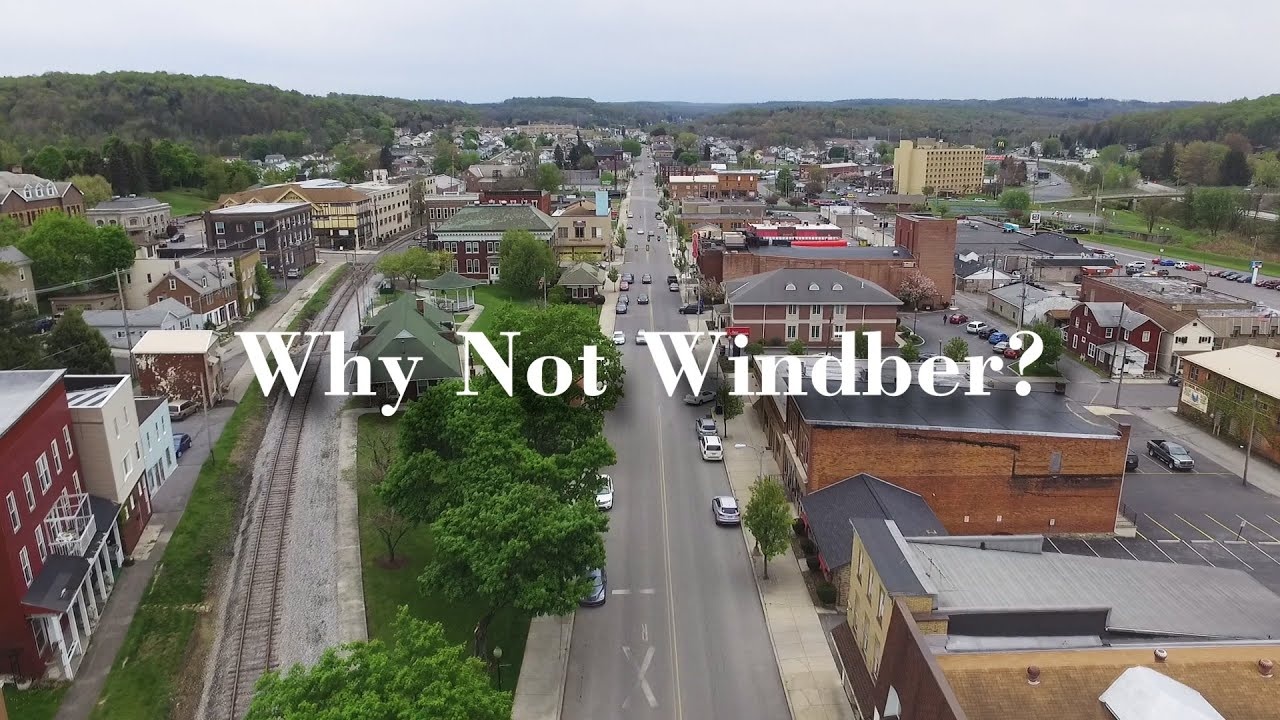
Windber is a small borough nestled in the Allegheny Mountains of Somerset County, Pennsylvania, with a population of approximately 4,000. Founded as a coal mining town by the Berwind-White Coal Mining Company in the late nineteenth century, it carries a strong industrial-heritage character, with brick storefronts and a quiet, walkable core that reflects its historic roots. Windber sits within the broader Laurel Highlands tourism region and functions as a low-key gateway to the surrounding mountains, state parks, and historical sites. The nearest sizable city is Johnstown, roughly ten miles to the north, while Pittsburgh lies about seventy miles to the northwest.
Just south of Windber in Shanksville, the Flight 93 National Memorial marks the site where United Flight 93 crashed on September 11, 2001. The memorial includes a visitors center, walking paths, and the final resting place of the forty passengers and crew members, and is roughly a twenty-five-minute drive south of the borough. It draws visitors from across the country and provides a meaningful cultural anchor for the area.
To the east, Blue Knob State Park covers more than 5,000 acres of forested mountain terrain and is one of the highest-elevation parks in Pennsylvania. Within about a thirty-minute drive, the park offers hiking, mountain biking, cross-country skiing, and a small ski area, giving Windber visitors a year-round outdoor recreation option.
A short drive north of Windber, the Johnstown Flood National Memorial commemorates the catastrophic 1889 flood that destroyed the city of Johnstown. The memorial's visitor center, walking trails, and remnants of the South Fork Dam provide context for one of the deadliest disasters in American history, and it sits roughly thirty minutes from the borough.
To the southwest, Fallingwater, the iconic Frank Lloyd Wright house cantilevered over a waterfall in Mill Run, lies about an hour and a half's drive from Windber. The surrounding Laurel Highlands and nearby Ohiopyle State Park extend the draw with whitewater rafting, additional hiking, and scenic drives.
Windber's appeal for short-term rental owners lies in its blend of small-town character and access to a remarkable cluster of regional draws. Visitors seeking memorials, architectural landmarks, state-park adventures, and mountain scenery can reach all of them within roughly an hour and a half, making the borough a practical and atmospheric base for exploring southwestern Pennsylvania.
Want to know if a property in Windber is a good investment?
Enter an address to get instant revenue potential and comps.