
New Kensington, Pennsylvania
Want to see how New Kensington compares to other top cities in Pennsylvania? Explore all city regulations in Pennsylvania. →
New Kensington, PA
Challenging To Investors
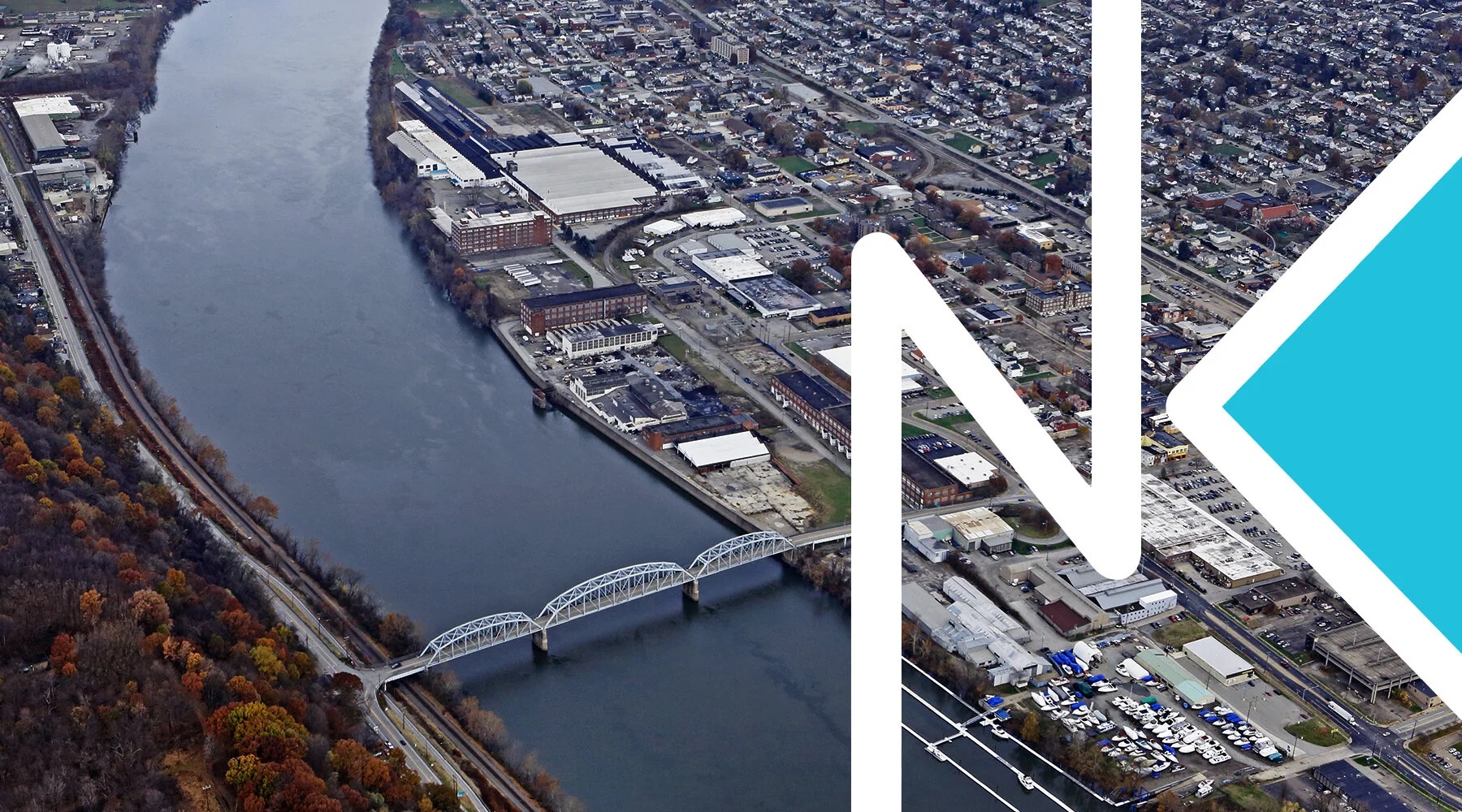
STR Regulations for New Kensington, Pennsylvania
Short-Term Rental Investor’s Guide to New Kensington, Pennsylvania
1) Allowed and Prohibited: Direct Answer
- Are short-term rentals (STRs) allowed in New Kensington, PA?
- Yes, STRs are allowed in Pennsylvania. State law does not prohibit renting private residences for fewer than 30 days. The term “short‑term rental” is defined under state tax law as occupancy for less than 30 days, and such rentals are generally considered transient lodging. However, municipal zoning controls where and how STRs may operate. This guide explains what you can do at the state level and how to ensure local compliance for New Kensington.
Note on local rules
- Based on the available state study, New Kensington (a third-class city) is listed among municipalities without a dedicated STR ordinance in 2024. This means STRs are likely governed by general zoning (e.g., hotel/rooming-house provisions), building and fire codes, and any broader rental-registration rules. You should still verify the current municipal code because ordinances can change.
What do Airbnb hosts actually earn in New Kensington?
New Kensington hosts earn a median $20,232/year with $110 ADR and 50% occupancy.
Top performers pull in $25,310+ per year.
See the full New Kensington market breakdown2) How to Start a Short-Term Rental in New Kensington
Use this step-by-step sequence to set up an STR legally:
- Verify zoning and land-use permissions
- Determine your zoning district and whether short-term lodging uses are permitted (e.g., as a hotel, rooming house, or a special/conditional use) or prohibited.
- In many PA municipalities, short‑term rentals that amount to purely transient commercial lodging are not permitted in residential zones unless explicitly authorized. Confirm New Kensington’s zoning classification for your property and the current status of STRs within it.
- Confirm municipal licensing or registration requirements
- Some PA cities require an annual rental license or registration. New Kensington has not historically mandated a dedicated STR license, but it may require general rental-unit registration and inspections. Contact the city’s code/inspection department to confirm.
- Register for state and local taxes
- Hotel Occupancy Tax (state): 6% is due on all rentals of fewer than 30 days (including via platforms). If you use a booking agent exclusively (e.g., a single platform that collects and remits for you), you generally need not register or collect directly. If you take payments yourself or use multiple agents, you must obtain a Sales, Use, and Hotel Occupancy Tax license from the PA Department of Revenue and collect/remit the tax yourself.
- Hotel Occupancy Tax (local): Westmoreland County is a Fourth‑Class County and levies a 5% county hotel tax under 16 Pa.C.S. § 17507. The total hotel occupancy tax in New Kensington is therefore 11% (6% state + 5% county).
- Registration path: Use the Pennsylvania Department of Revenue’s e-Tides system to register for the Sales, Use, and Hotel Occupancy Tax account if required, then file and remit monthly or quarterly.
- Verify fire, safety, and building compliance
- Short‑term rentals are subject to lodging-establishment provisions (e.g., smoke/CO alarms, posted evacuation plans, safe egress, sanitary standards) as part of the transient lodging code. Confirm any city inspection requirements, occupancy limits, and local nuisance provisions.
- Set up insurance and risk controls
- Maintain premises liability coverage appropriate for commercial lodging. Do not rely solely on platform-provided Host Liability; secure an independent policy or endorsement that covers guest injuries, property damage, and loss of income.
- Income tax compliance
- STR income is taxable as business income under Pennsylvania Personal Income Tax (3.07%). Keep complete records, including gross receipts, platform fees, utilities, maintenance, depreciation, insurance, and marketing expenses.
- File and remit hotel taxes; collect personal income tax
- If not exclusively using a booking agent, collect the 11% combined hotel occupancy tax (state + county) from guests and remit to the Department of Revenue according to filing cadence. Report net STR income on your PA personal income tax return.
3) Required Documents, Permits, Licenses, and Guidelines
At a minimum, investors in New Kensington should have:
- Hotel Occupancy Tax registration (if not exclusively using a booking agent)
- Sales, Use, and Hotel Occupancy Tax license (PA Department of Revenue)
- Filing obligations: Collect, report, and remit 6% state hotel tax; remittances to local authorities for county hotel tax (5%)
- Municipal compliance
- Confirm any general rental registration, zoning permits, and inspection requirements with the City of New Kensington Code Enforcement
- Federal and state tax records
- Federal Schedule E or Schedule C records for rental income/expenses
- Pennsylvania personal income tax filings including STR net income
- Insurance and safety
- Premises liability policy or STR-specific endorsement
- Evidence of compliance with smoke and carbon monoxide alarms; posting of house rules; emergency contact signage
4) Statewide Regulations Applicable in New Kensington (and What to Verify Locally)
- Landlord and Tenant Act of 1951
- Defines landlord‑tenant relationships; does not ban short‑term occupancy but sets baseline obligations (written leases advised; licenses and registrations required as applicable).
- Transient Lodging Provisions (Title 48)
- Short‑term rentals of <30 days are treated as lodging establishments subject to health, safety, and record‑keeping requirements. You are responsible for guest safety, maintaining order, and retaining occupancy records.
- Taxes
- State hotel occupancy tax: 6%; booking agents must collect and remit if acting as your exclusive booking intermediary.
- County hotel occupancy tax: Westmoreland County, 5% (Fourth‑Class County under 16 Pa.C.S. § 17507). Total lodging tax in New Kensington: 11%.
- Personal Income Tax: STR income taxed as business income (PA PIT 3.07%).
- Booking Agent Rules: If you use multiple booking agents or handle payments directly, register for and collect the hotel occupancy tax yourself.
- Municipal Zoning Authority
- STRs are heavily governed at the local level. If New Kensington’s zoning ordinance does not explicitly allow transient lodging in your district, it may be deemed a prohibited commercial use. Verify the municipal zoning code and any conditional‑use procedures.
- Planned Communities and HOAs
- State law does not control STRs within HOAs/condos; covenants, declarations, and bylaws govern. If your property is in a planned community, review restrictions and ensure compliance to avoid covenant enforcement actions.
Key takeaways
- New Kensington is a third‑class city; the state report lists it without a dedicated STR ordinance as of 2024.
- Local rules can change quickly. Confirm zoning and any registration requirements with the city before listing.
5) Local Authority Contacts for New Kensington
For current zoning, licensing, and inspection requirements:
- City of New Kensington (Westmoreland County)
- Phone: (724) 335-4000
- Address: City Building, 707 Fifth Avenue, New Kensington, PA 15068
- Official website: www.newkensingtoncity.us/ (verify any STR/licensing or code‑enforcement pages)
For state tax registration and lodging tax:
- Pennsylvania Department of Revenue
- Phone: (717) 787-1064
- Online portal for business tax accounts (e‑Tides): www.etides.state.pa.us/Login/Login.aspx
- Home‑sharing/STR tax guidance: www.pa.gov/agencies/revenue/resources/tax-types-and-information/sales-use-and-hotel-occupancy-tax/home-sharing.html
For county lodging tax specifics:
- Westmoreland County (Fourth‑Class County)
- As a Fourth‑Class County, Westmoreland is authorized to levy a 5% county hotel tax under 16 Pa.C.S. § 17507. For county tax collection details and remittance, check with the Westmoreland County Tax Collection Committee or the County Controller/Treasurer office.
Note: Municipal contact details for short‑term rental oversight may evolve; always verify the latest codes, permits, and contacts.
6) Source Links
State guidance and key statutes cited in this guide:
- Short‑Term Rental Industry in Pennsylvania — Joint State Government Commission Report (March 2025): jsg.legis.state.pa.us/resources/documents/ftp/publications/2025-03-17%20Short-term%20Rental%20Web%203.17.25.pdf
- PA Department of Revenue: Home‑sharing/Third‑party Broker Rentals and Hotel Occupancy Tax: www.pa.gov/agencies/revenue/resources/tax-types-and-information/sales-use-and-hotel-occupancy-tax/home-sharing.html
- Pennsylvania Municipalities Planning Code (MPC) overview: Act of July 31, 1968 (P.L.805, No.247), as amended (53 P.S. § 10101 et seq.)
- County Hotel Room Rental Tax Statutory Authorities (examples referenced):
- 16 Pa.C.S. § 17507 (Fourth‑Class County, 5% cap)
- 16 Pa.C.S. § 17501–17505 (Third‑Class County provisions)
- 16 Pa.C.S. § 17161 (Second‑Class County — Allegheny)
- Lodging Establishment Definition and Occupancy Thresholds (48 Pa.C.S. § 1311(g))
Practical reminders for New Kensington investors
- Confirm zoning permission before listing; do not assume STRs are permitted in a residential district without explicit authorization.
- If you accept payments directly or use multiple platforms, register for the PA Sales, Use, and Hotel Occupancy Tax license and collect the 11% combined tax.
- Maintain appropriate insurance and adhere to safety and nuisance standards.
- Monitor municipal code updates; STR rules change frequently and may add registration or inspection requirements.
This guide reflects Pennsylvania law as of March 2025 and the findings of the Joint State Government Commission study. Always verify current municipal and county requirements before investing or listing.
Next step
Found a property in New Kensington?
Paste any address and get estimated revenue, cash-on-cash return, and comparable STR performance in under 5 minutes. 3 free analyses per day.
Free brief
Get the free New Kensington STR Investment Brief
Revenue data, top neighborhoods, seasonal trends, and the key regulations for New Kensington, Pennsylvania in one email.
New Kensington
Market Saturation Score
Photos of New Kensington


Overview of New Kensington
New Kensington is a small industrial city in Westmoreland County, Pennsylvania, situated along the Allegheny River about 18 miles northeast of downtown Pittsburgh. With a population of roughly 12,000 residents, it carries the nickname "Aluminum City" because of its long history with the aluminum industry, particularly the legacy of the ALCOA (Aluminum Company of America) operations that once shaped the local economy. The city has a working-class character, a compact grid of older brick buildings, and a riverfront that gives it a sense of place distinct from the suburban sprawl around it. It serves as a quiet, affordable base for visitors exploring the greater Pittsburgh region and the Laurel Highlands beyond, with easy highway access and a less touristy feel than the city itself.
Roughly a 30-minute drive southwest, Pittsburgh anchors the region with its three rivers, revitalized downtown, and a deep roster of cultural institutions. Visitors can wander the Strip District, take in panoramic views from Mount Washington, or spend a full day moving between the Carnegie museums, the Andy Warhol Museum, Phipps Conservatory, and the Senator John Heinz History Center. Sports fans, food lovers, and architecture enthusiasts all find plenty to fill a long weekend in the city, making it a natural draw for guests staying in New Kensington.
About 25 minutes south in Greensburg, the Westmoreland Museum of American Art anchors the regional cultural scene with a striking glass-and-steel addition and a permanent collection that traces American artistic traditions from the colonial era forward. It sits near the heart of Greensburg's courthouse-square downtown, which offers a walkable complement of small shops, restaurants, and historic architecture that contrasts nicely with New Kensington's more industrial riverfront feel.
A short drive east brings visitors to Idlewild & SoakZone, one of the oldest operating amusement parks in the United States and a family favorite since the late 1800s. Located in Ligonier, roughly 40 minutes from New Kensington, the park combines classic wooden roller coasters, a storybook forest attraction that appeals to younger children, and a waterpark for warm-weather visits. The surrounding Ligonier Valley also offers antique shopping, covered bridges, and the reconstructed Fort Ligonier, making the drive worthwhile even for guests who skip the rides.
Further afield, about an hour and a half southeast, the Laurel Highlands open up around Ohiopyle State Park, known for the whitewater rapids of the Youghiogheny River, miles of hiking and biking trails, and natural sandstone outcroppings. The area is also home to Frank Lloyd Wright's Fallingwater, one of the most celebrated works of American architecture, set above a waterfall in the surrounding forest.
For short-term-rental investors, New Kensington offers an appealing combination of lower property costs than Pittsburgh proper and quick access to a remarkably diverse set of regional draws, from big-city museums and professional sports to small-town charm, historic amusement parks, and outdoor adventure. Its riverfront setting, industrial heritage, and proximity to multiple highways make it a practical, characterful base from which guests can sample a wide swath of southwestern Pennsylvania.
Want to know if a property in New Kensington is a good investment?
Enter an address to get instant revenue potential and comps.