
Mount Pleasant, Pennsylvania
Want to see how Mount Pleasant compares to other top cities in Pennsylvania? Explore all city regulations in Pennsylvania. →
Mount Pleasant, PA
Generally Investor Friendly
STR Regulations for Mount Pleasant, Pennsylvania
This guide consolidates the information you provided about Mount Pleasant (Westmoreland County), Pennsylvania, and distills the practical rules and steps for launching and operating a short‑term rental (STR) business here. The analysis focuses on borough‑level rules, county‑level context, and statewide Pennsylvania requirements. If no city‑ or county‑specific STR rule is present in the provided materials, Pennsylvania’s general state rules apply.
Overview: Are short‑term rentals allowed in Mount Pleasant, PA?
Yes. Short‑term rentals are allowed in the Borough of Mount Pleasant. The provided materials do not show any Mount Pleasant–specific prohibition or special STR ordinance. Under Pennsylvania law, STRs are lawful at the state level, subject to local zoning and municipal business/property regulations.
Important caveats:
- You must comply with zoning and use district rules (Chapter 27 of the Borough Code governs land use, certificates, and zoning procedures).
- You must follow general housing and business regulations (e.g., rental inspection, Certificate of Occupancy, and local licensing as applicable).
- You must collect and remit state and any applicable local lodging/taxes.
Bottom line: Short‑term rentals are allowed in Mount Pleasant; compliance is required at the borough, county, and state levels.
What do Airbnb hosts actually earn in Mount Pleasant?
Mount Pleasant hosts earn a median $25,658/year with $143 ADR and 69% occupancy.
Top performers pull in $34,367+ per year.
See the full Mount Pleasant market breakdownHow to start a short‑term rental business in this market
- Confirm zoning and permitted use
- Review Chapter 27 (Zoning) of the Borough Code for your property’s district and permitted uses. If you operate a short‑term rental in a district where such use is not listed as permitted, you will need approval (e.g., zoning certificate, variance, or special exception).
- Obtain any required zoning certificate(s) and pay associated fees (see fees schedule).
- If your property is not currently residential rental–approved, secure a zoning determination from the Zoning Officer before proceeding.
- Comply with housing and rental standards
- Obtain a Certificate of Occupancy for the property (residential fee listed in the fee schedule at $50).
- Schedule and pass any required rental inspection. The Code notes a rental inspection program (see §11‑301–§11‑315; inspection fees and processes are listed in the schedule, including second inspection free and fees starting at $35 thereafter).
- Address business licensing requirements as applicable
- The Borough requires various business licenses/permits (e.g., transient merchant, coal dealer, junk dealer, circuses/carnivals, yard sales). STR operators should verify whether their business activity falls under any licensing category (e.g., transient retail merchants). If you sell goods/services on‑premises beyond lodging, you may need a license.
- If advertising or offering your STR to the public via transient merchant activity (e.g., registration-based model), confirm licensing obligations (fees range from $10/day to $60/month in the schedule).
- Set up tax compliance
- Register with the Pennsylvania Department of Revenue for a Sales, Use, and Hotel Occupancy Tax License to collect and remit the 6% state hotel occupancy tax (mirrors state sales tax), plus any local hotel taxes where applicable.
- Report STR income on Pennsylvania Personal Income Tax Schedule C.
- Account for local taxes such as the Local Services Tax (LST), Earned Income Tax (EIT), and any county-specific taxes that might apply to lodging businesses. Confirm with the Westmoreland County Treasurer and the local EIT collector for exact obligations.
- Maintain documentation for tax remittances and inspections.
- Launch operations with a compliance‑first mindset
- Implement guest screening, house rules, and incident reporting that align with borough ordinances (e.g., noise nuisance, conduct, solid waste, parking).
- Retain records: licenses, certificates, inspection reports, tax filings, and guest logs for audit readiness.
Required documents, permits, licenses, and guidelines
Borough level (Mount Pleasant)
- Certificate of Occupancy (property; $50 residential fee).
- Rental inspection and compliance under §11‑301–§11‑315 (including inspection fees).
- Zoning certificate or zoning approval under Chapter 27 (fees and procedures listed in the zoning sections).
- Business license(s) if applicable (e.g., transient merchant licensing; see §13‑202).
- Any other permits tied to your property’s operations (e.g., signage permits, permits for gatherings at parks or other on‑premise activities).
- Compliance with conduct (§6‑1), noise nuisance (§10‑801–§10‑803), solid waste/ recycling (§20‑201–§20‑206), and streets/sidewalks (§21‑1).
State level (Pennsylvania)
- Registration for Pennsylvania Sales, Use, and Hotel Occupancy Tax License (to collect/remit the 6% state hotel occupancy tax).
- Personal Income Tax reporting for rental income (Schedule C).
- Compliance with any local lodging taxes where applicable.
County level (Westmoreland County)
- County-level lodging taxes (where applicable) and local tax account setup (Local Services Tax, Earned Income Tax, other county taxes). Confirm details with the Westmoreland County Treasurer and the local EIT collector.
Documentation checklist
- Property deed or lease.
- Zoning certificate(s)/determinations.
- Certificate of Occupancy.
- Rental inspection report(s).
- Business license(s) (if applicable).
- Pennsylvania Sales, Use, and Hotel Occupancy Tax License registration and filings.
- Local tax registrations (LST/EIT accounts as applicable).
- House rules, guest policies, and emergency procedures.
Specific regulations for short‑term rentals
Borough of Mount Pleasant regulations (selected, from provided code materials)
- Housing and rental inspections: §11‑301–§11‑315 establish a rental inspection program. Noncompliance triggers penalties; fees apply to reinspections.
- Certificate of Occupancy: §11‑103 sets fees for residential properties ($50).
- Zoning: Chapter 27 governs permitted uses, zoning certificates, enforcement notices, and fees. STRs are subject to zoning approval and district rules.
- Business licensing: Chapter 13 includes transient merchant licensing, circuses/carnivals permits, and other licensing that may be relevant depending on the STR business model.
- Noise and conduct: §10‑801–§10‑803 (noise nuisance); Chapter 6 (conduct).
- Solid waste and recycling: §20‑201–§20‑206 set standards for solid waste management and recycling.
- Streets and sidewalks: Chapter 21 sets permit and penalty provisions relevant to street use (e.g., events, deliveries).
County level (Westmoreland County)
- The provided materials confirm Westmoreland County has separate lodging tax rules separate from the state’s 6% hotel occupancy tax; details are referenced but not fully specified. Investors should confirm the county lodging tax rate, registration, and remittance procedures with the Westmoreland County Treasurer.
State level (Pennsylvania)
- STR legality: STRs are generally lawful under Pennsylvania law; municipalities may restrict or regulate via zoning/ordinances.
- No statewide uniform STR definition or registration exists; local rules govern.
- Length of stay: “Short‑term” typically means stays of less than 30 days.
- Statewide tax: Collect and remit a 6% Pennsylvania hotel occupancy tax (mirrors state sales tax). Income is reported on Personal Income Tax Schedule C.
- Additional local taxes: Allegheny and Philadelphia counties have an extra 1% lodging tax; other municipalities may have their own lodging taxes. Confirm applicability locally.
Important note on restrictions
- The provided Mount Pleasant materials do not include a standalone short‑term rental ordinance (no caps, registration, or ban). Absent such city‑specific restrictions, the zoning and general business/housing rules apply. Always verify with the Borough Manager or Code Officer for updates.
Contact information (phone, email, website where available)
Borough of Mount Pleasant (Westmoreland County)
- Borough Manager: (724) 547‑6745 (listed in the fee schedule).
- Borough code officer: Not explicitly listed; contact the Borough Manager’s office to be directed to the Code Officer.
- Borough physical address: Not specified in the provided materials; contact the manager’s office for the official address and mail correspondence details.
Pennsylvania Department of Revenue (tax registration and remittance)
- Phone and registration details are not specified in the provided content. Visit the Pennsylvania Department of Revenue website to register for the Sales, Use, and Hotel Occupancy Tax License and obtain filing guidance.
Westmoreland County Treasurer (lodging tax and local taxes)
- Contact and address details are not specified in the provided content. Confirm county lodging tax and local tax requirements via the county treasurer’s office or the Westmoreland County website.
Links to source pages (if available)
- Lodge Compliance overview of Pennsylvania STR laws and tax obligations: www.lodgecompliance.com/states/pennsylvania
- Borough of Mount Pleasant Code of Ordinances (official document of issue disclaimer included): www.mtpleasantboro.com/code/Introduction.pdf
- Lodge Compliance list of local Pennsylvania jurisdictions (includes Westmoreland County link): www.lodgecompliance.com/states/pennsylvania
- Direct link to Westmoreland County jurisdiction page on Lodge Compliance: www.lodgecompliance.com/local-jurisdiction/westmoreland-county-pa
Practical next steps for investors
- Schedule a zoning check first: Confirm your property’s district and permitted uses; obtain the appropriate zoning certificate.
- Secure the Certificate of Occupancy and pass the rental inspection before hosting guests.
- Register for state hotel occupancy tax and set up local tax accounts (LST/EIT) as required.
- Maintain organized records of licenses, inspections, tax filings, and guest logs.
- Implement operations that align with borough ordinances—noise, conduct, solid waste, and parking—to avoid enforcement.
This guide provides a clear compliance pathway for Mount Pleasant, grounded in the documents you provided and Pennsylvania’s general STR framework. If you discover any new localordinance or county-level lodging tax updates, incorporate them immediately into your operating procedures.
Next step
Found a property in Mount Pleasant?
Paste any address and get estimated revenue, cash-on-cash return, and comparable STR performance in under 5 minutes. 3 free analyses per day.
Free brief
Get the free Mount Pleasant STR Investment Brief
Revenue data, top neighborhoods, seasonal trends, and the key regulations for Mount Pleasant, Pennsylvania in one email.
Mount Pleasant
Market Saturation Score
Photos of Mount Pleasant

Overview of Mount Pleasant
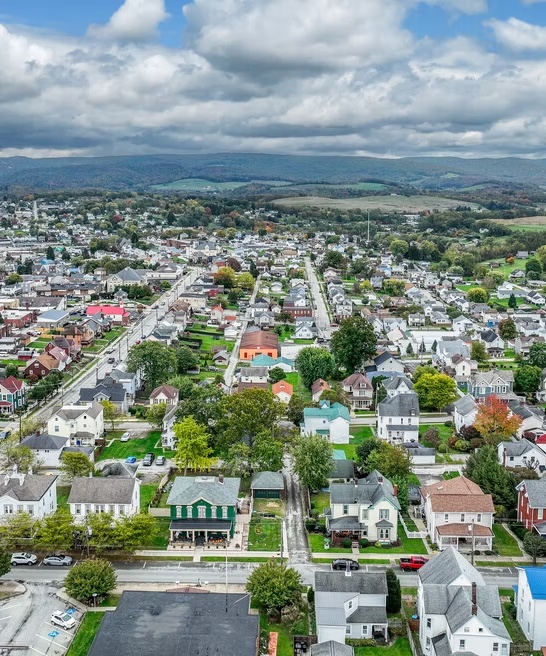
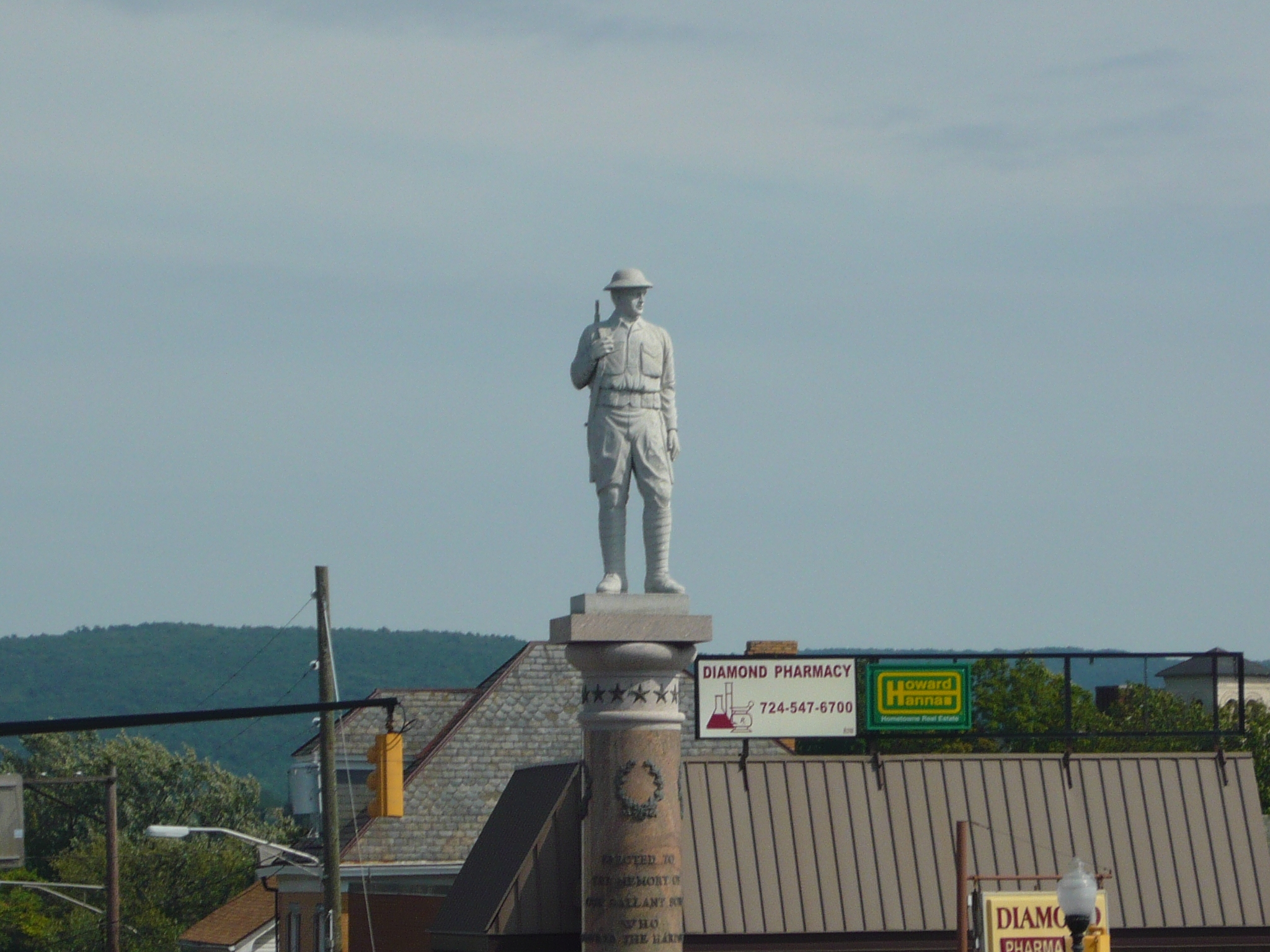
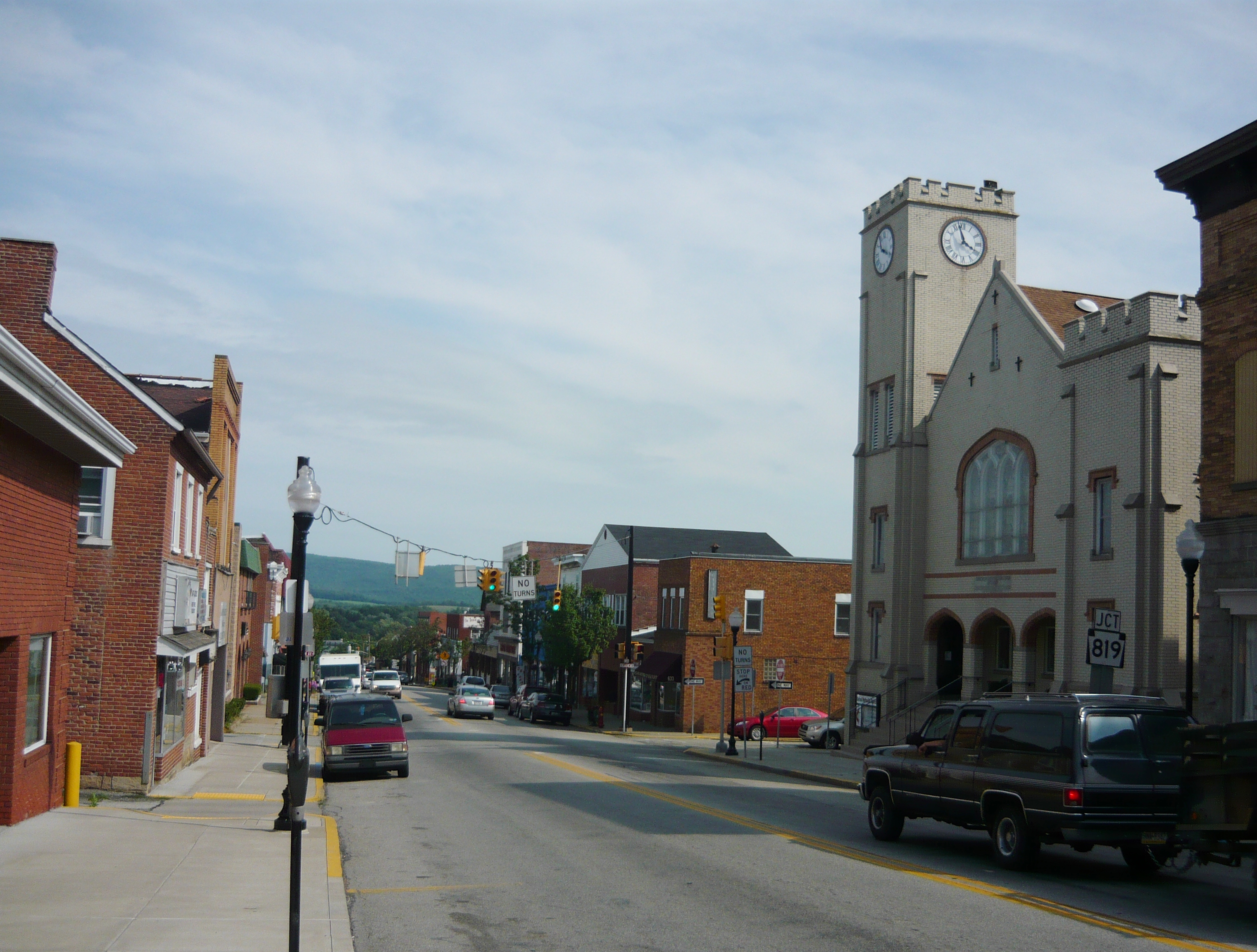
Mount Pleasant is a small borough in Westmoreland County, Pennsylvania, with a population of approximately 4,400 residents. It carries the quiet character of a former 19th-century glass-making town, with brick storefronts and a compact historic core that reflect its industrial past. Situated in the foothills of the Laurel Highlands, the community functions as an unassuming gateway to some of southwestern Pennsylvania's most visited natural and architectural landmarks. The borough lies about 40 miles southeast of Pittsburgh, roughly an hour's drive along US-119, placing it within easy reach of the city while retaining a distinctly rural, small-town feel.
One of the most significant draws within a short drive is Fallingwater, Frank Lloyd Wright's celebrated house cantilevered over a waterfall in Mill Run, about 15 minutes southeast of Mount Pleasant. A UNESCO World Heritage Site and one of the most recognized works of 20th-century architecture, the house draws visitors year-round who come for guided tours of the home and its surrounding grounds.
A short drive further south, approximately 25 minutes from Mount Pleasant, Ohiopyle State Park spreads across the Youghiogheny River gorge and offers whitewater rafting, hiking, mountain biking, and a series of scenic waterfalls. The park's natural water slide at Cucumber Falls and the Great Allegheny Passage rail-trail are popular with both families and outdoor enthusiasts exploring the broader Laurel Highlands region.
Just a few miles from Fallingwater, Kentuck Knob is another Frank Lloyd Wright-designed residence, this one completed in the 1950s for the Hagan family. The property offers guided tours, a sculpture collection on its grounds, and panoramic views of the surrounding mountains, making it a natural complement to a Fallingwater visit for travelers interested in mid-century design.
Closer to home, the Westmoreland Museum of American Art in Greensburg, about 20 minutes northwest of Mount Pleasant, houses a notable collection of American paintings, sculpture, and decorative arts, and provides a cultural counterpoint to the area's outdoor attractions.
Mount Pleasant makes a compelling base for short-term rentals because it offers a quieter, more affordable alternative to staying in the larger gateway towns of the Laurel Highlands. Visitors who want walkable streets, local restaurants, and proximity to major regional draws will find the borough ideally positioned between Fallingwater, Ohiopyle, and the cultural amenities of Greensburg. The combination of small-town atmosphere, four-season recreation, and easy access to some of Pennsylvania's most iconic landmarks gives the area a steady, year-round appeal for travelers exploring southwestern Pennsylvania.
Want to know if a property in Mount Pleasant is a good investment?
Enter an address to get instant revenue potential and comps.