
King Of Prussia, Pennsylvania
Want to see how King Of Prussia compares to other top cities in Pennsylvania? Explore all city regulations in Pennsylvania. →
King Of Prussia, PA
Generally Investor Friendly
STR Regulations for King Of Prussia, Pennsylvania
Overview: Are Short-Term Rentals Allowed in King of Prussia, PA?
Yes, short-term rentals are explicitly allowed in King of Prussia, Pennsylvania. However, operators must comply with specific regulations established by Upper Merion Township, which governs King of Prussia. The township has implemented comprehensive regulations through Section 165-219.9 of the Upper Merion Township Zoning Ordinance, requiring permits and adherence to operational standards for all short-term rental operations.
King of Prussia, located in Montgomery County, presents a compelling market for short-term rentals due to its strategic position approximately 20 miles northwest of Philadelphia, high accessibility to major transportation routes including the Pennsylvania Turnpike and Interstate 76, and its status as a regional hub with major employers and attractions like the King of Prussia Mall and Valley Forge National Historical Park.
What do Airbnb hosts actually earn in King Of Prussia?
King Of Prussia hosts earn a median $39,073/year with $212 ADR and 65% occupancy.
Top performers pull in $53,118+ per year.
See the full King Of Prussia market breakdownHow to Start a Short-Term Rental Business in King of Prussia
Starting a short-term rental business in King of Prussia requires navigating Upper Merion Township's regulatory framework. Here's the comprehensive step-by-step process:
1. Verify Zoning Compliance
Before proceeding, confirm that your property is located in a zoning district where short-term rentals are permitted. The township ordinance prohibits short-term rentals in certain residential zoning districts, so this is a critical first step that could save significant time and expense.
2. Prepare Required Documentation
Gather all necessary documents for your permit application, including:
- Detailed property information and address
- Complete floor plan of the rental unit
- Owner contact details and identification
- Maximum occupancy calculations based on bedrooms and square footage
3. Submit Permit Application
Complete and submit the Short-Term Rental Permit application through Upper Merion Township. Each rental unit requires a separate permit, so if you plan to operate multiple units, you'll need individual permits for each unit.
4. Schedule Life Safety Inspection
The township requires a Life Safety Inspection as part of the permitting process. This inspection ensures your property meets all safety requirements and building codes.
5. Pay Applicable Fees
Submit all required fees along with your application. Contact the Code Enforcement Department for current fee schedules, as fees may vary and are subject to change.
6. Await Approval and Maintain Compliance
Once approved, ensure ongoing compliance with all operational requirements, including parking, occupancy limits, waste disposal, and guest conduct standards.
Required Documents, Permits, Licenses, and Guidelines
Mandatory Permit Requirements
Short-Term Rental Permit: Required for all short-term rental operations. This is the foundational requirement that must be obtained before any rental activities commence.
Annual Renewal: Permits are valid for one year and must be renewed annually. This ensures ongoing compliance with evolving regulations and safety standards.
Separate Permits: Each individual rental unit requires its own permit. If you own a property with multiple rental units, you must obtain a separate permit for each unit.
Application Requirements
The permit application must include:
- Completed permit application form (available through Upper Merion Township)
- Property owner information and contact details
- Detailed property address and location information
- Comprehensive floor plan of the rental unit
- Maximum occupancy information based on:
- Number of bedrooms in the unit
- Total square footage of the unit
- Life Safety Inspection completion certificate
Renewal Requirements
For annual permit renewals, operators must submit:
- Annual renewal application submission
- Updated Life Safety Inspection for renewal
- Payment of renewal fees
- Continued compliance with all operational standards
Specific Regulations for Short-Term Rentals in King of Prussia
Zoning Restrictions
Upper Merion Township has designated certain residential zoning districts where short-term rentals are prohibited. Property owners must verify their property's zoning classification complies with Section 165-219.9 of the township zoning ordinance before applying for permits. This verification should be done early in the planning process to avoid potential legal issues or financial losses.
Operational Requirements
Parking Standards
- Minimum off-street parking spaces required based on the number of bedrooms in the rental unit
- Parking must be maintained throughout the rental period
- Compliance with township parking regulations is mandatory
- Properties must provide adequate parking that meets or exceeds minimum requirements
Occupancy Limitations
Maximum occupancy is determined by:
- Total number of bedrooms in the unit
- Overall square footage of the property
- Township safety and building code requirements
- Properties must clearly display maximum occupancy limits
Property Management Standards
Waste Disposal: Proper waste management and disposal procedures must be followed, including adherence to township waste collection schedules and regulations.
Signage Restrictions: Limited signage allowed, subject to township regulations. Any signage must comply with township sign ordinances.
Guest Conduct: Property owners are responsible for ensuring guest compliance with township rules and regulations.
Noise Control: Quiet hours and noise ordinances must be enforced. Properties must implement measures to minimize noise disturbances to neighbors.
Fire Safety: Full compliance with fire safety codes and regulations required, including working smoke detectors and carbon monoxide detectors.
Owner Responsibilities
Property owners are fully responsible for:
- Ensuring guest compliance with all township ordinances
- Maintaining property safety standards at all times
- Responding promptly to complaints or violations
- Coordinating with township officials when required
- Keeping permits current and valid
- Maintaining liability insurance coverage
- Ensuring proper tax collection and remittance
Penalties and Violations
The township has established penalties for violations of the short-term rental ordinance. Specific penalty structures and enforcement procedures are outlined in Section 165-219.9-7 of the township zoning ordinance. Violations can result in fines, permit suspension, or permit revocation.
Contact Information for Local STR Authority
Upper Merion Township Code Enforcement Department
Primary Contact:
- Name: Mark Zadroga, Director of Code Enforcement
- Email: mzadroga@umtownship.org
- Phone: 610-265-2600
Township Administration:
- Address: 175 West Valley Forge Road, King of Prussia, PA 19406-1802
- Main Phone: 610-265-2600
- Office Hours: Monday-Friday, 8:15 AM to 5:00 PM
- Website: www.umtownship.org
For specific questions about permits, applications, or compliance requirements, contact Mark Zadroga directly. For general township information or other departments, use the main township phone number.
Pennsylvania State-Level Regulations
Pennsylvania does not have specific state-level short-term rental regulations that supersede local ordinances. The state follows a local control approach, allowing municipalities and townships to establish their own regulatory frameworks. However, all short-term rental operations must comply with:
State Tax Requirements
- Pennsylvania sales tax collection and remittance
- Local occupancy taxes where applicable
- Income tax reporting for rental income
General Business Compliance
- Business registration requirements
- Insurance and liability considerations
- Employment law compliance if hiring staff
Safety and Building Codes
- State building code compliance
- Fire safety regulations
- Health department requirements where applicable
Important Recommendations for STR Investors
-
Consult with Local Authorities: Before purchasing property for short-term rental purposes, contact Mark Zadroga at the Code Enforcement Department to verify zoning compliance and understand all requirements.
-
Review Complete Ordinance: Obtain and thoroughly review the complete Short-Term Rental Ordinance (Section 165-219.9) to understand all operational requirements and restrictions.
-
Budget for Compliance Costs: Factor in permit fees, inspection costs, and potential property modifications needed to meet township standards.
-
Plan for Annual Renewals: Remember that permits require annual renewal with updated inspections and documentation.
-
Understand Liability: Property owners are fully responsible for guest conduct and compliance with all township ordinances.
-
Stay Informed: Monitor township communications for any updates or changes to short-term rental regulations.
Links to Source Pages
Primary Sources:
- Upper Merion Township Short-Term Rental Ordinance
- Upper Merion Township Official Website
- Township Ordinance Approval Announcement
- STR Profit Map - King of Prussia Regulations
Additional Resources:
Disclaimer: This guide provides general information based on available sources. Regulations may change, and property owners should always consult directly with Upper Merion Township officials and qualified legal counsel before making investment decisions or beginning short-term rental operations.
Next step
Found a property in King Of Prussia?
Paste any address and get estimated revenue, cash-on-cash return, and comparable STR performance in under 5 minutes. 3 free analyses per day.
Free brief
Get the free King Of Prussia STR Investment Brief
Revenue data, top neighborhoods, seasonal trends, and the key regulations for King Of Prussia, Pennsylvania in one email.
King Of Prussia
Market Saturation Score
Photos of King Of Prussia


Overview of King Of Prussia
King of Prussia is an unincorporated community and census-designated place in Upper Merion Township, Montgomery County, Pennsylvania, with a population of roughly 22,000 residents. The community has a distinctly suburban and commercial character, defined by major highway interchanges, sprawling office parks, and one of the largest shopping complexes in the United States. It is best known as a retail and business hub in the Philadelphia metropolitan area and serves as a convenient gateway to Valley Forge and the wider Montgomery County region. Located about 20 miles northwest of downtown Philadelphia, King of Prussia sits at the intersection of Interstate 76 (the Pennsylvania Turnpike) and several other major roadways, making it one of the most accessible suburbs in the region.
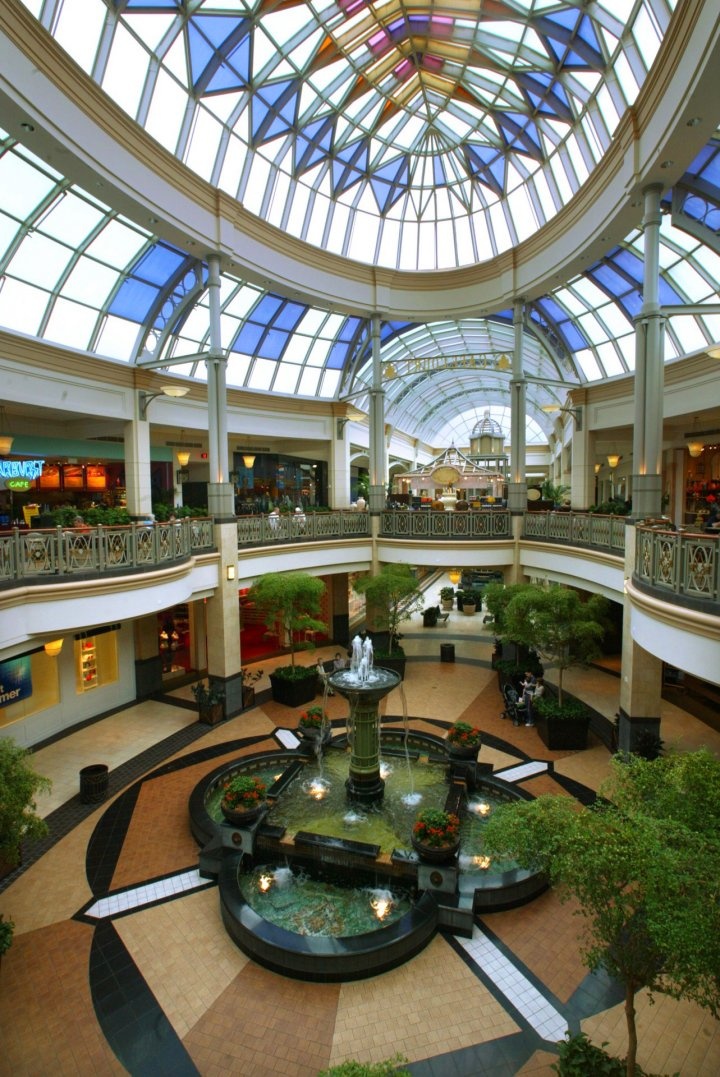
The King of Prussia Mall is the community's marquee attraction and a major draw for visitors from across the Mid-Atlantic. Consistently ranked among the largest shopping centers in the country by retail square footage, the mall features hundreds of stores, a wide range of dining options, and an indoor amusement area, giving it year-round appeal regardless of weather. It is located right in the heart of King of Prussia, essentially at the community's center.
Just minutes from the mall lies Valley Forge National Historical Park, the site where George Washington and the Continental Army encamped during the difficult winter of 1777-1778. The park offers more than 3,500 acres of meadows, woodlands, and historical structures, along with miles of walking and biking trails, a visitor center, and reconstructed period buildings. It is roughly a ten-minute drive from the center of King of Prussia, and its proximity gives the area a notable historical dimension that complements its modern commercial character.
For those interested in the broader region, the city of Philadelphia is an easy drive to the southeast, with its Independence Hall, the Philadelphia Museum of Art, the Reading Terminal Market, and a deep roster of cultural and culinary attractions roughly thirty minutes away depending on traffic. Closer to home, the borough of Norristown — the county seat of Montgomery County — is just a few miles to the northeast and offers a more traditional small-city atmosphere with local restaurants and the historic Theatre Horizon.
King of Prussia makes a compelling base for short-term rental investors because it combines retail magnetism, business travel demand, and proximity to both a major national historical site and a top-tier American city. Visitors traveling for shopping, conferences at the nearby convention-style venues, or sightseeing in Valley Forge and Philadelphia all converge on this well-connected suburb, giving the area a steady and varied stream of potential guests throughout the year.
Want to know if a property in King Of Prussia is a good investment?
Enter an address to get instant revenue potential and comps.