
Hazleton, Pennsylvania
Want to see how Hazleton compares to other top cities in Pennsylvania? Explore all city regulations in Pennsylvania. →
Hazleton, PA
Generally Investor Friendly
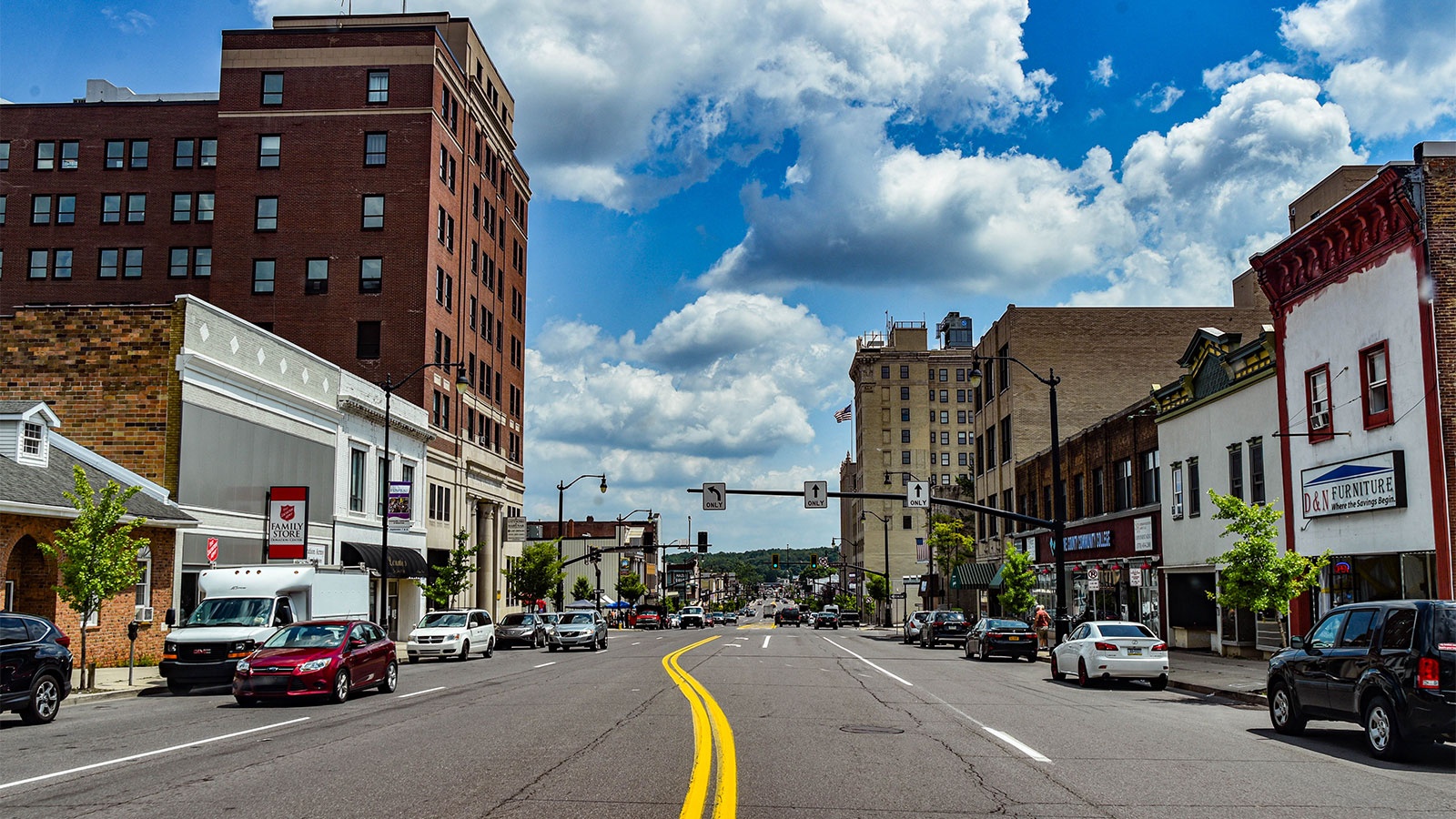
STR Regulations for Hazleton, Pennsylvania
Overview and bottom line: Are short‑term rentals allowed in Hazleton?
- Yes, short‑term rentals are allowed in Hazleton, PA. Hazleton is a third‑class city and is listed in Table 4 of the provided state study as having a Short‑Term Rental ordinance. In Pennsylvania, the default authority to permit or prohibit STRs is local zoning; state law does not authorize STRs by default, and municipalities can regulate or ban them. Slice of Life v. Hamilton Township (Pa. 2019) established that purely transient commercial use is not a permitted single‑family residential use unless expressly authorized by local ordinance; short‑term rental activity is therefore permitted only to the extent Hazleton’s own zoning and licensing rules allow it. Source: Short‑Term Rental Industry in Pennsylvania (March 2025), pp. 20–21. [^1]
How to start a short‑term rental business in Hazleton (step‑by‑step)
- Confirm zoning eligibility for your property
- Determine the zoning district and whether short‑term rentals are permitted as‑of‑right, as a conditional use, or prohibited.
- Verify whether your property type (single‑family, two‑family, multifamily, accessory apartment, B&B, rooming/boarding home) fits the local definitions in Hazleton’s zoning and landlord/tenant ordinances.
- Review any overlay districts, historic districts, or special area controls that could restrict STRs or impose additional standards.
- Status note: The state study confirms Hazleton has an STR ordinance but the specific text and district allowances are not included in the provided content. You must obtain the city’s current ordinance and zoning map from the city. Source: Table 4 (pp. 30–32) [^1]
- Select a compliance pathway aligned with your operating model
- In PA, STRs are commonly categorized as:
- Homestay/limited lodging: owner‑occupied dwellings with limited rooms and minimal regulation.
- Vacation rental: entire dwelling units rented transiently.
- Corporate/commercial STR: portfolios with more than a handful of properties or professionalized operations.
- If available in Hazleton, choose the least‑restrictive category that legally fits your plan (e.g., limited lodging vs. visitor accommodation). If the city does not have these labels, confirm whether you qualify as a homestay or must operate under standard STR/vacation rental licensing.
- Licensing and registry
- Apply for the city’s short‑term rental license and enter any municipal STR registry before advertising or accepting bookings.
- If your property is not owner‑occupied, confirm whether a zoning permit for “visitor accommodation” and a commercial activity license are required, similar to Philadelphia’s model.
- Tax registration and collection
- Register with the Pennsylvania Department of Revenue for Sales, Use, and Hotel Occupancy Tax to collect and remit:
- PA State Hotel Occupancy Tax: 6%
- Potentially a Local Sales and Use Tax component if applicable (e.g., first‑class counties have 1% or 2%; confirm whether Luzerne County has a local hotel or occupancy tax and the rate)
- If you use booking platforms (Airbnb, VRBO, etc.), many collect/ remit state hotel tax for you; you still need to ensure the host/operator record with the Department of Revenue and that platform remittances match your reported income. Source: PA Dept. of Revenue — Home‑Sharing/Third‑party Broker Rentals. [^2]
- Monitor local tax updates annually; Allegheny and Philadelphia rates change/expire and may serve as a model for other jurisdictions. Sources: Philly tax info; Airbnb Help Center. [^3][^4]
- Insurance and risk management
- Obtain property and liability coverage appropriate for commercial transient lodging. Basic homeowners’ policies commonly exclude business use or sublimit short‑term rental activity. Consider a rider or a separate commercial STR policy.
- Understand insurance implications of transient lodging under Pennsylvania law and ensure coverage aligns with your operation (guest liability, theft, income loss, etc.). Sources: PA Insurance Dept. guidance; Forbes overview; Insurance.com exclusions. [^7][^22][^23]
- Safety and inspections
- Plan for safety inspections per the city’s ordinance. Typical requirements in PA include smoke and carbon monoxide alarms, basic fire safety, and structural/electrical/plumbing systems in good condition.
- Maintain a 24/7 on‑call local responsible party (if required by the city), post safety notices, and retain guest logs for inspection access as may be mandated.
- Professional management
- If you will not be on‑site, designate a local property manager or responsible person, provide their contact information, and ensure they can respond rapidly to complaints and enforcement matters.
Required documents, permits, licenses, and guidelines
- Municipal STR license and zoning compliance (often a zoning permit or compliance certificate).
- Municipal STR registry listing and annual renewal (if applicable).
- PA Department of Revenue sales/use/hotel occupancy tax registration and ongoing returns.
- Proof of liability insurance and any minimum coverage mandated by the city.
- Safety inspections and certificate of compliance (smoke/CO alarms, fire safety, etc.).
- Written guest policies (quiet hours, occupancy, trash, parking) and posted notices in the unit.
- Recordkeeping (guest names, dates, number of occupants, contact info) for at least two years, as commonly required by PA municipalities with registries.
- Designation of a local responsible party and 24/7 contact information, where required.
- Proof of sewage capacity/maintenance (especially where on‑site systems are used).
- Community covenants compliance, if applicable (HOA/PUD), recognizing that Pennsylvania courts have held that general “private residential use only” covenants do not necessarily prohibit short‑term rentals absent express language. Sources: pp. 5, 7–16, 21–22, 41–44, 51–53 in the state study. [^1]
State‑level regulations and taxes that apply in Hazleton
- Lodging and Housing Code (Title 48): Pennsylvania’s “Transient Lodging” provisions define lodging establishments broadly and cover short‑term rentals of private residences to transient guests, including recordkeeping, guest safety, and operator responsibilities. Temporary lodging is occupancy for less than 30 days or on a day‑to‑day basis if for more than 30 days. Sources: pp. 7–8. [^1]
- Hotel Occupancy Tax: 6% state tax on short‑term lodging; booking agents and operators must collect and remit. Local hotel/occupancy taxes may also apply. Sources: pp. 8–12. [^1]
- Booking Agent obligations: Third‑party platforms that facilitate or collect payment must collect/remit PA hotel tax; mere ad publishers are excluded. Airbnb has had a collect‑and‑remit agreement since 2016. Sources: p. 12. [^1]
- Sales and Use Tax considerations: If Hazleton or Luzerne County has a local sales and use tax that applies to hotel stays, ensure you or your platform is collecting/remitting it (common in 1% or 2% first‑ and second‑class counties; verify locally). Sources: p. 9–11. [^1]
- Municipal authority: Short‑term rental permissibility is a local zoning matter under the Pennsylvania Municipalities Planning Code; the state provides minimum recommendations but municipalities may prohibit, limit, or allow STRs. Sources: pp. 17–19. [^1]
- Tax treatment of income: Short‑term rental income is taxed by Pennsylvania as net income from a business/profession; federal rules distinguish rental use and personal use days and reporting requirements. Sources: pp. 13–14. [^1]
- Property tax homestead considerations: Operating a short‑term rental can affect homestead exemptions and may require pro‑ration if the property is not your primary residence for portions of the year. Sources: pp. 14–15. [^1]
- Insurance: Standard homeowners’ insurance often excludes business use; consider riders/stand‑alone policies and understand exclusions (vacancy, wear‑and‑tear, intentional acts, home‑based business, etc.). Sources: pp. 15–16; 22–23. [^1]
County and city‑specific notes for Hazleton and Luzerne County
- Luzerne County (fourth class): The state study indicates many fourth‑class counties impose a 5% hotel tax, with some exceptions; however, county classification does not determine the rate—each county sets its own within statutory caps. For 2025, confirm the current Luzerne County hotel/occupancy tax rate with the county treasurer/collector. Source: pp. 11–12, Table 3. [^1]
- Hazleton, Luzerne County: The state study lists Hazleton among third‑class cities with a short‑term rental ordinance (Table 4). Obtain the current Hazleton Code and zoning map from the city to confirm:
- Which zoning districts allow STRs (homestays vs. entire‑unit rentals).
- Licensing/inspection requirements.
- Occupancy limits, parking, signage, and quiet hours.
- Whether a zoning permit for visitor accommodation and a commercial activity license apply when the property is not owner‑occupied (Philadelphia model). Sources: p. 30 (Table 4); pp. 23–25 (Philadelphia example). [^1]
Contacts and key resources
- City of Hazleton (mayor’s office/legislative body and city planning/zoning)
- City Hall: 40 N Church St, Hazleton, PA 18201
- Phone: typically available via the city website or Luzerne County directories; confirm the current number before use.
- Website: consult the official City of Hazleton site for Code/Zoning and permit forms.
- Luzerne County (hotel/occupancy tax administration and property records)
- Phone/email: confirm current contacts via the County Commissioners/County Treasurer.
- Resource: County Hotel Tax Rates and Contacts (CCAP reference list). [^5]
- Pennsylvania Department of Revenue
- Resource: Home‑Sharing/Third‑party Broker Rentals guidance and registration. [^2]
- Booking platforms
- Airbnb Help Center on Pennsylvania tax remittance. [^4]
Links to source pages and materials
- Short‑Term Rental Industry in Pennsylvania (March 2025) — full report and state‑wide overview [^1]
- PA Dept. of Revenue — Home‑Sharing/Third‑party Broker Rentals [^2]
- City of Philadelphia — Sales, Use, and Hotel Occupancy Tax (example of local hotel tax administration) [^3]
- Airbnb Help Center — Pennsylvania tax remittance [^4]
- County Commissioners Association of Pennsylvania — Hotel Tax Rates and Contact Information [^5]
- PA Constitution — Article VIII, Section 2 (homestead exemptions; property tax context) [^6]
- PA Attorney General — Consumer Guide to Tenant and Landlord Rights [^8]
- PA Insurance Department — Homeowners Insurance basics [^7]
- Insurance.com — Homeowners insurance exclusions [^23]
- Forbes Advisor — Short‑Term Rental Insurance overview [^22]
- National Zoning Atlas — zoning research tool [^10]
- HUD — Creating the National Zoning Atlas [^11]
- Monroe County — Short‑Term Rental Model Ordinance (municipal exemplars) [^13]
- Pocono Mountain Association of REALTORS — STR municipal scorecard (regional examples) [^14]
- City of Lancaster — Short‑Term Rentals and Homestays [^15]
- Borough of Strasburg — STR prohibition example [^17]
- State College Borough — Short‑Term Rental License [^18]
- Rent Like A Champion — About page (college‑town STR context) [^19]
- City of Erie — Residential Rental and STR requirements [^20]
- Summit Township (Erie County) — STR ordinance [^21]
- City of Scranton — STR provisions in zoning [^24]
- Allegheny County — Rooming Inspections and Permits [^26]
- Rabbu BNB — Allegheny County STR guide (external municipal list) [^27]
- Rabbu BNB — Lancaster County STR guide (external municipal list) [^28]
Immediate next steps for investors
- Retrieve Hazleton’s STR ordinance and zoning map from the city; confirm whether STRs are permitted in your target district(s).
- File for the city STR license and register in the municipal STR registry (if applicable).
- Register with the PA Department of Revenue for hotel occupancy tax; confirm whether Luzerne County levies an additional hotel/occupancy tax and the current rate.
- Align your operating plan with the least‑restrictive STR category available (e.g., limited lodging/homestay if owner‑occupied).
- Implement insurance, safety inspections, and recordkeeping consistent with state lodging requirements and local ordinance provisions.
- If you are not locally based, designate a responsible party and 24/7 contact per city requirements.
Notes and limitations
- The state study confirms Hazleton has an STR ordinance but does not include the full text or specific zoning allowances; those details must be obtained from the City of Hazleton.
- County hotel tax rates are not provided in the study for Luzerne County; only a general range across classifications is shown. Confirm the current Luzerne County rate with the county.
- Philadelphia and Allegheny County tax rates are provided as illustrative local models; rates differ across counties and can change over time. Always verify the current rate with local tax authorities. Sources: pp. 9–12, Table 1–3. [^1]
References [^1]: The Short‑Term Rental Industry in Pennsylvania, Joint State Government Commission (March 2025). jsg.legis.state.pa.us/resources/documents/ftp/publications/2025-03-17%20Short-term%20Rental%20Web%203.17.25.pdf [^2]: Pennsylvania Department of Revenue — Home‑Sharing/Third‑party Broker Rentals. www.pa.gov/agencies/revenue/resources/tax-types-and-information/sales-use-and-hotel-occupancy-tax/home-sharing.html [^3]: City of Philadelphia — Sales, Use, and Hotel Occupancy Tax. www.phila.gov/services/payments-assistance-taxes/taxes/business-taxes/business-taxes-by-type/sales-use-hotel-occupancy-tax/ [^4]: Airbnb Help Center — Pennsylvania Tax Remittance. www.airbnb.com/help/article/2325 [^5]: County Commissioners Association of Pennsylvania (CCAP) — County Hotel Tax Rates and Contact Information. www.pacounties.org/getmedia/607608ac-4f1d-44e9-93c3-5fc2f1f747d
What do Airbnb hosts actually earn in Hazleton?
Hazleton hosts earn a median $20,682/year with $133 ADR and 59% occupancy.
Top performers pull in $28,993+ per year.
See the full Hazleton market breakdownNext step
Found a property in Hazleton?
Paste any address and get estimated revenue, cash-on-cash return, and comparable STR performance in under 5 minutes. 3 free analyses per day.
Free brief
Get the free Hazleton STR Investment Brief
Revenue data, top neighborhoods, seasonal trends, and the key regulations for Hazleton, Pennsylvania in one email.
Hazleton
Market Saturation Score
Photos of Hazleton


Overview of Hazleton
Hazleton sits in Luzerne County in northeastern Pennsylvania, a city of roughly 25,000 residents that serves as a commercial and cultural anchor for the surrounding Anthracite Coal Region. Once a booming coal town in the nineteenth and early twentieth centuries, it has retained a strong Italian-American identity that shapes its bakeries, delis, and community festivals, while the surrounding landscape has shifted from mining scars to forested ridges and reservoirs. The city is known for its modest but historic downtown, its food scene rooted in immigrant heritage, and its position as a gateway to outdoor recreation in the Poconos and Endless Mountains. Hazleton lies about 100 miles north of Philadelphia and roughly 120 miles west of New York City, with both cities reachable in around two hours by car.
Just south of the city, Hickory Run State Park spans more than 15,000 acres of hardwood forest and contains the Hickory Run Boulder Field, a National Natural Landmark formed during the last ice age. Visitors come for hiking, picnicking, and swimming in Sand Spring Lake, and the park entrance is about a 20-minute drive from downtown Hazleton. Hickory Run State Park is among the most popular outdoor destinations in the region, drawing campers and day-trippers year-round.
A short drive north brings travelers to Jim Thorpe, a small Carbon County town often called the "Switzerland of America" for its dramatic mountain setting along the Lehigh River. Its restored Victorian-era downtown features the Old Jail Museum, the Mauch Chunk Opera House, and the Lehigh Gorge Scenic Railway, whose narrated rides follow the river into the surrounding state park. The town sits about 30 minutes from Hazleton and feels like a step back into a different century.
Eckley Miners' Village, a patch town preserved from the anthracite era, offers a living history experience in Weatherly, roughly 15 minutes south of the city. Costumed interpreters and restored coal-era company houses give visitors a window into the difficult lives of mining families in 19th-century Pennsylvania, and the site is a useful counterpoint to the more rugged outdoor attractions nearby.
Hazleton's appeal as a short-term rental base rests on the balance it strikes between cultural heritage and outdoor access. Guests can spend mornings exploring Italian delis and historic streets, then drive in any direction to find state parks, scenic railroads, and preserved coal country sites, all while remaining within a few hours of Philadelphia and New York City.
Want to know if a property in Hazleton is a good investment?
Enter an address to get instant revenue potential and comps.