
Chester, Pennsylvania
Want to see how Chester compares to other top cities in Pennsylvania? Explore all city regulations in Pennsylvania. →
Chester, PA
Challenging To Investors
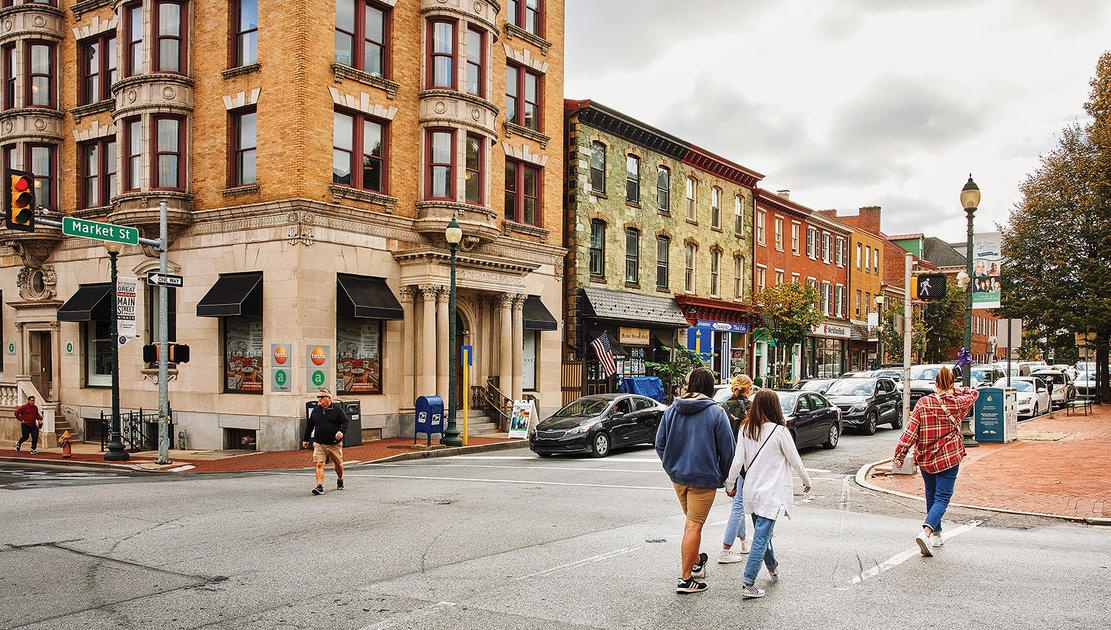
STR Regulations for Chester, Pennsylvania
Overview: Are Short-Term Rentals Allowed in Chester, PA?
Short-term rentals are permitted in Chester County, but regulations vary by municipality. Unlike many counties, Chester County does not have a county-wide prohibition on short-term rentals; instead, regulation is left to individual municipalities through their zoning ordinances and local codes. This creates a patchwork of regulations where some municipalities may allow them, while others restrict or prohibit them.
Notably, the City of Chester itself does not appear to have specific short-term rental regulations in the provided materials. However, nearby municipalities like West Chester Borough have adopted comprehensive regulations. As an investor, you must verify the specific regulations for the exact municipality where you plan to operate.
Pennsylvania state law generally allows municipalities to regulate short-term rentals through their police powers, and the Chester County Planning Commission provides guidance to municipalities on crafting appropriate regulations.
What do Airbnb hosts actually earn in Chester?
Chester hosts earn a median $38,427/year with $213 ADR and 64% occupancy.
Top performers pull in $52,348+ per year.
See the full Chester market breakdownHow to Start a Short-Term Rental Business in Chester County
Step 1: Identify Your Target Municipality
First, determine the specific municipality where you plan to operate, as regulations differ across Chester County. Contact that municipality directly to verify their current short-term rental regulations before making any property investments.
Step 2: Analyze Zoning Requirements
Review the zoning district where your property is located. Based on West Chester's ordinance as an example, short-term rentals are typically permitted only in certain districts:
- Town Center (TC) District
- Neighborhood Conservation Districts (NC-1, NC-2, NC-3)
- Mixed Use (MU) Districts
Many municipalities require conditional use approval for short-term rentals, which involves a public hearing and review process.
Step 3: Review Property-Specific Restrictions
Check for any property-specific limitations:
- Separation requirements: West Chester requires a 500-foot separation between short-term rentals
- Owner occupancy: Some municipalities may require the property owner to occupy the residence
- Substantial presence: Some regulations require owners to reside within a certain distance of the property
Step 4: Develop Your Compliance Plan
Create a comprehensive compliance strategy:
- Parking arrangements
- Insurance coverage ($1M minimum in West Chester)
- Annual permit applications
- Guest safety protocols
- Tax compliance (Pennsylvania state and local taxes)
Required Documents, Permits, Licenses, and Guidelines
Based on the available information, particularly from West Chester Borough:
Permits & Licensing
Annual Short-Term Rental Permit
- Required for all short-term rentals in municipalities that allow them
- Permit is typically transferable to new property owners
- Application process similar to long-term rental registration
- Fees based on actual administrative costs
Property Registration
- Registration under Chapter 66, Article 11 (as referenced in West Chester)
- Annual renewal required
- Documentation must remain current
Insurance Requirements
General Liability Insurance
- Minimum $1,000,000 coverage required (West Chester example)
- Evidence of insurance must be provided prior to permit issuance
- Policy must remain active throughout operation
Documentation Requirements
Site Plan
- Required for properties using off-site parking
- Must show location of required parking spaces
- Include number of spaces provided
Floor Plan
- Document showing layout of rental unit
- Important for capacity and safety planning
Fire Safety Plan
- Required for each unit
- Must inform guests of escape routes
- Critical for guest safety and liability protection
Operational Guidelines
Occupancy Limitations
- Maximum rental period typically less than 30 consecutive days
- Restrictions on maximum number of guests per rental
Parking Requirements
- One parking space per bedroom (in West Chester, when located in residential permit parking areas)
- May be provided on adjacent property or across the street
- Some properties may be exempt (Town Center District outside residential permit parking areas)
Prohibited Uses
- No student homes may be used as short-term rentals
- Special events (wedding receptions, parties) typically prohibited
- No leasing of individual bedrooms as short-term rentals
Specific Regulations: Municipality, County, and State
Municipality-Level Regulations (West Chester Example)
Zoning Districts:
- Permitted in TC, NC-1, NC-2, NC-3, and MU districts by conditional use
- Not permitted in multifamily dwellings with more than 4 units
Distance Requirements:
- 500-foot minimum separation between short-term rentals
Parking:
- One space per bedroom in specified districts
- Can be provided off-site under specific conditions
- Owner must own or control the parking area
Annual Limits:
- Borough-wide cap of 20 short-term rental permits
- Waiting list system once cap is reached
Permit Transferability:
- Permits transfer to new property owners
- Facilitates property transactions
Insurance:
- Minimum $1,000,000 general liability coverage required
Occupancy Limits:
- Entire dwelling rental only (no bedroom leasing)
Chester County Guidance
Chester County Planning Commission provides guidance to municipalities on:
Regulatory Framework:
- Whether to incorporate STR regulations into zoning or create standalone ordinances
- Defining short-term rentals and determining their classification (residential vs. commercial use)
Regulatory Considerations:
- Maximum rental nights per year
- Nuisance regulations
- Signage restrictions
- Ownership restrictions
- Application and permitting processes
- Enforcement measures
Policy Concerns:
- Neighborhood compatibility (traffic, noise, maintenance)
- Housing supply impacts
- Effects on commercial lodging businesses
- Regulatory enforcement challenges
Pennsylvania State-Level Considerations
Municipal Authority:
- Pennsylvania municipalities have authority to regulate short-term rentals under police powers
- Case law recognizes municipal authority to regulate through zoning ordinances
- Specific definition and reasonable restrictions required
Taxation:
- Short-term rentals may be subject to Pennsylvania state lodging taxes
- Also subject to local lodging taxes where applicable
- Collection and remittance obligations apply
Classification:
- When classified as commercial use, short-term rentals may trigger additional tax obligations
- Different from traditional residential rental uses
Contact Information for Local Authority
Chester County Planning Commission
Website: Chester County Planning Commission
Address: Chester County Government Stewart Huston Building 50 East Market Street, Suite 205 West Chester, PA 19382
Phone: (610) 344-6285
Email: Contact Form
Note: The Planning Commission provides guidance but does not directly regulate short-term rentals. They can direct you to the appropriate municipal authority.
Example Municipality Contact (West Chester Borough)
Department: Borough Planning & Zoning Website: West Chester Borough
Address: Borough Hall 401 E. Gay St. West Chester, PA 19380
Phone: (610) 696-0700
Email: Contact through website
For specific short-term rental inquiries in West Chester:
- Borough Solicitor: Kristin Camp
- Planning Director: Contact through Borough Hall
City of Chester
No specific short-term rental contact information is provided in the available materials. To inquire about regulations in the City of Chester specifically:
Website: City of Chester
Address: 1 Fourth Ave Chester, PA 19013
Phone: (610) 447-7700
Note: Contact the City directly to confirm current short-term rental regulations.
Important Considerations for Investors
Market Limitations
Based on available information:
- West Chester limits total STR permits to 20 units borough-wide
- This creates a limited market opportunity in municipalities with caps
- Consider smaller municipalities with more permissive regulations
Compliance Costs
Beyond permit fees:
- Insurance costs ($1M+ coverage)
- Parking solutions (particularly if property lacks sufficient on-site parking)
- Fire safety plan development
- Ongoing regulatory compliance
Enforcement Risks
- Short-term rental regulations are evolving rapidly
- Municipalities are still refining enforcement mechanisms
- Violations can result in fines and permit revocation
- Staying informed of regulatory changes is critical
Source Links
- Chester County Planning Commission - Short-term Rentals
- West Chester Borough Short-term Rental Ordinance (Redline)
- West Chester Approves Short-term Rental Ordinance
- Elizabethtown Borough Short-term Rental Ordinance
- Jackson Township Short-term Rental Ordinance
- Middle Smithfield Township Zoning Regulations
This guide is based on available information as of November 2024. Regulations change frequently. Always verify current requirements with the specific municipality where you plan to operate.
Next step
Found a property in Chester?
Paste any address and get estimated revenue, cash-on-cash return, and comparable STR performance in under 5 minutes. 3 free analyses per day.
Free brief
Get the free Chester STR Investment Brief
Revenue data, top neighborhoods, seasonal trends, and the key regulations for Chester, Pennsylvania in one email.
Chester
Market Saturation Score
Photos of Chester


Overview of Chester
Chester is a small, historic riverfront city in Delaware County, Pennsylvania, situated along the western bank of the Delaware River approximately twelve miles southwest of downtown Philadelphia. With a population of roughly thirty-three thousand, it is one of the oldest cities in Pennsylvania, founded in 1682 by William Penn, and it carries a working-class character shaped by generations of shipbuilding, manufacturing, and rail industries. Today, Chester serves as an accessible base for visitors who want to explore both the cultural offerings of greater Philadelphia and the historic Brandywine Valley to the west, with frequent SEPTA rail service connecting it directly to Center City.
A major anchor of the city's modern waterfront is Harrah's Philadelphia Casino & Racetrack, a combined gaming and harness-racing complex that opened in its current riverfront form in 2006. The property includes thousands of slot machines and table games, multiple restaurants, and a live horse-racing track, and it is one of the largest employers in the city. It sits at the foot of the Commodore Barry Bridge, just a few minutes from central Chester, and draws visitors from across the Philadelphia region year-round.
Just up the riverfront from Harrah's is Subaru Park, an eighteen-thousand-seat stadium that opened in 2010 as the home of Major League Soccer's Philadelphia Union. The open-air venue has hosted U.S. men's national team matches, international friendlies, and concerts, and it has helped transform the surrounding riverfront into a sports-and-entertainment district. Game days bring a steady flow of visitors to nearby restaurants and parking areas throughout the spring, summer, and fall.
About twenty miles west of Chester, near the town of Kennett Square, lies Longwood Gardens, one of the most celebrated botanical gardens in the country. Originally the country estate of industrialist Pierre S. du Pont, the property spans more than a thousand acres of formal gardens, woodland paths, and glass conservatories, with choreographed fountain displays that draw visitors throughout the year. The drive from Chester typically takes thirty to forty minutes along US-1.
A short drive further west brings visitors to the Brandywine Battlefield, the Pennsylvania historic site that marks the largest single-day engagement of the American Revolutionary War, fought in September 1777. The site preserves a portion of the original battlefield along with a visitors center and the restored Benjamin Ring House, offering a quiet counterpoint to the busier urban attractions to the east.
Chester's appeal for short-term rental investors lies in this unusual combination: an affordable, walkable riverfront city with growing entertainment anchors, set within easy reach of one of America's most-visited historic cities and the rolling estates and gardens of the Brandywine Valley. Its proximity to Philadelphia's job centers and university campuses, paired with year-round event traffic from the casino, the soccer stadium, and the surrounding region's gardens and Revolutionary War sites, gives the city a steady baseline of visitor demand that is uncommon for a community of its size.
Want to know if a property in Chester is a good investment?
Enter an address to get instant revenue potential and comps.