
Adamstown, Pennsylvania
Want to see how Adamstown compares to other top cities in Pennsylvania? Explore all city regulations in Pennsylvania. →
Adamstown, PA
Challenging To Investors
STR Regulations for Adamstown, Pennsylvania
Overview: Are Short-Term Rentals Allowed in Adamstown, PA?
Short-term rentals (STRs) are allowed in Pennsylvania and operate within a localized regulatory framework. There are no state‑wide prohibitions on STRs, and most Pennsylvania municipalities allow STRs (whole‑home or hosted) subject to local zoning, safety, licensing, tax, and nuisance controls. For Adamstown, PA (a small borough in Lancaster County), we do not have borough‑specific rules or zoning excerpts in the provided content. Therefore, to determine if a specific property can be used as an STR—and whether it qualifies as a permitted use—you must confirm the property’s zoning and any borough ordinances directly with the Borough of Adamstown and/or Lancaster County planning/zoning. In practice, many Pennsylvania towns allow STRs in residential districts when the unit complies with safety requirements and does not create nuisances; however, you must verify this for Adamstown.
What do Airbnb hosts actually earn in Adamstown?
Adamstown hosts earn a median $33,656/year with $181 ADR and 62% occupancy.
Top performers pull in $42,495+ per year.
See the full Adamstown market breakdownHow to Start a Short-Term Rental Business in Adamstown
- Verify land use and zoning: Confirm with the Borough that short-term lodging is a permitted use at your parcel (R‑1/R‑2 typically residential; commercial/mixed-use districts may allow lodging). Request the official zoning map and any overlay districts, historic district rules, floodplain restrictions, or HOA covenants that could restrict rentals.
- Select property type and licensing path:
- Hosted STR (owner or long-term occupant present during stays, renting rooms or part of the home).
- Unhosted STR (entire home without the host present).
- Safety and building readiness: Install smoke and carbon monoxide alarms; ensure fire extinguishers and egress/smoke safety; verify electrical, heating, and structural conditions.
- Insurance and taxes:
- Obtain landlord/property or STR-specific insurance; consider liability and premises coverage for guest injuries and property damage.
- Set up state and local tax remittance. Airbnb commonly collects and remits state/local taxes on behalf of hosts, but you must verify that taxes apply and are being collected correctly.
- Platform setup:
- List on Airbnb/VRBO/other platforms; ensure accurate maximum occupancy, bedroom count, and amenities.
- Prepare house rules, check-in procedures, and a 24/7 contact (required by many municipalities in PA for safety and enforcement).
- Operation and record keeping:
- Maintain guest logs (names, dates, number of guests), booking records, and communications for at least one year (Philadelphia requires this, and it is prudent statewide).
- Post emergency info (smoke/CO alarms, extinguisher location, local contact).
- Ongoing compliance:
- Monitor borough council/commissioner minutes, permit windows, and any license renewals.
- Respond promptly to neighbor complaints and inspections; keep noise, parking, and occupancy within limits.
Required Documents, Permits, Licenses, and Guidelines
Given the absence of borough‑specific rules in the provided materials, treat the following as Pennsylvania‑wide baseline obligations and confirm local requirements for Adamstown.
- Zoning/land use:
- Determine if the property is in a zoning district that permits transient lodging.
- Confirm if historic district, floodplain, HOA, or other overlays apply.
- Licenses/permits (typical for PA municipalities; verify for Adamstown):
- Borough business/registration license (common in many PA towns; some require a business privilege/mercantile tax).
- Short-term rental or lodging permit/registration (if the borough has one).
- Residential rental license and annual inspection (common in several PA municipalities).
- Fire/safety inspection certificate (if required for lodging).
- Safety and habitability (required in practice statewide; confirm local code references):
- Working smoke and carbon monoxide detectors.
- Fire extingher(s), clearly marked egress, safe stairways.
- Adequate off‑street parking (some PA towns set parking minimums per bedroom).
- Posting of a 24/7 local contact and emergency procedures.
- Taxes:
- Pennsylvania Hotel Occupancy Tax (state): 6%.
- Local Sales/Use or Hotel/Transient Occupancy taxes: vary by county/municipality. Many PA localities add a local hotel tax (commonly 1–7%); Philadelphia charges 8.5% hotel tax plus 1% sales tax. Airbnb typically collects and remits applicable taxes for its listings; verify locally for Lancaster County and Adamstown.
- Records:
- Guest logs with names, dates, number of guests, and total nights; retain for inspection (at least one year).
- Booking confirmations, platform payout reports, and tax remittance records.
Specific Regulations (City/Borough, County, and State)
- Borough/city-level: The provided sources focus on Philadelphia, Easton, Gettysburg, and the Poconos. They show typical local elements—licensing, inspections, noise/parking rules, occupancy limits, and zoning restrictions. Since Adamstown rules are not included, follow the borough’s codes and confirm whether STRs are a permitted use and whether a separate STR license is required.
- County-level: Lancaster County has no county‑wide STR licensing in the provided sources. County rules are uncommon; check whether county health/safety or tax provisions apply.
- State-level (Pennsylvania):
- No state‑wide prohibition on STRs; regulation is municipal and sometimes county‑level.
- Safety norms: smoke/CO alarms, fire extinguishers, and clear egress; posting of local contact for emergencies (common municipal requirement).
- Taxes: 6% state hotel occupancy tax; local sales/occupancy taxes vary; Philadelphia is an example of a high local tax jurisdiction.
- Inspections and nuisances: common municipal enforcement areas (noise, occupancy, parking, sanitation).
Local Authority Contacts (Adamstown Borough and Lancaster County)
Adamstown is in Lancaster County. Contact the borough for zoning and licensing, and the county only if a county-level inspection or tax applies.
- Borough of Adamstown (Municipal Office)
- Phone: (717) 484-2366
- Website: Not provided in the sources. Search for “Adamstown borough” municipal site or Lancaster County directory.
- Lancaster County
- Website: Not provided in the sources. Lancaster County’s main portal is typically accessible via county’s official site.
- Municipal meetings and enforcement:
- Check borough council/commissioner meeting minutes for ordinance updates, fee schedules, and inspection protocols.
Note: Use the official borough website and phone listings for the most current contact information; call the borough office to confirm whether an STR permit is required and whether hosted/unhosted rentals are allowed in your zoning district.
Source Pages Used
- Steadily article: “Airbnb & Short Term Rental Laws and Regulations In Pennsylvania” (www.steadily.com/blog/airbnb-short-term-rental-laws-and-regulations-in-pennsylvania)
- Center for Rural Pennsylvania report: “Inventory and Analysis of Short-Term Rentals in Pennsylvania” (www.rural.pa.gov/download.cfm?file=Resources/reports/assets/269/Inventory%20and%20Analysis%20of%20Short-Term%20Rentals%20in%20Pennsylvania%20Report.pdf)
Important: The sources do not include borough‑specific rules for Adamstown. Verify any additional local requirements with Adamstown’s municipal office and zoning department before operating.
Next step
Found a property in Adamstown?
Paste any address and get estimated revenue, cash-on-cash return, and comparable STR performance in under 5 minutes. 3 free analyses per day.
Free brief
Get the free Adamstown STR Investment Brief
Revenue data, top neighborhoods, seasonal trends, and the key regulations for Adamstown, Pennsylvania in one email.
Adamstown
Market Saturation Score
Photos of Adamstown


Overview of Adamstown
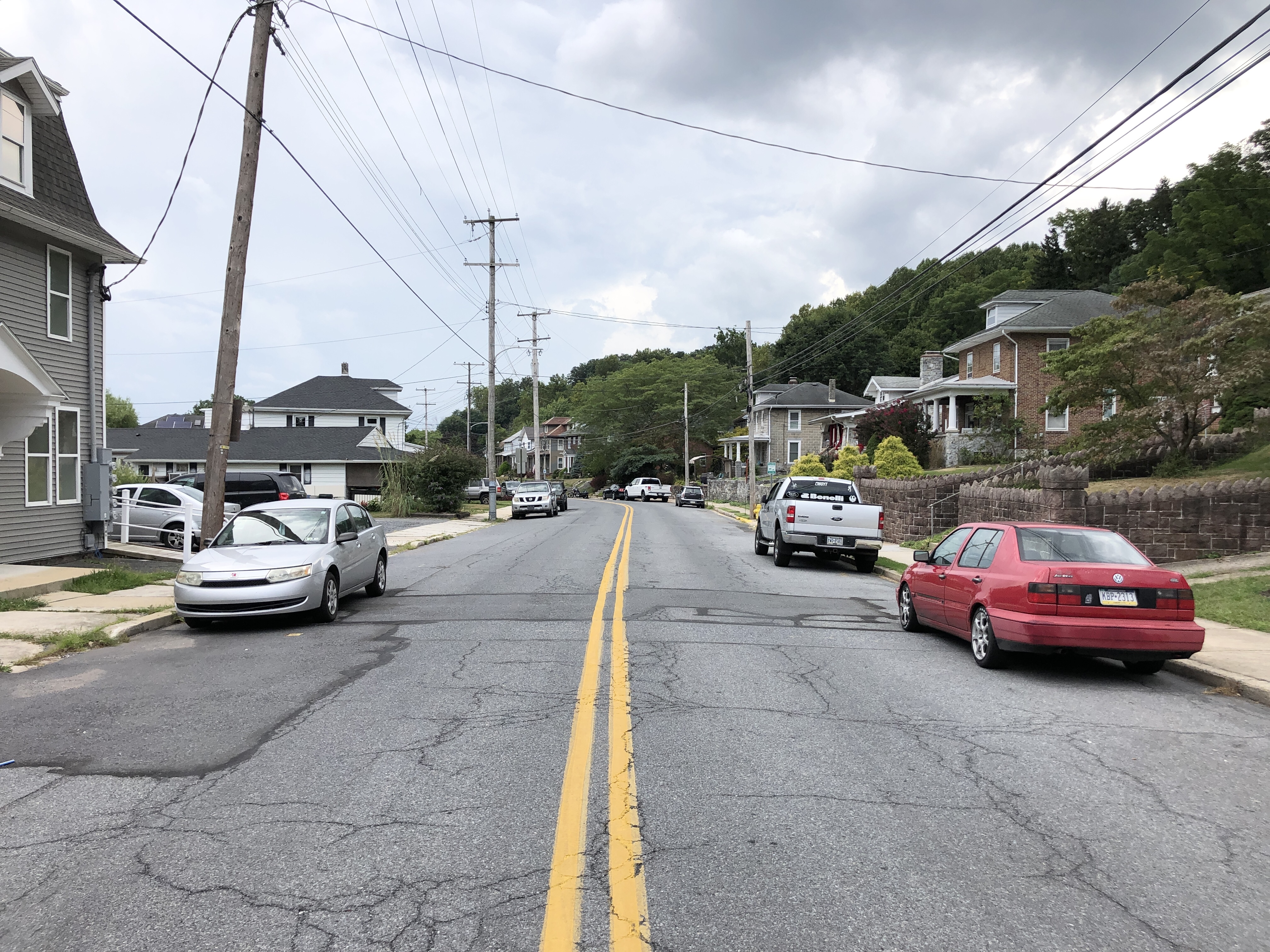
Adamstown is a small borough in Lancaster County, Pennsylvania, with a population of approximately 1,200 residents. The community sits amid the rolling farmland of southeastern Pennsylvania and is best known for its dense concentration of antique shops and markets, which have long earned it a reputation as one of the country's premier destinations for antique and collectibles hunters. It lies roughly 60 miles west of Philadelphia, with the city of Lancaster about 20 miles to the southwest and Reading roughly 20 miles to the north.
The town's main draw is its famous "Antique Mile" along Route 272, where several sprawling antique complexes operate year-round. Markets like Renninger's and the neighboring Adamstown Antique Mall host hundreds of dealers under shared roofs and across open-air lots, drawing collectors from across the Northeast on weekends and during seasonal special events. The atmosphere is part flea market, part small-town street fair, and browsing alone can easily fill a day, with most shops and markets clustered within walking distance of one another.
Just a short drive southwest, the broader Lancaster County countryside unfolds in every direction, offering rolling farmland, covered bridges, and the working Amish and Mennonite communities that define the region. Visitors can take backroad drives past horse-drawn buggies, stop at farm stands for fresh produce and baked goods, or visit one of several historic mills and homesteads scattered through the surrounding townships. The pace slows noticeably once travelers leave Route 272, and the area's patchwork of pastures and woodlots feels a world removed from the busy antique crowds in town.
To the southwest, Strasburg anchors another of the county's signature attractions: the Strasburg Rail Road, the oldest continuously operating railroad in the United States. Roughly 25 minutes from Adamstown, the line offers excursion rides through Amish farmland aboard restored vintage passenger cars, and the adjoining Railroad Museum of Pennsylvania adds another half-day for rail enthusiasts. The nearby villages of Intercourse and Bird-in-Hand, with their cluster of country markets, bakeries, and quilt shops, round out the region's appeal for visitors looking to pair antiques with the broader Pennsylvania Dutch experience.
Adamstown's appeal as a short-term-rental base comes from this unusual combination: a walkable, antique-themed small town with quick access to two mid-sized cities and the broader cultural and scenic draw of Lancaster County. Weekend antique hunters, couples exploring Pennsylvania Dutch Country, and families pairing railroad rides with farm visits all find a convenient home base here. With Philadelphia, Lancaster, and Reading each within roughly an hour, the borough offers the kind of rural character and central location that tends to keep calendars full year-round.
Want to know if a property in Adamstown is a good investment?
Enter an address to get instant revenue potential and comps.