
North Bend, Oregon
Want to see how North Bend compares to other top cities in Oregon? Explore all city regulations in Oregon. →
STR Regulations for North Bend, Oregon
Executive Overview: STR Status in North Bend, Oregon
Short-term rentals ARE ALLOWED in North Bend, Oregon. The city has established a comprehensive regulatory framework for residential short-term rentals under North Bend City Code (NBCC) 18.72.120. However, North Bend operates under a capped system, limiting the total number of short-term rentals to 64 properties within city limits. This creates a competitive but viable market for STR investors who can navigate the regulatory requirements effectively.
The city has implemented a multi-layered approval process that includes administrative review, business licensing, fire safety inspections, and ongoing compliance requirements. While the 64-property cap creates supply constraints, the established framework provides clarity for legitimate operators willing to invest in compliant operations.
What do Airbnb hosts actually earn in North Bend?
North Bend hosts earn a median $33,099/year with $190 ADR and 60% occupancy.
Top performers pull in $46,554+ per year.
See the full North Bend market breakdownHow to Start a Short-Term Rental Business in North Bend
Phase 1: Pre-Application Planning
Property Eligibility Verification
- Confirm your property is located within North Bend city limits
- Verify zoning compliance with the property's current zoning designation
- Research the current count of active STR licenses (remember the 64-property cap)
- Assess property suitability against occupancy and parking requirements
Financial Preparation
- Budget for licensing fees: $357.14 for new applications, $125.32 for renewals
- Allocate funds for fire safety inspection ($131.58 included in new license fee)
- Prepare for potential late fees (10% per calendar month after January 31st for renewals)
- Factor in ongoing operational costs and tax obligations
Phase 2: Application Submission
Submit Residential Short-Term Rental License Application
- Complete the official application form provided by the City Recorder's office
- Include all required documentation and certifications
- Pay the appropriate licensing fee
- Submit to: City of North Bend, PO Box B, North Bend, OR 97459
Administrative Review Process
- Planning Director conducts administrative review for compliance
- Allow adequate time for city processing
- Address any deficiencies or additional requirements promptly
Phase 3: Post-Approval Operations
Property Preparation
- Complete required fire safety inspection
- Install and maintain all required guest information postings
- Establish solid waste disposal service for weekly removal
- Prepare tsunami evacuation information
Business Operations
- Register for transient room tax collection and remittance
- Maintain ongoing compliance with all operational requirements
- Monitor license renewal deadlines and requirements
Required Documents, Permits, Licenses, and Guidelines
Primary Licensing Requirements
Residential Short-Term Rental License
- Application Fee: $357.14 (New) / $125.32 (Renewal)
- Processing Time: Administrative review by Planning Director
- Late Fee: 10% of license fee per calendar month after January 31st (renewals only)
- Deactivation: $0.00 fee available
Business License Registration
- Required per Chapter 5.01 NBCC
- Fee included in STR license cost
- Must be maintained for ongoing operations
Fire Safety Inspection
- Fee: $131.58 (included in new license cost)
- Requirement: Must be completed and approved before initial licensing
- Ongoing: Operator responsible for continued compliance
Occupancy and Capacity Documentation
Bedroom Count Documentation
- Provide accurate bedroom count for occupancy calculations
- Document living space square footage for capacity determination
- Maintain consistency between application and actual property configuration
Parking Compliance Evidence
- Demonstrate compliance with Chapter 18.68 NBCC parking requirements
- Provide parking diagram if requested
- Maintain designated parking spaces for guest use
Guest Information Requirements
Mandatory Postings (must be displayed at main entrance)
- Property address
- Local contact person's phone number
- Maximum occupancy information
- Location and number of off-street parking spaces
- Waste disposal rules and schedules
- Valid city business license
- Tsunami evacuation map with property location and nearest evacuation center
- Local police department, urgent care facilities, and hospital contact information
Documentation Standards
- Information must be clearly visible and accessible
- Maintain current and accurate information
- Ensure all required contacts are operational and responsive
Tax Compliance Documentation
Transient Room Tax Registration
- Required per Chapter 3.12 NBCC
- Register with Finance Department
- Maintain current tax account status
- Submit regular tax reports as required
Specific Regulations: City, County, and State Level
North Bend Municipal Regulations
STR Permit Limitations
- Hard Cap: Maximum 64 short-term rentals permitted citywide
- Occupancy Formula: 2 persons per bedroom plus 2 additional persons OR 1 person per 200 square feet of living space (whichever is greater)
- Parking Standards: Must comply with Chapter 18.68 Off-Street Parking and Loading requirements
- Waste Management: Weekly solid waste removal required
Health and Safety Standards
- Fire safety inspection mandatory before initial licensing
- Solid waste receptacles provided for guest use
- Weekly waste removal from property
- Continued compliance with fire safety requirements
Operational Requirements
- Administrative review by Planning Director required
- Local contact person must be available
- Guest information must be prominently displayed
- Compliance with all posted rules and regulations
Nonconforming STR Provisions
- Existing noncompliant STRs given 120-day compliance period
- Operators must bring operations into compliance within specified timeframe
Coos County Context
County-Level Considerations
- STR regulations apply specifically within North Bend city limits
- Properties outside city limits may be subject to different county regulations
- Zoning conflicts resolved at city level for properties within municipal boundaries
- Coordinate with county authorities for properties near city boundaries
Oregon State Requirements
Business Registration
- Register business entity if operating under LLC, corporation, or DBA
- Obtain Oregon business registration through Secretary of State if applicable
- Maintain appropriate business insurance coverage
State Tax Obligations
- Oregon lodging tax may apply depending on rental structure
- Coordinate with local tax requirements for comprehensive compliance
- Maintain separate records for state and local tax purposes
Health and Safety Standards
- Oregon residential safety standards apply to all rental properties
- Smoke detector requirements per state building codes
- Carbon monoxide detector requirements where applicable
- Basic habitability standards for rental properties
Contact Information for Local Authority
City of North Bend - Primary Contact
- Department: City Recorder's Office / Licensing
- Phone: (541) 756-8500
- Fax: (541) 756-8527
- Address: 835 California Avenue, North Bend, OR 97459
- Mailing Address: PO Box B, North Bend, OR 97459
- Website: www.northbendoregon.us
Specific Department Contacts
Planning Department
- Function: Administrative review of STR applications
- Phone: (541) 756-8500 (main line)
- Contact: Planning Director
Fire Department
- Function: Fire safety inspections
- Phone: (541) 756-8500 (main line)
- Inspection Scheduling: Contact through main number
Finance Department
- Function: Business licensing and transient room tax
- Phone: (541) 756-8500 (main line)
- Tax Registration: Required for tax collection and remittance
Code Enforcement
- Function: Ongoing compliance monitoring
- Phone: (541) 756-8500 (main line)
- Reporting: Available through city main number
Source Documentation
Primary Regulatory Sources:
- North Bend City Code 18.72.120 - Short-term rentals
- North Bend City Code Chapter 5.01 - Business Licenses
- North Bend City Code Chapter 3.12 - Transient Room Tax
- North Bend City Code Chapter 18.68 - Off-Street Parking and Loading
Application and Operational Resources: 5. Residential Short-Term Rental License Application 6. City of North Bend Official Website 7. North Bend City Code - Municipal Code
Additional Resources: 8. Important Notice: North Bend Airbnb Regulations
Investment Considerations and Market Dynamics
Supply Constraints and Opportunity The 64-property cap creates a scarcity value that can support premium pricing for compliant operators. This limitation also means prospective investors should conduct thorough due diligence on current market conditions and existing STR concentration before making property acquisitions.
Compliance Costs and ROI Impact
- Initial licensing: $357.14
- Annual renewal: $125.32
- Fire inspection: $131.58 (one-time for new applications)
- Ongoing operational compliance costs
These regulatory costs must be factored into investment models, but the established framework provides operational certainty for compliant operators.
Market Position North Bend's proximity to recreational opportunities and tourism destinations creates demand for short-term accommodations. The regulatory framework, while comprehensive, provides clear pathways for legitimate operations, making it attractive for investors willing to invest in full compliance.
This guide represents current regulations as of the latest update. Given the dynamic nature of STR regulations, investors should verify current requirements with local authorities before making investment decisions.
Next step
Found a property in North Bend?
Paste any address and get estimated revenue, cash-on-cash return, and comparable STR performance in under 5 minutes. 3 free analyses per day.
Free brief
Get the free North Bend STR Investment Brief
Revenue data, top neighborhoods, seasonal trends, and the key regulations for North Bend, Oregon in one email.
North Bend
Market Saturation Score
Photos of North Bend


Overview of North Bend
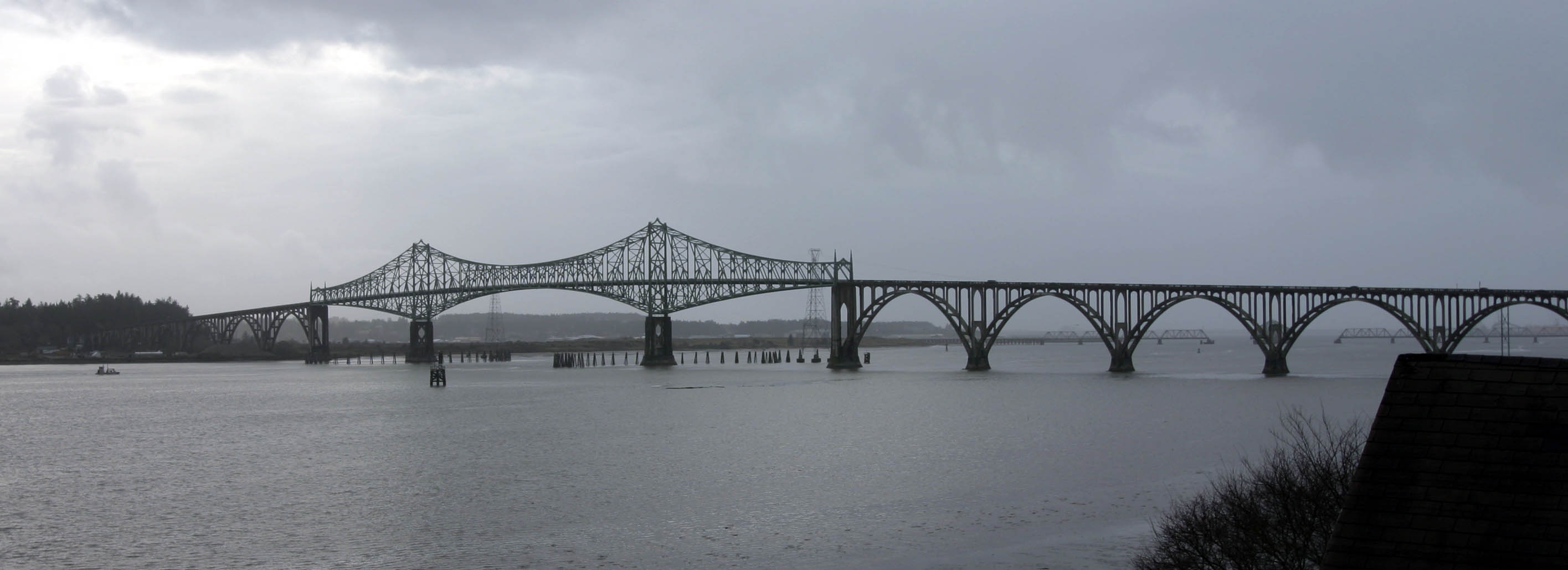
North Bend sits on the southern Oregon coast in Coos County, with a population of approximately 10,000 residents. The city shares the shores of Coos Bay with its sister city across the water, Coos Bay, forming a small but resilient coastal hub known for its maritime character, working waterfront, and easy access to some of the most dramatic stretches of the Oregon Coast. North Bend has a relaxed, salt-weathered feel, shaped by timber, fishing, and the steady rhythm of Pacific tides. It serves as a gateway to the natural wonders of the southern coast, including vast dune fields, sea cliffs, and quiet fishing villages. The nearest major city is Eugene, located roughly 115 miles to the east along Highway 38 and Interstate 5.
One of the region's most celebrated attractions is Shore Acres State Park, perched on the cliffs just south of Charleston and about a 20-minute drive from North Bend. Once the private estate of lumber baron Louis Simpson, the park is famous for its lush, year-round botanical gardens, towering coastal spruce, and a cliffside walkway offering sweeping views of the Pacific. Each December, the gardens host one of the largest holiday light displays in the Pacific Northwest, drawing visitors from across the region. It is a destination that combines cultivated beauty with wild coastal scenery, and it is one of the most photographed spots on the southern coast.
Just inland and a short drive northeast of North Bend lies the Oregon Dunes National Recreation Area, a remarkable landscape of windswept sand dunes stretching more than forty miles along the coast between Florence and Coos Bay. The dunes rise in some places to over 150 feet, creating a surreal terrain for off-highway vehicle riding, horseback excursions, and quiet walks along forested edges. The recreation area is roughly a 30-minute drive from North Bend, with popular access points near Reedsport offering a good starting point for visitors unfamiliar with the area. Oregon Dunes National Recreation Area
To the southwest, the small fishing village of Charleston and Cape Arago State Park are within about 15 to 20 minutes of North Bend. Charleston functions as a working harbor and the launching point for crabbing, salmon fishing, and seasonal whale-watching trips out of Coos Bay. Cape Arago State Park, at the end of Cape Arago Highway, offers rugged headland scenery, tide pools, and reliable viewing of harbor seals and sea lions. The combination of working maritime culture and untouched coastal beauty makes this a memorable stop for anyone exploring the southern coast.
North Bend's appeal as a base for short-term rentals lies in its blend of small-town coastal character and proximity to a remarkable range of natural attractions. Visitors can spend the morning wandering tide pools, the afternoon exploring old-growth forests or the dunes, and the evening enjoying fresh seafood at a local harbor restaurant, all without ever leaving the Coos Bay area. Its position between larger Oregon cities and the steady year-round draw of the coast make it a practical and inviting market for travelers seeking something a little quieter than the more heavily visited stretches of the northern Oregon coast.
Want to know if a property in North Bend is a good investment?
Enter an address to get instant revenue potential and comps.