
Junction City, Oregon
Want to see how Junction City compares to other top cities in Oregon? Explore all city regulations in Oregon. →
Junction City, OR
Irrelevant

STR Regulations for Junction City, Oregon
Short-Term Rental (STR) Investor Guide for Junction City, Oregon
(Based on Oregon State Regulations and General Municipal Practices)
1. Overview: Are Short-Term Rentals Allowed in Junction City?
- Explicit Answer: While the provided content does not list Junction City as a city with existing STR regulations, Short-Term Rentals (STRs) are generally allowed and regulated under Oregon state law and local ordinances. As of the research period (2017), Oregon state law did not prohibit STRs. Regulation occurs primarily at the local city/county level. Given Junction City's size (<100,000), the regulatory framework would likely align with the general approaches discussed in the report for Oregon's smaller cities, including the possibility of requiring permits and compliance with state Transient Lodging Tax (TLT).
- Key Context: The report shows STRs exist in most Oregon cities, especially those with tourism appeal. Coastal areas (like Lane County communities) and Central Oregon see significant activity. Junction City's proximity to Eugene/Springfield and recreational areas suggests potential for STRs, subject to local rules.
2. How to Start a Short-Term Rental Business in Junction City Market
- Verify Local Zoning and Permitting: Contact Lane County Planning (Junction City is in Lane County) or the City of Junction City directly. Confirm the zoning of your property allows for STR use. Ask specifically about:
- Required permits/licenses (Business License, STR Permit, Conditional Use Permit?).
- Application process and timelines.
- Associated fees.
- Guest capacity limits.
- Parking requirements.
- Notification requirements (e.g., neighbors, HOA).
- Register with State Tax Authorities: You are legally required to register with the Oregon Department of Revenue and collect/remit the Oregon Transient Lodging Tax (TLT) at 1.8% of the rental price.
- Obtain Necessary Permits: After confirming zoning, apply for and obtain all required city/county permits/licenses BEFORE advertising or operating.
- Secure Insurance: Ensure your homeowners/renters insurance covers short-term rental activities or obtain separate STR liability coverage.
- Understand Tax Obligations: Register for a federal EIN if needed. Be prepared to report STR income on your federal and Oregon tax returns.
- Comply with Platform Policies: List your property on platforms like Airbnb, VRBO, etc., ensuring you provide any required permit/license numbers. Ensure listings accurately reflect your permit status and property details.
- Prepare the Property: Meet safety standards (smoke/CO detectors, fire extinguishers), local occupancy limits, and address any specific requirements from the permit process.
3. Required Documents, Permits, Licenses, and Guidelines
- State Level:
- Oregon Transient Lodging Tax (TLT) Registration: Mandatory registration with the Oregon Department of Revenue to collect/remit the 1.8% TLT. Link: Oregon Dept. of Revenue - TLT
- County/City Level (Likely Required - Confirm with Lane County/Junction City):
- Business License: Many cities require a general business license to operate.
- Short-Term Rental Operating License/Permit: Specific permit for STRs (common requirement in 92% of surveyed Oregon cities <100k pop.).
- Property Registration: Annual registration of the STR unit.
- Proof of Insurance: Liability insurance may be required.
- Inspection Approval: Health/Safety/Fire inspection (common recommendation).
- Proof of Zoning Compliance: Documentation confirming the property is zoned for STR use.
- Site Plan/Parking Details: Maps showing parking, access, and lot boundaries (common requirement).
- Emergency Contact Information: Local contact details for the owner or responsible party.
- Potential Guidelines (Common STR Ordinances in Oregon <100k):
- Guest capacity limits (based on bedrooms/septic etc.).
- Occupancy frequency limits (days per year rented).
- Proximity buffers/distances to other STRs (anti-concentration rules - thresholds recommended if complaints >25/year).
- Noise/behavior standards.
- Trash/recycling management rules.
- Parking restrictions.
- Nuisance complaint thresholds leading to permit revocation (>5 complaints/year).
- Safety requirements (posting emergency info, egress, etc.).
4. Specific Regulations (City, County, State)
- State of Oregon:
- Definition: STRs are generally defined as rented for less than 30 days.
- Mandatory Tax: Transient Lodging Tax (TLT) of 1.8% is levied by the state on the cost of the accommodation. Operators must register with the state and collect/remit this tax. Local option taxes may also apply.
- No Statewide Ban: Oregon state law does not prohibit STRs. Local regulation is primary.
- Lane County (Unclear if Specific STR Ord - Needs Verification): Lane County may have TLT authority or general ordinances. Crucially, Junction City is an incorporated city within Lane County, so the City of Junction City has primary regulatory authority over land use within its boundaries. The County plays a secondary role (e.g., taxes, building permits in some areas, potentially regional planning).
- City of Junction City (Likely Based on General Oregon Trends): As a city under 100,000, Junction City likely has ordinances defining and regulating STRs based on common Oregon practices:
- Zoning: STRs are likely permitted as a "residential activity with caveats" or conditionally permitted in specific zones (e.g., residential, mixed-use). Prohibited in others (e.g., pure industrial). Essential to verify zoning with the City.
- Permit Required: A specific STR operating license/permit is highly probable (as in 92% of similar cities surveyed).
- Annual Renewal & Fees: Annual registration with associated fees (median fee ~$358, range $50-$2200 per report).
- Occupancy/Use Standards: Capacity limits, limits on total rental days/year, safety standards, and anti-nuisance rules are common.
- Enforcement: Primarily through administrative citations and fines. Revocation for excessive complaints is a recommended practice.
- Transient Lodging Tax: The City may levy an additional local TLT on top of the state 1.8%. While only 21 cities charged TLT per the survey (vs. 9 reported by Airbnb at the time), Junction City could impose one. Check with the City/County Finance Dept.
5. Contact Information (Key Authorities)
- City of Junction City: Phone: (541) 998-2150 | Email: office@ci.junction-city.or.us | Website: City Website - Check the "Planning/Zoning" or "Building" sections for STR information.
- Lane County Planning & Building: Phone: (541) 682-3750 | Website: Lane County - Planning - Verify zoning/permits if the property is in the County's jurisdiction (unincorporated areas).
- Lane County Finance / Tax Collector: Phone: (541) 682-3750 | Website: Lane County - Transient Lodging Tax - For potential county-level TLT.
- Oregon Department of Revenue: Phone: (503) 378-4988 | Toll-Free: (800) 356-4222 | Website: Oregon DOR - Transient Lodging Tax - For state TLT registration and reporting.
6. Links to Source Pages
- Report Source Document: UO STR Research published (This specific URL from the search results - contains the full analysis summarized above).
- Oregon Department of Revenue - TLT: https://www.oregon.gov/dor/programs-businesses/pages/transient-lodging-tax.aspx
- City of Junction City Official Website: https://www.ci.junction-city.or.us/
- Lane County Planning & Building: https://www.lanecountyor.gov/planning
Investor Action Plan for Junction City:
- Contact the City First: Call Junction City Planning at (541) 998-2150 to confirm zoning allows STRs for your specific property. Request the STR permit application and fee schedule. Confirm if a Business License is required.
- Review City Ordinances: Check the City's website or request copies of its municipal code chapters related to planning, zoning, business licenses, and specifically any ordinances titled "Short-Term Rentals," "Vacation Rentals," or similar.
- Register with State DOR: Immediately register with the Oregon Department of Revenue for TLT collection/remittance, even if the city allows STRs without a local permit initially.
- Obtain Necessary Permits: Apply for and secure all required city permits/licenses before listing or renting.
- Check County Requirements: Verify if Lane County has any relevant regulations or taxes (especially TLT) applying within the city limits (usually the city handles this).
- Plan for Compliance: Ensure your property meets all identified standards (parking, safety, occupancy limits, trash, etc.). Budget for annual permit fees and state/city taxes. Maintain records meticulously.
Critical Note: The information above is derived from a general 2017 research study. Always verify the current, specific regulations directly with the City of Junction City and Lane County before making any investment or operational decisions. Municipal codes and policies can change.
What do Airbnb hosts actually earn in Junction City?
Junction City hosts earn a median $19,291/year with $119 ADR and 46% occupancy.
Top performers pull in $27,806+ per year.
See the full Junction City market breakdownNext step
Found a property in Junction City?
Paste any address and get estimated revenue, cash-on-cash return, and comparable STR performance in under 5 minutes. 3 free analyses per day.
Free brief
Get the free Junction City STR Investment Brief
Revenue data, top neighborhoods, seasonal trends, and the key regulations for Junction City, Oregon in one email.
Junction City
Market Saturation Score
Photos of Junction City

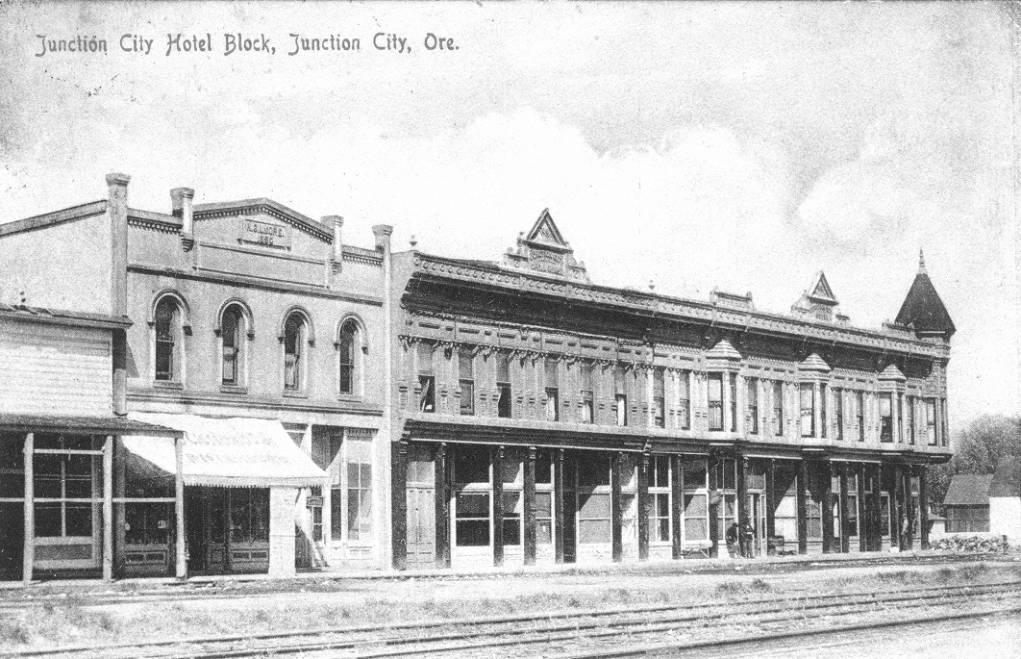

Overview of Junction City
Junction City is a small community of roughly 6,000 residents in Lane County, Oregon, situated in the southern Willamette Valley along the Willamette River. It lies about 15 miles northwest of Eugene, the nearest major city, and carries a strong agricultural heritage rooted in its nineteenth-century Scandinavian settlers. Surrounded by hop yards, hazelnut orchards, and pastureland, the town has a quiet, rural feel while serving as a convenient launching point for visitors exploring the valley's wine country, the central Oregon Coast, and the wider Lane County region.
The Willamette Valley surrounding Junction City is one of the most celebrated wine regions in the United States, particularly known for its Pinot Noir, Pinot Gris, and Chardonnay. Dozens of family-run vineyards and tasting rooms are scattered within a 30- to 45-minute drive, with notable clusters near Monroe, Corvallis, and the southern part of the valley. The rolling agricultural landscape, with views of forested foothills in the distance, makes the area a popular destination for wine-tasting weekends and farm-to-table dining experiences. Willamette Valley
About 15 miles to the southeast, Eugene offers the cultural and recreational amenities of a mid-sized university city. Anchored by the University of Oregon, the city features the Jordan Schnitzer Museum of Art on campus, the rebuilt Hayward Field track complex, and a lively downtown with breweries, restaurants, and live music venues. The city's riverside parks and an extensive network of running and cycling paths along the Willamette draw outdoor enthusiasts year-round. Eugene, Oregon
To the west, the central Oregon Coast is roughly an hour's drive over the Coast Range. Coastal towns such as Florence and Yachats offer sandy beaches, tide pools, lighthouses including Heceta Head, and the sweeping landscapes of the Oregon Dunes National Recreation Area. Many travelers use Junction City as an overnight stop while moving between the valley and the coast, taking advantage of its hotels, restaurants, and proximity to both. Oregon Coast
Junction City's appeal as a short-term rental base comes from its central position between three distinct Oregon experiences: the wine and farm country of the Willamette Valley, the university-town energy of Eugene, and the rugged beauty of the Pacific coastline. Guests enjoy a quieter, more affordable setting while remaining within easy reach of marquee attractions, and the town's agricultural surroundings and Scandinavian heritage give it an authentic regional character that larger gateway cities often lack.
Want to know if a property in Junction City is a good investment?
Enter an address to get instant revenue potential and comps.