
Seminole, Oklahoma
Want to see how Seminole compares to other top cities in Oklahoma? Explore all city regulations in Oklahoma. →
Seminole, OK
Very Investor Friendly
STR Regulations for Seminole, Oklahoma
Overview: Are Short-Term Rentals Allowed?
Explicit statement: Based on the provided materials, there is no city- or county-specific short-term rental (STR) regulatory framework documented for Seminole, Oklahoma. The single local regulatory document provided is the Housing Authority of the Seminole Nation of Oklahoma (HASNOK) Low-Rent Program Operating Policy, which governs affordable housing occupancy and does not regulate commercial STRs. Consequently, no city or county occupancy caps, registration requirements, or local licensing rules for STRs are found in the sources provided.
What this means for investors:
- You can operate an STR in Seminole unless local ordinances state otherwise.
- Absent local rules, you must comply with state and county requirements (notably state lodging tax and state occupancy restrictions).
- Always verify with the City of Seminole and Seminole County that no new local STR ordinances have been adopted since the latest source updates.
How to Start a Short-Term Rental Business in Seminole, Oklahoma
Step 1: Choose your property and confirm legal status
- Confirm zoning permits residential short-term rentals (most R-1/R-2 zones do in Oklahoma municipalities).
- Verify HOA/Condo rules allow STRs; if an HOA prohibits rentals under 30 days, your STR plan is constrained.
Step 2: Comply with state-level requirements
-
State occupancy restrictions: Oklahoma statute prohibits municipalities from enforcing occupancy limits on STRs. As of the most recent sources provided, STR properties cannot be capped at fewer than 10 occupants per night by local ordinance. If you anticipate multi-night reservations for larger groups, you can market accordingly. Confirm any changes in state law before listing.
-
Lodging tax registration (Oklahoma state sales tax on lodging): Register with the Oklahoma Tax Commission (OTC) and collect/remit state lodging taxes (often referred to as sales tax on transient lodging). Keep accurate records of gross lodging receipts and remit on schedule (monthly/quarterly/annually depending on volume). Maintain invoices and guest logs for audits.
Step 3: County-level check
- Seminole County lodging tax: Some Oklahoma counties collect an additional county lodging tax. Check with the Seminole County Treasurer or County Clerk to confirm whether a county lodging tax applies and obtain a certificate if necessary. Register, collect, and remit according to county rules.
Step 4: Business registration
- If operating under a trade name (DBA), register it with the Oklahoma Secretary of State (online portal).
- If creating an LLC or other entity, file formation documents with the Secretary of State and obtain an EIN from the IRS.
Step 5: Build STR compliance into operations
- List within platform capacity norms (the state restricts occupancy limits at the municipal level).
- Enforce quiet hours (10 p.m.–7 a.m.) as a best practice in residential neighborhoods.
- Provide clear house rules regarding occupancy, quiet hours, parking, and trash; implement a guest communication protocol to address noise and disturbances promptly.
- Consider noise monitoring or decibel policies during large events and holidays.
Step 6: Insurance and safety
- Obtain STR-appropriate insurance coverage (liability, property, loss of income) with adequate limits.
- Provide smoke detectors, carbon monoxide detectors, fire extinguishers, and first-aid kits.
- Ensure egress routes are clear; post emergency contacts and evacuation procedures.
Step 7: Taxes and accounting
- Set up accounting procedures for lodging taxes, state sales tax, and any county lodging taxes.
- Consider monthly reconciliation of platform statements with your books.
- Retain records for the applicable statutory period (typically 3–4 years) in case of audit.
Step 8: Ongoing compliance
- Monitor local ordinance updates from the City of Seminole and Seminole County.
- Review any HOA/Condo bylaw changes affecting STRs.
- Keep all registrations, licenses, and tax accounts current and renew as required.
Required Documents, Permits, Licenses, and Guidelines
Documents and registrations likely required:
- Oklahoma Tax Commission registration and lodging tax remittance setup.
- Seminole County lodging tax registration (if applicable).
- Trade name (DBA) registration with the Oklahoma Secretary of State (if using a non-legal-entity name).
- Business entity filings (e.g., LLC) and EIN, if operating through an entity.
- Proof of property ownership or lease authorization.
- STR insurance policy declarations.
- HOA/condo approval letter or bylaw reference (if applicable).
- Guest safety documentation (emergency procedures, safety equipment checklists).
Guidelines to follow:
- State occupancy restrictions: Municipalities cannot limit STR occupancy below 10; therefore, marketed and actual occupancy must comply with state law.
- Quiet hours best practice: 10 p.m.–7 a.m.
- House rules and guest communications to mitigate disturbances.
- Recordkeeping for taxes and platform settlement reports.
Specific Regulations: Seminole, County, and State
- Seminole (city): No city-specific STR ordinances or registration requirements are identified in the provided materials.
- Seminole (county): No county-specific STR regulatory scheme is identified in the provided materials. County lodging taxes may apply; investors should verify with county authorities.
- State (Oklahoma):
- Occupancy limits: Municipalities cannot enforce occupancy caps lower than 10 occupants per night for STRs.
- Lodging tax: Short-term rentals are subject to state lodging taxes; operators must register and remit through the Oklahoma Tax Commission.
- General business registration rules apply for DBAs and entities; HOA/condo restrictions may limit STR viability.
Note: The HASNOK Low-Rent Housing Program policy is not applicable to STRs; it governs affordable housing eligibility, occupancy standards, and lease agreements for HASNOK program participants. The policy includes principal residency and occupancy rules relevant only to program units and residents.
Contact Information
Local authorities to verify any local rules:
-
City of Seminole (municipal government, zoning and business licensing):
- Phone/Email/Website: Not provided in the sources; confirm through city hall or municipal clerk’s office.
-
Seminole County (county lodging tax and treasurer’s office):
- Phone/Email/Website: Not provided in the sources; confirm with the county treasurer or clerk.
State authorities:
-
Oklahoma Tax Commission (lodging tax registration):
- Online: oklahoma.gov/tax
- Phone/Email: To be obtained from the OTC’s official site.
-
Oklahoma Secretary of State (business filings/DBA):
- Online: oklahoma.gov/sos
- Phone/Email: To be obtained from the SOS’s official site.
Links to Source Pages
- Housing Authority of the Seminole Nation of Oklahoma Low-Rent Housing Program Operating Policy (PDF): www.hasnok.org/Documents/HASNOK-Low-Rent-Policy-05-2025.pdf
- Facebook group post linking to Seminole Happenings (content not provided; no useful STR regulation data in the available content): www.facebook.com/groups/seminolehappenings/posts/1733178944107934/
Important notes for investors:
- The absence of city/county STR rules in the provided materials does not guarantee there are none; confirm with local authorities.
- Keep occupancy at or above 10 occupants if marketing larger groups, given state preemption of municipal caps below that level.
- If your property is subject to HOA/condo restrictions, you may be prohibited from operating an STR, regardless of municipal/state allowances.
This guide is based solely on the provided content. It is not legal or tax advice. Confirm all rules with local and state authorities before listing.
What do Airbnb hosts actually earn in Seminole?
Seminole hosts earn a median $14,081/year with $127 ADR and 34% occupancy.
Top performers pull in $21,418+ per year.
See the full Seminole market breakdownNext step
Found a property in Seminole?
Paste any address and get estimated revenue, cash-on-cash return, and comparable STR performance in under 5 minutes. 3 free analyses per day.
Free brief
Get the free Seminole STR Investment Brief
Revenue data, top neighborhoods, seasonal trends, and the key regulations for Seminole, Oklahoma in one email.
Seminole
Market Saturation Score
Photos of Seminole

Overview of Seminole
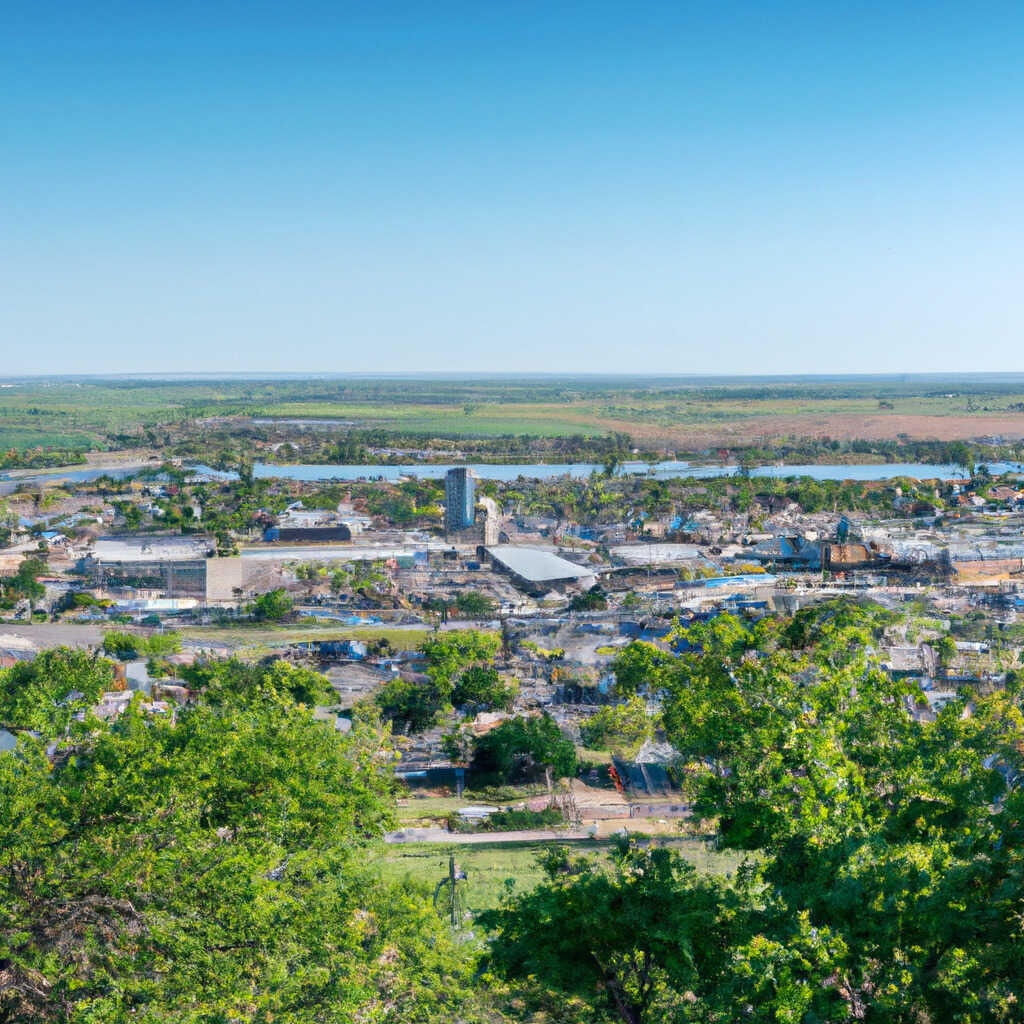
Seminole is the county seat of Seminole County in central Oklahoma, home to approximately 7,500 residents. The city carries a strong identity rooted in the early-twentieth-century oil boom that transformed the region, and it remains a quiet, family-friendly community that doubles as a service hub for the surrounding agricultural and oil-producing countryside. It sits about 65 miles southeast of Oklahoma City and roughly 90 miles southwest of Tulsa, making it a convenient base for travelers exploring the Cross Timbers ecoregion and the chain of small reservoirs and woodlands that dot central Oklahoma.
The Jasmine Moran Children's Museum is one of the city's standout family attractions, offering hands-on exhibits designed for younger visitors and drawing day-trippers from across the region. The museum sits a short drive from downtown Seminole and provides a welcome indoor option that pairs naturally with the area's outdoor offerings. It has long been considered one of the more distinctive stops of its kind in central Oklahoma.
The Seminole Nation Museum preserves the history and heritage of the Seminole Nation of Oklahoma, with exhibits on tribal history, art, and the forced relocations that shaped the tribe's presence in the state. Located within the city, it offers a thoughtful and well-curated stop for visitors interested in Native American history and in the broader story of Oklahoma's tribal nations. The museum is paired with the tribe's nearby cultural sites, which together form a meaningful thread of Indigenous heritage through the area.
Just outside town, the surrounding countryside offers a mix of rolling woodlands, pasture, and small reservoirs typical of the Cross Timbers region. The area's rural character, combined with quick highway access to larger cities, makes Seminole a low-key stop for travelers seeking a slower pace without venturing far from central Oklahoma's main corridors. Day trips to nearby towns and lake country are well within reach for visitors using Seminole as a home base.
Seminole's combination of small-town character, oil-patch heritage, and central location makes it a thoughtful base for short-term rentals that target families, history-minded visitors, and travelers passing through between Oklahoma City and the lake country of eastern Oklahoma. With its museum offerings, regional outdoor recreation, and easy access along the region's main highways, the city appeals to guests who want an authentic slice of small-town Oklahoma without sacrificing convenience.
Want to know if a property in Seminole is a good investment?
Enter an address to get instant revenue potential and comps.