
Ponca City, Oklahoma
Want to see how Ponca City compares to other top cities in Oklahoma? Explore all city regulations in Oklahoma. →
Ponca City, OK
Challenging To Investors
STR Regulations for Ponca City, Oklahoma
STR Regulations Guide for Ponca City, OK
Overview: Are Short-Term Rentals Allowed?
Short-term rentals ARE explicitly allowed in Ponca City, OK, but only in the form of licensed Bed and Breakfast operations. The city's zoning ordinance specifically regulates "Bed and Breakfast Homes" as a permitted accessory use in residential districts, subject to special use permits and strict operational requirements.
How to Start a Short-Term Rental Business
To establish a short-term rental in Ponca City, you must operate as a Bed and Breakfast Home according to the following process:
- Property Requirements: Use a residential dwelling where the host family resides as owner(s) and residents
- Special Use Permit: Obtain a special use permit from the city (permits expire if ownership/residency changes)
- Site Plan: Submit a detailed site plan showing principal/accessory structures, guest rooms, parking, and signage
- Code Compliance: Meet all building, electrical, plumbing, fire, and health codes
- Host Family Operations: Ensure the host family provides services and oversees operations
Required Documents, Permits, and Licenses
Mandatory Requirements:
- Special Use Permit from City Commission (Section 11-17-4)
- Building Permit for any structural modifications
- Site Plan meeting requirements of Section 11-17-3
- Off-Street Parking Plan (one space per guest bedroom)
Operational Licenses/Certifications:
- Building, electrical, plumbing, fire, and health code approvals
- Signage approval (non-illuminated, max 4 sq ft)
- Any state-required licenses for lodging operations
Required Documentation:
- Ownership/residency verification
- Host family employment disclosure
- Guest bedroom location specifications
- Parking arrangement details
- Signage specifications (color, text, location)
Specific Regulations for Short-Term Rentals
Operational Limits:
- Maximum 5 guest bedrooms
- Maximum 10 overnight guests at one time
- Host family must reside on premises
- Only morning breakfast meal permitted
- No cooking in guest bedrooms
- No signage using words "hotel" or "motel"
Appearance Standards:
- Building must maintain single-family dwelling appearance
- Yard, drive, and street appearance must not detract from neighborhood character
- Site must remain residential in character
Parking Requirements:
- One off-street parking space per guest bedroom required
- Planning Commission may waive additional parking if sufficient neighborhood parking exists
Signage Regulations:
- One non-illuminated sign maximum
- Maximum 4 square feet in area
- Color, text, and location must be specified in permit application
- No "hotel" or "motel" terminology allowed
Use Classification:
- Classified as Accessory Use under Section 11-5-1B3
- Requires Special Use Permit rather than permitted-by-right status
- Subject to Site Plan Review requirements
Contact Information for Local Authority
Primary Contact - Planning Department:
- Department: Planning and Community Development
- Office: Building Official or authorized representative
- Zoning Ordinance Reference: Title 11, Chapter 5, Section 11-5-1B3
Administrative Process:
- Special Use Permit Application: Submit to Planning Commission
- Technical Review: Technical Review Committee (TRC) reviews proposals
- Final Approval: City Commission approval required
- Variance Requests: Board of Adjustment handles variance requests
City Departments Involved:
- Building Inspection and Code Enforcement Division
- Planning Division - Department of Planning and Community Development
- City Commission (for permit approval)
- Board of Adjustment (for variances/special exceptions)
Source Documentation
Primary Zoning Ordinance:
- URL: www.poncacityok.gov/DocumentCenter/View/14934/Development-Serv-Zoning-Ordinance
- Document Title: Title 11 Zoning Regulations
- Relevant Sections:
- Chapter 5, Section 11-5-1B3 (Bed and Breakfast Homes)
- Chapter 17 (Special Use Permits and Procedures)
- Chapter 2, Section 11-2-2 (Definitions)
Important Notes for STR Investors
- Limited STR Model: Only Bed and Breakfast operations are permitted - no traditional Airbnb/Vacation Rental model appears to be explicitly addressed in the current ordinance
- Residential Focus: Operations must maintain residential character and cannot operate as commercial lodging facilities
- Owner-Resident Requirement: Host family must both own and reside in the property
- Permit Dependency: All rights expire if property ownership/residency changes
- Neighborhood Impact: Operations must not negatively impact surrounding residential areas
This regulatory framework suggests a conservative approach to short-term rentals, prioritizing residential neighborhood stability over commercial vacation rental operations.
What do Airbnb hosts actually earn in Ponca City?
Ponca City hosts earn a median $21,154/year with $110 ADR and 72% occupancy.
Top performers pull in $28,644+ per year.
See the full Ponca City market breakdownNext step
Found a property in Ponca City?
Paste any address and get estimated revenue, cash-on-cash return, and comparable STR performance in under 5 minutes. 3 free analyses per day.
Free brief
Get the free Ponca City STR Investment Brief
Revenue data, top neighborhoods, seasonal trends, and the key regulations for Ponca City, Oklahoma in one email.
Ponca City
Market Saturation Score
Photos of Ponca City


Overview of Ponca City
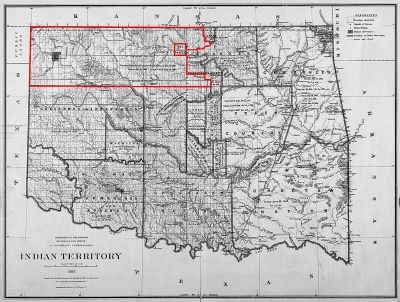
Ponca City is a mid-sized community in Kay County in north-central Oklahoma, with a population of roughly 24,000 residents. It sits along the Arkansas River and carries the feel of a quiet, oil-and-pasture town rooted in twentieth-century industrial wealth and Plains Indian history. The city is best known as the former headquarters of Marland Oil and as a gateway to Kaw Lake and the surrounding prairie and river landscapes. It lies approximately one hundred miles south of Wichita, Kansas, and roughly ninety-five miles north of Oklahoma City, placing it within easy driving range of both metropolitan areas.
The most prominent landmark in Ponca City is the Marland Estate Mansion, a fifty-five-room Italian Renaissance-style home built in the 1920s by oil baron E.W. Marland, who later served as Oklahoma's tenth governor. The estate is open for tours and is regarded as one of the most opulent historic homes in the state. Just minutes from the mansion, the former Marland refinery site now houses the Marland Oil Museum, which preserves artifacts and exhibits from the early days of the Oklahoma oil boom. Together, these two sites anchor the city's identity as a center of petroleum heritage.
Outdoors, Kaw Lake is one of the region's biggest draws, sitting about fifteen miles east of town. The U.S. Army Corps of Engineers reservoir covers more than seventeen thousand acres and offers fishing, boating, swimming, and shoreline camping, making it a popular warm-weather destination for visitors across the central plains. Closer to town, Lake Ponca provides more accessible recreation, with walking trails, disc golf, and a small beach within the city limits.
Cultural and historical visitors will also find the Standing Bear Museum and Education Center in Ponca City, which honors the Ponca chief whose landmark 1879 court case affirmed Native Americans' right of habeas corpus. The museum sits within the tribal complex north of downtown and hosts exhibits on Plains Indian art, history, and culture. The nearby Pioneer Woman statue, a bronze work by sculptor Bryant Baker, is another recognizable local landmark commemorating the women who settled the Oklahoma frontier.
Ponca City offers short-term rental owners a distinctive niche: a small, story-rich Oklahoma town with a strong historic core, close access to a sizable Corps of Engineers lake, and positioning roughly halfway between the Wichita and Oklahoma City markets. Its combination of preserved oil-era architecture, Native heritage, and outdoor recreation gives the area year-round appeal for travelers seeking something off the typical tourist trail.
Want to know if a property in Ponca City is a good investment?
Enter an address to get instant revenue potential and comps.