
Troy, Ohio
Want to see how Troy compares to other top cities in Ohio? Explore all city regulations in Ohio. →
Troy, OH
Generally Investor Friendly
STR Regulations for Troy, Ohio
Executive Summary: Are Short-Term Rentals Allowed in Troy, OH?
Yes, short-term rentals are currently allowed in Troy, Ohio. However, the city is in a transitional regulatory phase. As of the most recent available information, Troy does not have specific short-term rental ordinances in place but is actively researching potential regulations. The city currently applies its existing zoning framework and tax obligations to STR operations.
This guide provides investors with current regulatory requirements, compliance obligations, and contact information for navigating Troy's evolving STR landscape.
What do Airbnb hosts actually earn in Troy?
Troy hosts earn a median $29,504/year with $139 ADR and 66% occupancy.
Top performers pull in $36,475+ per year.
See the full Troy market breakdownStarting a Short-Term Rental Business in Troy
Initial Steps for STR Operators
-
Property Due Diligence
- Verify zoning compliance for your specific property
- Confirm property insurance covers STR operations
- Review homeowners association restrictions (if applicable)
- Assess neighborhood compatibility
-
Tax Registration
- Register for Troy's Hotel/Motel Transient Occupancy Tax (3% rate)
- Obtain necessary tax remittance forms from the city
- Establish monthly remittance procedures
-
Business Structure
- Choose appropriate business entity structure
- Obtain federal EIN if operating as business
- Maintain detailed financial records for tax compliance
Required Documents, Permits, and Licenses
Current Requirements (As of Latest Available Information)
Municipal Tax Registration:
- Hotel/Motel Transient Occupancy Tax registration
- Monthly tax remittance forms (Form available at city offices)
Potential Future Requirements: Based on neighboring communities' approaches, Troy may implement:
- Zoning permits for STR operations
- Annual business licenses
- Safety inspections
- Maximum stay limitations
- Occupancy restrictions
Recommended Documentation
Business Operations:
- Proof of property ownership or lease agreement
- Business liability insurance certificate
- Emergency contact information
- Guest safety procedures and house rules
Compliance Records:
- Guest registration logs
- Revenue and expense records
- Tax remittance documentation
- Property maintenance records
Zoning and Regulatory Framework
Current Zoning Status
Troy's zoning code provides the primary regulatory framework for STR operations. Key considerations include:
Permitted Use Analysis:
- Most residential districts allow traditional residential uses
- STRs may be considered accessory or principal residential uses
- Commercial zoning districts may have different requirements
Bed and Breakfast Provisions: The zoning code defines "Bed and Breakfast" as: "Overnight accommodations and a morning meal in a dwelling unit provided to transients for compensation."
This suggests that traditional B&Bs are recognized uses, but commercial STRs may require different zoning considerations.
Future Regulatory Considerations
Based on regional trends and Troy's research activities, potential regulations may include:
- Owner-occupancy requirements
- Maximum rental duration limits
- Density restrictions (distance between STRs)
- Parking and noise regulations
- Safety and accessibility standards
State-Level Regulations (Ohio)
Ohio Short-Term Rental Laws
State Tax Obligations:
- Ohio Transient Accommodations Tax (6.5% statewide)
- Local hotel/motel taxes (varies by jurisdiction)
- Sales tax on STR services
State Licensing Requirements:
- No statewide STR licensing mandate currently in place
- Local municipalities retain regulatory authority
- Health and safety standards apply per Ohio Building Code
Legislative Environment
Ohio has considered but not passed comprehensive STR regulation legislation. House Bill 563, which would have prohibited cities from banning STRs, died in committee, preserving local control over STR regulation.
Contact Information for Local Authorities
Primary Municipal Contacts
City Hall - Utility Billing & Collection (Tax Administration)
- Address: 100 S. Market St., Troy, OH 45373
- Phone: 937-335-4151
- Fax: 937-440-1352
- Email: utility.billing@troyohio.gov
- Contact Person: Veronica Showalter, Fiscal Manager
- Email: Veronica.Showalter@troyohio.gov
Main Municipal Contact
- Address: 100 S Market, Troy, Ohio 45373
- Phone: 937-335-1725
Mailing Address:
- City of Troy
- 100 S. Market St.
- Troy, OH 45373
Planning and Zoning Contacts
Zoning Administration For zoning compliance questions and future STR permitting:
- Contact through City Hall main number: 937-335-1725
- Planning Commission through municipal offices
Source References
Primary Regulatory Sources
-
Troy Hotel/Motel Tax Information
- www.troyohio.gov/487/Hotel-Motel-Transient-Occupancy-Tax
- City ordinance Chapter 703, originally enacted June 6, 1988
-
Troy Zoning Code
- troyohio.gov/DocumentCenter/View/112
- Updated May 20, 2024
- Comprehensive zoning regulations and definitions
-
Regional STR Regulation Analysis
- www.daytondailynews.com/local/cities-weigh-regulating-airbnbs-short-term-rentals-some-ban-them-some-ignore/ORDHWLEPNZCHXBRHSZID4EGE2A/
- Article dated March 7, 2023
- Details Troy's regulatory research status
Compliance Strategy for STR Investors
Immediate Compliance Actions
- Tax Registration: Register with Troy's tax collection office immediately
- Zoning Verification: Confirm your property's zoning allows STR operations
- Insurance Review: Ensure adequate liability coverage for STR activities
- Record Keeping: Implement comprehensive documentation systems
Monitoring Regulatory Development
Stay Informed Through:
- Regular contact with City Hall (937-335-1725)
- Monitor city council meeting agendas and minutes
- Subscribe to city notifications and updates
- Engage with local planning and development departments
Prepare for Potential Changes:
- Budget for permit and license fees
- Plan for inspection requirements
- Consider owner-occupancy business models
- Develop noise and parking management plans
Investment Recommendations
Risk Mitigation
- Regulatory Uncertainty: Budget for potential compliance costs
- Tax Obligations: Factor 3% city tax plus Ohio's 6.5% into pricing
- Market Competition: Monitor neighboring cities' regulatory approaches
- Community Relations: Maintain positive neighbor relationships
Opportunity Assessment
Positive Factors:
- Growing regional tourism market
- No current STR ban or moratorium
- Reasonable tax rates compared to some neighboring communities
- Proximity to Dayton metropolitan area
Considerations:
- Potential for future restrictive regulations
- Competition from traditional hospitality sector
- Community acceptance of STR operations
Conclusion
Troy, Ohio currently allows short-term rental operations with basic tax compliance requirements. However, the regulatory landscape is evolving, with the city actively researching potential comprehensive STR regulations. Investors should begin operations with full tax compliance while preparing for potential future permitting and operational requirements.
The key to successful STR investment in Troy is proactive compliance with current obligations while maintaining flexibility to adapt to evolving regulations. Regular communication with municipal authorities and careful monitoring of regulatory developments will be essential for long-term success.
Next step
Found a property in Troy?
Paste any address and get estimated revenue, cash-on-cash return, and comparable STR performance in under 5 minutes. 3 free analyses per day.
Free brief
Get the free Troy STR Investment Brief
Revenue data, top neighborhoods, seasonal trends, and the key regulations for Troy, Ohio in one email.
Troy
Market Saturation Score
Photos of Troy


Overview of Troy
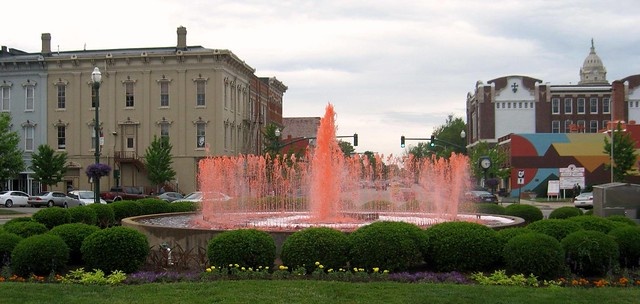
Troy is a small city in western Ohio and serves as the county seat of Miami County. With a population of roughly 25,000, it has the feel of a classic Midwestern county seat: a compact historic downtown, tree-lined residential streets, and a skyline shaped more by church steeples and old brick commercial buildings than by any high-rises. The city sits in a region of gently rolling farmland threaded by the Great Miami River, and it functions as a quiet home base for visitors exploring the wider Dayton region, about 20 miles to the south. Long associated with manufacturing and agriculture, Troy is perhaps best known regionally for the annual Troy Strawberry Festival, a late-spring event that draws sizable crowds to the downtown and surrounding streets.
Just steps from the city's central square, the Troy-Hayner Cultural Center occupies a striking early-twentieth-century mansion donated to the community by Mary Jane Hayner, and it operates today as a multi-disciplinary arts and cultural venue with rotating art exhibits, concerts, classes, and a small museum of local history. For travelers, it offers an easy, walkable cultural stop in the heart of the city, free to enter and surrounded by the cafes and storefronts of downtown Troy. The adjacent Great Miami River corridor adds a layer of outdoor appeal, with parks, walking paths, and paddling stretches accessible within minutes of the square, and the broader Miami Riverway links Troy to neighboring towns such as Piqua and Tipp City.
Roughly 20 to 25 minutes south of Troy, the Dayton area anchors a cluster of nationally significant historical attractions. The Dayton Aviation Heritage National Historical Park preserves sites tied to the Wright brothers and Paul Laurence Dunbar, including Huffman Prairie and the Wright-Dunbar Interpretive Center, and it pairs naturally with a stop at the National Museum of the United States Air Force near Wright-Patterson Air Force Base, one of the largest aviation museums in the country and a free, day-long draw for families. Together, these stops turn a short drive from Troy into a meaningful sightseeing loop without requiring an overnight in a larger city.
For short-term-rental investors and travelers, Troy's appeal lies in this balance. The city itself is calm, walkable, and full of small-town character, with a strong sense of local identity during strawberry season and steady year-round demand from business travelers tied to the area's manufacturing and logistics employers. At the same time, its proximity to Dayton's museums, Wright-Patterson connections, and the chain of small historic river towns along the Great Miami gives guests a wide range of day-trip options, all within roughly half an hour. That combination of small-city comfort, regional accessibility, and reliable event-driven visitation is what makes Troy a quietly compelling base in the Miami Valley.
Want to know if a property in Troy is a good investment?
Enter an address to get instant revenue potential and comps.