
Reynoldsburg, Ohio
Want to see how Reynoldsburg compares to other top cities in Ohio? Explore all city regulations in Ohio. →
Reynoldsburg, OH
Generally Investor Friendly
STR Regulations for Reynoldsburg, Ohio
Overview: Are Short-Term Rentals Allowed in Reynoldsburg, OH?
Yes, short-term rentals are allowed in Reynoldsburg, Ohio. The city does not currently have specific laws regulating short-term rentals, which means hosts can operate STRs under the existing framework of standard housing and rental laws. This regulatory environment presents both opportunities and challenges for investors, as the absence of specific STR ordinances provides operational flexibility but requires careful compliance with broader housing and tax regulations.
What do Airbnb hosts actually earn in Reynoldsburg?
Reynoldsburg hosts earn a median $32,122/year with $183 ADR and 69% occupancy.
Top performers pull in $50,702+ per year.
See the full Reynoldsburg market breakdownHow to Start a Short-Term Rental Business in Reynoldsburg
Step 1: Property Selection and Due Diligence
- Select a property in a residential zone (verify zoning compliance with city planning)
- Consider proximity to Columbus (approximately 15-20 minutes) which provides a consistent demand base
- Evaluate property characteristics that appeal to both leisure and business travelers
- Research neighborhood dynamics and potential noise issues with neighbors
Step 2: Legal Structure and Tax Registration
- Register for an Ohio sales tax account with the Ohio Department of Taxation
- Obtain any necessary business licenses required for your specific business structure
- Consider forming an LLC or other business entity for liability protection
- Set up systems for collecting and remitting the 5.75% state sales tax plus any local taxes
Step 3: Property Preparation
- Ensure the property meets all safety standards including smoke detectors, carbon monoxide detectors, and fire extinguishers
- Obtain necessary permits for any renovations or modifications
- Install security measures appropriate for STR operations
- Furnish and equip the property according to market demands (high-speed WiFi, fully equipped kitchens, dedicated workspaces for business travelers)
Step 4: Operations Setup
- Choose your hosting platform(s) - Airbnb, VRBO, or direct booking
- Develop pricing strategies that account for Reynoldsburg's market seasonality
- Establish cleaning and maintenance protocols
- Create guest communication systems and house rules
- Consider professional property management services (several operate in the Reynoldsburg market)
Required Documents, Permits, Licenses, and Guidelines
City-Level Requirements
Rental Property Registration: Ordinance 28-2021 established Chapter 1397 Rental Property Registration, requiring registration of residential rental housing within city boundaries. While this was designed for traditional rentals, STR operators should verify if this applies to their operations.
Required Documents:
- Completed rental property registration (if applicable)
- Proof of property ownership or lease agreement
- Current liability insurance documentation
- Property inspection reports confirming safety compliance
- Floor plans and occupancy documentation
State-Level Requirements (Ohio)
Sales Tax Registration: Mandatory registration with the Ohio Department of Taxation to collect and remit the 5.75% state sales tax on all STR bookings.
Required Documents:
- Ohio sales tax permit/certificate
- Regular sales tax returns (typically monthly or quarterly)
- Records of all rental income and tax collections
- Business registration documents
Building and Safety Permits
Permits Required for Property Modifications:
- Building permits for any structural changes
- Electrical permits for new installations
- Plumbing permits if modifying water/waste systems
- Zoning compliance verification for STR use
Safety Standards to Maintain:
- Working smoke detectors on each level
- Carbon monoxide detectors near sleeping areas
- Fire extinguishers (appropriate type and size)
- Emergency contact information posted
- Clear evacuation routes and procedures
Specific Regulations: City, County, and State Level
City of Reynoldsburg Regulations
Current Status: No specific short-term rental ordinances as of the latest available information. STRs operate under:
- General housing and rental property laws
- Standard zoning requirements for residential properties
- Building and safety codes
- Noise ordinances and nuisance regulations
- Parking regulations
Key City Ordinances Affecting Rental Properties:
- Chapter 1397: Rental Property Registration requirements
- Chapter 701: Landlord-Tenant Relationships
- Standard municipal code enforcement for property maintenance, noise, and nuisance issues
County Level (Franklin County and Licking County)
Reynoldsburg spans both Franklin and Licking counties. County-level regulations may include:
- Property maintenance codes
- Health department requirements
- Building code enforcement
- Waste management regulations
State of Ohio Requirements
Sales and Use Tax: 5.75% state sales tax on all short-term rental charges, collected by the host and remitted to the Ohio Department of Taxation.
Transient Occupancy Tax: While not specifically mentioned in the sources, many Ohio localities impose additional local hotel/motel taxes. Hosts should verify if Reynoldsburg or the relevant county imposes additional transient occupancy taxes.
Safety and Building Codes: All properties must comply with Ohio Residential Building Code requirements, including:
- Smoke detector installation and maintenance
- Carbon monoxide detector requirements
- Exit and emergency egress standards
Insurance Requirements: While not specifically mandated for STRs, adequate liability insurance is strongly recommended and may be required by lending institutions or property management companies.
Contact Information for Local Authority
City of Reynoldsburg
Primary Contact:
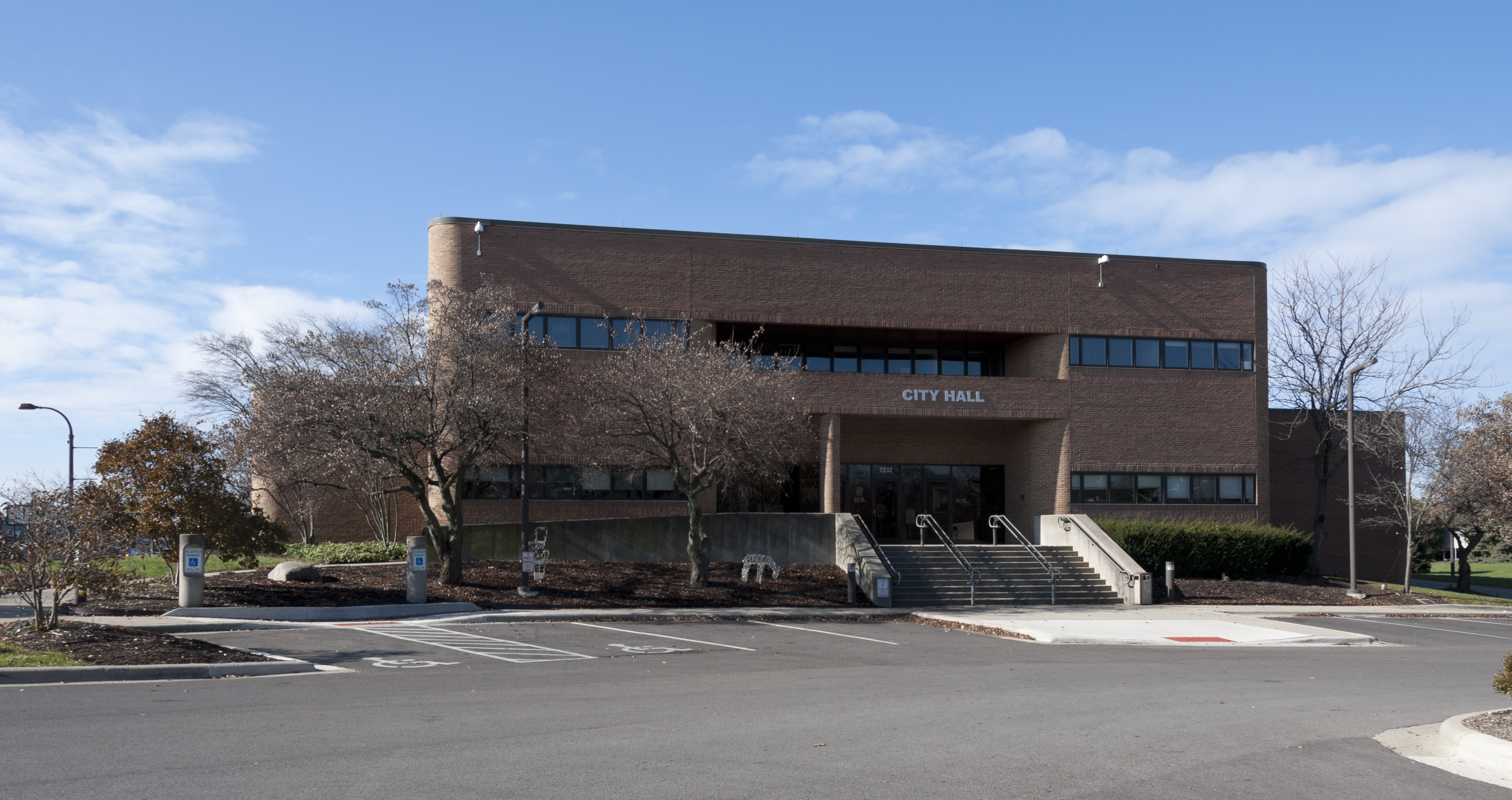
- Address: 7232 E Main Street, Reynoldsburg, Ohio 43068
- Phone: 614-322-6800
- Website: www.reynoldsburg.gov
Department Contacts:
- Building Department: For permits and inspections (contact through main number)
- Code Enforcement: For property standards and nuisance issues
- City Council: For policy questions (meets 2nd and 4th Mondays at 6:30 PM)
Staff Directory: Available at reynoldsburg.gov/directory.aspx for specific department contacts
Ohio Department of Taxation
- Website: tax.ohio.gov
- Phone: Contact through state website for sales tax inquiries
- For sales tax registration and remittance questions
County Contacts
Franklin County (for properties in Franklin County portion):
- Franklin County Public Health: For health and safety inspections
- Franklin County Building Department: For building code compliance
Licking County (for properties in Licking County portion):
- Licking County Health Department: For health and safety requirements
- Licking County Building Department: For building code compliance
Important Considerations for STR Investors
Market Dynamics
Reynoldsburg benefits from proximity to Columbus, providing consistent demand from business travelers and tourists. The city experiences seasonal variations with peak demand during summer months and the annual Tomato Festival in September. The "Birthplace of the Tomato" branding creates opportunities for themed marketing and local attraction tie-ins.
Community Relations
Given the lack of specific STR ordinances, maintaining positive relationships with neighbors and the community is crucial. Consider implementing voluntary guidelines such as:
- Quiet hours enforcement
- Parking management
- Guest count limitations
- Professional property management if residing off-site
HOA and Neighborhood Restrictions
If the property is part of a homeowners' association or planned community, additional restrictions may apply. Review all covenants, conditions, and restrictions (CC&Rs) before purchasing or operating an STR in such communities.
Future Regulatory Monitoring
While Reynoldsburg currently lacks specific STR regulations, the city's proximity to Columbus (which is actively considering new STR rules) suggests monitoring city council activities for potential future regulations that might affect STR operations.
Links to Source Pages
- Vacation Rental Management in Reynoldsburg, Ohio - Summer
- Columbus considers new short-term rental rules - Reddit Discussion
- City of Reynoldsburg - 2021 Legislation Archive
This guide is based on available information as of the latest sources provided. Regulations can change, and investors should verify current requirements with local authorities before making investment decisions.
Next step
Found a property in Reynoldsburg?
Paste any address and get estimated revenue, cash-on-cash return, and comparable STR performance in under 5 minutes. 3 free analyses per day.
Free brief
Get the free Reynoldsburg STR Investment Brief
Revenue data, top neighborhoods, seasonal trends, and the key regulations for Reynoldsburg, Ohio in one email.
Reynoldsburg
Market Saturation Score
Photos of Reynoldsburg

Overview of Reynoldsburg
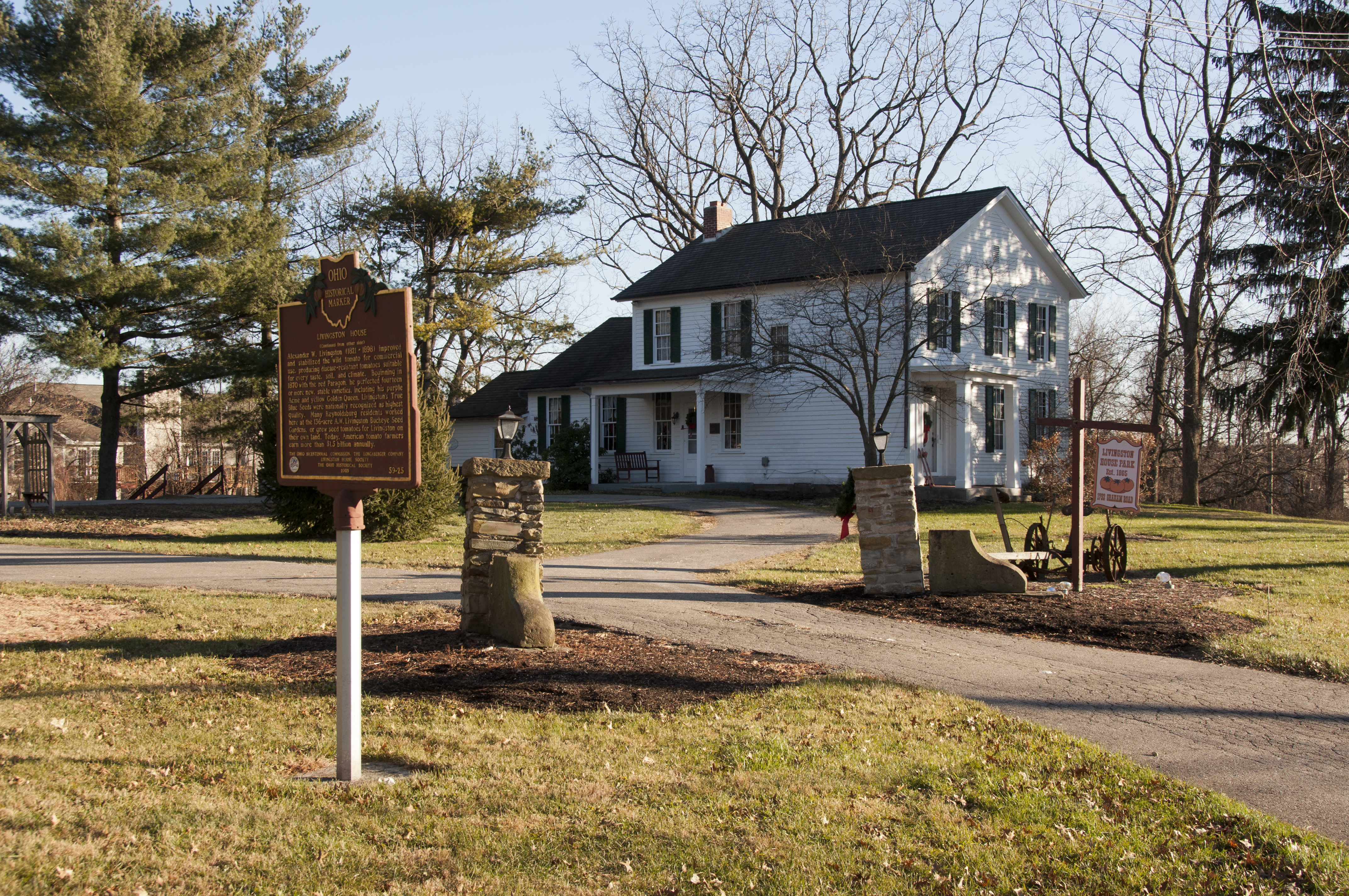
Reynoldsburg is a suburb in central Ohio located primarily in Franklin County, with portions spilling into neighboring Licking and Fairfield counties. With a population of approximately 38,000 residents, it is one of the larger eastern suburbs of the Columbus metropolitan area and is best known as the "Birthplace of the Tomato," a distinction tied to a local grower who helped popularize the tomato as a commercial crop in the late nineteenth century. The city has a quiet, family-friendly character with a mix of residential neighborhoods, small parks, and locally owned businesses, and it sits roughly ten miles east of downtown Columbus, making it a convenient base for travelers who want suburban calm alongside easy access to the state's capital.
Just minutes from the city, Blacklick Woods Metro Park offers more than two thousand acres of forest, meadows, and wetlands managed by the Columbus and Franklin County Metro Parks system. Visitors can explore miles of hiking trails, play a round at the adjacent Blacklick Woods Golf Course, or stop by the Blacklick Woods Nature Center to learn about regional wildlife and ecology. It is one of the closest natural escapes for Reynoldsburg residents and provides an easy way for visitors to experience central Ohio's outdoor character without venturing far from the city.
A short drive west of Reynoldsburg brings visitors to Easton Town Center, one of the largest open-air shopping, dining, and entertainment districts in the Midwest. Beyond national retailers and restaurants, Easton is known for its walkable layout, outdoor seating, and seasonal events, and it serves as a regional draw that anchors the northeast Columbus experience. Its proximity makes Reynoldsburg a practical overnight option for shoppers, business travelers, and visitors attending events at nearby venues.
Roughly twenty-five to thirty minutes northwest of Reynoldsburg lies the Columbus Zoo and Aquarium, one of the most-visited zoos in the country and home to thousands of animals across themed regions. The surrounding Zoombezi Bay water park and the adjacent Powell-area dining scene make it a popular full-day destination, and the combination of a nationally recognized attraction with a relatively short drive adds appeal for family-oriented guests who might choose a Reynoldsburg rental over pricier downtown options.
Reynoldsburg's appeal as a short-term rental market comes from its balance of affordability, suburban comfort, and proximity to a deep bench of central Ohio attractions. Travelers benefit from a quieter residential setting, easy highway access to downtown Columbus and John Glenn Columbus International Airport, and a string of nearby parks, shopping centers, and family-friendly destinations. For owners, the city offers a stable residential base within a high-demand regional tourism market, supported by steady year-round travel rather than reliance on a single seasonal peak.
Want to know if a property in Reynoldsburg is a good investment?
Enter an address to get instant revenue potential and comps.