
Cooperstown, New York
Want to see how Cooperstown compares to other top cities in New York? Explore all city regulations in New York. →
Cooperstown, NY
Generally Investor Friendly
STR Regulations for Cooperstown, New York
Overview: Are Short-Term Rentals Allowed in Cooperstown, NY?
Explicit Answer: Yes, short-term rentals (STRs) are allowed in Cooperstown, NY, but they are heavily regulated. Cooperstown, a tourism-dependent village in Otsego County, has a complex regulatory framework designed to balance the economic benefits of STRs with the preservation of long-term housing for residents. The village explicitly permits STRs in its Residential Conservation (R1), Business, and Commercial districts, but with strict requirements. Key restrictions include mandatory owner-occupancy for new STRs in residential zones, annual inspections, special use permits, and occupancy limits. An important exception exists for Hall of Fame Induction Weekend, where owners may rent their homes without a permit or fee but must adhere to occupancy limits. The regulations aim to ensure STRs remain "incidental" to long-term residential use, with enforcement mechanisms for non-compliance. This approach reflects Cooperstown's status as a "STR-friendly" destination within a restrictive state and local regulatory landscape.
How to Start a Short-Term Rental Business in Cooperstown, NY
Starting an STR in Cooperstown requires careful navigation of local, county, and state regulations. The following steps outline the process:
-
Property Selection and Eligibility Assessment:
- Zoning Compliance: Verify the property's zoning district. STRs are permitted in R1 (residential), Business, and Commercial districts but have different requirements. New STRs in R1 zones require owner-occupancy.
- Grandfathered Properties: Investigate if the property operated as an STR before the 2018 regulation changes, as it may have different privileges as a "preexisting nonconforming use."
- Overlay Districts: Check if the property is in a Historic and Architectural Control Overlay or Waterfront Development Overlay, as these add additional permitting requirements (e.g., Certificate of Appropriateness).
-
Acquiring the Necessary Permits:
- Special Use Permit (SUP): This is the primary permit for all new STRs. It is reviewed and granted by the Zoning Board of Appeals (ZBA).
- Zoning Permit: Apply for a standard zoning permit from the Zoning Enforcement Officer (ZEO) as part of the SUP application process.
-
Undergoing Required Inspections:
- Fire Safety Inspection: A certificate must be obtained from the Otsego County Codes Office before the initial registration can be issued.
- Village Site Inspection: The ZEO must conduct a favorable site inspection after the SUP is granted to complete the initial registration.
-
Registration and Annual Renewal:
- Initial Registration: Issued by the ZEO following the granting of the SUP, issuance of the fire safety certificate, and a favorable site inspection. This initial registration is valid only for the remainder of the first calendar year.
- Annual Registration: All STRs must renew their registration annually by the first business day of December. This requires a new inspection, updated documentation (including a current fire safety certificate), and proof of compliance with county bed tax.
-
Ongoing Operations and Compliance:
- Owner-Occupancy: For new STRs in R1 zones, the owner must reside at the property as their domicile and be present during rental periods.
- Tax Collection: Ensure compliance with local and state tax requirements, including the Otsego County bed tax and upcoming NYS sales tax obligations (effective March 2025).
- House Rules and Neighbor Relations: Develop and enforce written house rules to minimize nuisances (noise, parking) and maintain positive community relations.
Required Documents, Permits, Licenses, and Guidelines
To operate legally, STR operators in Cooperstown must maintain a comprehensive package of documents:
-
Permits:
- Special Use Permit (SUP): Granted by the Zoning Board of Appeals (ZBA). Valid for the current calendar year plus two additional years.
- Zoning Permit: Issued by the Zoning Enforcement Officer (ZEO) as part of the SUP application.
-
Registrations:
- Initial STR Registration: Issued by the ZEO after permit approval and inspections. Valid from approval until December 31st of that year.
- Annual STR Registration: Must be renewed each year by December 1st. Requires a new application, inspection, and compliance verification.
-
Inspections and Safety Certificates:
- Fire Safety Inspection Certificate: Issued by the Otsego County Codes Office. Must be dated within the past 12 months for registration renewals.
- Village Site Inspection: Conducted by the ZEO.
-
Plans and Documentation:
- Floor Plan: Identifying all sleeping rooms for the SUP application.
- Parking, Circulation, and Lighting Plan: Required for the SUP application to minimize impacts on the neighborhood.
- Emergency Contact List: Required for annual registration.
- Owner-Occupancy Evidence (if applicable): Documentation such as STAR exemption, state tax returns, voter registration, or driver's license.
-
Tax and Insurance:
- Proof of Compliance with Otsego County Bed Tax: Required for annual registration renewal.
- NYS Sales Tax Certificate: Required for tax collection under new state laws.
- Liability Insurance: Strongly recommended and often a best practice for investors.
Specific Regulations for Short-Term Rentals in Cooperstown, Otsego County, and New York State
Regulations for STRs are layered, with local rules being the most restrictive.
A. Village of Cooperstown (Local) Regulations:
- Allowed Districts: Residential Conservation (R1), Business (B), and Commercial (C).
- R1 District (Residential): STRs are only permitted in Single-Family dwellings or attached accessory apartments. New STRs must be owner-occupied. The operator must be the owner or have a minimum 50% ownership interest and live on-site during rentals.
- Business and Commercial Districts: STRs are permitted in any building type. Owner-occupancy is not required; the operator can be the owner or a designated agent.
- Operator Duties: Must be a long-term occupant, present during the day and overnight when the property is rented, and monitor for nuisances.
- Occupancy Limits: Maximum of 10 people per parcel in residential districts. Floor plans must demonstrate that the operator has at least one bedroom for every two family members.
- Incidental Use: In residential zones, the STR use must be incidental to the primary residential use.
- Parking and Site Standards: Must adhere to off-street parking requirements (see Section 300-33). Plans must address access, maneuvering, and site lighting, which must be directed away from adjacent properties and extinguished after 11 PM.
- Termination Conditions: A permit becomes invalid if the owner fails to register annually, if ownership of more than 50% of the parcel is transferred, or if the SUP expires. Existing nonconforming units are also subject to termination for non-compliance.
- Key Exception - Hall of Fame Induction Weekend: Owners may rent their house for less than 60 hours during this weekend without an SUP or registration fee, but total occupancy cannot exceed 10 people.
B. Otsego County Regulations: The primary county-level requirement is the payment of the county hotel/motel tax. Proof of compliance with this tax is a mandatory condition for the annual renewal of the village STR registration. The county is also responsible for issuing fire safety inspection certificates, which are a prerequisite for registration.
C. New York State Regulations:
- NYS Multiple Dwellings Law: This state law prohibits rentals of less than 30 days in "Class A" multiple dwellings (e.g., apartment buildings) in New York City. Its applicability to Cooperstown is limited due to its small size and the village's own definitions, but it establishes a state-level perspective on STRs.
- Upcoming NYS Short-Term Rental Registry Law: A new state law (effective March 2025) requires a rental registry to be administered by counties. Information on stay dates, guests, and fees must be shared. Counties have a window (until approximately June 25, 2026) to opt out. This law will add a new layer of registration and tax reporting (including state sales tax) for STR operators. [Source: Broome County NY STR Regulation PDF]
Contact Information for Local Authority in Charge of STRs
For official information, applications, and compliance, contact the following authorities:
-
Village of Cooperstown Zoning Office (Permits & Registration):
- Phone: (607) 547-2411
- Email: zoning@cooperstownny.org
- Website: Village of Cooperstown Official Website
- Address: 22 Main Street, Cooperstown, NY 13326
-
Otsego County Codes Office (Fire Safety Inspections):
- Phone: (607) 547-4220
- Website: Otsego County Government Website
- Address: 197 Main Street, Cooperstown, NY 13326
-
New York State Department of State, Division of Local Government Services (State Guidance):
- Phone: (518) 473-3355
- Email: localgov@dos.ny.gov
- Website: NY DOS Local Government Services
Links to Source Pages
The analysis is based on the following provided documents and web pages:
- Village of Cooperstown STR Local Law (PDF)
- The Offer Sheet: Cooperstown NY STR Regulations Article
- NYS DOS Short-Term Rental Regulation Guide (PDF)
What do Airbnb hosts actually earn in Cooperstown?
Cooperstown hosts earn a median $39,735/year with $381 ADR and 56% occupancy.
Top performers pull in $54,592+ per year.
See the full Cooperstown market breakdownNext step
Found a property in Cooperstown?
Paste any address and get estimated revenue, cash-on-cash return, and comparable STR performance in under 5 minutes. 3 free analyses per day.
Free brief
Get the free Cooperstown STR Investment Brief
Revenue data, top neighborhoods, seasonal trends, and the key regulations for Cooperstown, New York in one email.
Cooperstown
Market Saturation Score
Photos of Cooperstown

Overview of Cooperstown
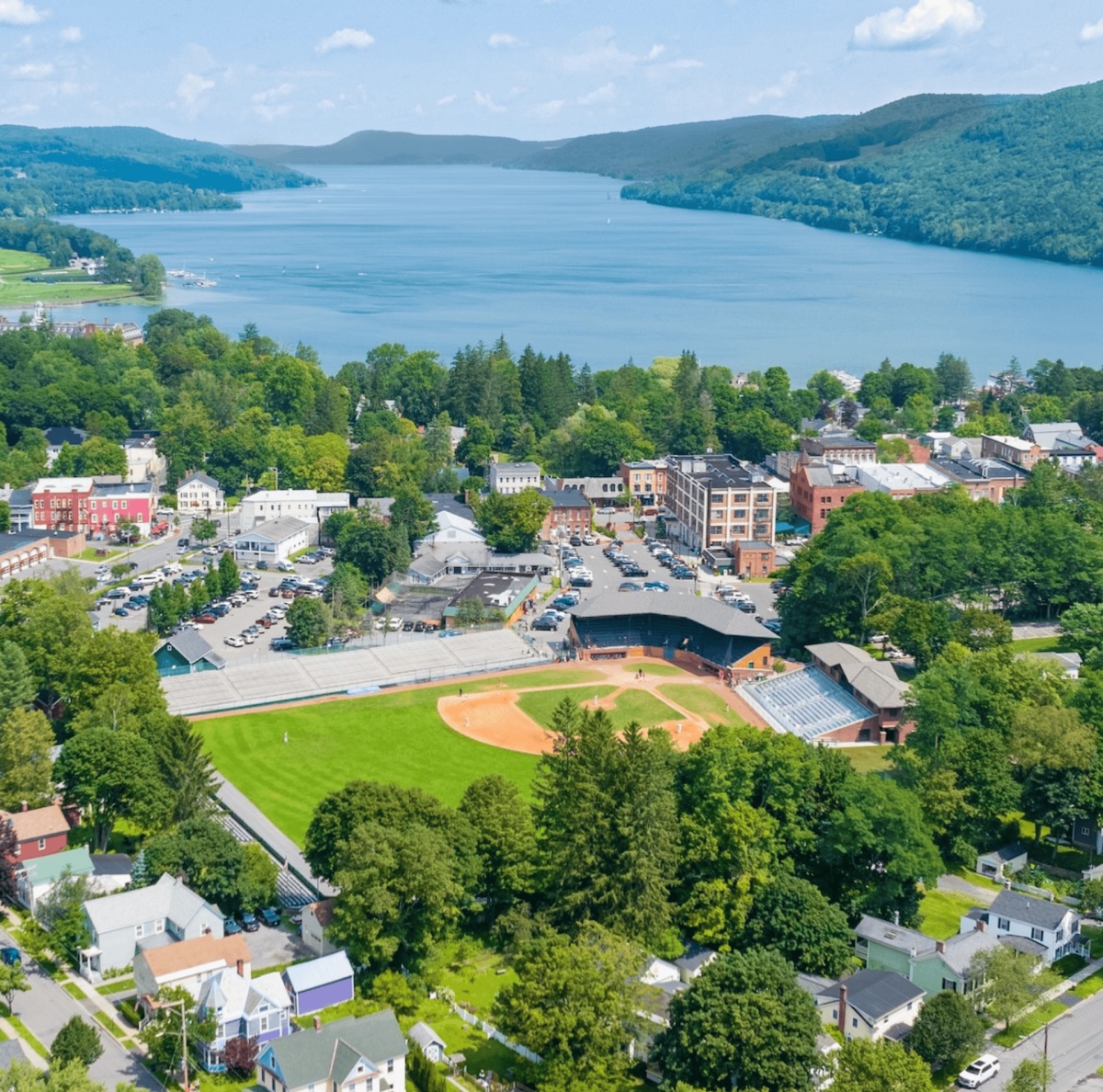
Cooperstown is a small, picturesque village in Otsego County in central New York State, with a population of roughly 1,800 residents. Set on the southern shore of beautiful Otsego Lake, it has a quiet, small-town character marked by tree-lined streets, 19th-century architecture, and a steady stream of visitors drawn by its cultural and recreational offerings. It is best known as the home of the National Baseball Hall of Fame, which has made it something of a pilgrimage site for sports fans, and it serves as a gateway to the rolling farmland, forests, and lake country of the Leatherstocking Region. Cooperstown sits approximately 60 miles west of Albany, the nearest major city, and is reached in roughly an hour and a half by car from that capital, with longer drives from New York City and Boston to the south and east.
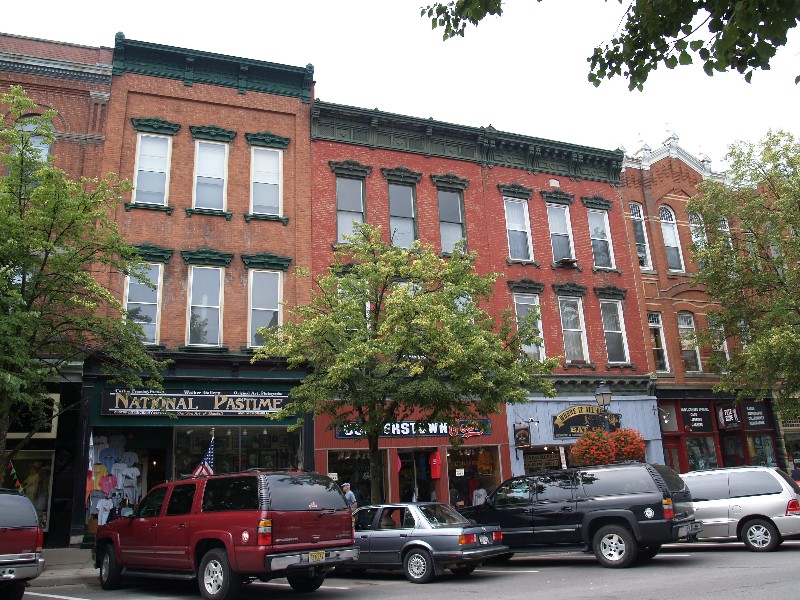
The marquee attraction is the National Baseball Hall of Fame, located right in the heart of the village just a short walk from Main Street. The museum preserves the history of the sport and inducts new members each year, drawing thousands of fans, families, and former players to the area, particularly around induction weekend. It anchors a baseball-themed streetscape of memorabilia shops, restaurants, and small stadiums that give the village much of its seasonal energy.
Just north of the village, Otsego Lake stretches roughly nine miles northward and provides the scenic backdrop that has inspired writers and travelers for centuries. Often called Glimmerglass after the novel by James Fenimore Cooper, who lived nearby and set several of his Leatherstocking Tales in the area, the lake is a focal point for swimming, fishing, and boating during the warmer months. A drive of just a few minutes from the village center brings visitors to the lakeshore, where public access points and parks are scattered along its edges.
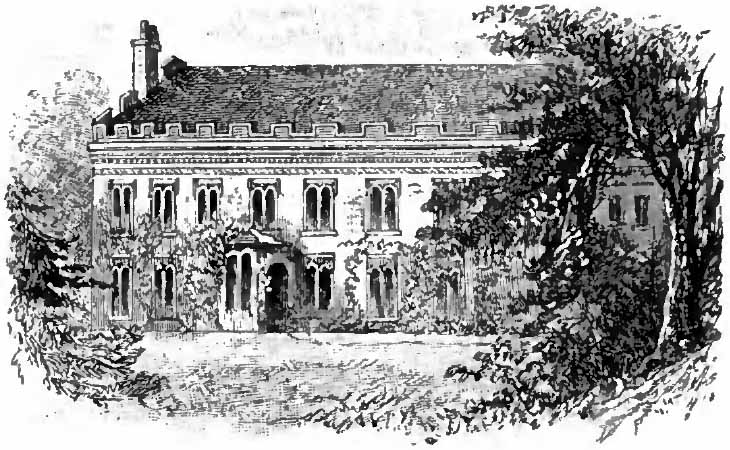
A short distance north of the village, Glimmerglass State Park sits along the lake's western shore, offering hiking trails, picnic areas, and a beach that are popular with families in summer. Nearby Hyde Hall, a sprawling 19th-century country mansion built for the Clark family, is also accessible from the park and adds a layer of architectural and historical interest for visitors who venture beyond the village core.
Within the village itself, the Fenimore Art Museum and The Farmers' Museum are complementary cultural stops. The Fenimore holds American folk and fine art, including a renowned collection of Native American art, while The Farmers' Museum recreates a 19th-century rural crossroads community with historic buildings, craft demonstrations, and a carousel, providing depth to a visit well beyond baseball alone.
Cooperstown's combination of a nationally recognized anchor attraction, a striking natural setting, a walkable historic downtown, and proximity to other small communities and state parks makes it a compelling base for short-term rentals. Visitors tend to arrive with a clear purpose but stay to explore the lake, the museums, and the surrounding countryside, giving property owners a market that runs from the high-energy summer baseball season through quieter fall foliage weekends and winter getaways.
Want to know if a property in Cooperstown is a good investment?
Enter an address to get instant revenue potential and comps.