
Buffalo, New York
Want to see how Buffalo compares to other top cities in New York? Explore all city regulations in New York. →
Buffalo, NY
Challenging To Investors
STR Regulations for Buffalo, New York
Overview: Are Short-Term Rentals Allowed in Buffalo, NY?
Yes, short-term rentals are explicitly allowed in Buffalo, NY. The City of Buffalo permits short-term rentals (defined as rentals lasting less than 6 months) subject to specific licensing requirements and zoning regulations. As of April 2025, the city has implemented a comprehensive regulatory framework that distinguishes between owner-occupied and non-owner-occupied properties, with significant restrictions on where non-owner-occupied rentals can operate.
What do Airbnb hosts actually earn in Buffalo?
Buffalo hosts earn a median $27,951/year with $181 ADR and 57% occupancy.
Top performers pull in $40,645+ per year.
See the full Buffalo market breakdownHow to Start a Short-Term Rental Business in Buffalo
Step 1: Zoning Verification and Pre-Application Planning
Before acquiring or listing any property, investors must verify zoning compliance. Buffalo's updated regulations significantly restrict non-owner-occupied STRs to commercial and mixed-use zones:
Permitted Zones for Non-Owner-Occupied STRs:
- N-2C (Commercial Neighborhood)
- N-2E (Elmwood Commercial)
- N-1D (Downtown Mixed-Use)
Prohibited Zones for Non-Owner-Occupied STRs:
- N-2R (Residential Neighborhood)
- N-3R (Residential Neighborhood)
- N-4-30 (Residential Neighborhood)
- N-4-50 (Residential Neighborhood)
Owner-occupied STRs maintain greater flexibility but still require proper licensing through the Department of Permits and Inspections.
Step 2: Property Acquisition Considerations
When selecting properties, investors should prioritize locations near major attractions such as Elmwood Avenue, Allen Street, Hertel Avenue, and downtown entertainment districts. These areas offer the highest revenue potential while complying with commercial zoning requirements for non-owner-occupied operations.
Step 3: Application Process Initiation
Contact the City of Buffalo Department of Permit and Inspection Services to begin the licensing process. The city has temporarily halted new applications in the past to update regulations, so staying current with municipal announcements is crucial.
Step 4: License Application Submission
Submit the Short-Term Rental Dwelling License Application to the Office of Licenses, located in Room 301 of City Hall. Each property requires its own separate license.
Required Documents, Permits, Licenses, and Guidelines
Mandatory Licensing Requirements
All short-term rental operators must obtain a Short-Term Rental License before listing their property. The application process includes:
For Owner-Occupied Properties:
- Initial Registration Fee: $150
- Annual Renewal Fee: $75
- Proof of owner residency (address matching government-issued ID)
- Documentation showing owner resides on premises more than 6 months and one day annually
For Non-Owner-Occupied Properties:
- Initial Registration Fee: $250
- Annual Renewal Fee: $150
- Special Use Permit (mandatory before license processing)
- Proof of property ownership
- Local agent designation (required for owners residing outside Erie County)
Safety and Compliance Documentation:
- Certificate of occupancy verification
- Comprehensive insurance coverage documentation
- 24-hour local contact information for guest emergencies
- Compliance with fire safety systems, carbon monoxide detectors, and emergency egress routes
- Working smoke detectors in every bedroom and common area
Application Materials:
- Short-Term Rental Dwelling License Application
- Special Use Permit Form (non-owner-occupied properties)
- Owner Affidavit
- Property ownership documentation
- Insurance certificates
Specific Regulations for Short-Term Rentals
City-Level Regulations (Buffalo Municipal Code)
License Administration:
- Licenses must be renewed annually
- Each STR location requires separate licensing
- Ownership changes mandate new application process
- Licenses cannot be transferred between properties or owners
Zoning Compliance:
- Non-owner-occupied STRs limited to commercial and mixed-use districts
- Residential zoning districts prohibit new non-owner-occupied STR operations
- Existing properties may qualify for grandfather protection
Operational Requirements:
- Maximum rental period: less than 6 months
- Guest registration and record-keeping requirements
- Noise ordinance compliance (quiet hours 10 PM - 7 AM)
- Occupancy limits based on bedroom count and square footage
County-Level Regulations (Erie County)
Tax Obligations:
- 4% Erie County occupancy tax (collected by platforms)
- Quarterly filing requirements with Erie County
- Additional county-specific compliance monitoring
State-Level Regulations (New York State)
Tax Requirements:
- 8% New York State sales tax (collected by platforms)
- Registration with New York State Department of Taxation and Finance
- Quarterly tax filings required
- Infrastructure maintenance surcharge may apply
Safety Standards:
- Compliance with New York State Building Codes
- adherence to National Fire Protection Association guidelines
- Monthly battery testing documentation for safety devices
Contact Information for Local Authority
Primary Contact:
- Department: City of Buffalo Department of Permit and Inspection Services
- Phone: 716-851-4077
- Email: [email protected] (email protection applied)
- Physical Address: 65 Niagara Square, City Hall, Room 301, Buffalo, NY 14202
Additional Contacts:
- Office of Licenses: Also located in Room 301 of City Hall
- Zoning Board of Appeals: For permit appeals and variances
- Buffalo Planning Board: For zoning verification and comprehensive plan information
Online Resources:
- ePermits Portal: epermits.buffalony.gov/
- City Website: www.buffalony.gov/435/Permit-Inspection-Services
- Zoning Map: gis.buffalony.gov/portal/apps/webappviewer/index.html?id=77c7711c9d3546f99bf2cd765822ee22
Links to Source Pages
- City of Buffalo STR Page: www.buffalony.gov/1696/Short-Term-Rental-Dwelling-Code-and-Appl
- Short-Term Rental Dwelling Code: www.buffalony.gov/DocumentCenter/View/12854/Chapter-380--- Short-Term-Rental-Housing-Code
- License Application: www.buffalony.gov/DocumentCenter/View/13672/STR-APPLICATION-10172024143638
- Special Use Permit Form: www.buffalony.gov/DocumentCenter/View/15129/496-1133---Special-Use-Permit-Form-
- WGRZ News Article: www.wgrz.com/article/news/local/new-rules-short-term-rentals-buffalo-approved-by-common-council/71-97721780-3450-4d36-8879-38b66a11c20c
- Airbnb Help Article: www.airbnb.com/help/article/2724
- ePermits Portal: epermits.buffalony.gov/
- Buffalo Zoning Map: gis.buffalony.gov/portal/apps/webappviewer/index.html?id=77c7711c9d3546f99bf2cd765822ee22
Note: Buffalo's STR regulations have undergone significant changes in 2025, with the Common Council approving new rules in April. Investors should verify current requirements with the Department of Permit and Inspection Services before making investment decisions, as regulations continue to evolve. The city has demonstrated willingness to adjust rules based on housing availability concerns and neighborhood character preservation priorities.
Next step
Found a property in Buffalo?
Paste any address and get estimated revenue, cash-on-cash return, and comparable STR performance in under 5 minutes. 3 free analyses per day.
Free brief
Get the free Buffalo STR Investment Brief
Revenue data, top neighborhoods, seasonal trends, and the key regulations for Buffalo, New York in one email.
Buffalo
Market Saturation Score
Photos of Buffalo


Overview of Buffalo
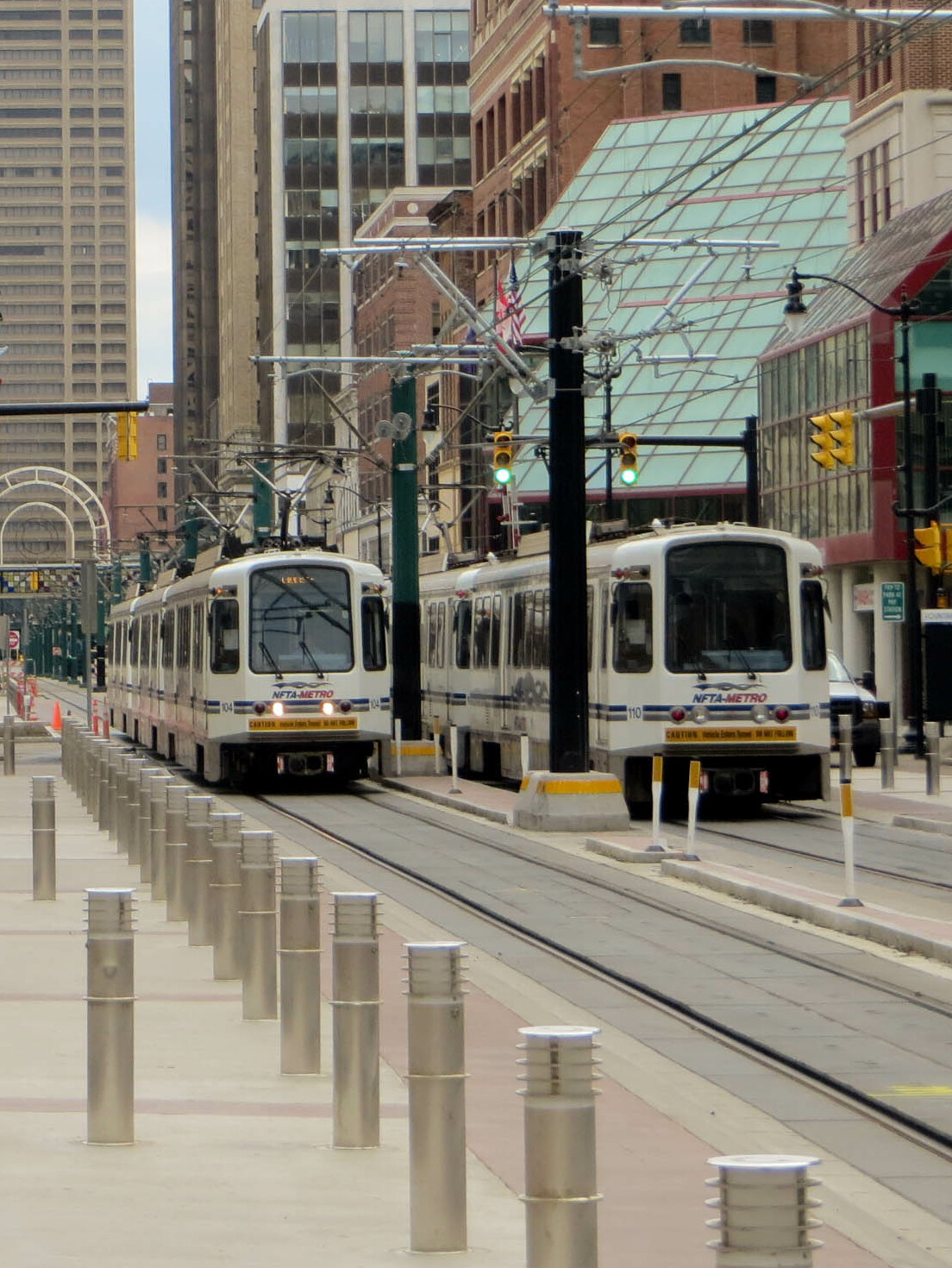
Buffalo is the second-largest city in New York State and the seat of Erie County, situated on the eastern shore of Lake Erie in the western part of the state, just a short drive south of the Canadian border. With a city population of roughly 278,000 residents and a metro area nearing 1.1 million, Buffalo carries the weight of a once-mighty industrial powerhouse now steadily reinventing itself as a cultural and culinary destination. The city is best known as the gateway to Niagara Falls, the birthplace of the chicken wing, and a treasure trove of late 19th- and early 20th-century architecture, including a striking concentration of Frank Lloyd Wright buildings. It sits about 100 miles southeast of Toronto and roughly 370 miles northwest of New York City, putting it within a comfortable day's drive of much of the Northeast.
The marquee draw in the region is undoubtedly Niagara Falls, located approximately 20 miles (about 30 minutes by car) to the northwest. The American side of the falls, along with the adjacent state park, offers walking paths, the iconic Maid of the Mist boat tours, and sweeping viewpoints that draw millions of visitors each year, providing a powerful anchor demand for short-term rentals.
Back in the city, the Martin House Complex is a must-see for architecture enthusiasts. Designed by Frank Lloyd Wright between 1903 and 1905, this sprawling estate in the Parkside neighborhood is widely considered one of the finest examples of Wright's Prairie style, and public tours of the restored property offer a deep look at early 20th-century American design.
Down by the waterfront, the Canalside district has emerged as Buffalo's premier public gathering space. Set along the original route of the Erie Canal where it meets Lake Erie, the area features seasonal ice skating, a naval park with retired warships, harbor cruises, and concerts throughout the warmer months, making it a lively hub for visitors who want to experience the city's renewed energy along the water.
A short drive east of downtown, Delaware Park and the surrounding Olmsted-designed parkway system provide nearly 350 acres of green space, walking paths, and the city zoo. Nearby, the Buffalo AKG Art Museum (formerly the Albright-Knox) holds an exceptional collection of modern and contemporary art and has recently completed a major expansion that has made it a regional cultural anchor.
Buffalo's combination of architectural heritage, a celebrated food scene, walkable waterfront districts, and unmatched proximity to Niagara Falls makes it a particularly strong base for short-term rental investment. Visitors arrive year-round for the falls, the lake-effect snow season, and the growing roster of festivals, concerts, and sports events anchored by the Buffalo Bills and Buffalo Sabres, giving hosts a diverse calendar of demand to work with.
Want to know if a property in Buffalo is a good investment?
Enter an address to get instant revenue potential and comps.