
Dover, New Hampshire
Want to see how Dover compares to other top cities in New Hampshire? Explore all city regulations in New Hampshire. →
Dover, NH
Generally Investor Friendly
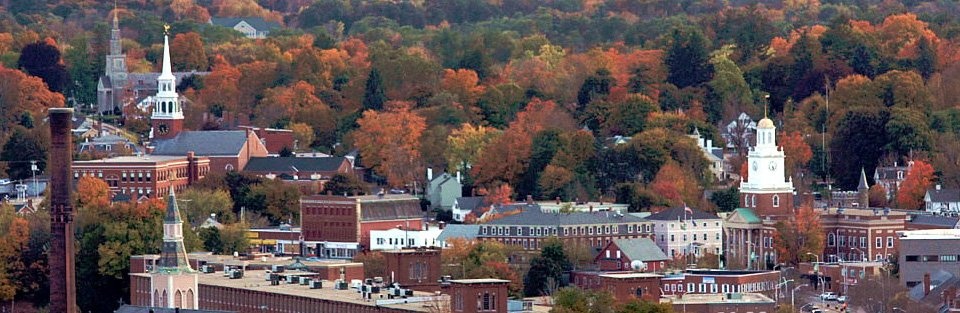
STR Regulations for Dover, New Hampshire
Executive Summary: Are Short-Term Rentals Allowed in Dover?
Yes, short-term rentals are permitted in Dover, New Hampshire, but under specific regulatory frameworks that vary by property type and zoning district. The city has implemented a comprehensive approach to regulating STRs that includes licensing requirements, zoning restrictions, and ongoing compliance obligations. Dover allows both owner-occupied "homestay" operations and non-owner-occupied rentals in designated commercial zones, with significantly different requirements and restrictions for each category.
What do Airbnb hosts actually earn in Dover?
Dover hosts earn a median $32,787/year with $148 ADR and 78% occupancy.
Top performers pull in $44,523+ per year.
See the full Dover market breakdownStarting a Short-Term Rental Business in Dover
Initial Planning and Due Diligence
Before acquiring or converting property for short-term rental use in Dover, investors must conduct thorough pre-purchase analysis to ensure zoning compliance and regulatory feasibility. The process begins with property selection based on intended operation type:
For Owner-Occupied Operations: Properties in residential zones can only operate as short-term rentals if the owner maintains primary residence status and follows "homestay" model regulations. This allows residents to monetize spare rooms while preserving neighborhood character.
For Non-Owner-Occied Operations: These require properties located in commercial or mixed-use zones (B-1, B-3, B-4, B-5, CBD, LBW, or CWD districts) and must comply with density limitations preventing saturation of individual buildings or developments.
Zoning Compliance Assessment
Dover's zoning ordinance (Chapter 170) establishes clear parameters for STR operations. The most critical early step involves verifying property zoning classification and confirming permitted use status for short-term rental operations.
Residential Zone Limitations: Traditional residential districts (HR, R-40, R-20, R-12, RM-SU, RM-U) permit only owner-occupied short-term rentals, requiring hosts to maintain primary residence status. This creates significant operational constraints that must be factored into business planning.
Commercial Zone Permissions: Business districts allow non-owner-occupied short-term rentals but with density caps limiting STRs to no more than 15% of units within single buildings or developments. Properties within Dover's Central Business District (CBD) and waterfront areas (LBW, CWD) may offer enhanced opportunities with different regulatory treatment.
Market Analysis and Investment Viability
Successful Dover STR investments require understanding both regulatory requirements and market dynamics. The city's proximity to the University of New Hampshire and Seacoast region continues driving demand for quality vacation rentals, creating opportunities for compliant properties that meet elevated safety and quality standards.
Required Documents, Permits, Licenses, and Guidelines
Business License Requirements
Short-Term Rental License: All STR operators must obtain a Short-Term Rental License through Dover's Planning Department before listing properties on platforms like Airbnb or VRBO. The licensing process requires:
- Completed detailed application including property specifications and safety certifications
- Annual license fees: $150 for owner-occupied properties, $300 for non-owner-occupied units
- Proof of liability insurance coverage with minimum $1 million per occurrence
- Compliance with Americans with Disabilities Act (ADA) accessibility standards where applicable
Safety and Inspection Requirements
Fire Department Inspections: Life safety inspections conducted by Dover Fire Department are mandatory for all STR properties, focusing on:
- Installation of working smoke and carbon monoxide detectors in all required areas
- Compliance with local fire safety codes and egress requirements
- Regular inspection of electrical and plumbing systems
- Provision of emergency contact information and evacuation procedures
State-Level Registration Requirements
New Hampshire Department of Revenue Registration: All STR operators must register with the state for Meals and Rooms Tax collection, ensuring proper tax compliance across New Hampshire's hospitality sector. This registration is separate from local licensing but equally mandatory for operation.
Insurance and Financial Documentation
Required Insurance Coverage: Dover requires minimum $1 million liability insurance coverage per occurrence, with additional property and business interruption coverage strongly recommended given the regulatory compliance obligations.
Financial Record Keeping: State requirements mandate hosts maintain detailed financial records for at least three years, including guest receipts, tax payments, and expense documentation.
Specific Regulations: City, County, and State Level
City of Dover Local Regulations
Licensing Framework: Dover's 2026 STR regulations center on mandatory licensing for all short-term rental properties, with annual renewal requirements and enhanced enforcement mechanisms.
Owner-Occupancy Requirements: In traditional residential neighborhoods, short-term rentals are limited to owner-occupied properties only, creating a "homestay" model that allows residents to monetize spare rooms while preventing wholesale conversion of residential housing stock.
Commercial Zone Limitations: Non-owner-occupied short-term rentals in commercial and mixed-use zones face density caps preventing saturation, with no more than 15% of units within single buildings or developments permitted as STRs.
Historic District Considerations: Properties within Dover's Historic District face additional scrutiny regarding exterior modifications and signage, requiring Historic District Commission approval for any visible changes.
Parking and Noise Management: Enhanced enforcement of existing noise ordinances and parking restrictions, particularly in neighborhoods where short-term rentals have proliferated. Properties must implement clear occupancy limits and robust noise management protocols.
Zoning District Compliance: STR operations must comply with specific dimensional requirements and use regulations for each zoning district, with significant variations between residential and commercial areas.
State of New Hampshire Requirements
Meals and Rooms Tax: New Hampshire imposes an 8.5% Meals and Rooms Tax on all STR transactions, with collection and quarterly remittance required from property owners. This applies regardless of hosting platform or property location within Dover.
Business Registration: STR operators must register with the New Hampshire Department of Revenue Administration for tax collection purposes, maintaining separate business records from personal finances.
County-Level Considerations
Strafford County Enforcement: While Dover provides primary local regulation, county-level coordination may occur for properties spanning municipal boundaries or involving county services.
Enforcement and Compliance Monitoring
Automated Monitoring Systems: Dover has implemented cross-referencing systems that compare online listings with licensed properties, identifying unlicensed operations through platform data analysis.
Escalating Penalties: Violation penalties range from $500 first-offense fines to $2,500 for repeat violations, with potential license revocation for persistent non-compliance.
Community Complaint Mechanisms: Dedicated complaint hotline allows residents to report suspected unlicensed operations or nuisance activities, emphasizing importance of maintaining positive community relationships.
Annual License Renewal: Enhanced scrutiny applies to properties with documented compliance violations during annual renewal processes.
Contact Information for Local Authority
Primary Contact: Dover Planning Department
Phone: (603) 516-6028
Email: planning@dover.nh.gov
Website: www.dover.nh.gov/government/city-operations/planning/
Address: 288 Central Avenue, Dover, NH 03820
Fire Department Inspection Scheduling
Phone: (603) 516-6146
Website: www.dover.nh.gov/government/city-operations/fire/
State Registration: New Hampshire Department of Revenue
Phone: (603) 230-5003
Website: www.revenue.nh.gov/
Meals and Rooms Tax Information: www.revenue.nh.gov/taxation/meals-rooms.htm
Historic District Commission
Phone: (603) 516-6028
Website: www.dover.nh.gov/government/boards-commissions/historic-district-commission/
Source Links and References
Primary Regulatory Documents:
- Dover Zoning Ordinance (2018): www.dover.nh.gov/Assets/government/city-operations/2document/planning/Regulations/Zoning%202018.pdf
- City of Dover Official Website: www.dover.nh.gov/
- New Hampshire Department of Revenue: www.revenue.nh.gov/
Additional Regulatory Resources:
- Meals and Rooms Tax Information: www.revenue.nh.gov/taxation/meals-rooms.htm
- Americans with Disabilities Act: www.ada.gov/
- Dover Fire Department: www.dover.nh.gov/government/city-operations/fire/
- Historic District Commission: www.dover.nh.gov/government/boards-commissions/historic-district-commission/
Industry Resources:
- Airbnb Compliance Center: www.airbnb.com/help/article/1379
- Vacation Rental Management Association: www.vrma.org/
This comprehensive framework represents Dover's current approach to short-term rental regulation as of 2026, with ongoing monitoring and potential updates. STR investors should maintain regular communication with local authorities and stay informed about regulatory developments that may affect their operations.
Next step
Found a property in Dover?
Paste any address and get estimated revenue, cash-on-cash return, and comparable STR performance in under 5 minutes. 3 free analyses per day.
Free brief
Get the free Dover STR Investment Brief
Revenue data, top neighborhoods, seasonal trends, and the key regulations for Dover, New Hampshire in one email.
Dover
Market Saturation Score
Photos of Dover
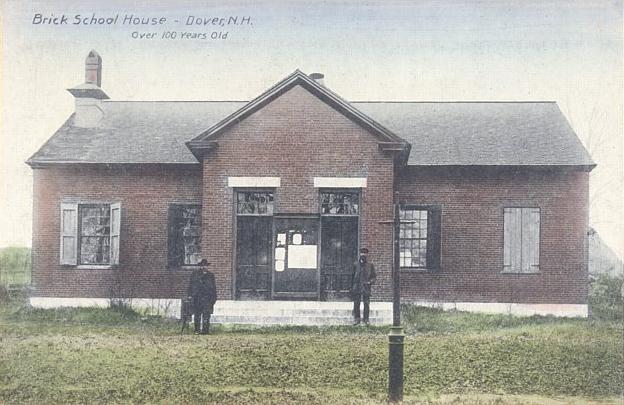


Overview of Dover
Dover is the oldest permanent settlement in New Hampshire, situated in the southeastern corner of the state where it serves as the seat of Strafford County. With a population of approximately 32,000, it carries the feel of a small industrial-era mill city that has reinvented itself as a leafy suburban and cultural hub along the Cocheco River. Dover is widely regarded as a gateway to the New Hampshire Seacoast, and it sits roughly 65 miles north of Boston, with Portsmouth, the coast, and the lakes region all within a short drive. Its compact downtown, revitalized mill buildings, and proximity to the University of New Hampshire in neighboring Durham give it a blend of historic New England character and youthful energy.
Just down the road, Portsmouth is one of the most visited small cities in northern New England, lying only about 10 miles southeast of Dover. Visitors come for the brick-lined streets of Market Square, the working harbor, and the cluster of independent restaurants, breweries, and boutiques. History runs through the city, with the Strawbery Banke Museum preserving several centuries of domestic life in its original neighborhood, and Prescott Park anchoring the waterfront with gardens and seasonal outdoor performances. From Dover, the drive typically takes around 20 minutes depending on traffic.
To the south, the Atlantic shoreline and the well-known resort strip at Hampton Beach are roughly 20 miles away, usually a 30- to 40-minute drive. The beach boardwalk, arcades, and live music venues draw crowds throughout the summer, while the quieter shoulder seasons appeal to travelers who prefer a more relaxed coastal experience. The broader Seacoast region, including Rye Harbor and Odiorne Point State Park, offers rocky shorelines, lighthouse views, and tide-pooling that feel a world away from the city.
Further afield, the White Mountain National Forest begins about 90 miles to the north, a drive of roughly two hours that brings travelers into the heart of New Hampshire's most dramatic alpine scenery. Hiking trails, scenic drives like the Kancamagus Highway, and classic attractions such as Mount Washington and the Flume Gorge make this a natural day trip or overnight addition to a Seacoast-based itinerary. Closer to home, the University of New Hampshire campus in Durham, only about five miles south, hosts lectures, sporting events, and the handsome College Woods trail network for visitors who want a low-key outdoor outing.
Dover's appeal as a short-term rental base comes from the way it bridges so many different New Hampshire experiences. Travelers can stay in a quiet, walkable mill-city setting and still reach the beaches, historic Portsmouth, the university, and the White Mountains on the same trip, all without the premium pricing of staying directly on the coast. That combination of small-city calm, regional variety, and easy access to both Boston and the Atlantic shoreline is what gives the Dover market its steady, year-round draw.
Want to know if a property in Dover is a good investment?
Enter an address to get instant revenue potential and comps.