
Tekamah, Nebraska
Want to see how Tekamah compares to other top cities in Nebraska? Explore all city regulations in Nebraska. →
Tekamah, NE
Generally Investor Friendly
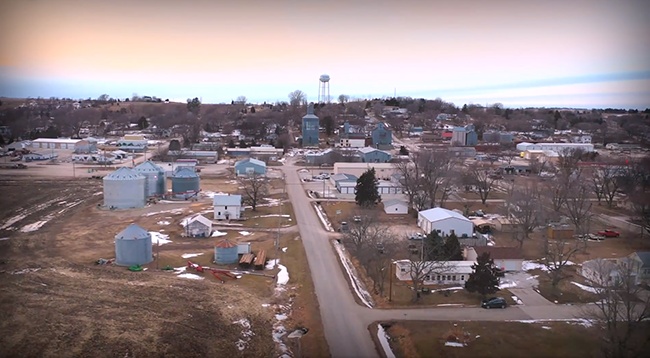
STR Regulations for Tekamah, Nebraska
Executive Overview: Are STRs Allowed in Tekamah, NE?
Short-term rentals are implicitly permitted in Tekamah under the city’s zoning and building code framework. Tekamah operates as a city of the second class and has adopted standard building codes, fire safety provisions, and general business licensing structures. There is no explicit “short‑term rental” category or standalone STR ordinance in the Municipal Code, so property owners operate within the same zoning, safety, and tax requirements that govern other residential and commercial uses. This means STRs are generally allowed, but you must comply with zoning (e.g., residential vs. commercial districts), building and fire code standards, health and sanitation rules, and state lodging tax obligations.
If you operate an STR, you are likely providing lodging for fewer than 30 days per guest, which often places the activity under lodging provider rules at the state level (lodging tax and registration), even though no local license category is specified. You should verify zoning, occupancy, and any neighborhood rules with the city, and confirm fire safety and life‑safety features per state requirements.
Key references:
- Tekamah Municipal Code (MunicipalCode.pdf) — building codes, zoning, fire/life safety, business/permits framework.
- State-level safety: Nebraska Uniform Fire Safety Standards Act (Neb. Rev. Stat. §81‑801 to §81‑823).
- State lodging tax and lodging provider registration: Nebraska Department of Revenue guidance.
What do Airbnb hosts actually earn in Tekamah?
Tekamah hosts earn a median $14,442/year with $152 ADR and 43% occupancy.
Top performers pull in $25,699+ per year.
See the full Tekamah market breakdownHow to Start a Short-Term Rental Business in Tekamah
- Confirm zoning and permitted use
- Check the zoning district for your property (Tekamah Zoning Regulations 10‑201). Residential districts generally permit single‑family and multifamily occupancy; commercial districts are suitable for hospitality or transient businesses. Determine if your STR is a principal or accessory use. If the property is in a residential district and you intend to host guests, verify whether the hosting is compatible with the district’s occupancy standards. Where zoning is unclear, submit a zoning inquiry to the City (see “Contact” section).
- Select a compliant building and life‑safety configuration
- Adopt the relevant codes:
- Residential Code (9‑402)
- Building Code (9‑401)
- Housing Code (9‑403)
- Fire/Life Safety Codes (8‑201 Life Safety Code, 8‑202 Fire Code, 8‑203 Fire Code Enforcement)
- Electrical (9‑405), Mechanical (9‑406), Plumbing (9‑404)
- Ensure that the property meets means of egress, smoke detection, fire extinguishers, safe heating, and sanitation standards, as required by the Life Safety Code and fire code enforcement.
- Obtain required permits and inspections
- Building Permit (9‑101 through 9‑108):
- Submit plans where applicable; pay fees (9‑106); undergo inspection (9‑107).
- If you make structural, electrical, plumbing, or mechanical alterations to accommodate STR occupancy or amenities, permits are required and inspections must pass.
- Backflow protection and water‑related compliance (7‑228 through 7‑242) for any new plumbing or cross‑connection risk.
- Sewer:
- If the property is required to connect to the city sewer (7‑315 Mandatory Hookup), ensure compliance and avoid illegal connections or discharges (7‑328, 7‑312, 7‑313).
- Fire safety:
- Life Safety Code (8‑201) and Fire Code (8‑202) enforcement require lawful entry (8‑204) and may involve inspections and violation notices (8‑206).
- Solid waste (7‑401 through 7‑405):
- If you provide rooms or units, ensure appropriate waste handling, commercial hauler/collection, and litter prevention measures, in coordination with the city compactor/dumping grounds (7‑501) and state rules (7‑502).
- Dumping grounds/compactor:
- Confirm city compactor operations (7‑501) and any city/state waste requirements for lodging providers.
- Confirm local lodging tax and business registration
- The code references occupation tax categories (5‑401 Liquor License Fees) and a broader occupation tax structure (5‑401 through 5‑407), but does not list a lodging provider license or tax. Because STRs are lodging, you should verify whether a local lodging tax or business registration applies to STRs in Tekamah and Burt County.
- State lodging tax is administered by the Nebraska Department of Revenue; lodging providers must register and remit the state lodging tax (and any locally imposed lodging taxes). Confirm rates and registration with the state and Burt County.
- Operational readiness
- Publish occupancy limits consistent with life safety and housing standards.
- Post emergency instructions, exit maps, and guest rules; ensure safe egress routes.
- Maintain sanitation, housekeeping, and waste collection arrangements compliant with solid waste ordinances.
- Maintain fire safety equipment and inspect smoke detectors; document compliance.
- Consider background checks and noise/behavior rules for guests; provide contact information for issues and ensure compliance with city nuisance provisions (3‑601 through 3‑606).
- Ongoing compliance
- Keep permits and inspection records on file; prepare for periodic compliance checks by the Building Inspector (1‑419) and Code Enforcement Officer (1‑420).
- Coordinate with utilities for required backflow devices (7‑234) and address any sewer or water requirements.
- Monitor for any new STR‑specific ordinances the City may adopt in the future.
Required Documents, Permits, Licenses, and Guidelines
- Building permits:
- Permit application (9‑104), plan submission, inspection scheduling (9‑107), fees (9‑106).
- Variance not permitted under building code (9‑105).
- Code Enforcement Officer (1‑420) oversight:
- Right of entry (9‑102), enforcement authority (9‑101), appeal from decision (9‑108).
- Building codes:
- Residential Code (9‑402), Building Code (9‑401), Housing Code (9‑403), Electrical (9‑405), Mechanical (9‑406), Plumbing (9‑404).
- Fire and life safety:
- Life Safety Code (8‑201), Fire Code (8‑202), Fire Code Enforcement (8‑203), Lawful Entry (8‑204), Fire Limits (8‑205), Violation Notice (8‑206), Open Burning Ban; Waiver (8‑207).
- Backflow protection:
- Policies and standards (7‑228–7‑242), devices required (7‑234), surveys/investigations (7‑232), violations (7‑242B).
- Sewer department:
- Mandatory hookup (7‑315), unlawful connections (7‑328), sewage disposal rules (7‑334–7‑338), inspections (7‑329), fees and enforcement.
- Solid waste:
- Residential/commercial collection (7‑402–7‑403), commercial haulers (7‑404), compactor operations (7‑501), state regulations (7‑502).
- Business and occupation:
- Occupation tax framework (5‑401 through 5‑407). Lodging-specific local licensing or tax is not listed; verify with city and county.
- Lodging tax (state level):
- State lodging tax registration and remittance through Nebraska Department of Revenue. Local lodging taxes (if any) may apply; verify rates and requirements.
Specific Regulations for STRs in Tekamah, Burt County, and Nebraska
City of Tekamah
- No explicit STR ordinance or standalone short‑term rental license in the municipal code. STRs must conform to:
- Zoning Regulations (10‑201): Determine permitted use and occupancy type for your property district.
- Building and Residential Codes (9‑401–9‑406): Structure and system safety.
- Housing Code (9‑403): Minimum standards for habitability, sanitation, and life safety in residential units.
- Fire/Life Safety (8‑201–8‑207): Life Safety Code and Fire Code enforcement; designated fire limits; open burning restrictions.
- Nuisances (3‑601–3‑606): Unlawful noise, waste, or guest behavior may be subject to abatement and penalties.
- Solid Waste (7‑401–7‑405, 7‑501–7‑502): Proper waste handling and disposal; coordination with city compactor and state rules.
- Sewer (7‑301–7‑354): Mandatory hookup, prohibited discharges, and private sewage disposal rules.
- Backflow (7‑228–7‑242): Cross‑connection control for water safety.
- Business/occupation tax (5‑401–5‑407): General authority to levy occupation taxes. Lodging‑specific local taxes/licenses are not enumerated in the code; confirm with city clerk.
Burt County
- The municipal code references a County Health Board (2‑406) and county health enforcement (2‑402–2‑407). Confirm any county‑level lodging licensing, lodging tax, or health requirements with Burt County Health Department or the County Board of Health.
State of Nebraska
- Lodging tax and lodging provider registration (Nebraska Department of Revenue). As a lodging provider for STRs, you must register and collect/remit lodging taxes as required.
- Fire safety and life‑safety codes:
- Life Safety Code and uniform fire safety standards (Neb. Rev. Stat. §81‑801 to §81‑823). STRs must meet applicable standards for egress, detection, suppression as required by local adoption and state law.
- Health, sanitation, and sewage disposal:
- Private Sewage Disposal Code (adopted in Tekamah’s Building Codes 9‑404), private sewage disposal permits (7‑335–7‑337), and maintenance (7‑338). If not on municipal sewer, confirm state/private system standards.
- Building codes:
- Adoption of Residential, Building, Electrical, Mechanical, and Plumbing Codes at the city level.
Note: The municipal code does not specify occupancy limits or a minimum stay requirement for STRs. Investors should verify occupancy caps (if any), parking, and local lodging tax rates with the City Clerk/Treasurer and Burt County.
Contact Information (Local Authority)
-
City Hall / City Clerk‑Treasurer
- Address: City of Tekamah, 1705 I St., Tekamah, NE 68061
- Phone: (402) 374‑2630
- Email: cityclerk@cityoftekamah.org (general contact; verify via official city website or phone)
- Website: www.tekamah.net
- Notes: Office responsible for permits, inspections coordination, zoning inquiries, and business/tax questions.
-
Building Inspector (1‑419)
- Contact: Through City Hall for building permits, plan reviews, and inspections.
-
Code Enforcement Officer (1‑420)
- Contact: Through City Hall for enforcement matters, inspections, and nuisance abatement.
-
Fire Department / Fire Code Enforcement (8‑203, 8‑206)
- Contact: Through City Hall or fire department liaison; confirms fire code compliance and inspections.
-
Sewer and Water Departments (Utilities Superintendent 1‑416; Water/Sewer Superintendent 1‑417)
- Contact: Through City Hall for mandatory hookup, backflow requirements, inspections, and sewer/water service matters.
-
Burt County Health Board / County Health Department (2‑406)
- Purpose: County health enforcement and state health rule administration.
- Contact: Burt County Courthouse or County Health Department (phone/website not listed in provided code; verify with city or county).
Links to Source Pages
- Municipal Code and City Information
Practical checklist:
- Confirm zoning and any STR‑specific provisions.
- Obtain building permits for any alterations; comply with Residential, Building, Housing, Electrical, Mechanical, and Plumbing Codes.
- Complete fire/life safety inspections and maintain equipment and egress pathways.
- Register for Nebraska lodging tax and any local lodging taxes.
- Coordinate with sewer/water for hookup and backflow protection.
- Establish solid waste and housekeeping procedures aligned with city compactor and state rules.
- Maintain documentation (permits, inspections, occupancy rules, emergency procedures) for compliance reviews.
Next step
Found a property in Tekamah?
Paste any address and get estimated revenue, cash-on-cash return, and comparable STR performance in under 5 minutes. 3 free analyses per day.
Free brief
Get the free Tekamah STR Investment Brief
Revenue data, top neighborhoods, seasonal trends, and the key regulations for Tekamah, Nebraska in one email.
Tekamah
Market Saturation Score
Photos of Tekamah
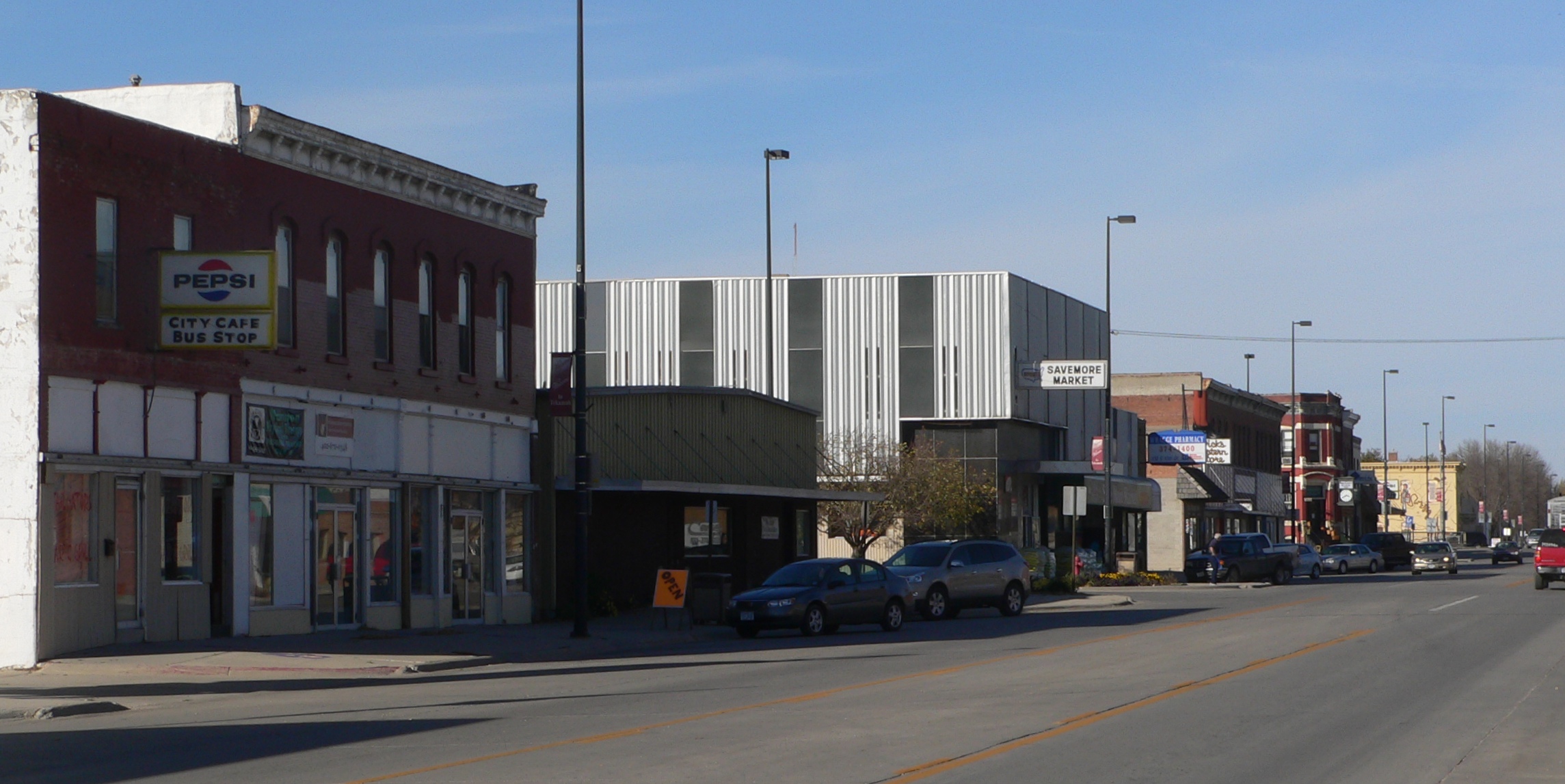
Overview of Tekamah
Tekamah is a small city in northeastern Nebraska, serving as the seat of Burt County. With a population of roughly 1,700 residents, it has the quiet, agricultural character typical of rural Great Plains county seats, surrounded by corn and soybean fields and gently rolling prairie. The town sits just a few miles east of the Missouri River, which forms Nebraska's border with Iowa at this latitude, and it functions as a friendly waystation for travelers moving between the Omaha metro and the rural river-country farther north. The nearest major city is Omaha, which lies about 55 miles to the south, an easy drive of roughly an hour along US Highway 75.
One of the natural highlights of the region is the Missouri River itself, which passes just west of Tekamah. The river corridor offers public access points, scenic overlooks, and a quiet stretch of waterway popular with anglers, birders, and anyone interested in the big-river landscapes that defined the Lewis and Clark expedition. Visitors can enjoy riverside drives, fishing for catfish and other species, and watching bald eagles and migratory waterfowl that frequent the wooded bottomlands along the banks.
A short drive to the south brings guests to the Omaha metropolitan area, home to the Henry Doorly Zoo and Aquarium, widely regarded as one of the finest zoological parks in the country. The zoo's massive indoor desert dome, Lied Jungle, and large-cat complexes draw visitors from across the Midwest, and from Tekamah it is reachable in roughly an hour. Also in the Omaha area, Fontenelle Forest offers more than 1,400 acres of old-growth hardwood forest along the Missouri River floodplain, with canopy walks and over 20 miles of hiking trails that showcase the kind of bottomland ecosystem that once stretched along much of the lower Missouri.
For those drawn to conservation areas and outdoor recreation, the DeSoto National Wildlife Refuge straddles the Nebraska–Iowa border southwest of Tekamah. The refuge protects bottomland habitat along the Missouri, provides wildlife observation opportunities, and includes a visitor center and the historic steamboat Bertrand, which can be viewed on site. The refuge is approximately 30 to 40 miles from Tekamah, making it a comfortable day trip.
Tekamah offers a compelling base for short-term rentals because it combines the relaxed pace and affordability of small-town Nebraska with surprisingly easy access to the Missouri River, a network of regional wildlife refuges, and the broader amenities of the Omaha metro. Guests who want a quieter, more pastoral setting while still being within an hour of a major city's dining, entertainment, and attractions will find the town an appealing and well-located home base.
Want to know if a property in Tekamah is a good investment?
Enter an address to get instant revenue potential and comps.