
Scottsbluff, Nebraska
Want to see how Scottsbluff compares to other top cities in Nebraska? Explore all city regulations in Nebraska. →
Scottsbluff, NE
Generally Investor Friendly
STR Regulations for Scottsbluff, Nebraska
Overview: Are STRs allowed in Scotts Bluff County?
- Short‑term rentals are allowed in Scotts Bluff County when operated as a bed & breakfast or guest ranch.
- These uses are permitted by right in the Agricultural (A) District and the Rural Residential (RR) District.
- Recreational Commercial (RC) and Commercial (C) Districts also support lodging‑type operations through campgrounds (RC) and hotels/motels (C). Although a “hotel/motel” use differs operationally from a typical STR, it shows that lodging uses can be compatible in commercial contexts under the right zoning and permitting.
- City of Scottsbluff‑specific rules were not provided in the documents. Properties located inside the city limits are governed by the city’s zoning. Because no city‑specific STR regulations were included in the materials, investors must verify requirements with the City of Scottsbluff Planning & Zoning. County rules apply to properties outside incorporated city limits.
Important caveats:
- “Short‑term rental” as a standalone use category is not explicitly listed in the county regulations provided. Operate under a listed use (bed & breakfast or guest ranch). If your concept resembles a hotel/motel model, the Commercial zoning path may be applicable but typically requires a more intensive commercial entitlement and site plan.
- Airport zoning overlays can restrict heights and certain site features near Western Nebraska Regional Airport; ensure your site is not within hazard zones.
How to start a short‑term rental business in this market
-
Confirm jurisdiction and zoning
- Determine whether your property is inside or outside city limits. County zoning governs unincorporated areas. If inside city limits, contact City of Scottsbluff Planning & Zoning.
- Identify the zoning district on the Official Zoning Map (kept with the Building & Zoning Department).
-
Select a compliant operating category
- Bed & breakfast (B&B) or guest ranch are the most viable categories for STR‑style operations in unincorporated Scotts Bluff County.
- Agricultural (A) District: permitted by right as B&B or guest ranch.
- Rural Residential (RR) District: permitted by right as guest home or bed & breakfast.
-
Verify environmental and health compliance
- Water and sewer: All districts require compliance with Nebraska Department of Environment and Energy (NDEE) rules for sewage and potable water, especially for smaller lots or shared systems.
- On lots under 2 acres in certain districts, the regulations reference NDEE compliance; confirm on‑site system feasibility.
-
Site design and access
- Meet setbacks, lot width, and height requirements for the applicable district.
- Ensure access meets road standards. Rural Residential subdivisions require direct access to a paved road or public works director approval when county roads are involved.
-
Permits and approvals (where applicable)
- If the use is “permitted by right,” you may proceed without a conditional use permit.
- If a project cannot meet all district standards or requires a special approval (e.g., an Agricultural Special Use Area or Agricultural Estate Dwelling Site in the A District), follow Section 10 procedures for conditional uses and the Planning Commission/Board of Commissioners approval path.
- Airport zoning: If the property is within airport hazard areas, obtain any required airport zoning permits (administered by Scotts Bluff County Building & Zoning for the airport authority).
-
Taxes and business registration
- Register for Nebraska Sales Tax and collect/remit lodging taxes through the Nebraska Department of Revenue. This is a state‑level requirement for lodging providers.
- No local lodging tax or registration program is specified in the provided county regulations.
Required documents, permits, licenses, and guidelines
- Zoning confirmation and compliance
- Official Zoning Map review and zoning district verification ( Scotts Bluff County Building & Zoning).
- Site plan showing lot lines, setbacks, building footprint, parking, signs, and any accessory structures.
- If applying for a conditional use or special area (ASUA/AEDS), submit the application per Section 10 and pay any associated fees (see Section 16 Schedule of Fees & Charges).
- Water and wastewater
- Sewage and potable water systems must meet NDEE standards. For smaller lots, confirm whether shared/community systems are feasible and do not impede future upgrades.
- Building and life safety
- Floor area: new single‑family dwellings must meet minimum livable floor space (750 sq ft) per Section 8.5.
- Signs: Follow Section 8.13 and Section 12 (billboards); design to avoid airport hazards and maintain sight triangles.
- Airport zoning
- If within any airport hazard zone (operation, approach, transition, or turning zones), obtain required permits from the Scotts Bluff County Building & Zoning Department (acting as administrative agency for the airport).
- Business licensing and taxes
- Nebraska Sales Tax Permit (Nebraska Department of Revenue) for lodging transactions.
- Property taxes must be current before any Board of Commissioners approvals.
Regulations by district (county‑level)
- Agricultural (A) District
- Allowed: Bed & breakfasts and guest ranches are permitted by right (Section 5.101).
- Associated lodging options: Public park/campgrounds (county/state franchises) under conditional use.
- Setbacks: 50' front, 20' sides, 20' rear; height up to 2½ stories or 35'.
- Rural Residential (RR) District
- Allowed: Guest home or bed & breakfast (Section 5.201) are permitted by right.
- Lot requirements: Minimum 3 acres; lot width 200'; setbacks 50' front, 20' sides, 20' rear.
- Recreation Residential (RCR) District
- Allowed: Single‑family homes; recreational facilities under conditional use; no specific B&B/guest ranch listing in the provided materials.
- Note: Small lots under 2 acres (but not less than ½ acre) may be allowed if NDEE sewage/water standards are met.
- Recreation Commercial (RC) District
- Allowed: Retail goods/services; campgrounds; dining/drinking; boating/RV sales and storage.
- Relevance: While RC is commercial and lodging‑adjacent, a residential STR must align with listed uses. The campground pathway is relevant for park‑style accommodations.
- Commercial (C) District
- Allowed: Hotels/motels are permitted by right; campgrounds are allowed.
- Relevance: If your STR model functions like a hotel/motel, this district can be appropriate; however, it is a more intensive commercial use than a single‑family B&B/guest ranch and may require site plan reviews and different operational controls.
- Industrial (I) District
- Relevance: Limited to industrial uses; one dwelling unit may be allowed for a watchman/custodian (not a public lodging model). Not suitable for typical STRs.
Other regulatory overlays and considerations
- Airport zoning
- Height and use restrictions apply in operation, approach, transition, and turning zones near Western Nebraska Regional Airport.
- Permits are required for structures and plantings within hazard areas (exemptions for certain heights and permitted replacements of non‑conforming electrical facilities).
- Supplementary regulations
- Fencing, projections, parking/storage of recreational equipment, and sight triangle rules apply.
- Flood plain and wellhead overlay districts
- Development permits and specific standards apply in floodplain and wellhead protection zones; confirm location early in planning.
Contacts (county‑level and state resources)
- Scotts Bluff County Building & Zoning (Zoning Administrator)
- Physical: 1825 1st Ave, Scottsbluff, NE 69361
- Phone: 308‑436‑6615
- Email/Website: Not provided in the materials
- Scotts Bluff County Planning Commission / Board of Commissioners
- Contact via the Building & Zoning Department; both bodies participate in approvals per Section 10.
- Nebraska Department of Environment and Energy (NDEE)
- For sewage and potable water system compliance (referenced in Sections 5 and 8).
- Contact details not provided in the materials.
- Nebraska Department of Revenue
- For sales tax registration and lodging tax remittance (state‑level requirement).
- Contact details not provided in the materials.
Source pages (county‑level)
- Scotts Bluff County Zoning Regulations: scottsbluffcountyne.gov/wp-content/uploads/sites/4/2024/04/zoning-regulations.pdf
Notes and practical guidance
- Because “short‑term rental” is not a listed use in the county regulations, operate under “bed & breakfast” or “guest ranch” where permitted by right; these are the most direct compliance paths for STR‑style lodging.
- For properties near the airport or in floodplain/wellhead overlay zones, expect additional permit requirements and site design constraints.
- Inside city limits (City of Scottsbluff), the city’s zoning applies. Obtain city requirements directly, as they were not included in the materials provided.
This guide is designed for investors and property managers evaluating STR opportunities in Scotts Bluff County, NE. Always confirm zoning status and contact the county or city authorities before acquisition or development.
What do Airbnb hosts actually earn in Scottsbluff?
Scottsbluff hosts earn a median $24,264/year with $125 ADR and 64% occupancy.
Top performers pull in $31,890+ per year.
See the full Scottsbluff market breakdownNext step
Found a property in Scottsbluff?
Paste any address and get estimated revenue, cash-on-cash return, and comparable STR performance in under 5 minutes. 3 free analyses per day.
Free brief
Get the free Scottsbluff STR Investment Brief
Revenue data, top neighborhoods, seasonal trends, and the key regulations for Scottsbluff, Nebraska in one email.
Scottsbluff
Market Saturation Score
Photos of Scottsbluff

Overview of Scottsbluff
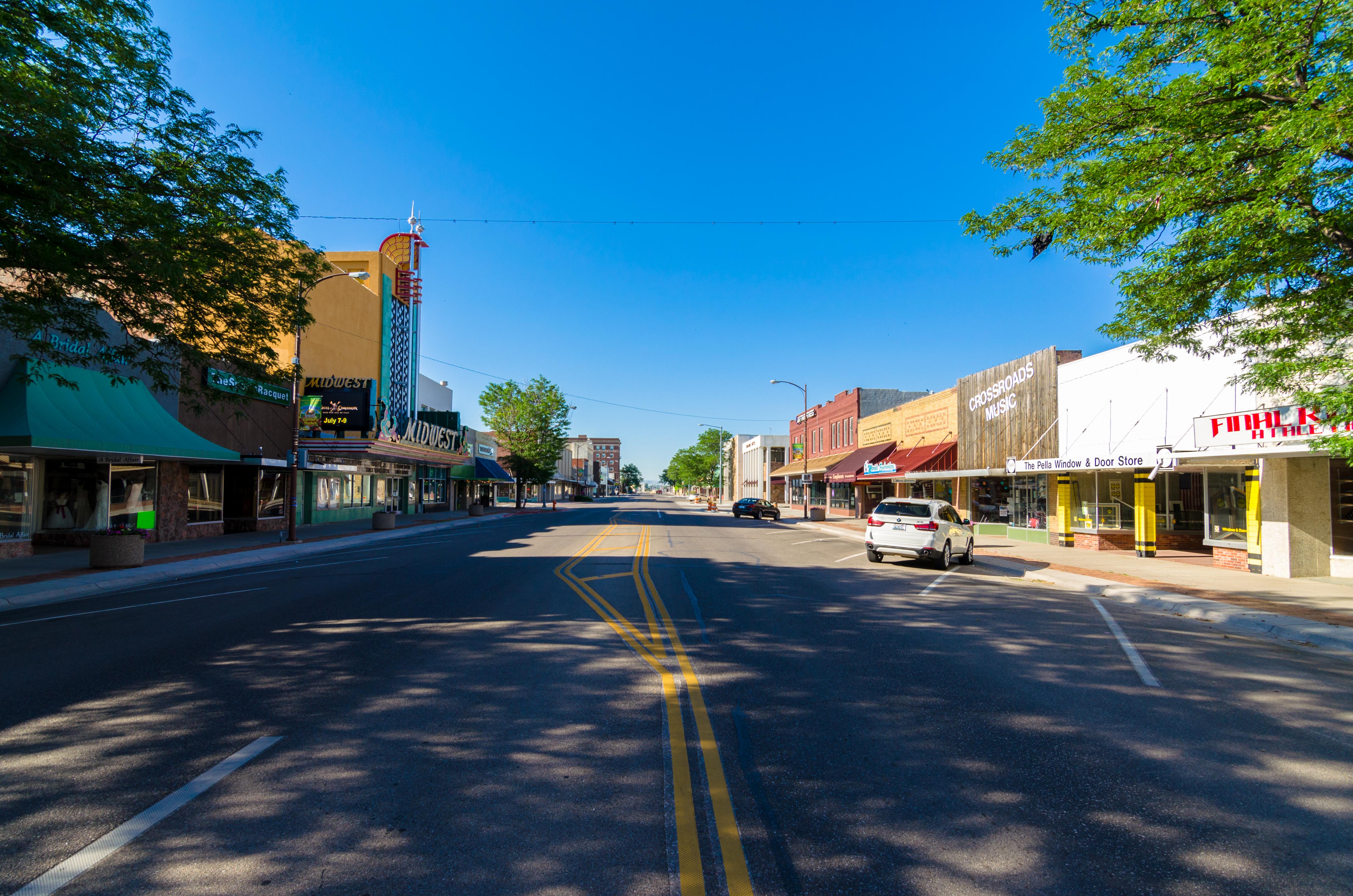
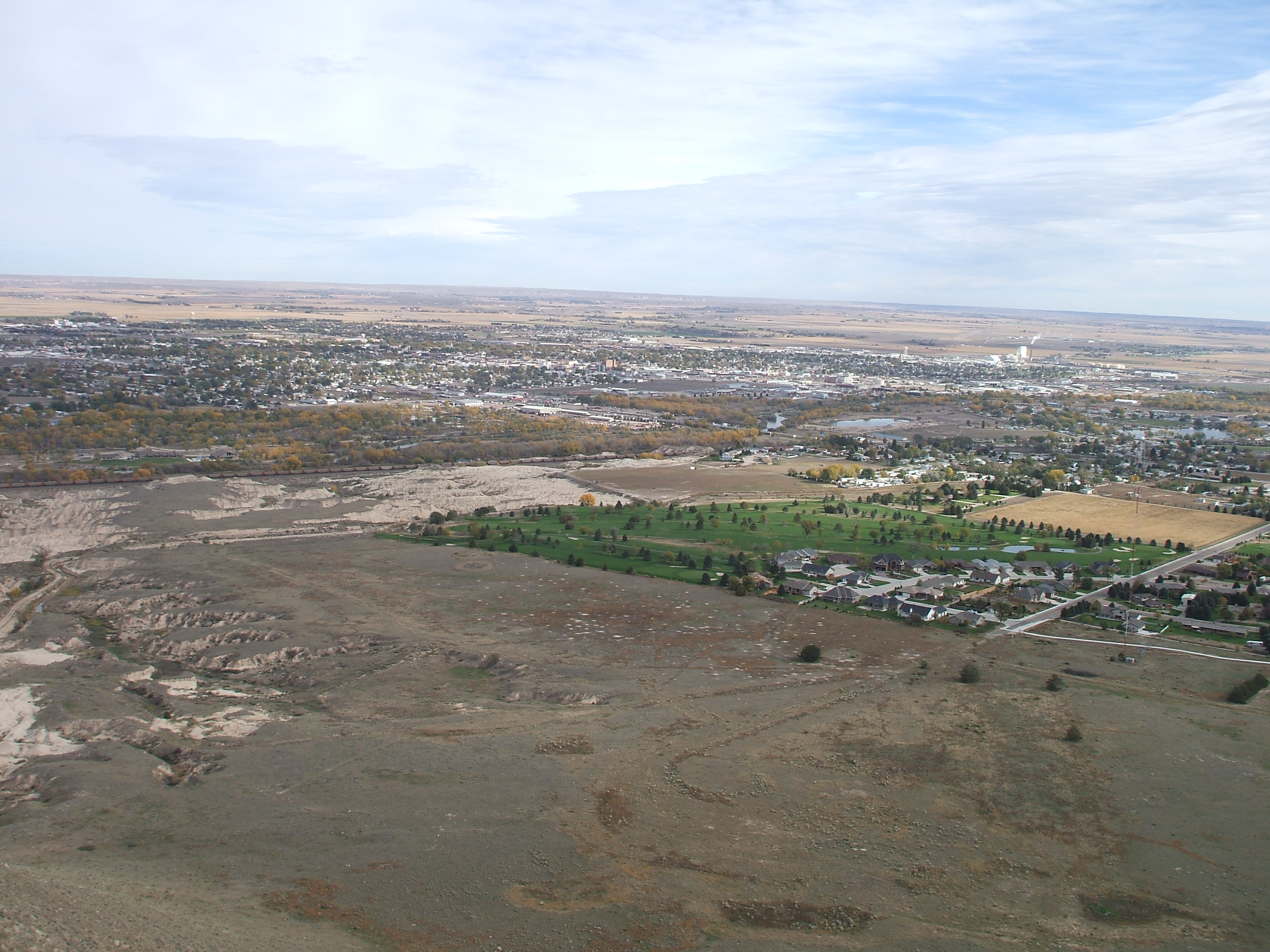
Scottsbluff is a small city of roughly 15,000 people in the Nebraska Panhandle, serving as the county seat of Scotts Bluff County and the de facto commercial hub of western Nebraska. Set along the North Platte River valley with rugged bluffs rising just to the south, the city has a wide-open, agricultural character rooted in sugar beet farming, ranching, and its historic position along the Oregon Trail. It is best known as the gateway to Scotts Bluff National Monument, and it lies about 100 miles east of Cheyenne, Wyoming, the nearest sizable metropolitan area, and roughly 150 miles northeast of Denver.
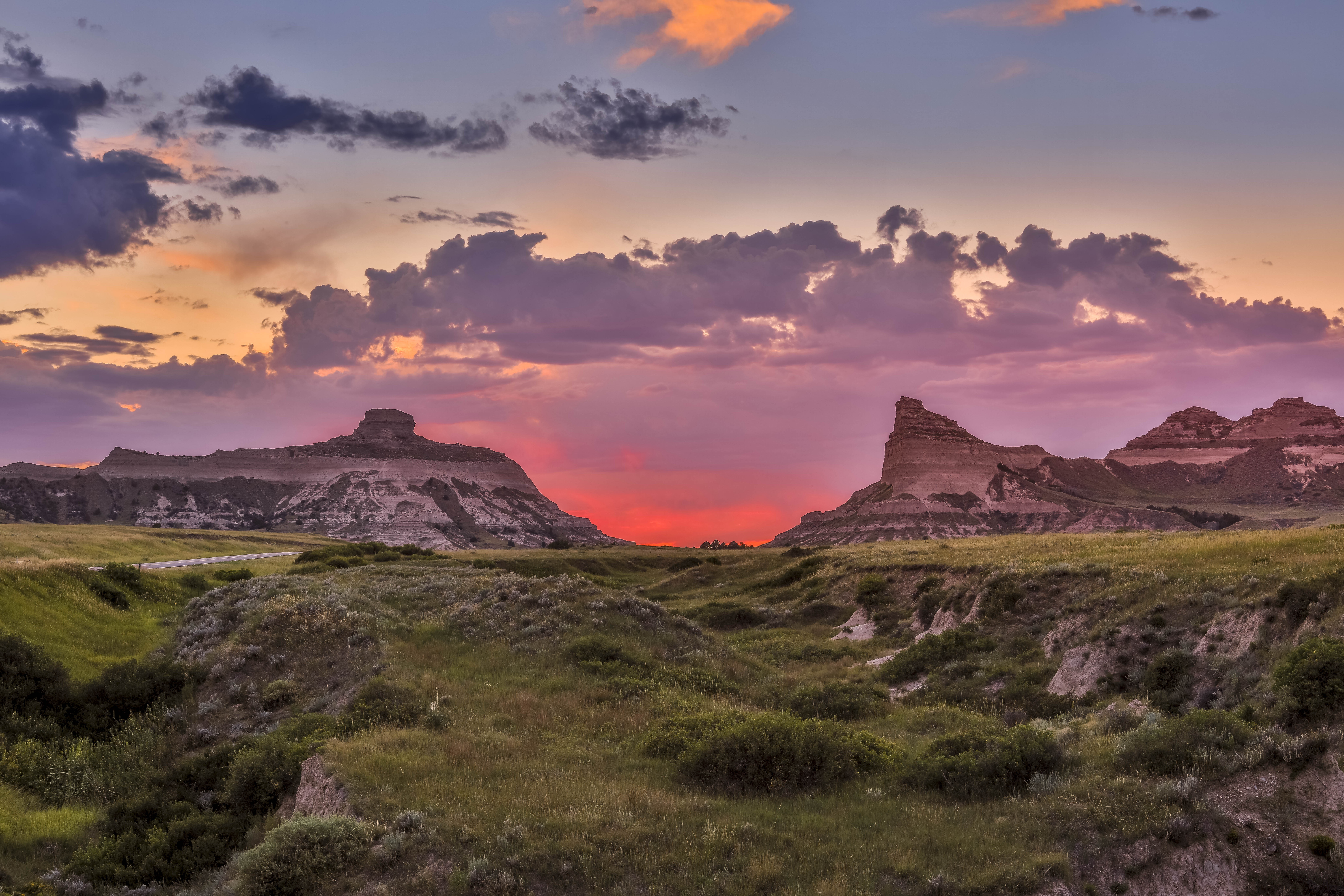
Just a few minutes south of the city, Scotts Bluff National Monument rises some 800 feet above the North Platte River in a series of dramatic sedimentary bluffs. The site preserves one of the most recognizable landmarks on the Oregon, California, and Mormon trails, and today it offers a paved summit road, hiking trails, a visitor center, and sweeping views of the river valley and the city below. Travelers can drive to the top in well under fifteen minutes from downtown Scottsbluff, making it a natural anchor for any stay in the area.
About thirty miles to the east, near the town of Bayard, Chimney Rock National Historic Site preserves the iconic spire that similarly guided nineteenth-century emigrants heading west. The slender rock formation, rising from the surrounding plains, was mentioned in countless pioneer journals, and a small visitor center and interpretive trail provide context for its role in the great overland migrations. The drive from Scottsbluff follows the Oregon Trail corridor and takes roughly forty minutes.
A short drive across the North Platte brings visitors to Gering, Scottsbluff's twin city, where the Legacy of the Plains Museum showcases the agricultural and homesteading heritage of the North Platte valley through antique farm equipment, pioneer buildings, and rotating exhibits. Closer to home, the Riverside Discovery Center (formerly Riverside Zoo) sits within walking distance of downtown and combines a small zoo, an aquarium, paddleboat rentals on the river, and a popular disc golf course, giving families an easy, low-cost way to spend a day.
Scottsbluff makes a compelling base for short-term rentals thanks to its rare combination of major national monuments, authentic Western character, and a regional crossroads location. Visitors passing through between Denver and the Black Hills, or following the Oregon Trail across the Great Plains, find a walkable small city with reliable lodging infrastructure and quick access to some of the most photographed landmarks in the American West.
Want to know if a property in Scottsbluff is a good investment?
Enter an address to get instant revenue potential and comps.