
Red Cloud, Nebraska
Want to see how Red Cloud compares to other top cities in Nebraska? Explore all city regulations in Nebraska. →
Red Cloud, NE
Generally Investor Friendly
STR Regulations for Red Cloud, Nebraska
Important note on sources and scope:
- This guide relies exclusively on the provided materials. No attempt was made to fetch or use any URLs other than the one attached to the supplied content.
- Red Cloud is an incorporated municipality within Webster County. The county zoning ordinance does not apply within Red Cloud’s corporate limits, and the provided materials do not include Red Cloud’s municipal zoning or licensing code. Therefore, any county‑level zoning analysis is a proxy for what you may expect in the unincorporated portions of Webster County (Red Cloud proper may have its own rules). Where appropriate, state‑level Nebraska guidance is noted.
Overview: Are Short‑Term Rentals Allowed?
Yes—short‑term rentals are effectively allowed under Webster County’s zoning framework, and there is no explicit prohibition against them in the documents reviewed. The key pathways are:
- Bed and breakfast, boarding, or lodging house (Section 303.12): A building where lodging and/or meals are provided for compensation for short‑term periods. This structure is recognized and fits the typical short‑term rental use case.
- Home occupation (Section 303.40; see also Article 6, Section 608): If your STR is operated within a dwelling unit or accessory building, the county treats it as a home occupation—so long as it complies with the limits in Section 608. The regulations do not cap guest stay length for STRs; they cap occupancy at “five unrelated persons” under the “Family” definition (Section 303.31). That occupancy limit applies broadly, including lodging uses.
- No explicit “vacation rental” or “STR” permit: There is no separate “STR/vacation rental” category. If your STR qualifies as a bed and breakfast/boarding house (with lodging services) or a home occupation‑style STR, the required approvals flow through the county’s general zoning and conditional use processes.
Caveat for Red Cloud investors:
- Because Red Cloud has its own municipal jurisdiction, the city may have additional requirements (registration, taxes, safety, occupancy caps). The county rules below govern unincorporated Webster County only. Confirm city compliance directly with Red Cloud before launching.
What do Airbnb hosts actually earn in Red Cloud?
Red Cloud hosts earn a median $15,382/year with $145 ADR and 41% occupancy.
Top performers pull in $23,739+ per year.
See the full Red Cloud market breakdownHow to Start an STR Business in the Red Cloud Market (Webster County/Unincorporated)
- Confirm zoning eligibility on your parcel
- Do you intend to operate inside a single‑family dwelling, or in a separate building?
- Is the parcel in an agricultural zoning district (e.g., AG‑G General Agricultural; AG‑TA Rural Residential) or another district identified by the county? The county zoning map governs unincorporated areas. Red Cloud’s corporate boundaries are excluded from county zoning jurisdiction.
- Identify the appropriate approval pathway
- Bed and breakfast/boarding/lodging house: Typically permitted as a principal use in AG‑G with a zoning permit and Certificate of Zoning Compliance (Sections 501.02, 804, 808). Confirm no conflicts with Table 501.05 separation standards (see “County Zoning Details for STRs” below).
- STR operated within a dwelling/home occupation: Must comply with Section 608 home occupation rules. It may require a zoning permit/certificate depending on whether the occupation exceeds incidental thresholds; “when established in accordance with Section 608,” a permit may not be required (see 501.03.2). Do not rely on this without confirming with the Zoning Administrator.
- Determine if any conditional use authorization is required
- In AG‑G, many uses are permitted as of right with a zoning permit and certificate (Article 8), but certain expansions or non‑standard arrangements may trigger conditional use review (Article 10). Confirm with the Zoning Administrator whether your specific STR configuration requires conditional use approval or only a standard zoning permit.
- If you are not in AG‑G (e.g., AG‑TA/River Corridor Agricultural, or if Overlay Districts apply), seek written confirmation of allowable uses and processes.
- Address separations and neighbors
- Even when “permitted,” STRs may need to meet separation distances from certain sensitive uses (e.g., churches, schools, public use areas) if Table 501.05 applies to your use category. Obtain a written determination on whether any separation standards affect your parcel.
- Apply for and secure required approvals
- Zoning Permit (Section 804–807)
- Certificate of Zoning Compliance/Certificate of Occupancy (Section 808)
- Conditional Use (if required; Article 10)
- Inspections and compliance verification as required by the Zoning Administrator.
- Operating plan and documentation
- Prepare a simple operating plan (owner/manager contact, occupancy limits, parking, waste disposal, noise/quiet hours, trash collection, emergency procedures).
- Maintain records for guests and complaints.
- Plan for local/state tax obligations independently (the documents reviewed do not cover taxation).
- Ongoing compliance
- Comply with home occupation limits if applicable (signage, non‑resident employee limits, and related operational constraints).
- Monitor any expansion that might trigger a new permit or conditional use review.
- Respond promptly to complaints and code enforcement inquiries.
Required Documents, Permits, Licenses, and Guidelines
Zoning and Occupancy
- Zoning Permit (required to erect, alter, or use structures; Article 8)
- Certificate of Zoning Compliance/Certificate of Occupancy (verify compliance post‑work/change of use; Section 808)
- If required for your configuration: Conditional Use Authorization (Article 10)
Building/Safety (county disclaimer applies)
- The zoning resolution regulates land use only; it does not regulate building, electrical, plumbing, or other construction codes. The county expressly disclaims any liability for design or construction issues (Section 205).
- Separate building/safety codes may apply at the state or local level. The documents reviewed do not provide building code contact or permit details.
STR Operational Guidelines (best practices aligned to the zoning framework)
- Occupancy cap: Not more than five unrelated persons at any time (Family definition, Section 303.31).
- Meals/service: If you represent the business as a bed and breakfast/boarding house, plan to provide lodging and/or meals in accordance with Section 303.12 and the district standards.
- Noise/quiet hours: Adopt and enforce reasonable quiet hours and anti‑noise policy; post and enforce rules.
- Parking: Provide off‑street parking per county expectations for guest use (Section 303.65, off‑street parking space definition).
- Trash and sanitation: Arrange routine collection and secure storage. If on‑site wastewater is involved, ensure septic systems are adequate and permitted.
- Neighbor relations: Provide local contact and a simple complaint process. Consider an informational notice to nearby property owners.
- Emergency and safety: Post emergency contacts, evacuation info, and fire safety guidance.
Licensing/taxing
- No STR‑specific municipal or county license, registration, or tax is described in the documents. You must independently verify any state, county, or municipal registration/tax obligations (e.g., sales tax, lodging tax, state/local STR registration) before operation.
Specific Regulations: City, County, and State
City (Red Cloud)
- Not covered by the county zoning regulations because incorporated municipalities are excluded from county zoning jurisdiction (Section 102). The documents do not include Red Cloud’s municipal code. Treat city rules as potentially additional and confirm with the city clerk or planning office before operating.
County (Webster County Zoning Resolution)
- Zoning Administrator and administration: The Zoning Administrator administers and enforces zoning regulations (Section 302; Article 8). Permits and certificates are required (Article 8).
- Zoning districts relevant to STRs (unincorporated county):
- AG‑G General Agricultural District: Allows bed and breakfast/boarding/lodging house as a permitted principal use subject to zoning permit and certificate (Section 501.02). Home occupations are allowed as accessory uses (Section 501.03.2; Section 608).
- Other districts (AG‑TA, AG‑R, and overlay districts): Not fully detailed in the extract. Confirm allowed uses and any special conditions with the Zoning Administrator before planning.
- Setbacks, lot standards, and separations:
- Setbacks and lot size reductions are regulated by district standards (Section 602–604; specific numeric standards are not fully included in the excerpt).
- Separation standards for certain facilities and uses are set by Table 501.05 (referenced in Article 5); confirm applicable distances for any accessory buildings, waste handling facilities, or feedlot‑adjacent scenarios.
- Home occupations (Section 608): Establish rules for signage, non‑resident employee limits, and operational constraints. The extract indicates a zoning permit may not be required “when established in accordance with Section 608,” but you must verify the exact limitations that apply to your STR model.
- Family occupancy definition: A “family” may be “an individual or two (2) or more persons related by blood, marriage or adoption, or a group of not more than five (5) persons, excluding servants, who may not be related, living together in a single dwelling unit” (Section 303.31). This cap applies broadly to residential uses, including lodging activities.
- Building and code disclaimer: The zoning resolution is a land‑use regulation only and does not impose building, electrical, plumbing, or other codes (Section 205).
State (Nebraska)
- The documents do not establish a statewide STR regime. Nebraska generally delegates STR rules to local governments. You must check for:
- State tax and registration requirements (e.g., sales/use tax, lodging tax, and any state-level STR registry if applicable in your municipality or county).
- State health and safety regulations for lodging, food service (if you provide breakfast), and wastewater.
- Federal taxes and platform reporting: Outside this guide’s scope, but Airbnb/VRBO and other platforms have federal reporting obligations; consult a tax professional.
Contact Information (Local Authority in Charge of STRs)
The Zoning Administrator administers and enforces the Webster County zoning regulations, including zoning permits and certificates. The Board of Adjustment and the County Board of Commissioners oversee appeals and conditional uses.
-
Zoning Administrator
- Phone: Not specified in the provided materials.
- Email: Not specified in the provided materials.
- Office: Webster County Courthouse (address not provided).
- Best practice: Call the Webster County Courthouse switchboard and ask for “Planning & Zoning” or the “Zoning Administrator.”
-
Webster County Board of Commissioners
- Phone: Not specified.
- Email: Not specified.
- Website: Not specified in the provided materials.
-
Board of Adjustment (variances and interpretations)
- Contact through the Zoning Administrator’s office (Articles 9 and 12 contain procedures).
Key Links to Source Pages (As Provided)
- Webster County, Nebraska Zoning Regulations (PDF): webstercounty.ne.gov/pdfs/planning_zoning/zoning_regulations.pdf (Note: The materials contain header text from an unrelated Lincoln, Nebraska page, but the content attached is for Webster County zoning regulations.)
Practical Takeaways for STR Investors
- Market feasibility
- STRs are effectively allowed under county zoning (no explicit prohibition; bed and breakfast and home‑occupation‑style operations are recognized). Expect standard zoning permits and possible inspection for the Certificate of Zoning Compliance.
- Operational constraints
- Occupancy: Not more than five unrelated persons at a time.
- Location/district: Most likely AG‑G for an unincorporated site; confirm district and whether any Table 501.05 separations apply to your configuration.
- Home occupation: If you operate inside the dwelling, plan to meet Section 608 limits (signage, staff, and ancillary impacts).
- City overlay: If you target Red Cloud city limits, verify city requirements (licensing, taxation, occupancy) independently.
- Compliance workflow
- Confirm zoning district with the Zoning Administrator.
- Apply for Zoning Permit and, if applicable, conditional use authorization.
- Obtain Certificate of Zoning Compliance post‑inspection.
- Keep a clean operating plan and complaint log.
- Due diligence before purchase
- Confirm zoning allowance and permit pathway in writing.
- Verify setbacks, access (public roadway), wastewater, and any overlay district constraints.
- Ask the Zoning Administrator for a written determination on whether any Table 501.05 separations apply to your specific STR use.
This guide reflects only the information supplied in the materials. For Red Cloud operations, assume municipal requirements may be additional and confirm them directly with the city.
Next step
Found a property in Red Cloud?
Paste any address and get estimated revenue, cash-on-cash return, and comparable STR performance in under 5 minutes. 3 free analyses per day.
Free brief
Get the free Red Cloud STR Investment Brief
Revenue data, top neighborhoods, seasonal trends, and the key regulations for Red Cloud, Nebraska in one email.
Red Cloud
Market Saturation Score
Photos of Red Cloud


Overview of Red Cloud
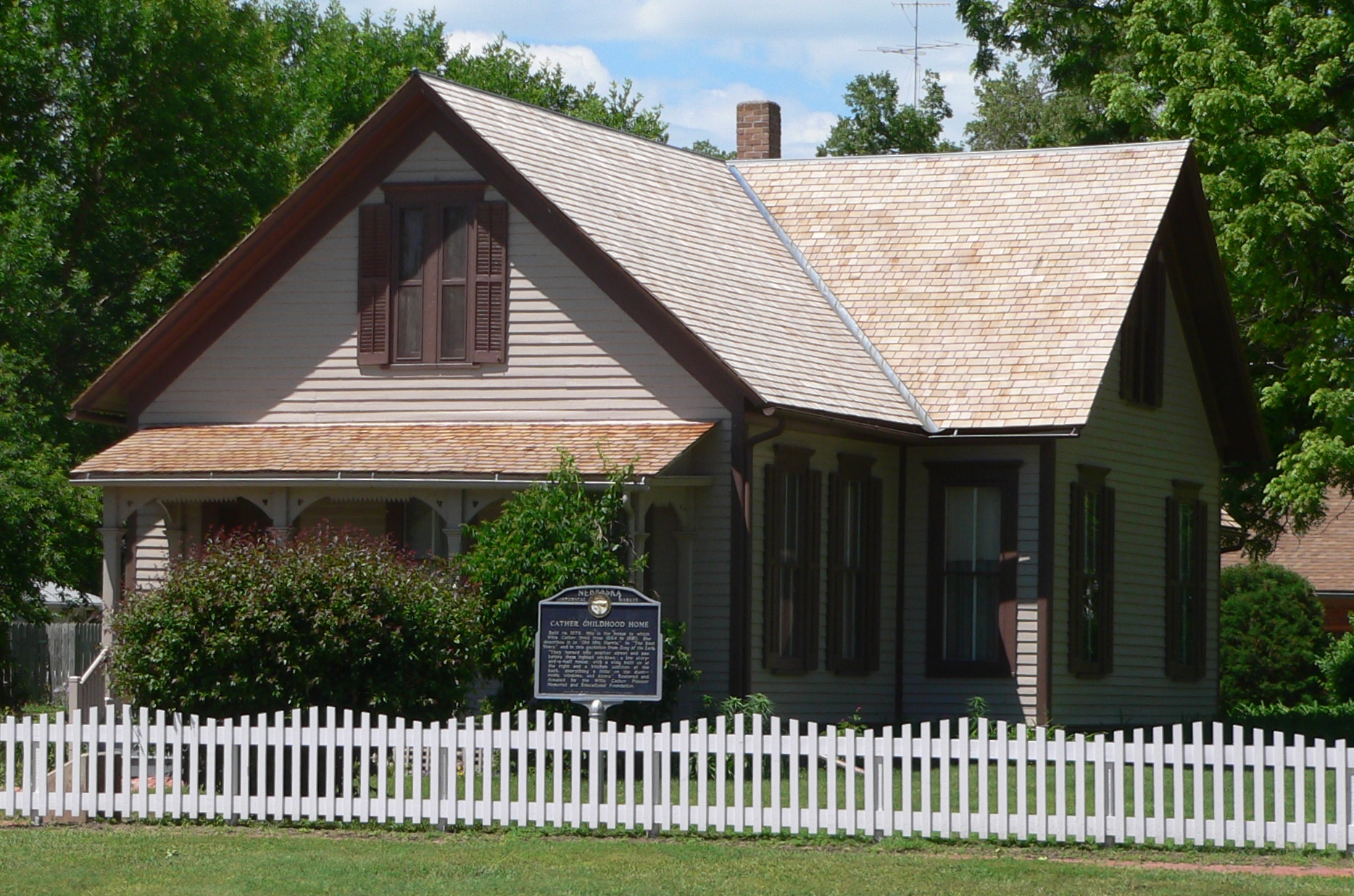
Red Cloud is a small city in south-central Nebraska and the seat of Webster County, with a population of roughly 1,000 residents. Tucked into the rolling prairie of the Great Plains, the town carries a quiet, frontier-era atmosphere and is best known as the childhood home of Pulitzer Prize-winning novelist Willa Cather. Her memories of the surrounding landscape shaped some of the most important American literature of the early twentieth century, and the community still celebrates that heritage today. Red Cloud sits approximately 130 miles southwest of Lincoln and roughly 200 miles from Omaha, making it a remote but rewarding stop for travelers exploring the heart of the continent and a natural gateway to the tallgrass prairie country that inspired Cather's writing.
The Willa Cather Foundation, headquartered in town, preserves and interprets a network of historic sites associated with the author. Visitors can tour her childhood home, the Burlington Depot where her family first arrived in Nebraska, and the family church, all within a short walk or drive of one another. The foundation also operates a research and education center that hosts writers, scholars, and book groups interested in exploring Cather's life and work. The Willa Cather Foundation website is the best starting point for planning a visit, with details on tour packages, the historic sites, and special programming throughout the year.
Just outside Red Cloud, the Willa Cather Memorial Prairie protects a tract of native tallgrass prairie that closely resembles the country Cather described in novels like "My Ántonia" and "O Pioneers!". Walking trails and interpretive signage invite visitors to experience the wildflowers, grasses, and expansive skies that defined the author's early years. The preserve is a short drive from downtown and offers a striking contrast to the cultivated fields that surround it, making it a favorite stop for nature lovers and literary travelers alike.
Outdoor recreation in the broader region centers on Harlan County Lake, a large reservoir about an hour's drive to the south near the town of Alma. The lake draws anglers, boaters, and birdwatchers and provides an additional reason for nature-oriented travelers to base themselves in Red Cloud. The Republican River also winds through the county, adding quieter opportunities for hiking and wildlife viewing along its banks.
Red Cloud's blend of literary pilgrimage sites, well-preserved small-town character, and easy access to intact prairie landscapes gives the community a distinctive appeal for short-term rental guests. Visitors looking for an unhurried, off-the-beaten-path Nebraska experience will find few places that match the town's combination of cultural depth and wide-open scenery, and the steady stream of Cather enthusiasts and prairie travelers makes it a compelling base for owners looking to welcome curious guests year-round.
Want to know if a property in Red Cloud is a good investment?
Enter an address to get instant revenue potential and comps.