
Columbus, Nebraska
Want to see how Columbus compares to other top cities in Nebraska? Explore all city regulations in Nebraska. →
Columbus, NE
Very Investor Friendly
STR Regulations for Columbus, Nebraska
Overview: Are short‑term rentals allowed in Columbus, NE?
Yes. Short‑term rentals are allowed in Columbus, Nebraska. No city‑specific STR registration, permit, or licensing requirements are identified in the materials provided for Columbus. As a result, operators must comply with statewide Nebraska rules and any applicable local zoning, building, and housing standards.
What do Airbnb hosts actually earn in Columbus?
Columbus hosts earn a median $26,183/year with $106 ADR and 74% occupancy.
Top performers pull in $32,649+ per year.
See the full Columbus market breakdownHow to start a short‑term rental business in this market
-
Confirm zoning eligibility
- Review the property’s zoning district in the City of Columbus Land Development Ordinance to ensure residential rental use and short‑term occupancy are permitted. If your property is in a homeowners’ association (HOA) or condominium regime, verify the association’s rental rules, as private covenants often restrict or prohibit transient rentals.
-
Validate structural and safety compliance
- Confirm the dwelling meets local housing codes and safety standards (e.g., working smoke detectors in all sleeping rooms and common areas, carbon monoxide detectors where applicable, clearly marked emergency exits, and safe egress from sleeping areas). Use the Nebraska Landlord–Tenant Act as a baseline for habitability and maintenance responsibilities, and address any outstanding code violations before hosting.
-
Secure specialized insurance
- Standard homeowners or landlord policies typically exclude or limit coverage for transient lodging and short‑term rental activities. Obtain a comprehensive STR policy that covers property, liability, loss of income, and guest‑related risks.
-
Draft compliant agreements and policies
- Use a written short‑term rental agreement that clearly states the term, rate, deposits, house rules, occupancy limits, and cancellation terms. Align clauses with the Nebraska Landlord–Tenant Act—avoid prohibited provisions such as waivers of statutory rights, confession of judgment, or exculpatory clauses. Publish safety procedures, check‑in/out times, pet policies, quiet hours, parking rules, and emergency contact information.
-
Implement operational systems
- Establish reliable check‑in, cleaning turnovers, maintenance protocols, and guest screening consistent with fair housing laws. Maintain accurate guest logs, reservation records, and financial records for tax and compliance purposes.
-
Monitor regulatory updates
- Recheck the City of Columbus zoning/ordinance pages periodically, as municipalities may adopt new STR rules. Subscribe to local updates or maintain a reminder to review Columbus municipal codes quarterly.
Required documents, permits, licenses, and guidelines
Based on the provided materials, Columbus has no identified city‑specific STR registration or licensing requirements. However, the following are prudent and, in some cases, implicitly required:
- Written rental agreement reflecting Nebraska law and terms specific to short‑stay occupancy.
- Property compliance documentation (e.g., evidence of working smoke/CO detectors, safe egress, and general habitability), especially relevant for multi‑unit or older housing stock.
- Contact information and management details provided to guests in writing, as required under the Nebraska Landlord–Tenant Act (owner/manager name and address kept current).
- Specialized STR insurance (strongly recommended).
- Business registration or sales/use tax coordination may be advisable depending on local and state tax obligations; confirm with state/local revenue authorities as these requirements can change.
- HOA or condo approvals/waivers (if applicable).
Note: If you operate a tiny home, park model, or RV‑style dwelling as an STR, additional building and placement standards may apply. See the general Nebraska tiny home/park model context and consult local zoning and building departments for site‑specific requirements.
Specific regulations for short‑term rentals (city, county, and state)
City of Columbus (Platte County)
- No Columbus‑specific STR registration, permit, or license is identified in the provided sources.
- Operators must adhere to general residential use, zoning, building, and housing codes as administered by the City of Columbus. Review the Columbus Land Development Ordinance for permitted uses, density, parking, and any accessory dwelling or rental restrictions that may affect your property.
Platte County
- County‑wide STR licensing or registration is not identified in the provided sources. County zoning and subdivision rules may still apply (e.g., placement, access, or site‑design standards for certain dwellings). Confirm with the County Planning/Zoning office if your property lies outside city limits or is governed by county regulations.
State of Nebraska (key implications for STRs)
- Uniform Residential Landlord and Tenant Act governs landlord and tenant duties for residential leases, including oral/written agreements, habitability standards, entry/notice rules, deposit limits, and termination procedures. While the Act exempts “temporary occupancy in a hotel or motel,” most short‑term rentals of entire homes or units fall under the Act’s framework when renting to guests.
- Deposits: Landlords may require up to one month’s rent as a security deposit and up to one‑quarter of one month’s rent as a pet deposit. Deposits must be returned (with itemization) within 14 days after tenancy ends and proper demand, minus lawful deductions.
- Entry and notice: Landlords must give at least one day’s notice before entering for inspection, repairs, services, or showing, and may enter only at reasonable times, except in emergencies.
- Prohibited lease clauses: Waivers of statutory rights, confessions of judgment, agreements to pay attorney fees by one party, or clauses limiting liability for landlord negligence are unenforceable.
- Utilities and services: Landlords may not interrupt essential services (e.g., electric, gas, water) to recover possession; retaliatory actions are barred if tenants report code violations or organize.
- Habitability and code compliance: Landlords must comply with local housing codes and keep the premises fit and habitable, including heat, hot/cold running water, and safe common areas. Tenants must keep the unit clean and safe, use facilities reasonably, and refrain from damaging the property or disturbing neighbors.
- Zoning and local rules: State law empowers local jurisdictions to craft specific regulations; while Columbus does not appear to have published STR‑specific rules in the provided sources, operators must follow local zoning and housing ordinances.
Contact information (local authority in charge of STRs)
-
City of Columbus (primary authority for zoning and housing standards inside city limits)
- Website: www.columbusne.us/
- Phone: Use the main City line published on the official website; the precise number was not provided in the sources.
- Department focus: Planning/Zoning and Code Enforcement for zoning use and housing compliance.
-
Nebraska State Bar Association (reference for the Landlord–Tenant Act)
- 635 S 14th St., PO Box 81809, Lincoln, NE 68501
- Phone: (402) 475‑7091
- Website: www.nebar.com
-
Proper Insurance (industry guidance and STR coverage context)
- Phone: (888) 631‑6680
- Website: www.proper.insure/regulations/
If your property lies outside the City of Columbus limits, also contact Platte County Planning/Zoning for county requirements.
Links to source pages
- Nebraska Short‑Term Rental Regulations (state overview): www.proper.insure/nebraska-short-term-rental-regulations-and-airbnb-laws/
- Nebraska Uniform Residential Landlord and Tenant Act (pamphlet): www.columbusne.us/DocumentCenter/View/792
- Tiny Homes/Park Models in Nebraska (contextual regulations and county links): www.zookcabins.com/regulations/tiny-homes-in-nebraska
- City of Columbus (general municipal site): www.columbusne.us/ (use the site for current zoning/ordinance access)
Important notes and caveats
- The materials provided do not identify Columbus‑specific STR licensing, registration, or reporting requirements. If the City later adopts STR rules, they may include registration, safety inspections, occupancy limits, parking restrictions, or tax collection measures. Monitor City communications and ordinance updates.
- Columbus zoning and development standards can be property‑specific. Confirm permitted use, accessory dwelling rules, and any HOA/condo restrictions before acquiring or listing a unit.
- Insurance gaps are common in short‑term rentals. A specialized STR policy is highly advisable given exclusions in standard homeowners and landlord policies.
Next step
Found a property in Columbus?
Paste any address and get estimated revenue, cash-on-cash return, and comparable STR performance in under 5 minutes. 3 free analyses per day.
Free brief
Get the free Columbus STR Investment Brief
Revenue data, top neighborhoods, seasonal trends, and the key regulations for Columbus, Nebraska in one email.
Columbus
Market Saturation Score
Photos of Columbus


Overview of Columbus
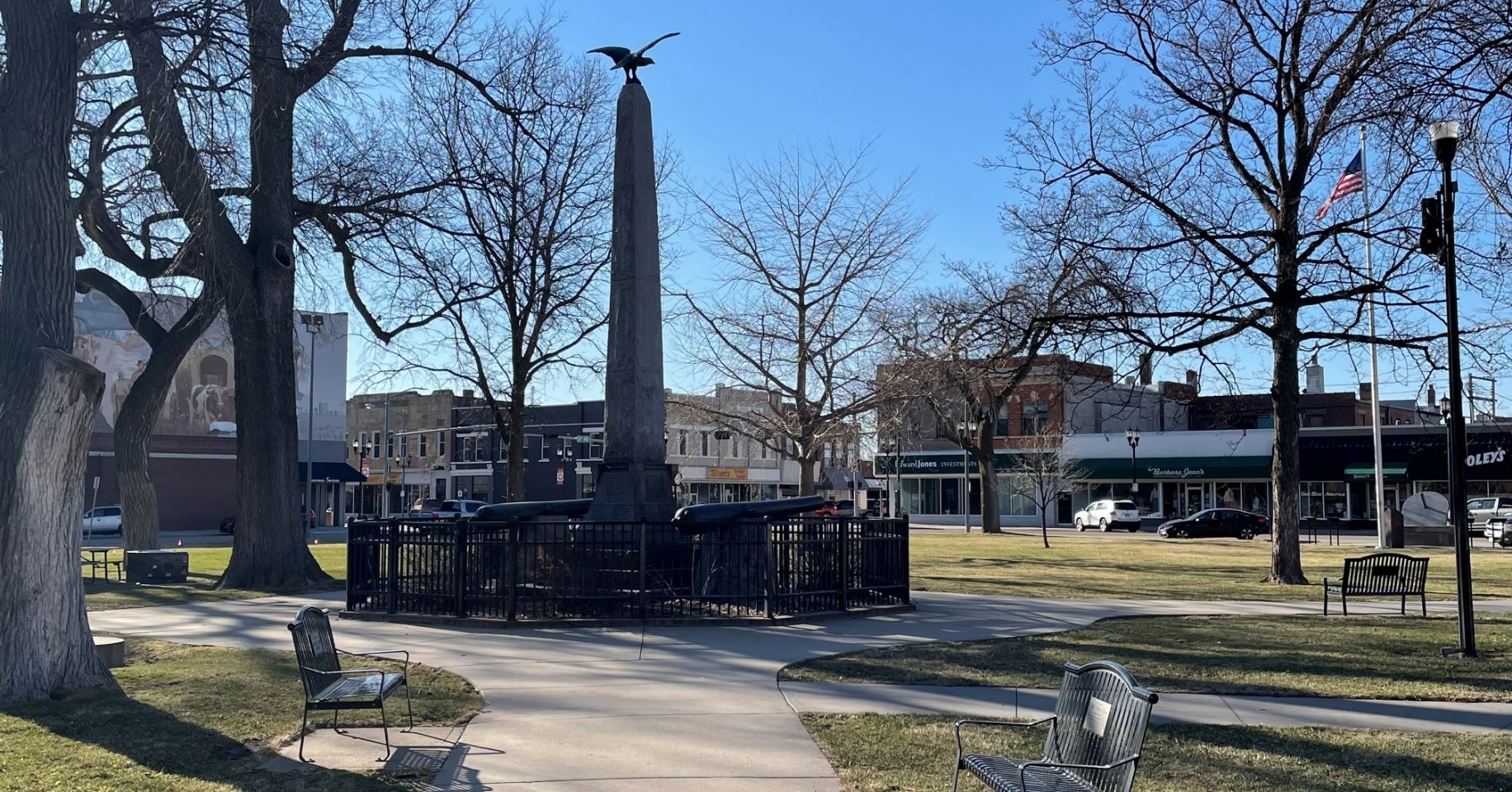
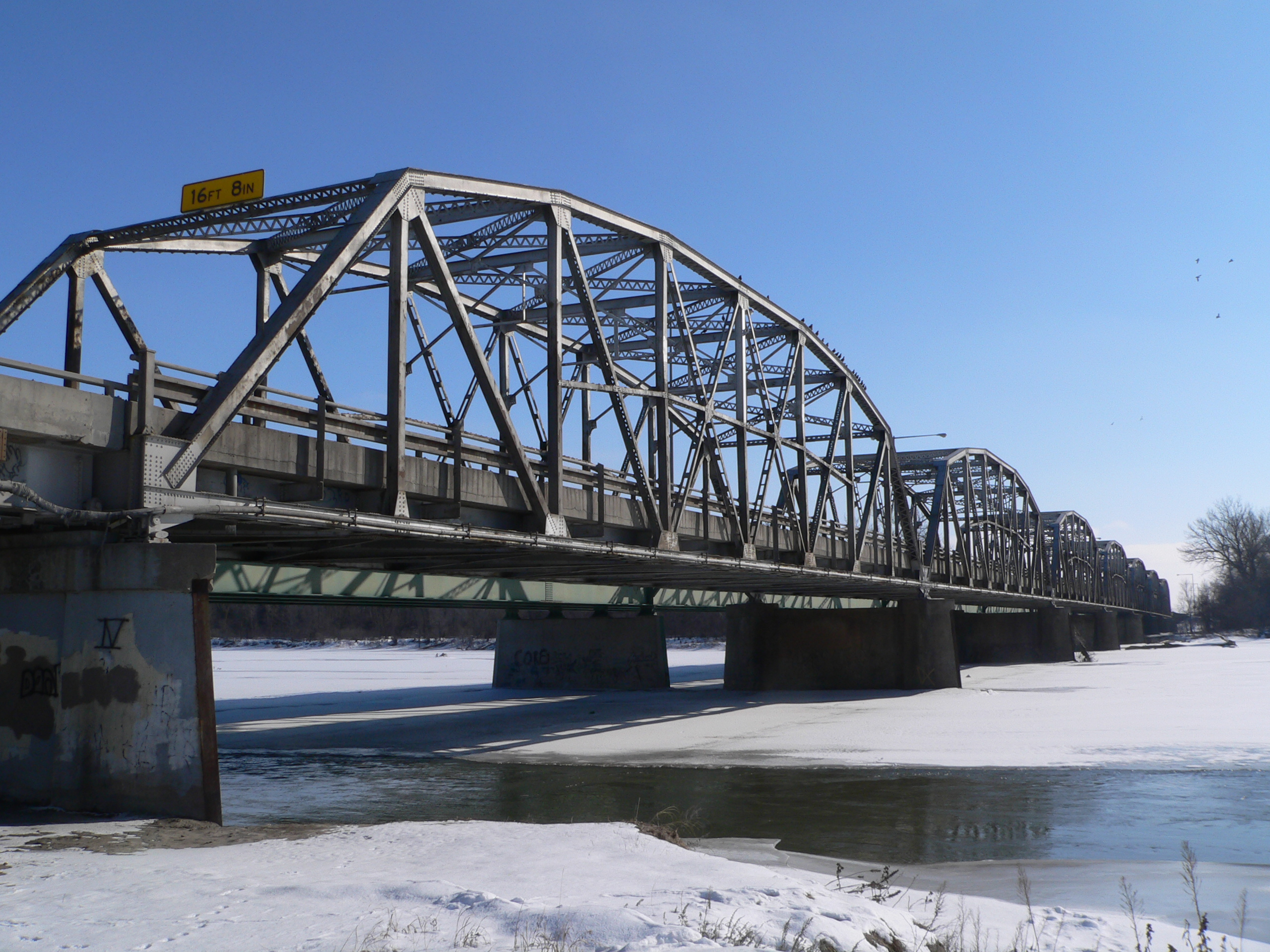
Columbus is a city of approximately 23,000 residents in Platte County, in eastern Nebraska, situated where the Loup River meets the broader Platte River. It serves as a regional center for agriculture and light manufacturing in central Nebraska, with a quiet, Midwestern character and a compact downtown of locally owned shops and historic brick buildings. The nearest major city is Omaha, roughly 85 miles to the east along Interstate 80, while Lincoln lies about 90 miles to the southeast. Travelers passing along the I-80 corridor often pause in Columbus for its slower pace, river scenery, and small-town hospitality.
A short distance west of town, the Platte River spreads into a wide, braided waterway that has become one of North America's most celebrated wildlife viewing corridors. Each spring, hundreds of thousands of sandhill cranes gather along the river on their northward migration, with peak numbers typically occurring in March and early April. The same flyway also carries large flocks of snow geese and numerous raptors, drawing birders and photographers to the river bottoms around Columbus and farther west toward the Platte's broader wetlands and wildlife refuges.
Columbus is also notable as the hometown of Andrew Jackson Higgins, the industrialist whose boat designs — widely known as Higgins boats — carried Allied troops onto the beaches of Normandy on D-Day. A memorial in the city, along with interpretive displays, honors Higgins and the workers at the local plant who built the landing craft during World War II. The site offers an unexpected but compelling stop for those interested in the industrial history of the American home front.
Within an easy drive of the city, a series of public recreation areas and reservoirs along the Loup and Platte rivers provide fishing, small-boat access, picnic spots, and quiet camping. These low-key sites are popular with locals and give visitors a chance to experience the broad, open river landscapes that shape the surrounding countryside, particularly at sunrise and sunset when the wetlands come alive with birdlife.
With its central Nebraska location, easy access to outdoor recreation, and proximity to both the spring crane migration and the larger cities of eastern Nebraska, Columbus offers a calm, affordable base for travelers exploring the Great Plains. Its blend of small-city amenities, industrial heritage, and natural setting makes it an inviting stopover for road-trippers, birders, and families touring the region between the urban centers of Omaha and the mountains farther west.
Want to know if a property in Columbus is a good investment?
Enter an address to get instant revenue potential and comps.