
Wake Forest, North Carolina
Want to see how Wake Forest compares to other top cities in North Carolina? Explore all city regulations in North Carolina. →
Wake Forest, NC
Challenging To Investors

STR Regulations for Wake Forest, North Carolina
Overview: Are Short-Term Rentals Allowed in Wake Forest, NC?
Explicit Answer: Based on the available regulatory content, there are no specific short-term rental regulations found in the Town of Wake Forest's Unified Development Ordinance (UDO) effective July 1, 2025. The document does not explicitly prohibit, permit, or regulate short-term rentals (STRs) as a distinct use category. This means that without specific municipal regulations, short-term rentals would generally fall under existing residential use classifications and applicable zoning district requirements.
Important Note for Investors: The absence of explicit STR regulations in the UDO does not mean STRs are automatically permitted. Investors must carefully review the specific zoning district requirements and use classifications for their property to determine the legal viability of STR operations.
What do Airbnb hosts actually earn in Wake Forest?
Wake Forest hosts earn a median $31,667/year with $168 ADR and 70% occupancy.
Top performers pull in $44,370+ per year.
See the full Wake Forest market breakdownHow to Start a Short-Term Rental Business in Wake Forest Market
Step 1: Zoning Verification
- Determine Property Zoning: Use the Town's zoning map to identify the specific zoning district (GR, NCR, MUR, TSR, DT, NB, CB, CI, IND, OS, AC)
- Review Allowed Uses: Examine Section 3.3 of the UDO (Principal Uses) to confirm short-term rental viability
- Check Dimensional Standards: Ensure your property meets minimum lot requirements, setbacks, and height restrictions for your specific zoning district
Step 2: Property Compliance Assessment
- Building Standards: Verify compliance with building design standards in Chapter 5
- Parking Requirements: Confirm adequate parking per Chapter 9 standards
- Infrastructure Compatibility: Ensure utilities, access, and safety features meet requirements
Step 3: Legal Documentation
- Property Ownership Verification: Confirm clear title and ownership documentation
- Insurance Review: Obtain appropriate liability and property insurance coverage
- Tax Registration: Complete any required business tax registration with local authorities
Required Documents, Permits, Licenses, and Guidelines
Municipal Requirements
Note: The provided UDO content does not specify any STR-specific permits or licenses for Wake Forest. However, general development requirements may apply:
-
Zoning Compliance Documentation
- Zoning verification letter or map
- Use compliance affidavit
- Property survey showing dimensional compliance
-
Building and Safety Compliance
- Certificate of Occupancy (if applicable)
- Fire safety compliance documentation
- Smoke detector and carbon monoxide detector installation proof
-
Business Registration
- Local business license (if required for lodging operations)
- State tax registration for sales tax collection
- County tax registration for occupancy tax collection
State-Level Requirements (North Carolina)
- Sales Tax Registration: Register with NC Department of Revenue for 6.75% sales tax
- Occupancy Tax: May be required at county level (contact Wake County)
- Business Registration: File appropriate business entity documents with NC Secretary of State
Recommended Compliance Documents
- Property Management Agreement (if using professional management)
- Guest Rental Agreements establishing house rules and expectations
- Emergency Contact Information and safety procedures
- Local Contact Information for guests during stay
Specific Regulations: City, County, and State Level
City of Wake Forest
Current Status: No specific STR regulations identified in the UDO as of the provided content (effective July 1, 2025). The following general requirements apply:
- Zoning Compliance: STRs must comply with underlying zoning district use requirements
- Building Code Compliance: All applicable building and fire codes must be met
- Parking Standards: Chapter 9 parking requirements must be satisfied
- Sign Regulations: Chapter 13 sign standards apply to any exterior signage
Wake County Level
Overnight Accommodations Regulations: The County has initiated public comment processes for overnight accommodations regulations, but specific requirements were not detailed in the provided content.
Potential County Requirements:
- Occupancy tax collection and remittance
- Business license requirements
- Safety inspection requirements
North Carolina State Level
- Sales Tax: 6.75% on accommodation charges
- Building Codes: NC Building Code compliance required
- Fire Safety: NFPA standards for residential structures
- ADA Compliance: If applicable based on property characteristics
Contact Information for Local Authority
Town of Wake Forest Planning Department
Primary Contact for Zoning Questions
- Phone: (919) 435-9510
- Email: planning@wakeforestnc.gov
- Website: www.wakeforestnc.gov/departments/planning
- Physical Address:
- Planning Department
- Town of Wake Forest
- 301 S. Brooks Street
- Wake Forest, NC 27587
Wake County Government
Contact for County-Level Requirements
- Phone: (919) 856-5400
- Website: www.wake.gov
- Physical Address:
- Wake County Administration Building
- 10 S. Salisbury Street
- Raleigh, NC 27601
North Carolina Department of Revenue
Tax Registration and Compliance
- Phone: (877) 252-3052
- Website: www.ncdor.gov
- Physical Address:
- North Carolina Department of Revenue
- 501 N. Wilmington Street
- Raleigh, NC 27604
North Carolina Secretary of State
Business Registration
- Phone: (919) 814-5400
- Website: www.sosnc.gov
- Physical Address:
- North Carolina Secretary of State
- 2 S. Salisbury Street
- Raleigh, NC 27601
Links to Source Pages
Primary Regulatory Documents
- Town of Wake Forest UDO (Unified Development Ordinance)
- Raleigh STR Regulations (for regional comparison)
Supporting Resources
Municipal Services
- Town of Wake Forest Planning Department
- Wake County Government Portal
- North Carolina Department of Revenue
Important Investment Considerations
Current Regulatory Gap
The absence of specific STR regulations in Wake Forest presents both opportunities and risks for investors:
Opportunities:
- Potentially less restrictive than other jurisdictions
- Flexibility in property use interpretation
- Earlier market entry advantage
Risks:
- Future regulatory changes could impose stricter requirements
- Lack of clear operational guidelines
- Potential conflicts with residential zoning interpretations
Recommended Investment Strategy
- Legal Consultation: Engage local real estate attorney familiar with zoning interpretation
- Zoning Pre-Approval: Seek written zoning determination from Planning Department
- Insurance Protection: Comprehensive liability coverage for STR operations
- Market Research: Analyze nearby jurisdictions' regulations for potential regulatory spillover
- Financial Planning: Prepare for potential future compliance costs
Monitoring Requirements
Investors should regularly monitor:
- Town Board meeting agendas for STR-related discussions
- County-level regulation development
- State legislative changes affecting STR operations
- Court decisions on zoning interpretations in similar jurisdictions
This regulatory landscape in Wake Forest requires careful due diligence and ongoing monitoring, as the absence of specific regulations does not guarantee continued regulatory silence.
Next step
Found a property in Wake Forest?
Paste any address and get estimated revenue, cash-on-cash return, and comparable STR performance in under 5 minutes. 3 free analyses per day.
Free brief
Get the free Wake Forest STR Investment Brief
Revenue data, top neighborhoods, seasonal trends, and the key regulations for Wake Forest, North Carolina in one email.
Wake Forest
Market Saturation Score
Photos of Wake Forest

Overview of Wake Forest
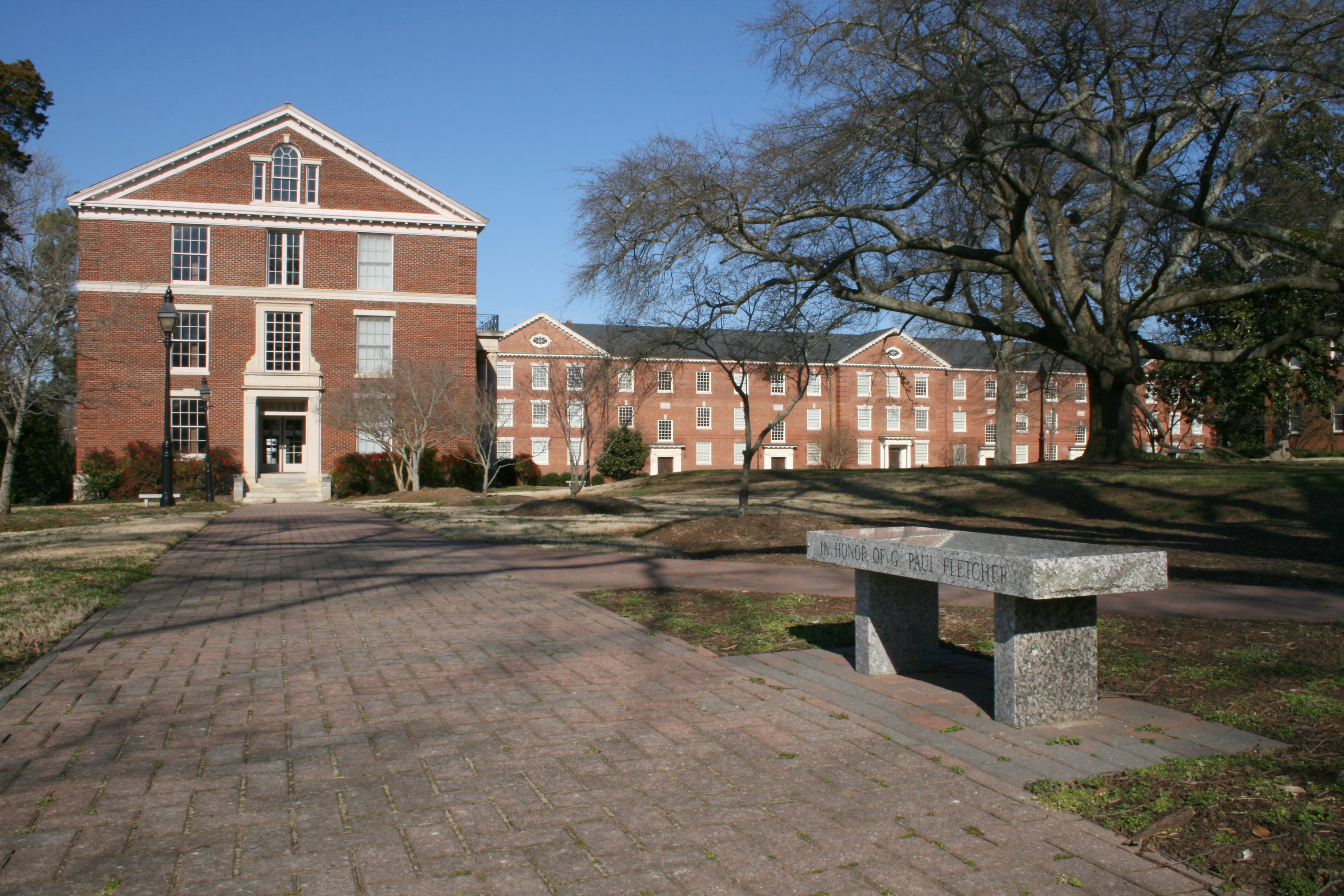
Wake Forest is a growing suburban town in Wake County, North Carolina, with a population of roughly 47,000 residents. Located about 16 miles north of downtown Raleigh, the town carries the unmistakable charm of a former Southern college town while functioning today as a popular residential and commuter community within the Research Triangle region. Its leafy streets, well-preserved historic downtown, and family-friendly atmosphere give it a small-town feel, even as new restaurants, breweries, and subdivisions continue to expand its footprint. Wake Forest is perhaps best known as the original home of Wake Forest University and for serving as a convenient base for travelers exploring the broader Triangle area, including Raleigh, Durham, and Chapel Hill.
A few miles east of the town center, Falls Lake State Recreation Area sprawls across more than 26,000 acres of forested shoreline and open water. The reservoir and surrounding park offer swimming, boating, fishing, hiking, and camping, all within roughly a 20-minute drive from downtown Wake Forest. The lake's multiple access points, including the Holly Point and Shinleaf campgrounds, make it a year-round draw for visitors who want to experience North Carolina's piedmont outdoors without driving to the mountains or coast.
In the heart of town, the historic downtown district along South White Street and Brooks Street has become one of Wake Forest's most appealing gathering spots. Restored brick storefronts now house independent boutiques, coffee shops, and restaurants, and the area regularly hosts community events and seasonal festivals. Just a short walk from the downtown core, the Wake Forest Historical Museum occupies the town's former depot and surrounding campus, offering exhibits on local history from the colonial era through the university's early decades.
About a half-hour drive south, the North Carolina Museum of Natural Sciences in downtown Raleigh anchors the state's cultural offerings with free admission and one of the largest natural history collections in the Southeast. Pairing a Wake Forest stay with a day in the state capital allows visitors to experience both the quieter suburban setting and the broader urban amenities of the Triangle, from the State Capitol and Pullen Park to the research-driven dining and arts scenes of Durham and Chapel Hill.
For short-term rental owners, Wake Forest offers an appealing combination of suburban comfort and strategic location. Its proximity to Falls Lake, the charm of its walkable downtown, and easy access to the wider Research Triangle create a steady year-round appeal for visiting families, business travelers, university guests, and outdoor enthusiasts. Few North Carolina towns blend small-town character with metropolitan access quite as effectively as Wake Forest does.
Want to know if a property in Wake Forest is a good investment?
Enter an address to get instant revenue potential and comps.