
Pineville, North Carolina
Want to see how Pineville compares to other top cities in North Carolina? Explore all city regulations in North Carolina. →
Pineville, NC
Generally Investor Friendly
STR Regulations for Pineville, North Carolina
Overview: Are Short-Term Rentals Allowed in Pineville, NC?
Short-term rentals are allowed in Pineville, NC, but operate within the framework of general zoning regulations rather than specific short-term rental ordinances. Unlike some North Carolina municipalities that have enacted dedicated short-term rental laws (such as Charlotte and Raleigh), Pineville relies primarily on its comprehensive Zoning Ordinance to regulate lodging activities. Hosts must ensure their STR operations comply with applicable zoning classifications, building codes, and tax obligations at the state and county level.
What do Airbnb hosts actually earn in Pineville?
Pineville hosts earn a median $33,820/year with $152 ADR and 78% occupancy.
Top performers pull in $43,847+ per year.
See the full Pineville market breakdownHow to Start a Short-Term Rental Business in Pineville, NC
Step 1: Verify Zoning Compliance
Before establishing any short-term rental operation, investors must first confirm their property's zoning classification permits transient lodging activities. Review the Pineville Zoning Ordinance to determine:
- Whether your property falls within a zoning district that allows commercial lodging
- If special permits or conditional use approvals are required
- Dimensional requirements (setbacks, height limits, lot coverage)
- Parking requirements for commercial uses
Step 2: Obtain Necessary Permits and Licenses
Based on Pineville's administrative framework, the following may be required:
Business License: All commercial operations within Pineville city limits require a business license. Contact the Town Clerk for application procedures and fees.
Building and Fire Inspections: Properties used for commercial lodging must comply with building codes and fire safety requirements. Schedule inspections through the Planning Department.
Conditional Zoning Approval: If your STR operation requiresrezoning or involves non-conforming uses, submit applications through the Planning Director following procedures outlined in Chapter 2 of the Zoning Ordinance.
Step 3: Tax Registration and Compliance
Register with appropriate tax authorities for:
- North Carolina Sales Tax (4.75% state rate + local rate)
- Mecklenburg County Room Occupancy Tax
- Local business privilege taxes if applicable
Step 4: Operational Setup
- Develop standard operating procedures for guest management
- Establish relationships with local service providers (cleaning, maintenance)
- Create emergency response protocols
- Implement noise and nuisance management systems
Required Documents, Permits, Licenses, and Guidelines
Local Requirements
Business License Application (Town Clerk)
- Completed application form
- Property ownership documentation or lease agreement
- Site plan showing property boundaries and structures
- Proof of property insurance
- Fire safety compliance certificate
Zoning Compliance Certificate (Planning Director)
- Zoning verification letter
- Site plan review (if required)
- Conditional use permit (if applicable)
Building/Fire Inspection Reports
- Life safety inspections
- Smoke detector and carbon monoxide detector verification
- Emergency egress compliance
- Electrical and plumbing system compliance
State and Federal Requirements
North Carolina Sales Tax Registration (NC Department of Revenue)
- CompletedForm NC-BR Application for Business Registration
- Federal EIN assignment
- State tax identification number
Mecklenburg County Room Occupancy Tax Registration
- Business information filing
- Tax remittance setup
Specific Regulations for Short-Term Rentals
City-Level Regulations (Pineville)
Zoning Compliance: Short-term rentals must operate in zoning districts that permit commercial lodging activities. Review Table 6-1 in the Zoning Ordinance to determine permitted uses in your specific zoning classification.
Use Classifications: The Zoning Ordinance defines various lodging-related uses:
- Hotel or Motel (principal commercial use)
- Bed and Breakfast (may have special regulations)
- Commercial Rooming House
- Boarding House (special rules apply)
Dimensional Standards: Properties must comply with setback requirements, height limitations, and lot coverage standards specified for their zoning district.
Parking Requirements: Commercial lodging uses must provide parking per Chapter 4 standards, including:
- Off-street parking calculations
- Loading requirements for commercial uses
- Parking in residential zones restrictions
County-Level Regulations (Mecklenburg County)
Room Occupancy Tax: Mecklenburg County assesses room occupancy taxes on rents charged for accommodations in hotels, motels, corporate housing, and similar places, including private homes rented for less than 90 days.
Code Enforcement: Properties must comply with Mecklenburg County Code Enforcement standards for:
- Building maintenance
- Health and safety requirements
- Property standards enforcement
State-Level Regulations (North Carolina)
Sales Tax: The State of North Carolina assesses sales tax on gross receipts from short-term rentals. The combined rate typically ranges from 6.75-7.5% including both state (4.75%) and local components.
Building Codes: All STR properties must comply with North Carolina Building Code requirements including:
- Smoke detection systems
- Carbon monoxide detection
- Emergency egress standards
- Accessibility requirements (if applicable)
Business Registration: Operators must register with the NC Department of Revenue for sales tax collection and remittance.
Contact Information
Local Authorities
Town of Pineville Planning Department
- Planning Director
- Address: 200 Dover Street, Pineville, NC 28134
- Phone: (704) 889-2291
- Email: planning@pinevillenc.gov
- Website: www.pinevillenc.gov
Pineville Town Clerk
- Business License Applications
- Phone: (704) 889-2291
- Address: 200 Dover Street, Pineville, NC 28134
Pineville Fire Department
- Fire Inspection Scheduling
- Phone: (704) 889-2291
State and County Contacts
NC Department of Revenue
- Sales Tax Registration and Compliance
- Phone: (877) 252-3052
- Website: www.ncdor.gov
Mecklenburg County Tax Collector
- Room Occupancy Tax Information
- Phone: (980) 314-2000
- Website: www.mecknc.gov
Mecklenburg County Code Enforcement
- Property Standards and Complaints
- Phone: (980) 314-2640
- Website: www.mecknc.gov/LUESA/CodeEnforcement
Links to Source Pages
Primary Local Regulation Sources:
- Pineville Zoning Ordinance (2025) - Comprehensive zoning regulations for Pineville, NC
State-Level Information:
- North Carolina Department of Revenue - Sales and Use Tax - Official state guidance on rental accommodation taxation
County-Level Resources:
- Mecklenburg County Room Occupancy Tax Information - County-level occupancy tax requirements and procedures
Additional Context:
- Airbnb Tax Collection and Remittance in North Carolina - Platform-level tax collection information
- Charlotte-Mecklenburg Short-Term Rental Registration - Regional reference for STR registration procedures
Important Note for Investors: While Pineville does not have a dedicated short-term rental ordinance like neighboring Charlotte, investors should remain vigilant for future regulatory changes. The town's zoning framework provides a foundation for STR operations, but ongoing monitoring of municipal codes and county regulations is essential for sustained compliance. Consider consulting with local planning professionals and maintaining strong relationships with town officials to navigate any future regulatory developments in the short-term rental sector.
Next step
Found a property in Pineville?
Paste any address and get estimated revenue, cash-on-cash return, and comparable STR performance in under 5 minutes. 3 free analyses per day.
Free brief
Get the free Pineville STR Investment Brief
Revenue data, top neighborhoods, seasonal trends, and the key regulations for Pineville, North Carolina in one email.
Pineville
Market Saturation Score
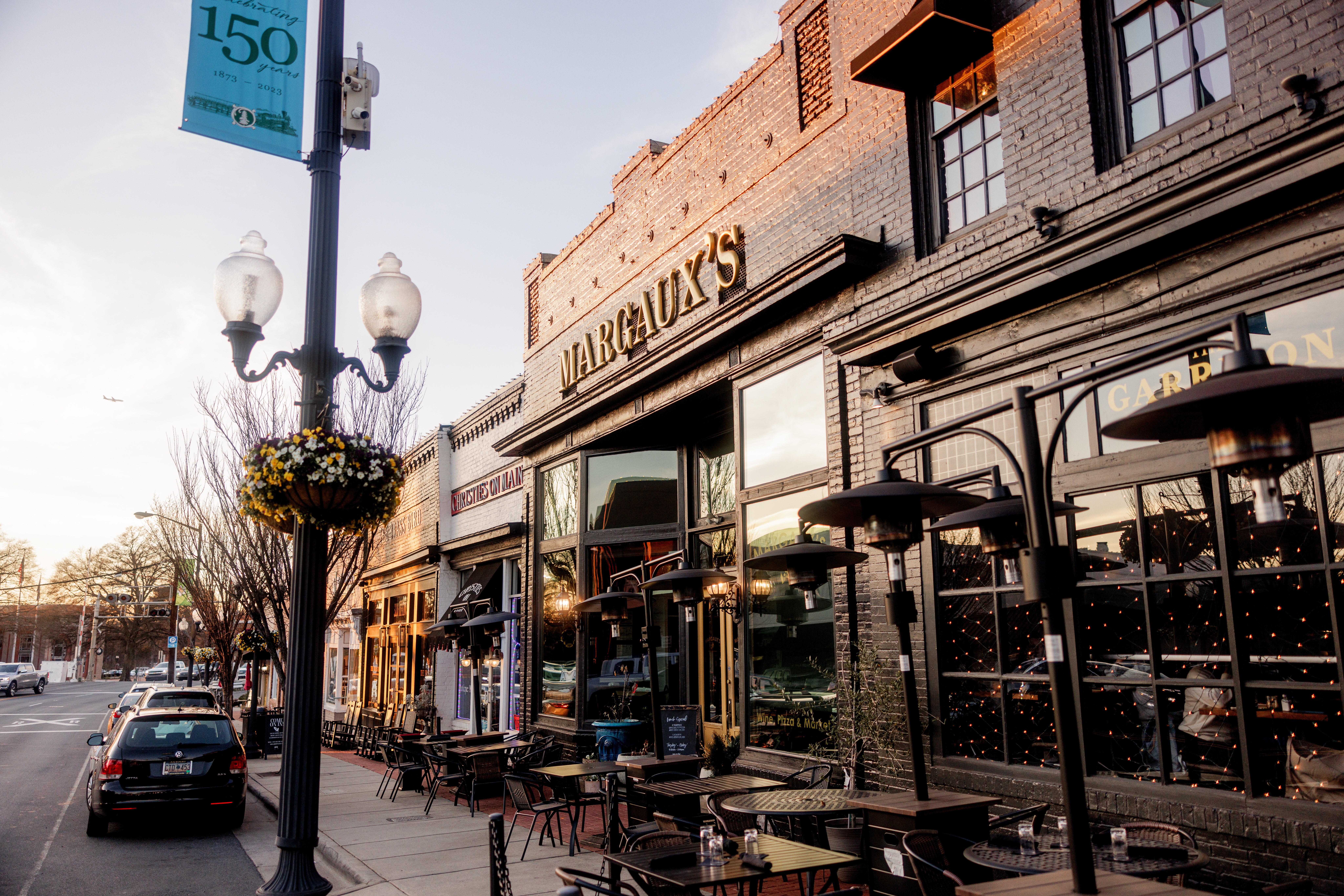
Photos of Pineville

Overview of Pineville
Pineville is a small town in Mecklenburg County, North Carolina, tucked into the southern edge of the Charlotte metropolitan area. With a population of roughly 8,000 to 9,000 residents, it has a compact, walkable feel that contrasts with the sprawling suburbs surrounding it. The town carries a quiet historic identity rooted in its 19th-century cotton mill past, and today it functions as a convenient southern gateway to the Charlotte region, sitting only about ten miles south of uptown Charlotte, a drive of roughly fifteen to twenty minutes depending on traffic.
One of the most prominent draws in the immediate area is Carowinds, the large amusement and water park that straddles the North Carolina–South Carolina state line. The park is essentially on Pineville's doorstep, only a few minutes' drive from the town center, and its roller coasters, family rides, and adjacent water park make it a year-round anchor for visitors heading into the region from the south. The park's seasonal events, including its well-known fall festival and winter holiday celebrations, extend the calendar of demand well beyond the typical summer months.
Downtown Pineville itself offers a more low-key counterpoint, centered on the Pineville Historic District, where the original cotton mill village layout, modest worker cottages, and a few surviving commercial buildings still convey the town's 19th- and early 20th-century character. Visitors strolling the area can pause at a handful of locally owned shops and restaurants and get a sense of the small mill community that Pineville once was, before the arrival of suburban development reshaped the surrounding landscape.
For outdoor recreation, the McAlpine Creek Greenway winds through the area just north and east of town, offering paved multi-use trails for walking, jogging, and cycling that connect into the broader Carolina Thread Trail network. A short drive west, around twenty minutes or so, brings visitors to Daniel Stowe Botanical Garden, a 380-acre public garden in Belmont featuring formal gardens, woodland trails, a large orchid conservatory, and seasonal displays that draw gardeners and casual visitors alike.
Pineville's appeal as a short-term rental base comes from this combination of accessibility and variety. Guests can be at a major theme park in minutes, stroll a historic mill village on foot, hike or bike along regional greenways, and still reach uptown Charlotte's dining, sports venues, and business districts in under half an hour. That mix of small-town character, immediate entertainment anchors, and proximity to a major Southern city makes Pineville a quietly practical home base for travelers exploring the Charlotte region.
Want to know if a property in Pineville is a good investment?
Enter an address to get instant revenue potential and comps.