
Kannapolis, North Carolina
Want to see how Kannapolis compares to other top cities in North Carolina? Explore all city regulations in North Carolina. →
Kannapolis, NC
Generally Investor Friendly
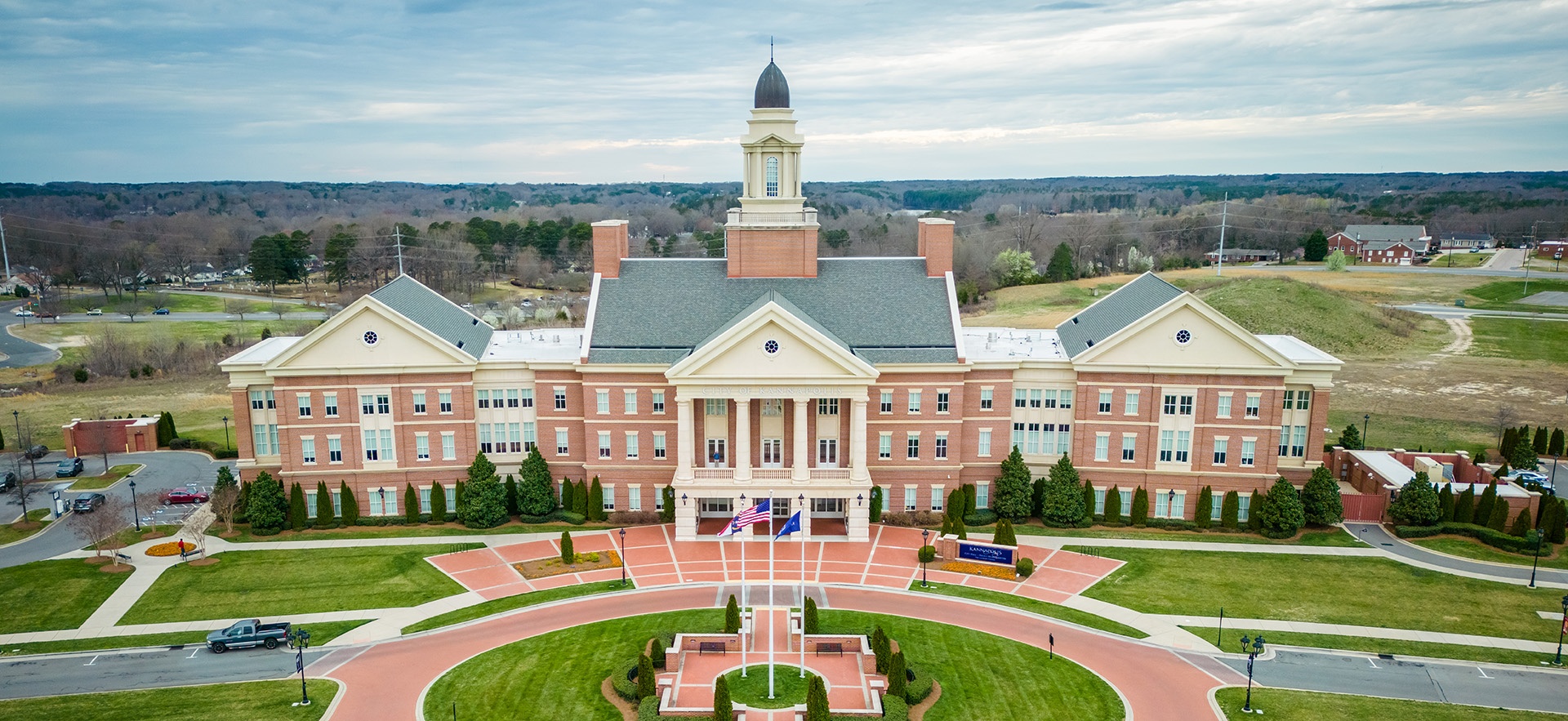
STR Regulations for Kannapolis, North Carolina
Overview: Are Short-Term Rentals Allowed in Kannapolis, NC?
Yes, short-term rentals are explicitly allowed in Kannapolis, North Carolina. Short-term rentals are classified as a "principal use" under the city's Visitor Accommodations category and are permitted in multiple zoning districts throughout the city. According to the Kannapolis Development Ordinance (effective July 1, 2022), short-term rentals may be established as principal uses, subject to specific zoning district requirements and compliance with use-specific standards.
What do Airbnb hosts actually earn in Kannapolis?
Kannapolis hosts earn a median $28,001/year with $137 ADR and 68% occupancy.
Top performers pull in $37,103+ per year.
See the full Kannapolis market breakdownHow to Start a Short-Term Rental Business in Kannapolis
Step 1: Zoning Compliance Assessment
Before purchasing or developing a property for short-term rental use, investors must first verify that the intended property is located in a zoning district where short-term rentals are permitted. Short-term rental allowances vary significantly by zoning district:
Permitted with Special Use Permit (S):
- R4, R6, R7, R8, R18 (Multi-family Residential districts)
Permitted by Right (P):
- MU-N (Mixed-Use Neighborhood)
- MU-SC (Mixed-Use Suburban Core)
- MU-UC (Mixed-Use Urban Core)
- MU-AC (Mixed-Use Activity Center)
- TOD (Transit-Oriented Development)
- CC (Commercial Center)
- OI (Office-Institutional)
- GC (General Commercial)
- LI (Light Industrial)
- HI (Heavy Industrial)
Step 2: Permit Application Process
The application process depends on your zoning district:
For Properties Requiring Special Use Permits (Residential Districts):
- Submit special use permit application to the Planning Department
- Complete public hearing process before Board of Adjustment
- Demonstrate compliance with use-specific standards
- Obtain special use permit approval
For Properties Permitted by Right (Mixed-Use/Commercial Districts):
- Submit zoning clearance permit application
- Demonstrate compliance with use-specific standards
- Obtain zoning clearance approval
Step 3: Compliance Verification
All short-term rental operations must comply with applicable state and local regulations, including obtaining all required licenses, certificates, and other authorizations as specified in the development ordinance.
Required Documents, Permits, Licenses, and Guidelines
Zoning Permits and Approvals
Special Use Permit (Required in R4, R6, R7, R8, R18 districts):
- Special use permit application
- Site plan meeting LDSM requirements
- Evidence of compliance with use-specific standards
- Public hearing fees and notification requirements
Zoning Clearance Permit (Required in mixed-use and commercial districts):
- Zoning clearance permit application
- Site plan or plot plan
- Documentation of use-specific standard compliance
Use-Specific Standards Compliance
All short-term rentals must comply with standards outlined in Section 4.2.D(5)h.2 of the Kannapolis Development Ordinance. While specific requirements are detailed in the ordinance, investors should expect standards addressing:
- Parking requirements
- Occupancy limitations
- Operating hours restrictions
- Property maintenance standards
- Safety and accessibility compliance
State and Local Licensing Requirements
Operators must obtain all applicable licenses, certificates, and authorizations required by:
- North Carolina state law
- Cabarrus County regulations
- City of Kannapolis requirements
Important Note: The specific licensing requirements for short-term rental operations in North Carolina and Cabarrus County should be verified with local authorities, as these may include business licenses, sales tax permits, and transient accommodation taxes.
Specific Regulations for Short-Term Rentals
Zoning District Requirements
Residential Districts (R4, R6, R7, R8, R18) - Special Use Permit Required:
- Short-term rentals are considered secondary to residential use
- May require additional buffering or screening from adjacent residential uses
- Special consideration for neighborhood compatibility
- Operating restrictions may be more stringent
Mixed-Use Districts (MU-N, MU-SC, MU-UC, MU-AC, TOD) - Permitted by Right:
- Short-term rentals complement mixed-use development patterns
- May be integrated with other commercial uses
- Generally more flexible operating conditions
- Parking requirements may be satisfied through shared parking arrangements
Commercial Districts (CC, OI, GC) - Permitted by Right:
- Short-term rentals align with visitor accommodation purposes
- Integration with hotels and other lodging uses expected
- Standard commercial operating conditions apply
- Parking requirements follow commercial standards
Industrial Districts (LI, HI) - Permitted by Right:
- Short-term rentals typically serve business travelers
- Must comply with industrial district standards
- Limited to areas with adequate infrastructure access
- May require additional access management
Use Classification Context
Short-term rentals fall under the "Visitor Accommodations" use category, which also includes:
- Bed and breakfast establishments (require special use permits)
- Hotels and motels (permitted in commercial districts)
Short-term rentals are specifically distinguished from:
- Group Living Uses (boarding houses, dormitories) - occupied monthly or longer
- Household Living Uses - traditional residential tenancy arrangements
Operational Standards
All short-term rental operations must adhere to the general provisions of the development ordinance, including:
- Compliance with applicable building codes
- Fire safety requirements
- Accessibility standards
- Noise and nuisance regulations
- Signage limitations
- Parking requirements
State-Level Regulations for North Carolina
While Kannapolis has specific local zoning requirements, North Carolina state law provides the overarching framework for short-term rental operations:
General State Requirements
- Business registration and tax obligations
- Sales tax collection and remittance for transient accommodations
- Property safety and habitability standards
- Consumer protection compliance
Local Implementation
State law allows local governments to establish additional requirements for short-term rentals. Kannapolis has exercised this authority through its zoning ordinance provisions.
Important: Investors should verify current state requirements with the North Carolina Department of Revenue and local tax authorities for:
- Sales tax collection obligations
- Local transient accommodation taxes
- Business licensing requirements
- Property registration requirements
Contact Information for Local Authority
City of Kannapolis Planning Department
Primary Contact for Zoning and Permits:
Mailing Address: City of Kannapolis Planning Department PO Box 1198 Kannapolis, NC 28082
Physical Address: Kannapolis City Hall 246 Lantern Drive Kannapolis, NC 28083
Phone: (704) 920-4341 Email: planning@kannapolisnc.gov
Website: www.kannapolisnc.gov/Departments/Planning
Planning Director: The Planning Director is responsible for interpreting unlisted uses and administering zoning clearance permits.
Board of Adjustment: Reviews special use permit applications for short-term rentals in residential districts.
Cabarrus County (Additional Contacts)
Cabarrus County Planning & Development: For questions about county-level regulations that may apply.
Phone: (704) 920-2144 Website: www.cabarruscounty.us/
North Carolina State Agencies
N.C. Department of Revenue: For state tax requirements and transient accommodation tax obligations.
Phone: (877) 252-4052 Website: www.ncdor.gov/
Source Pages and References
Primary Zoning Ordinance
- Source: Kannapolis Development Ordinance, Article 4, Section 4.2.D(5)h.2
- URL: www.kannapolisnc.gov/Portals/0/Kannapolis/Departments/Planning/KDO%20Rewrite/Article%204.pdf
- Effective Date: July 1, 2022
- Document Version: Ver=3D1RxeXT37gc-u1Bb3e0wA%3D%3D
Key Sections Referenced:
- Principal Use Table (Table 4.2.B(5)) - Determines allowed zoning districts
- Section 4.2.C(6)(h) - Visitor Accommodations use category classification
- Section 4.2.D(5)h.2 - Short-term rental specific standards
- Section 2.5.A(5) - Special use permit procedures
- Section 2.5.C(1) - Zoning clearance permit procedures
Additional Resources
- City of Kannapolis Official Website: www.kannapolisnc.gov/
- Planning Department Online: www.kannapolisnc.gov/Departments/Planning
- Development Ordinance Information: Available through Planning Department
Disclaimer: This guide is based on the Kannapolis Development Ordinance effective July 1, 2022. Zoning regulations and requirements may be updated. Investors should verify current requirements with the Planning Department before making investment decisions. This information is provided for general guidance and should not be considered legal advice.
Next step
Found a property in Kannapolis?
Paste any address and get estimated revenue, cash-on-cash return, and comparable STR performance in under 5 minutes. 3 free analyses per day.
Free brief
Get the free Kannapolis STR Investment Brief
Revenue data, top neighborhoods, seasonal trends, and the key regulations for Kannapolis, North Carolina in one email.
Kannapolis
Market Saturation Score
Photos of Kannapolis
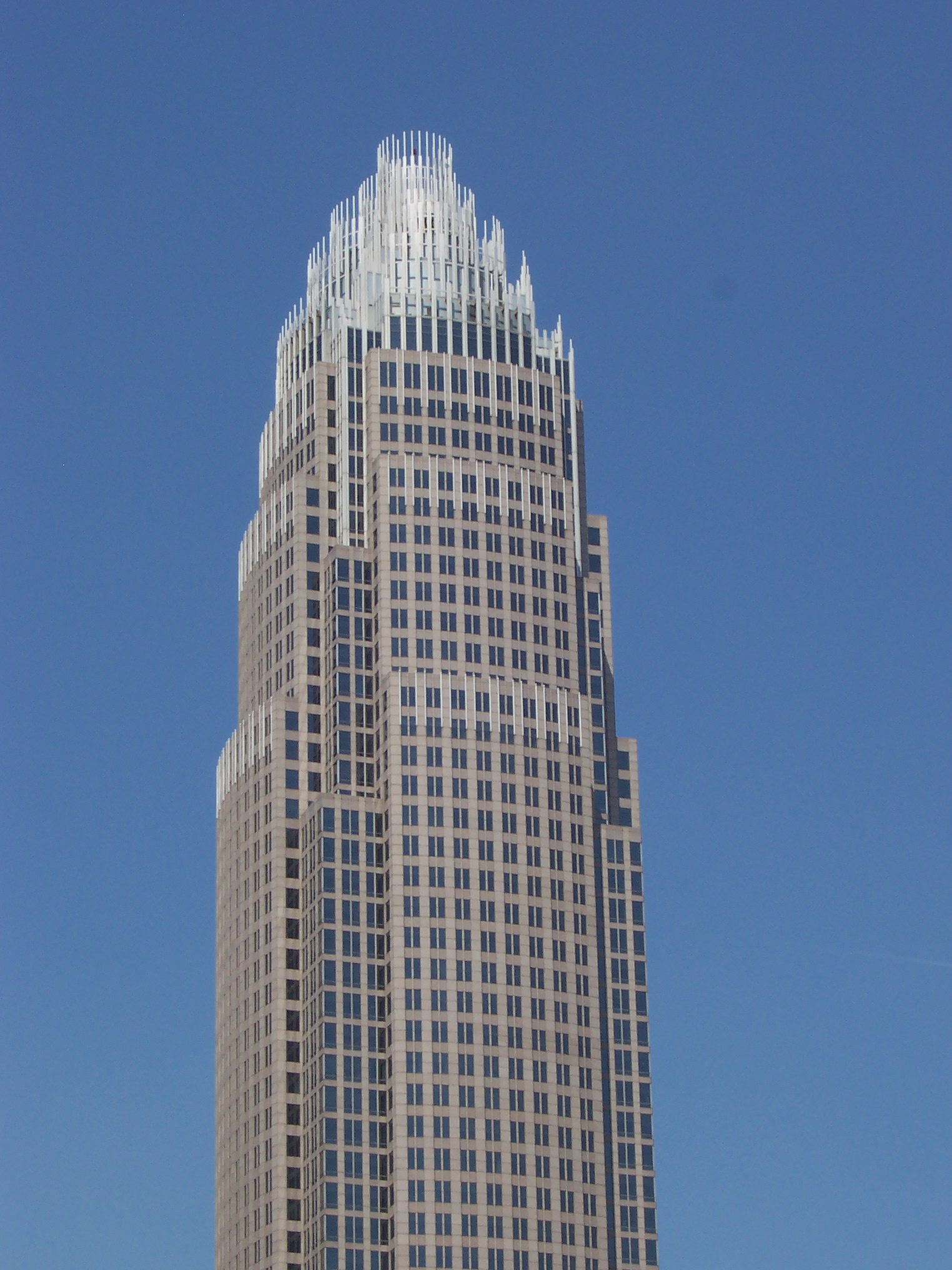


Overview of Kannapolis
Kannapolis is a mid-sized city in Cabarrus County, North Carolina, situated in the southwestern part of the state within easy reach of the larger Charlotte metropolitan area. With a population of approximately 55,000, the city carries a blue-collar industrial heritage rooted in its history as the longtime home of Cannon Mills, once one of the largest textile manufacturers in the United States. That legacy has gradually given way to a more diverse economy anchored by biotech research, healthcare, and an emerging downtown entertainment district. Kannapolis is best known for its NASCAR connections, as the hometown of racing legend Dale Earnhardt, and it sits next door to several of the region's biggest motorsports and entertainment draws. The city lies roughly 25 miles northeast of Charlotte, making it a quiet, affordable alternative to staying directly in the larger urban core while still placing visitors within a short drive of major attractions.
Just across the Cabarrus County line in neighboring Concord, the Charlotte Motor Speedway is the marquee attraction within a few minutes of Kannapolis, typically less than a 15-minute drive southwest. The speedway is a major NASCAR venue that hosts the Coca-Cola 600, the longest race in the Cup Series calendar, along with the Carolina ROVAL events and the zMAX Dragway, a four-lane drag strip located on the same campus. Together the complex makes the area a year-round destination for racing fans and one of the primary reasons travelers book accommodations in the region.
Kannapolis's revitalized downtown is centered around the North Carolina Research Campus, a 350-acre life sciences hub developed on the former Cannon Mills site. The campus brings together researchers from multiple universities and private companies focused on nutrition, agriculture, and human health. Adjacent to it, the city's Village Park hosts outdoor concerts, a splash pad, and seasonal events that give the downtown area a walkable, family-friendly feel. A short stroll from the park brings visitors to the Gem Theatre, a restored historic venue that screens films and hosts live performances in a setting that nods to the city's early-twentieth-century roots.
Sports fans also have a home team to follow in the Kannapolis Cannon Ballgers, a Low-A affiliate in the Carolina League that plays at Atrium Health Ballpark in the heart of downtown. Game days create a steady pulse of visitors, and the stadium's modern amenities have helped anchor the area's ongoing redevelopment. For shoppers, Concord Mills, one of the largest outlet and entertainment malls in the state, is just minutes away.
Kannapolis offers short-term rental owners a compelling combination of small-city affordability, walkable new amenities, and immediate proximity to high-traffic destinations like the Charlotte Motor Speedway and Concord Mills. Its location roughly 25 miles from Charlotte International Airport and its direct highway access make it a convenient base for race weekends, family tournaments, and visitors exploring the broader Piedmont region of North Carolina.
Want to know if a property in Kannapolis is a good investment?
Enter an address to get instant revenue potential and comps.